Your body does remarkable things every single day — most of which you never learned in school. These human body facts cover everything from how your bones protect your nerves, to why stress makes you reach for chips, to how sleep affects your cancer risk. Some of these facts may surprise you. Others might even help you make healthier choices. Read on to discover 16 things your body is doing right now that you never knew about.
Surprising Human Body Facts You Were Never Taught
Biology class covers the basics. However, there is so much more going on inside your body than any textbook can fit. Here are some of the most fascinating — and useful — human body facts to know.
Your Tongue Has a Unique Fingerprint
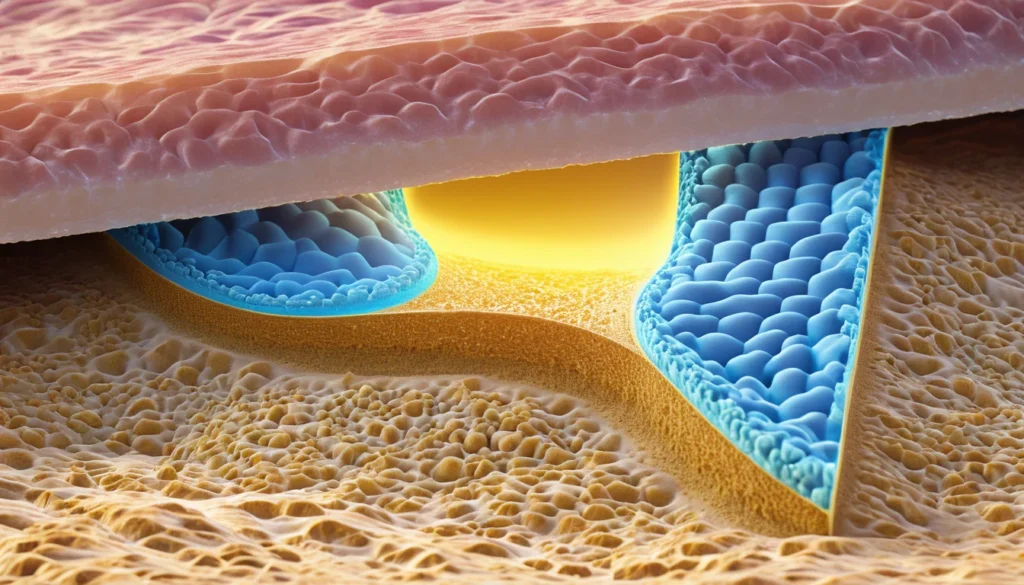
Just like your fingertips, your tongue has a completely unique print. No two people share the same tongue pattern. It is one of the most overlooked human body facts, but researchers have explored it as a potential form of biometric identification.
Fruits and Vegetables May Help Your Body Make Its Own Aspirin
According to the Journal of Agricultural and Food Chemistry, people who eat foods rich in benzoic acid — a natural compound found in many fruits and vegetables — may produce small amounts of acetylsalicylic acid in their bodies. That is the active ingredient in aspirin, which has anti-inflammatory properties. Eating a diet rich in whole fruits and vegetables may offer more benefits than we realise.
Simple Household Items Can Support Your Health
Baking soda can help whiten teeth when used carefully. Garlic has natural antifungal properties that may help treat athlete’s foot. Honey contains compounds that may ease hangover symptoms. These are not replacements for medical treatment, but they are interesting examples of everyday human body facts and home remedies backed by some science.
Staying Connected May Protect Your Memory
Research shows that keeping in regular contact with family and friends can help prevent memory loss. It may even help you live longer. Whether that connection happens in person, by phone, or online, maintaining social relationships is genuinely good for your brain health.
Rare and Unusual Body Phenomena
Some human body facts sound like science fiction. However, they are very real — even if they are uncommon.
“Exploding Head Syndrome” Is a Real Condition
Despite its alarming name, exploding head syndrome is not dangerous. The American Academy of Sleep Medicine describes it as a condition where a person hears an extremely loud noise — like a crash or explosion — that seems to come from inside their own head. It happens just as they are falling asleep or waking up. It is rare, but it is a recognised sleep disorder.
Your Body Position Can Affect Your Memory
Having trouble remembering a childhood event? Try changing your posture. Research suggests that memories are tied to sensory cues — a familiar smell, a sound, or even a body position can trigger a forgotten memory. Kneeling or sitting in a position similar to where the memory was formed may help bring it back.
Your Brain Is an Energy Powerhouse
Your brain makes up only about 2% of your total body weight. However, it demands roughly 20% of all the oxygen and calories your body takes in. It is one of the most energy-hungry organs you have. Feeding it well — with good nutrition and enough sleep — matters enormously for daily function and long-term health. Learn more about how the brain uses energy.
Human Body Facts About Weight and Metabolism
Understanding how your body manages weight can help you make smarter choices. Here are some key human body facts about fat, metabolism, and genetics.
Weight Has a Genetic Component
Scientists identified a gene called FTO — sometimes called the “obesity gene.” People who carry two copies of this gene have up to a 40% higher risk of developing type 2 diabetes. They also have a 60% higher chance of becoming obese compared to those without it. However, genetics are not destiny. Experts agree that a balanced diet and regular physical activity can significantly reduce that risk, even with a genetic predisposition.
Some People Have More Fat Cells Than Others
The difference in fat cell counts between two people can be enormous. Some individuals have twice as many fat cells as others. Fat cells develop from childhood through adolescence. In people who are predisposed to having more fat cells, production can begin as early as ages two or three, and those cells multiply faster than average.
Here is an important point: losing or gaining a few kilograms does not change the number of fat cells you have. The cells simply shrink or expand in size. While you cannot reduce the number of fat cells, you can keep them smaller through healthy habits.
Gaining Weight Slows Your Metabolism
Research shows that gaining as little as five kilograms can slow your metabolism. As a result, the more body fat you accumulate, the harder it becomes to lose. This creates a difficult cycle. However, regular physical activity — even moderate exercise like brisk walking — can help restore your metabolism to a healthier level of fat burning.
Stress Can Cause Weight Gain
When you are stressed, your body craves carbohydrates. This is a biological response, not just a lack of willpower. High stress levels trigger hormonal changes that drive cravings for high-fat, high-sugar comfort foods. Managing stress through sleep, movement, and social connection can help break this pattern.
What You Eat During Pregnancy Can Affect Your Child’s Weight
According to nutrition researchers, a mother’s diet during pregnancy — particularly high intake of sugar and fat — may influence how her child’s body processes and stores fat throughout their lifetime. This does not mean pregnant people need to eat perfectly. However, it is a compelling reason to focus on balanced, whole-food nutrition during pregnancy.
Human Body Facts About Sleep and Cancer Risk
Sleep is not just about feeling rested. It plays a powerful role in protecting your body from serious illness.
Exercise Reduces Cancer Risk — But Only With Enough Sleep
The National Cancer Institute followed nearly 6,000 women over 10 years. Of those, 604 developed some form of cancer. Women who were physically active had a 20% lower risk of developing cancer than those who were not active. However, for women who slept fewer than seven hours per night, the protective benefits of exercise were significantly reduced. This is one of the most important human body facts about the connection between lifestyle habits — they work together, not in isolation.
More Sleep May Help You Lose Fat
Research suggests that people who get adequate sleep lose more body fat when on a reduced-calorie plan, compared to those who sleep poorly. When you are sleep-deprived, your body holds onto fat more stubbornly and burns more muscle instead. Prioritising seven to nine hours of sleep per night supports both your metabolism and your overall health.
Human Body Facts About Bones and Puberty
Your Bones Can Break Themselves Down
Bones do more than support your muscles and organs. They also regulate calcium levels in your blood. If your body does not get enough calcium from food, certain hormones signal your bones to release calcium into the bloodstream. Over time, this process weakens your bones. This is why Health Canada recommends adequate daily calcium intake throughout your life, especially for children, teenagers, and older adults.
Puberty Rewires the Teenage Brain
Teenagers are not being difficult on purpose — their brains are literally under construction. Hormones like testosterone influence how neurons develop during puberty. These changes affect the parts of the brain responsible for decision-making, emotional regulation, and social awareness. As a result, behaviours like moodiness, embarrassment, apathy, and poor decision-making are a normal — if frustrating — part of adolescent brain development.
When to See a Doctor
These human body facts are meant to inform and inspire curiosity. However, they are not a substitute for professional medical advice. If you notice unusual symptoms — whether related to sleep, weight changes, memory, or anything else mentioned here — speak with a healthcare provider.
In Canada, your first stop should be your family doctor. If you do not have one, a walk-in clinic can assess your concerns and refer you to the right specialist. You can also contact your provincial health line (such as 811 in most provinces) for guidance from a registered nurse. Always consult a qualified healthcare professional before making significant changes to your diet, exercise routine, or sleep habits.
Frequently Asked Questions About Human Body Facts
What are some surprising human body facts most people don’t know?
Some of the most surprising human body facts include that your tongue has a unique print like a fingerprint, your brain uses 20% of your body’s energy despite being only 2% of its weight, and your bones can actually break themselves down if you don’t get enough calcium. These facts highlight just how complex and self-regulating your body really is.
Can your genes really affect your weight?
Yes, genetics can play a significant role in weight and obesity risk. The FTO gene, for example, is linked to a 60% higher chance of obesity in people who carry two copies of it. However, experts emphasise that a healthy diet and regular exercise can greatly reduce this genetic risk.
Does sleep really affect cancer risk?
Research suggests that getting fewer than seven hours of sleep per night can reduce the protective effects of regular exercise on cancer risk. A long-term study by the National Cancer Institute found that physically active women who slept poorly had a noticeably higher cancer risk than those who exercised and slept well. This is one of the most compelling human body facts about the power of sleep.
Why does stress cause weight gain?
Stress triggers hormonal changes in the body that increase cravings for high-carbohydrate and high-fat foods. This is a built-in biological response, not simply a lack of self-control. Managing stress through regular sleep, physical activity, and social connection can help reduce stress-related weight gain.
What is exploding head syndrome?
Exploding head syndrome is a rare but real sleep condition where a person hears a sudden, very loud noise — like a bang or crash — that seems to come from inside their head, usually as they fall asleep or wake up. It is not painful or dangerous, but it can be frightening. If it happens frequently, speaking with your family doctor or a sleep specialist is a good idea.
How can I improve my metabolism naturally?
Regular physical activity is one of the most effective ways to support a healthy metabolism. Even moderate exercise like daily walking can help counteract the metabolic slowdown that comes with weight gain. Getting enough sleep and managing stress are also important human body facts-backed strategies for keeping your metabolism functioning well.
Key Takeaways
Your tongue is unique — it has its own print, just like your fingertips.
Eating fruits and vegetables may help your body produce natural anti-inflammatory compounds similar to aspirin.
Social connection protects memory and may extend your life.
Exercise reduces cancer risk in women — but only when paired with at least seven hours of sleep per night.
Genetics influence weight, but lifestyle choices can significantly offset genetic risk.
You cannot reduce the number of fat cells you have, but you can keep them smaller through diet and exercise.
Stress drives cravings for high-fat, high-carbohydrate foods — managing stress matters for weight health.
Your bones regulate calcium and will break themselves down if your diet is deficient — prioritise calcium-rich foods.
Teenage moodiness is neurological — puberty physically rewires the brain’s decision-making and emotional centres.
When in doubt, see your doctor — your family doctor or a local walk-in clinic is always the right first step.