The HTLV virus — short for Human T-Cell Leukemia/Lymphoma Virus — is a rare but serious infection that affects the immune system. It belongs to a family of viruses called retroviruses, and it can, in some cases, lead to certain types of blood cancers. Most people who carry HTLV never develop symptoms. However, understanding what it is, how it spreads, and what to watch for is important for your health. This article explains everything you need to know in plain language.
What Is the HTLV Virus?
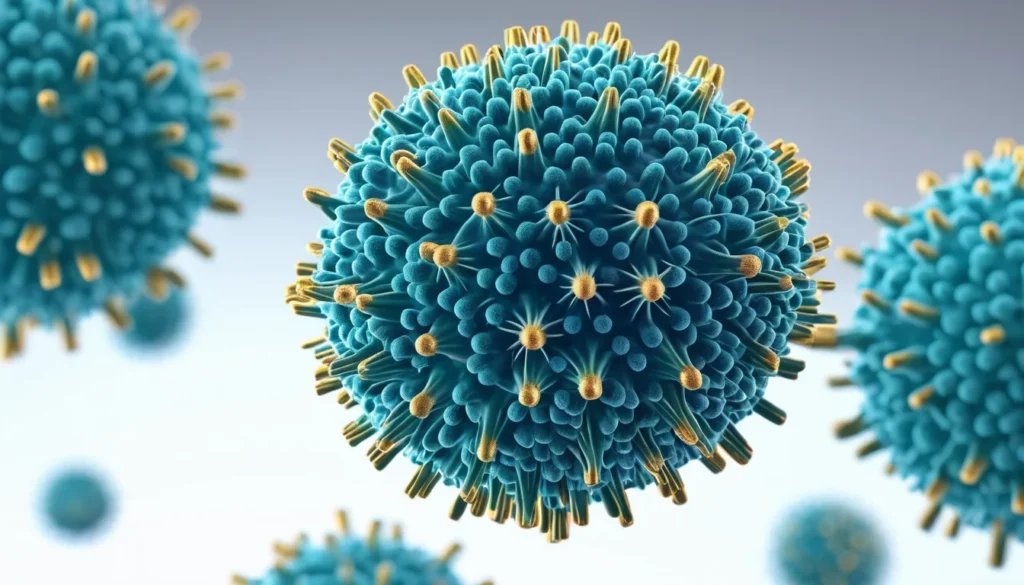
The HTLV virus is an RNA oncovirus, which means it is a virus that carries genetic material in the form of RNA and has the potential to cause cancer in certain cells. It belongs to the retrovirus family — the same broad family as HIV, though HTLV is a different virus with different effects.
HTLV specifically targets a type of white blood cell called T-lymphocytes (also called T-cells). These cells play a key role in your immune system. When HTLV infects T-cells, it changes the way they grow and behave. In some people, this can eventually lead to cancer.
There are several types of HTLV. The two most medically significant are HTLV-1 and HTLV-2. HTLV-1 is more strongly linked to disease. HTLV-2 is less well understood, but researchers continue to study both types closely.
What Diseases Can HTLV Cause?
HTLV-1 is associated with two main serious conditions. The first is Adult T-Cell Leukemia/Lymphoma (ATLL), a cancer of the T-cells. The second is a neurological condition called HTLV-1-Associated Myelopathy (HAM), also known as Tropical Spastic Paraparesis (TSP), which affects the spinal cord.
In addition, HTLV-1 can sometimes lead to cutaneous lymphomas — cancers that develop in the skin’s lymphatic cells. However, it is important to know that most people infected with HTLV-1 will never develop any of these conditions. Estimates suggest that fewer than 5% of those infected will develop ATLL over their lifetime.
How Does the HTLV Virus Spread?
The HTLV virus spreads through specific routes that involve direct contact with infected cells. Understanding these routes can help you protect yourself and your loved ones.
HTLV is primarily transmitted through the following means:
Blood contact: Sharing needles or receiving infected blood products can transmit the virus. In Canada, blood donations are screened for HTLV, which greatly reduces this risk.
Sexual contact: The virus can be transmitted sexually. Research indicates that transmission is more efficient from male to female partners than the reverse.
Breastfeeding: An infected mother can pass HTLV to her baby through breast milk. This is considered one of the most common routes of transmission in regions where the virus is more widespread.
Organ transplantation: In rare cases, HTLV can be transmitted through organ or tissue transplants from an infected donor.
It is worth noting that HTLV is not spread through casual contact. You cannot get it from hugging, sharing food, coughing, or sneezing. The virus requires a direct transfer of infected cells to enter the body.
Is HTLV the Same as HIV?
No. Although both HTLV and HIV are retroviruses, they are very different infections. HIV attacks a different type of immune cell (CD4+ T-cells) and causes AIDS if untreated. HTLV, on the other hand, causes T-cells to multiply abnormally, which can lead to cancer rather than immune deficiency. The two viruses require separate tests to detect.
Who Is at Risk for HTLV Infection?
HTLV has a very uneven geographic distribution around the world. Certain populations and regions have much higher rates of infection than others. The virus is most common in parts of Japan, the Caribbean, Central and South America, and sub-Saharan Africa.
In Canada, HTLV is considered rare in the general population. However, certain groups may face a higher risk:
People who have immigrated from high-prevalence regions, such as the Caribbean, parts of Africa, or Japan
People who use intravenous drugs and share needles
People with multiple sexual partners, particularly those with partners from high-prevalence regions
Infants breastfed by an infected mother
People who received blood transfusions before widespread HTLV screening began in Canada
If you belong to any of these groups and have concerns, speaking with your family doctor is a good first step. A simple blood test can determine whether you have been exposed to the virus. For more background on blood-borne viruses in Canada, you can visit Health Canada’s official health information resource.
Symptoms of HTLV Infection
One of the most challenging aspects of HTLV is that the vast majority of infected people have no symptoms at all. Most carriers live their entire lives without knowing they carry the virus. This is why HTLV is often discovered incidentally — for example, during blood donation screening or routine testing.
However, in the small percentage of people who do develop disease, symptoms can vary depending on which condition develops.
Symptoms of Adult T-Cell Leukemia/Lymphoma (ATLL)
ATLL can present in several forms, ranging from slow-growing (chronic or smouldering) to aggressive (acute or lymphoma type). Symptoms may include:
Swollen lymph nodes
Fatigue and weakness
Skin rashes or lesions
High calcium levels in the blood (hypercalcaemia), which can cause confusion, nausea, and excessive thirst
Frequent infections due to a weakened immune system
Enlarged liver or spleen
These symptoms are not unique to ATLL and can be caused by many other conditions. Therefore, a proper diagnosis always requires medical testing.
Symptoms of HTLV-Associated Myelopathy (HAM/TSP)
HAM/TSP is a condition that slowly damages the spinal cord. Symptoms tend to develop gradually over months or years. They may include:
Leg weakness or stiffness
Difficulty walking
Back pain
Bladder and bowel problems
Numbness or tingling in the legs
In addition, some people with HTLV-1 may develop other conditions, such as inflammatory eye disease or skin conditions. Research in this area is ongoing. For detailed clinical information on retrovirus-related conditions, the Mayo Clinic’s disease and conditions library is a reliable resource.
How Is HTLV Diagnosed and Treated?
Diagnosing HTLV begins with a blood test that looks for antibodies to the virus. If the initial screening test is positive, a confirmatory test is done to verify the result. In Canada, this type of testing is available through your family doctor or a specialist.
It is important to understand that a positive HTLV test does not mean you will develop cancer or neurological disease. Most carriers never do. However, regular follow-up with a healthcare provider is recommended to monitor your health over time.
Treatment Options
Currently, there is no cure for HTLV infection itself. Treatment focuses on managing any diseases that arise as a result of the infection. For example:
ATLL is treated with chemotherapy, targeted therapies, or stem cell transplantation, depending on the type and stage. Treatment is managed by a haematologist (a blood specialist).
HAM/TSP is managed with corticosteroids and other medications to reduce inflammation and control symptoms. Physiotherapy can also help maintain mobility.
Infected mothers who wish to prevent transmission to their babies may be advised to avoid breastfeeding. Your doctor can help you weigh the options.
Research into antiviral treatments for HTLV is ongoing. The World Health Organization’s infectious disease resources provide updated information on global research efforts.
When to See a Doctor
You should speak with your family doctor or visit a walk-in clinic if you have any reason to believe you may have been exposed to the HTLV virus. This includes if you have come from a region where HTLV is common, if you have shared needles, or if a sexual partner has tested positive.
In addition, see a doctor promptly if you notice unexplained swollen lymph nodes, persistent fatigue, skin changes, or any new weakness or numbness in your legs. These symptoms do not necessarily mean you have HTLV or a related condition — but they do deserve a proper evaluation.
In Canada, your provincial health plan covers visits to family doctors and walk-in clinics. You do not need to pay out of pocket for an initial consultation. If further specialist care is needed, your family doctor can provide a referral through the public health system.
Always consult a qualified healthcare professional before drawing conclusions about your health. Only a doctor can properly interpret test results and recommend the right course of action for your individual situation.
Frequently Asked Questions About HTLV
What is the HTLV virus and how serious is it?
The HTLV virus is a retrovirus that infects T-cells in the immune system and can, in rare cases, lead to blood cancers or spinal cord disease. However, the majority of people who carry the virus never develop any symptoms or serious illness. It is a lifelong infection that requires monitoring but is not a death sentence for most carriers.
How is the HTLV virus different from HIV?
Although both the HTLV virus and HIV are retroviruses, they are entirely different infections. HIV destroys immune cells and can lead to AIDS, while HTLV causes abnormal cell growth that may lead to certain cancers. They require separate tests, and having one does not mean you have the other.
Can you get HTLV from casual contact?
No, the HTLV virus cannot spread through everyday casual contact such as hugging, sharing food, or being near someone who is coughing. It requires direct transfer of infected cells, such as through blood, sexual contact, or breastfeeding. You are not at risk simply by being around someone who carries the virus.
Is HTLV common in Canada?
The HTLV virus is rare in the general Canadian population. It is more commonly seen in people who have immigrated from high-prevalence regions such as the Caribbean, parts of Africa, or Japan. Canada screens all donated blood for HTLV, which helps protect the national blood supply.
How do I get tested for HTLV in Canada?
You can ask your family doctor or a walk-in clinic about HTLV testing if you believe you may have been exposed. Testing involves a blood test that looks for antibodies to the virus and is available through the Canadian public health system. Your provincial health plan typically covers this type of testing when ordered by a physician.
Is there a cure or vaccine for the HTLV virus?
At this time, there is no cure or approved vaccine for the HTLV virus. Treatment focuses on managing any conditions that develop as a result of the infection, such as chemotherapy for ATLL or medication and physiotherapy for HAM/TSP. Research into new treatments is ongoing around the world.
Key Takeaways
The HTLV virus is a retrovirus that infects T-cells and can lead to certain blood cancers or spinal cord disease in a small number of carriers.
Most people infected with HTLV never develop symptoms or serious illness.
The virus spreads through blood, sexual contact, and breastfeeding — not through casual everyday contact.
HTLV is rare in Canada but more common among people from Japan, the Caribbean, and parts of Africa and South America.
Canada screens donated blood for HTLV, helping to protect the blood supply.
There is no cure for HTLV, but diseases caused by it can be treated and managed.
If you have concerns about exposure, speak with your family doctor or visit a walk-in clinic. Only a qualified healthcare professional can properly assess your risk and recommend testing.