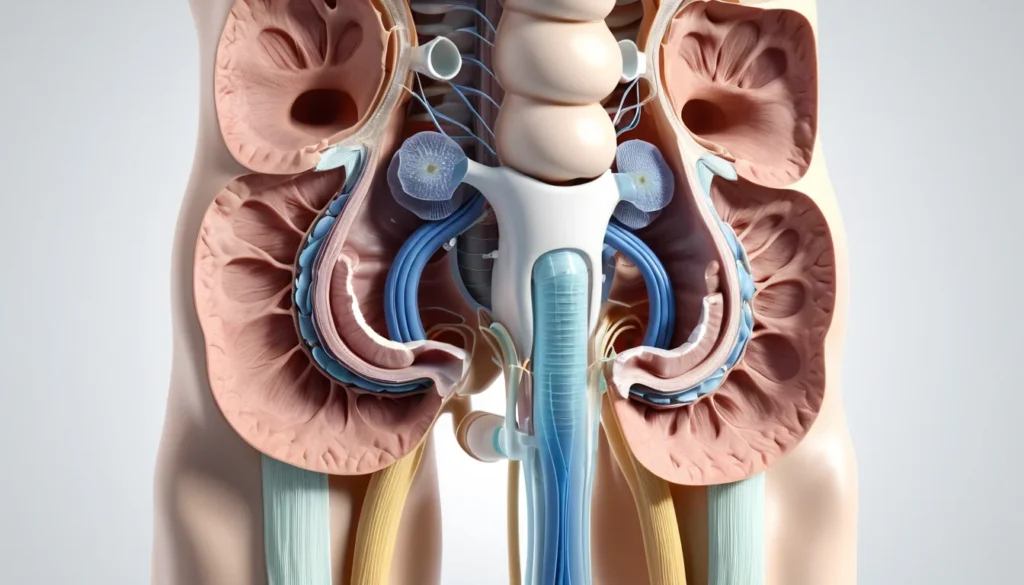
Hormone therapy for cancer is a treatment that uses the body’s own hormonal signals against tumour growth. It works by blocking or lowering the hormones that fuel certain cancers, such as breast, uterine, and prostate cancers. In Canada, this treatment is offered through oncology centres and cancer care programmes across most provinces. Understanding how it works can help you ask better questions and feel more confident in your care.
What Is Hormone Therapy for Cancer?
Hormone therapy for cancer is not the same as hormone replacement therapy (HRT) used during menopause. Instead, it targets cancers that depend on hormones to grow. Doctors call these cancers hormone-sensitive or hormone-dependent.
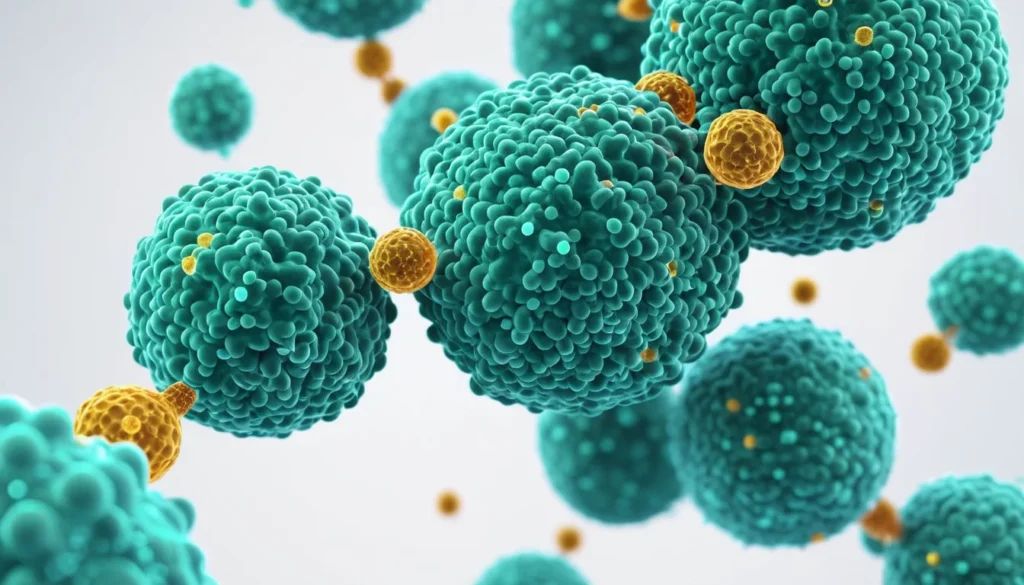
Some cancers have receptors on their cells that respond to hormones like estrogen or testosterone. When a hormone attaches to these receptors, it sends a signal telling the cancer cells to grow and divide. Hormone therapy interrupts that signal.
This approach does not destroy cancer cells the way chemotherapy does. However, it can slow or stop their growth. In some cases, it can even shrink tumours significantly.
How Hormone Therapy for Cancer Works
The goal of hormone therapy for cancer is to reduce the amount of a hormone in the body or block it from reaching cancer cells. Doctors do this in several ways, depending on the type of cancer and the patient’s overall health.
Lowering Hormone Levels
Some treatments reduce how much hormone the body produces. For example, certain medicines can stop the ovaries from making estrogen. Surgery to remove the ovaries or testicles can also lower hormone levels dramatically.
In men with prostate cancer, reducing testosterone is a key goal. This is sometimes called androgen deprivation therapy. It can be done with medication or, in some cases, surgery.
Blocking Hormone Receptors
Other treatments work by blocking the receptors on cancer cells. Without a working receptor, the hormone cannot send its growth signal. Drugs like tamoxifen are a well-known example of this approach, often used in breast cancer treatment.
These receptor-blocking medicines are taken as pills in many cases. As a result, they are often easier to manage than intravenous chemotherapy. However, they still come with side effects that need careful monitoring.
Blocking Hormone Production Elsewhere
Even after the ovaries stop working or are removed, the body can still make small amounts of estrogen through other tissues, such as fat cells. A group of drugs called aromatase inhibitors block this process. They are commonly used in postmenopausal women with hormone-receptor-positive breast cancer.
Which Cancers Respond to Hormone Therapy?
Not every cancer responds to hormone therapy for cancer. Doctors test tumour samples in a lab to find out if the cancer has hormone receptors. This testing is a standard part of diagnosis in Canada after a biopsy.
Breast Cancer
Breast cancer is one of the most common cancers treated with hormone therapy in Canada. About 70 to 80 percent of breast cancers are hormone-receptor-positive. This means they rely on estrogen or progesterone to grow.
For these patients, hormone therapy can be a highly effective long-term strategy. It is often used after surgery or radiation to lower the risk of the cancer returning. Treatment may continue for five to ten years in some cases.
You can learn more about this from Mayo Clinic’s guide to hormone therapy for breast cancer.
Prostate Cancer
In men, prostate cancer is the most common hormone-sensitive cancer. Prostate cancer cells often need testosterone and other androgens to grow. Reducing these hormones can slow the disease significantly.
Hormone therapy for prostate cancer is often combined with radiation therapy. It may also be used when the cancer has spread beyond the prostate gland. In Canada, this treatment is managed through urology and oncology departments in hospitals and cancer centres.
Uterine Cancer
Some types of uterine (endometrial) cancer are also hormone-sensitive. Progesterone-based hormone therapy is sometimes used for these cancers. However, this approach depends heavily on the specific type and stage of the cancer.
What to Expect During Hormone Therapy for Cancer
Hormone therapy for cancer can be given in different forms. These include pills taken daily, injections given monthly or every few months, or implants placed under the skin. Your oncology team will recommend the best option for your situation.
Duration of Treatment
Treatment length varies widely. Some people receive hormone therapy for a few months, while others continue for many years. For example, women with early-stage breast cancer may take hormone-blocking pills for five to ten years after surgery.
Your cancer care team will review your treatment plan regularly. They will monitor how the cancer is responding and check for side effects at each appointment.
Common Side Effects
Because hormone therapy changes the body’s hormonal balance, side effects are common. These can differ depending on whether you are a man or a woman and which specific treatment you receive.
In women, common side effects include hot flashes, joint pain, fatigue, and vaginal dryness. In men, side effects may include hot flashes, reduced sex drive, weight gain, and weakened bones over time. Furthermore, mood changes and difficulty sleeping are reported by both men and women.
Most side effects can be managed. Your healthcare team can suggest lifestyle changes, additional medications, or other strategies to help. Do not hesitate to speak up if side effects are affecting your quality of life.
Long-Term Bone Health
One important long-term concern is bone density loss. Both estrogen and testosterone help maintain strong bones. When these hormones are reduced over a long period, the risk of osteoporosis increases.
In Canada, your doctor may recommend a DEXA scan to monitor bone density during treatment. Calcium and vitamin D supplements, along with weight-bearing exercise, are often recommended as well. In some cases, bone-strengthening medications may be prescribed.
Hormone Therapy and Other Cancer Treatments
Hormone therapy for cancer is rarely used on its own. It is most effective when combined with other treatments as part of a full cancer care plan.
For example, it is commonly used alongside surgery, radiation therapy, or targeted drug therapies. In some patients, it is given before surgery to shrink a tumour. In others, it is used after surgery to reduce the risk of recurrence.
Your oncologist will build a treatment plan that matches your cancer type, stage, age, and overall health. The World Health Organization provides helpful background on cancer treatment approaches for those wanting to understand the bigger picture.
In Canada, provincial cancer programmes — such as Cancer Care Ontario, BC Cancer, and Alberta Health Services Cancer Care — coordinate these combined treatment plans. Most Canadians with a cancer diagnosis are referred through their provincial health plan.
When to See a Doctor
If you have been diagnosed with a hormone-sensitive cancer, your specialist will guide your treatment decisions. However, there are times when you should reach out sooner rather than later.
Contact your family doctor or walk-in clinic if you notice new or worsening symptoms during treatment. This includes unusual bone pain, sudden mood changes, or any symptom that feels new or alarming. Your family doctor can also help coordinate your care between specialists.
If you are currently on hormone therapy and struggling with side effects, do not wait until your next scheduled appointment. Speak to your healthcare team as soon as possible. Many side effects can be addressed quickly with the right support.
For general information about cancer resources available in Canada, Health Canada offers guidance on cancer care and drug programmes that may apply to your situation.
Frequently Asked Questions About Hormone Therapy for Cancer
What is hormone therapy for cancer used to treat?
Hormone therapy for cancer is mainly used to treat hormone-sensitive cancers, including breast cancer, prostate cancer, and some types of uterine cancer. It works by blocking or reducing the hormones that help these cancers grow. Your oncologist will test your tumour to confirm whether this treatment is appropriate for you.
Is hormone therapy for cancer the same as hormone replacement therapy?
No, these are two very different treatments. Hormone replacement therapy (HRT) adds hormones to the body, often to relieve menopause symptoms. Hormone therapy for cancer does the opposite — it blocks or removes hormones to slow tumour growth. Always clarify with your doctor which type of hormonal treatment is being discussed.
How long does hormone therapy for cancer last?
The length of hormone therapy for cancer depends on the type and stage of cancer being treated. Some people take hormone-blocking medications for as little as a few months, while others continue for five to ten years. Your cancer care team will review your plan regularly and adjust it based on how you are responding.
What are the most common side effects of hormone therapy for cancer?
Common side effects of hormone therapy for cancer include hot flashes, fatigue, joint pain, and changes in sexual function. Long-term use can also affect bone density, increasing the risk of osteoporosis. Most side effects can be managed with lifestyle changes or additional medications — speak to your healthcare team if symptoms are bothering you.
Is hormone therapy for cancer covered by provincial health plans in Canada?
In most provinces, hormone therapy drugs for cancer are covered through provincial drug benefit programmes when prescribed as part of an approved cancer treatment plan. Coverage details vary by province and drug type. Contact your provincial cancer programme or speak to your oncologist’s office to understand what is covered in your area.
Can hormone therapy for cancer cure the disease?
Hormone therapy for cancer is not typically considered a cure on its own, but it can be very effective at controlling cancer and reducing the risk of recurrence. In some early-stage cases, when combined with surgery and other treatments, outcomes can be excellent. Your oncologist can give you the most accurate picture based on your specific diagnosis.
Key Takeaways
Hormone therapy for cancer targets cancers that need hormones like estrogen or testosterone to grow.
It works by lowering hormone levels in the body or blocking hormones from reaching cancer cells.
The most common hormone-sensitive cancers treated this way are breast, prostate, and uterine cancers.
Treatment can last from a few months to many years, depending on the cancer type and stage.
Side effects are common but manageable — bone health, mood, and sexual function are areas to monitor closely.
In Canada, hormone therapy is usually covered through provincial health plans as part of a broader cancer care programme.
Always speak with your family doctor, walk-in clinic, or oncology team if you have questions or concerns about your treatment.
This article is for general information only. Please consult a qualified healthcare provider for advice specific to your situation.