A hoarse voice can catch you off guard — one morning you wake up sounding raspy, strained, or barely able to speak. For most Canadians, this clears up on its own within a few days. However, when hoarseness lasts longer than three weeks, it may point to an underlying health condition that deserves attention. This article explains what causes a hoarse voice, how to prevent it, and when it’s time to book an appointment with your family doctor or visit a walk-in clinic.
What Is a Hoarse Voice (Dysphonia)?
A hoarse voice — medically called dysphonia — is any change in the normal sound of your voice. Your voice may sound rough, breathy, raspy, or strained. Sometimes it may drop out entirely for a moment.
The pitch and volume of your voice may also shift noticeably. You might find it hard to speak loudly or hit higher notes if you sing. These changes happen because something is affecting your vocal cords or the surrounding structures in your throat.
The good news is that most causes of a hoarse voice are not serious. In fact, about one-third of people experience dysphonia at some point in their lives, and the majority recover fully with simple care.
How Does Your Voice Work?
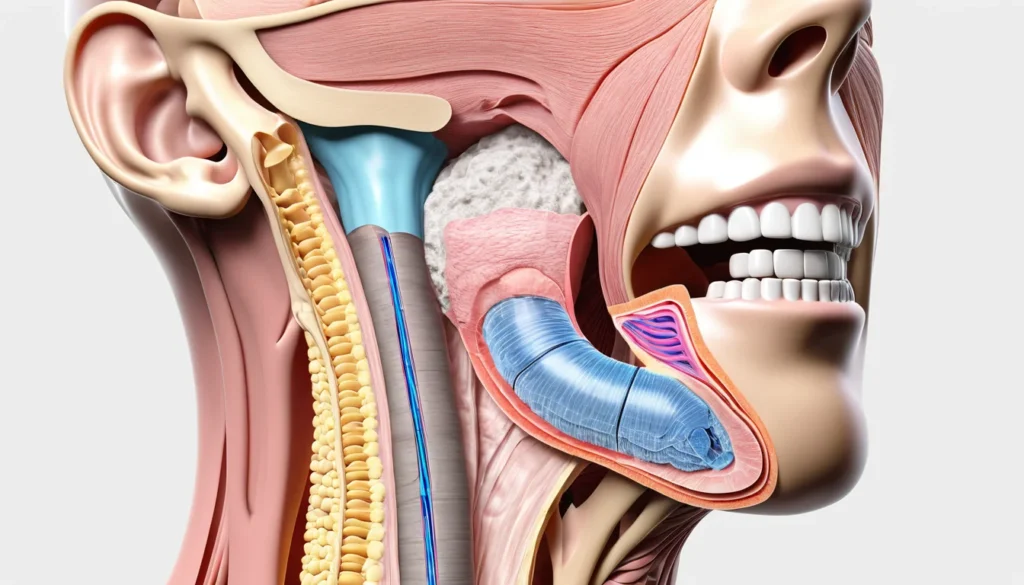
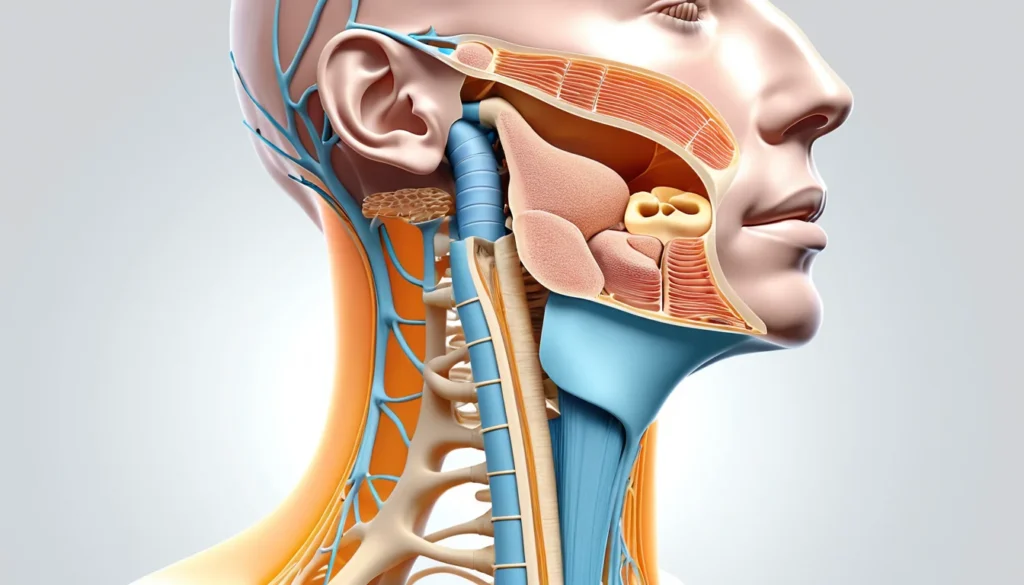
Understanding your voice helps explain why it can go hoarse. Your voice starts in the larynx, commonly called the voice box. The larynx sits just above the windpipe (trachea) in your throat.
Inside the larynx are two thin bands of muscle called the vocal cords. When you breathe out, air flows up from your lungs through the windpipe and reaches these cords. The cords vibrate, and that vibration creates sound.
When the vocal cords are relaxed and short, your voice sounds lower. When they tighten and stretch, your voice rises in pitch. Any swelling, irritation, or injury to the vocal cords disrupts this process — and that’s when your voice becomes hoarse.
Common Causes of a Hoarse Voice
There are many reasons your voice can become hoarse. Most are manageable, and some resolve on their own. Here are the most common causes.
Voice Overuse
Speaking loudly for a long time, cheering at a sports game, or singing for hours can strain your vocal cords. This is one of the most frequent causes of a hoarse voice. Teachers, coaches, call centre workers, and singers are especially at risk.
Over time, the vocal cords also change naturally with age. Your voice may become slightly rougher or deeper as you get older — this is completely normal.
Colds and Sinus Infections
A common cold or sinus infection can cause temporary hoarseness. Mucus and inflammation in the throat irritate the vocal cords. This type of hoarse voice usually clears up as the illness resolves.
Laryngitis
Laryngitis is inflammation of the larynx. It can result from a respiratory infection, allergies, or even excessive voice use. The vocal cords swell, which changes how they vibrate and causes hoarseness. According to the Mayo Clinic’s guide on laryngitis, most cases improve within one to two weeks with rest and hydration.
Acid Reflux (GERD)
Gastroesophageal reflux disease, or GERD, occurs when stomach acid flows back up into the esophagus. In some people, the acid reaches all the way up to the throat and larynx. This irritates the vocal cords and can cause a chronic hoarse voice, especially in the morning.
Vocal Cord Nodules, Polyps, and Cysts
Repeated strain on the vocal cords can cause small, non-cancerous growths to form. These include nodules, polyps, and cysts. They are benign — meaning they carry no cancer risk — but they do disrupt the normal vibration of the vocal cords. As a result, your voice may sound rough or breathy for an extended period.
Vocal Cord Haemorrhage
A sudden loss of voice, especially after yelling or straining, can signal a vocal cord haemorrhage. This happens when a small blood vessel on the vocal cord ruptures. If this occurs, you should rest your voice completely and see a doctor promptly.
Neurological Conditions
Certain neurological conditions can affect the muscles that control the larynx. For example, Parkinson’s disease and stroke can both lead to a hoarse or weakened voice. This happens because the nerves that coordinate vocal cord movement become impaired.
Spasmodic dysphonia is another neurological condition that causes involuntary muscle spasms in the larynx. It may develop after a period of laryngitis or prolonged stress, and it can make the voice sound strained or choppy.
Vocal Cord Paralysis
In some cases, one or both vocal cords may become partially or fully paralysed. When this happens, the cords can’t open or close properly. The exact cause isn’t always clear, but it can follow a viral infection, injury, or surgery near the throat.
Laryngeal Cancer
Laryngeal cancer is a rare but serious cause of hoarseness. A hoarse voice that lasts longer than three weeks with no clear cause should always be investigated by a doctor. Catching this condition early significantly improves outcomes. You can learn more from Health Canada’s health resources.
Who Is Most at Risk?
Anyone can develop a hoarse voice — from young children to older adults. However, some groups face a higher risk.
Smokers: Tobacco smoke directly irritates and inflames the vocal cords over time.
Heavy alcohol users: Alcohol dries out and irritates the throat and vocal cord tissue.
Professional voice users: Teachers, singers, coaches, call centre workers, and sales agents use their voices intensely every day.
People with allergies or frequent respiratory infections: Ongoing inflammation raises the risk of voice problems.
People with GERD: Acid reflux that isn’t well controlled can cause chronic hoarseness.
How to Prevent a Hoarse Voice
The good news is that many cases of hoarseness are preventable. Building a few healthy habits into your daily routine can protect your voice for the long term.
Protect Your Vocal Cords Every Day
Stay hydrated. Drink plenty of water throughout the day. Keeping your vocal cords moist helps them vibrate smoothly.
Rest your voice. After a long day of speaking or singing, give your voice time to recover. Avoid whispering — it actually strains your vocal cords more than speaking softly.
Avoid clearing your throat repeatedly. This motion can irritate the vocal cords. Instead, try swallowing or taking a sip of water.
Warm up before speaking or singing. Just as athletes warm up before exercise, voice users should gently warm up their vocal cords before long periods of speaking.
Use a microphone. If you speak to large groups regularly, using amplification reduces the strain on your voice.
Lifestyle Changes That Help
Quit smoking. If you smoke, quitting is the single best thing you can do for your vocal health. Avoid secondhand smoke as well. Provincial programmes across Canada offer free quit-smoking support — check with your provincial health authority for options near you.
Limit alcohol intake. Alcohol dries out the throat and increases the risk of vocal cord irritation.
Manage acid reflux. If you have GERD, work with your doctor to control it through diet, medication, or lifestyle changes. Eating smaller meals and avoiding late-night eating can help reduce reflux.
Avoid cold, dry air. In Canadian winters, cold and dry indoor air can dry out your throat. Using a humidifier at home can help keep your airways moist.
Treat allergies. Uncontrolled allergies cause postnasal drip and throat irritation. Managing your allergies can prevent repeated bouts of hoarseness.
According to Healthline’s overview of hoarse voice causes and treatments, staying well hydrated and avoiding vocal strain are two of the most effective prevention strategies.
When to See a Doctor
Many cases of a hoarse voice resolve within one to two weeks with rest and home care. However, there are times when you should seek medical attention.
Visit your family doctor or a walk-in clinic if:
Your hoarse voice lasts longer than three weeks.
You have no obvious reason for the hoarseness (no cold, no voice overuse).
You experience pain when swallowing or speaking.
You cough up blood or notice blood in your saliva.
You feel a lump in your neck.
You have difficulty breathing or swallowing.
You experience a sudden, complete loss of voice after straining.
Your family doctor may refer you to an ear, nose, and throat (ENT) specialist, also called an otolaryngologist. This specialist can examine your vocal cords directly using a small instrument called a laryngoscope. If needed, further tests such as an MRI, CT scan, or biopsy may be ordered to rule out more serious conditions.
Most provincial health plans in Canada cover ENT referrals when ordered by your family doctor. If you don’t have a family doctor, a walk-in clinic can assess your symptoms and refer you appropriately.
As always, this information is general in nature. Please speak with a healthcare professional for advice specific to your situation.
Frequently Asked Questions About Hoarse Voice
How long does a hoarse voice usually last?
Most cases of a hoarse voice caused by a cold, laryngitis, or voice overuse clear up within one to two weeks. However, if your hoarse voice persists for more than three weeks, you should see a doctor to rule out an underlying condition.
Can acid reflux cause a hoarse voice?
Yes. Acid reflux (GERD) can cause a hoarse voice when stomach acid travels up to the throat and irritates the vocal cords. This type of hoarseness is often worse in the morning and may improve when reflux is properly treated.
Is a hoarse voice a sign of throat cancer?
A hoarse voice is rarely caused by throat or laryngeal cancer, but it can be a symptom in some cases. If your hoarse voice lasts longer than three weeks without a clear cause, see your family doctor or visit a walk-in clinic for an evaluation.
What is the fastest way to get rid of a hoarse voice?
The most effective way to recover quickly from a hoarse voice is to rest your voice as much as possible, drink plenty of water, and avoid irritants like smoke and alcohol. Using a humidifier in your home can also help soothe irritated vocal cords, especially during dry Canadian winters.
Should I whisper when I have a hoarse voice?
No — whispering is actually harder on your vocal cords than speaking softly in your normal voice. If you have a hoarse voice, try to speak as little as possible and use a gentle, relaxed tone when you must communicate.
Can stress cause a hoarse voice?
Yes, prolonged stress can contribute to a hoarse voice in some people. Stress can increase muscle tension in and around the larynx, leading to a condition called spasmodic dysphonia. Managing stress through relaxation techniques may help reduce voice-related symptoms.
Key Takeaways
A hoarse voice (dysphonia) is a change in your normal voice — it may sound raspy, rough, or breathy.
The most common causes include voice overuse, laryngitis, colds, acid reflux, and smoking.
Most cases are not serious and resolve within one to two weeks with rest and hydration.
Hoarseness lasting more than three weeks should always be assessed by a doctor.
You can prevent many cases of hoarseness by staying hydrated, resting your voice, quitting smoking, and managing acid reflux.
Canadian provincial health plans generally cover ENT referrals — your family doctor or walk-in clinic can get you started.
Always speak with a healthcare professional for advice tailored to your personal health needs.