HIV, or Human Immunodeficiency Virus, is a virus that attacks the body’s immune system. Left untreated, it can lead to AIDS (Acquired Immunodeficiency Syndrome). Understanding how HIV works, how it spreads, and how it is diagnosed can help you protect yourself and others. This article explains everything you need to know in plain language.
What Is HIV?
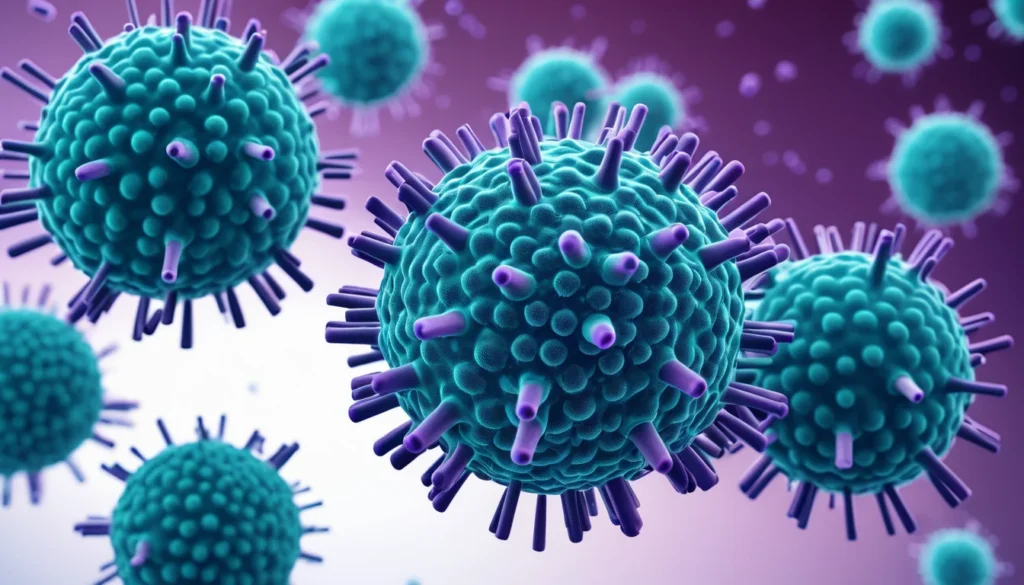
HIV is a virus that weakens your immune system over time. It targets specific white blood cells called CD4 cells, which help your body fight infections and disease.
As HIV destroys more of these cells, your body becomes less able to defend itself. This is why untreated HIV can eventually lead to AIDS, the most advanced stage of the infection.
HIV belongs to a group of viruses called retroviruses. More specifically, it is part of a subgroup called lentiviruses. These viruses are known for causing slow, long-term infections.
How Does HIV Work Inside the Body?
To understand HIV, it helps to know a little about how it behaves at the cellular level. HIV carries its genetic information in RNA, not DNA like human cells do.
The Role of Reverse Transcriptase
HIV contains a special enzyme called reverse transcriptase (also called reverse transcriptase enzyme). This enzyme allows HIV to copy its RNA into DNA once it enters a human cell.
This process is called reverse transcription. It is unusual because most living things copy DNA into RNA, not the other way around. HIV does the opposite.
How HIV Hides in Your Cells
Once HIV creates its DNA copy, that copy — called proviral DNA — gets inserted into the DNA of the infected cell. This is what makes HIV so difficult to eliminate.
The virus can lie dormant inside the cell for a long time. It may wait quietly or begin making copies of itself using the cell’s own machinery. This hidden behaviour is one reason why a cure for HIV remains so challenging to develop.
For a deeper look at how HIV affects the immune system, visit the World Health Organization’s HIV fact sheet.
The Two Main Types of HIV
Scientists currently recognise two types of Human Immunodeficiency Virus. They are known as HIV-1 and HIV-2, and they differ in several important ways.
HIV-1
HIV-1 is the most common type worldwide. It was first identified in 1983 and is responsible for the vast majority of HIV infections globally, including most cases in Canada.
HIV-1 is more easily transmitted and progresses to AIDS more quickly than HIV-2 if left untreated. Most HIV tests and treatments are designed with HIV-1 in mind.
HIV-2
HIV-2 was discovered in 1986. It is currently found mainly in West Africa, though some cases have been reported in other parts of the world, including Canada, through travel and immigration.
HIV-2 tends to progress more slowly than HIV-1. It is also less transmissible. However, it can still lead to AIDS and must be taken seriously.
In Canada, your doctor or public health nurse can order tests that detect both types of HIV. Most standard screening tests used in Canadian provinces cover HIV-1 and HIV-2 together.
How Is HIV Diagnosed?
HIV diagnosis involves blood tests that look for signs of the virus in your body. Testing is the only way to know for certain whether you have HIV.
The ELISA Test
The most common initial screening test is called the ELISA test (Enzyme-Linked Immunosorbent Assay). This test looks for antibodies your immune system has made in response to HIV.
Your body does not produce these antibodies right away. It typically takes about six to twelve weeks after exposure for antibodies to show up in your blood. This period is called the “window period.”
Therefore, if you think you may have been exposed to HIV, you should not wait for symptoms to appear. Getting tested at the right time is essential for an accurate result.
The Western Blot Test
The ELISA test can sometimes give a false positive result. This means the test says HIV is present when it is not. For this reason, a positive ELISA result must always be confirmed with a second, more specific test.
That follow-up test is called the Western Blot test. It detects specific proteins made by the HIV virus. A result is only considered confirmed HIV-positive when both tests come back positive.
In Canada, this two-step testing process is standard. Provincial health plans typically cover HIV testing. You can get tested through your family doctor, a walk-in clinic, or a local sexual health centre.
Learn more about HIV testing resources through Health Canada.
HIV Transmission: How Does It Spread?
HIV is not spread through casual contact. You cannot get HIV from shaking hands, hugging, sharing dishes, or being near someone who is coughing or sneezing.
HIV spreads through specific body fluids. These include blood, semen, vaginal fluids, rectal fluids, and breast milk. The virus must enter the bloodstream to cause infection.
Common Routes of Transmission
Unprotected sexual contact with someone who has HIV
Sharing needles, syringes, or other drug injection equipment
From a mother to her baby during pregnancy, childbirth, or breastfeeding
Receiving a blood transfusion or organ transplant from an infected donor (very rare in Canada due to strict screening)
In Canada, blood and organ donations are carefully screened. As a result, transmission through medical procedures is extremely uncommon.
Reducing Your Risk
There are several effective ways to lower your risk of HIV transmission. Using condoms consistently, not sharing needles, and knowing your partner’s HIV status are all important steps.
PrEP (Pre-Exposure Prophylaxis) is a daily medication that can greatly reduce the risk of HIV infection in people who are at higher risk. Talk to your family doctor or a walk-in clinic to find out if PrEP is right for you. It is covered by many provincial drug plans across Canada.
For more detailed information, visit the Mayo Clinic’s overview of HIV and AIDS.
Living With HIV in Canada
An HIV diagnosis is life-changing, but it is no longer the death sentence it once was. With modern treatment, people living with HIV can lead long, healthy lives.
Antiretroviral therapy (ART) is the main treatment for HIV. It does not cure HIV, but it suppresses the virus to very low levels in the blood. This protects the immune system and prevents the progression to AIDS.
When someone’s viral load becomes “undetectable,” they cannot transmit HIV to sexual partners. This is sometimes called U=U, which stands for Undetectable = Untransmittable.
In Canada, HIV treatment is largely covered through provincial and territorial health plans, though coverage details vary by province. Your family doctor or a specialist in infectious disease can help guide your care.
When to See a Doctor
You should speak with a doctor or nurse if you think you may have been exposed to HIV. Do not wait for symptoms, as early HIV infection often has no obvious signs.
If you have recently had unprotected sex with a new partner, shared drug equipment, or had any other potential exposure, act quickly. PEP (Post-Exposure Prophylaxis) is an emergency medication that can prevent HIV infection if taken within 72 hours of exposure. Ask about PEP at your nearest emergency room, walk-in clinic, or sexual health centre right away.
Regular HIV testing is also a smart idea if you are sexually active with multiple partners, use intravenous drugs, or have a partner with HIV. Many Canadian provinces offer free or low-cost testing through public health units.
Always speak with your family doctor or a qualified healthcare provider before making any health decisions. This article is for general information only and does not replace professional medical advice.
Frequently Asked Questions About HIV
What is the difference between HIV and AIDS?
HIV is the virus that causes infection, while AIDS is the most advanced stage of that infection. Not everyone with HIV develops AIDS, especially with proper treatment. With antiretroviral therapy, many people with HIV never progress to AIDS at all.
How soon can HIV be detected after exposure?
Most HIV tests look for antibodies, which typically take six to twelve weeks to appear after exposure. Some newer tests can detect HIV earlier by looking for the virus itself. If you think you have been exposed to HIV, talk to your doctor about which test is best for your situation.
Is HIV testing covered by provincial health plans in Canada?
In most Canadian provinces and territories, HIV testing is covered under the provincial health plan when ordered by a doctor or nurse. You can get tested through your family doctor, a walk-in clinic, or a public health unit. Some sexual health centres also offer free, anonymous testing.
Can HIV be cured?
There is currently no cure for HIV, but antiretroviral therapy (ART) allows people with HIV to live long and healthy lives. Treatment suppresses the virus so effectively that it becomes undetectable in the blood. Ongoing research continues to explore potential cures and vaccines.
What is PrEP and is it available in Canada?
PrEP (Pre-Exposure Prophylaxis) is a daily medication that significantly reduces the risk of getting HIV for people who are at higher risk. It is available in Canada and covered by several provincial drug benefit programmes, including in Ontario, British Columbia, and Quebec. Ask your family doctor or a sexual health clinic whether PrEP is right for you.
What are the early symptoms of HIV infection?
Many people experience flu-like symptoms two to four weeks after HIV infection, including fever, swollen glands, sore throat, and fatigue. However, some people have no symptoms at all in the early stages. The only reliable way to know if you have HIV is to get tested.
Key Takeaways
HIV stands for Human Immunodeficiency Virus. It attacks the immune system and can lead to AIDS if untreated.
HIV is a retrovirus that inserts its genetic material into human cells, making it very difficult to eliminate completely.
There are two types: HIV-1 (global) and HIV-2 (mainly West Africa). HIV-1 is more common in Canada.
Diagnosis involves an ELISA test, confirmed by a Western Blot test. Testing is available through family doctors, walk-in clinics, and public health units across Canada.
HIV spreads through specific body fluids — not through casual everyday contact.
Modern treatment (ART) allows people with HIV to live full, healthy lives. An undetectable viral load means HIV cannot be transmitted to partners.
If you think you have been exposed, act quickly. PEP must be started within 72 hours. Always consult a healthcare professional for personalised advice.