HIV and AIDS remain two of the most important public health topics in Canada and around the world. HIV stands for Human Immunodeficiency Virus. AIDS — Acquired Immunodeficiency Syndrome — is the most advanced stage of HIV infection. Understanding how the virus spreads, what it does to the body, and how to protect yourself can make a real difference to your health and the health of those around you.
What Is HIV and AIDS?
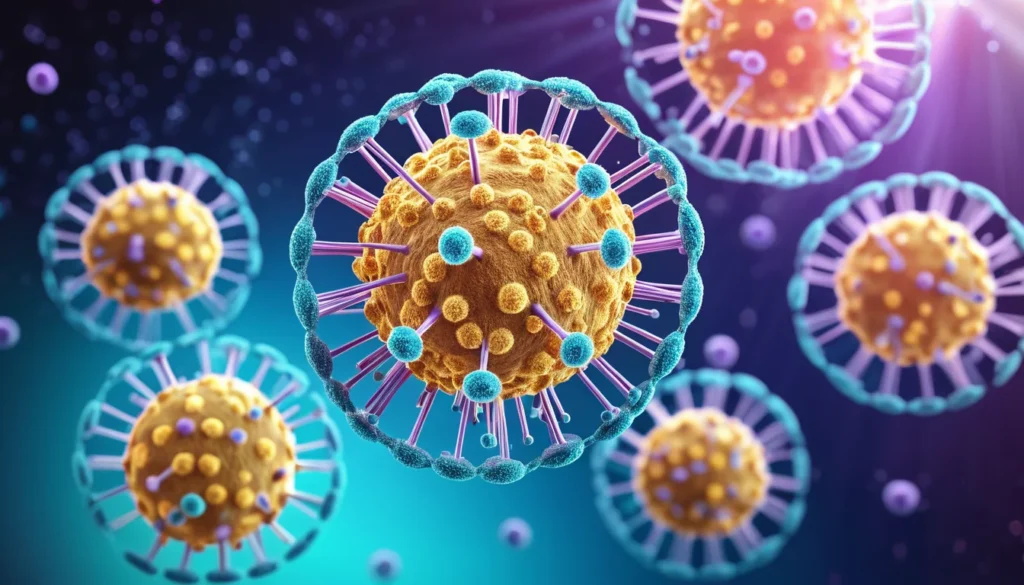
HIV is a virus that attacks the body’s immune system. Specifically, it destroys white blood cells called CD4 cells, also known as T4 lymphocytes. These cells are central to fighting off infections and illness.
When the number of CD4 cells drops below 200 per cubic millimetre of blood, a person is said to have AIDS. A healthy person typically has between 800 and 1,000 CD4 cells per cubic millimetre. This sharp decline leaves the body almost defenceless against infections that a healthy immune system would normally handle easily.
There are two types of the virus: HIV-1 and HIV-2. HIV-1 is the most common form worldwide. HIV-2 is found mainly in West Africa and is less easily transmitted. Both types can lead to AIDS if left untreated. You can learn more from the World Health Organization’s HIV and AIDS fact sheet.
HIV Positive vs. AIDS: What Is the Difference?
Many people confuse being HIV positive with having AIDS. However, these are not the same thing. A person who tests HIV positive carries the virus in their blood. Their immune system may still be functioning well enough that they show no symptoms at all.
Being HIV positive means the person’s blood contains antibodies against the virus. This confirms infection. However, it does not automatically mean the person has AIDS. In fact, with modern treatment, many HIV positive people never develop AIDS.
AIDS is the late, severe stage of HIV infection. It is diagnosed when the immune system has been severely weakened, allowing serious, life-threatening illnesses to take hold. These are called opportunistic infections, because they take advantage of a weakened immune system.
How HIV Spreads
HIV and AIDS cannot spread through casual contact. You cannot get HIV from hugging someone, sharing food, or using the same toilet. The virus spreads in three main ways.
Sexual Transmission
Sexual contact is the most common route of HIV transmission worldwide. The virus is present in semen, vaginal fluid, and rectal fluid. Any sexual activity that allows these fluids to enter the body can transmit HIV.
Some sexual practices carry a higher risk than others. Anal sex carries the highest risk, largely because the rectal lining is more fragile and can tear easily. Other sexually transmitted infections, especially those that cause sores or ulcers, also increase the risk of HIV transmission significantly. Using condoms correctly and consistently greatly reduces this risk.
In Canada, HIV transmission through sexual contact affects people of all orientations and backgrounds. Heterosexual transmission is increasing as a proportion of new cases. No one should assume they are not at risk based on their identity or relationship type.
Blood-to-Blood Transmission
Transmission through blood is highly efficient. The risk from a single exposure — such as sharing a needle — is estimated at around 90%. This is why people who inject drugs are at significant risk if they share needles or other equipment.
In the past, people with hemophilia and others who received blood transfusions were seriously affected by HIV. Today, Canada’s blood supply is carefully screened and tested. Health Canada regulates Canada’s blood supply to ensure it is as safe as possible.
In theory, HIV can also spread through unsterilised tattooing or acupuncture needles and razor blades. However, reputable studios in Canada follow strict sterilisation standards. It is always wise to ask about sterilisation practices before any procedure that breaks the skin.
Transmission from Parent to Child
A mother living with HIV can pass the virus to her baby during pregnancy, childbirth, or breastfeeding. This is called vertical transmission or mother-to-child transmission.
Studies in Canada and Europe show that fewer than 20% of babies born to HIV positive mothers who are not yet showing symptoms will be infected. However, without treatment, the risk rises considerably. With proper medical care and antiretroviral therapy during pregnancy, the risk of passing HIV to a baby can be reduced to less than 1%.
All babies born to HIV positive mothers will test positive at birth. This is because they carry their mother’s antibodies. If the baby is not actually infected, this result will clear by about 15 to 18 months of age. Doctors can test for the actual virus as early as three months of age using specialised techniques.
How Does HIV Affect the Body Over Time?
HIV is a slow-moving virus in most people. Without treatment, it typically takes around ten years for HIV infection to progress to AIDS. During this time, the person may feel entirely well and show no symptoms.
As CD4 cell counts drop, the immune system weakens. The body becomes less and less able to fight off common infections. Eventually, opportunistic infections — illnesses that a healthy immune system would easily control — begin to appear. These can include certain types of pneumonia, fungal infections, and some cancers.
In a smaller number of people — roughly 25% — the disease progresses much more rapidly, reaching AIDS in fewer than five years. Regular monitoring by a healthcare provider is essential to track immune system health and begin treatment at the right time.
HIV and AIDS in Canada
HIV and AIDS are ongoing public health concerns in Canada. People in all provinces and territories are affected. Certain communities, including Indigenous peoples, people who use drugs, and gay and bisexual men, continue to face higher rates of infection. However, HIV affects Canadians of every background.
If you think you may have been exposed to HIV, your provincial health plan covers HIV testing. Testing is available through your family doctor, many walk-in clinics, and sexual health centres across Canada. Some provinces also offer anonymous testing. Early testing means earlier treatment, which leads to much better health outcomes.
Modern antiretroviral therapy (ART) has transformed HIV from a fatal illness into a manageable, chronic condition for most people. People living with HIV who receive treatment and maintain an undetectable viral load cannot transmit the virus to sexual partners — a principle known as Undetectable = Untransmittable, or U=U. For more information, visit Mayo Clinic’s overview of HIV and AIDS.
When to See a Doctor
If you believe you have been exposed to HIV, do not wait. Contact your family doctor or visit a walk-in clinic as soon as possible. If you were exposed within the last 72 hours, ask about PEP — Post-Exposure Prophylaxis. This is a short course of medication that can prevent HIV infection if started quickly enough.
You should also speak with a healthcare provider if you have never been tested for HIV and are sexually active, if you are pregnant or planning a pregnancy, or if you use injectable drugs. Regular HIV testing is a normal and responsible part of healthcare in Canada.
Remember, HIV testing is nothing to be ashamed of. It is simply good health practice. Your family doctor or walk-in clinic can provide testing confidentially and without judgement. Many sexual health clinics across Canada also offer free, anonymous testing.
Frequently Asked Questions About HIV and AIDS
Can you get HIV from kissing or sharing food?
No, HIV and AIDS do not spread through saliva, tears, or casual everyday contact. You cannot get HIV from kissing, hugging, sharing dishes, or using the same toilet as someone who is HIV positive. The virus only spreads through blood, sexual fluids, or breast milk.
What is the difference between being HIV positive and having AIDS?
Being HIV positive means the virus is present in your blood, but your immune system may still be functioning well. HIV and AIDS are not the same — AIDS is the late stage of HIV infection, diagnosed when the immune system is severely damaged. With modern treatment, many HIV positive people never develop AIDS.
Is HIV testing covered by provincial health plans in Canada?
Yes, HIV testing is generally covered under provincial and territorial health plans across Canada. You can get tested through your family doctor, a walk-in clinic, or a sexual health centre. Some provinces also offer free, anonymous HIV testing at dedicated clinics.
Can a mother with HIV have a healthy baby?
Yes, with proper medical care, a mother living with HIV can have a baby with a very low risk of transmission. Antiretroviral treatment during pregnancy can reduce the chance of passing HIV to the baby to less than 1%. It is important to speak with your doctor as early as possible if you are pregnant and HIV positive.
What is PEP and how does it relate to HIV?
PEP stands for Post-Exposure Prophylaxis. It is a short course of HIV medication taken after a possible exposure to the virus. PEP must be started within 72 hours of exposure to be effective. If you think you may have been exposed to HIV, go to a walk-in clinic or emergency room right away and ask about PEP.
Can people with HIV live a normal life in Canada?
Yes, with modern antiretroviral therapy, most people living with HIV and AIDS in Canada can expect a near-normal life expectancy. Treatment keeps the virus at undetectable levels, which protects both the person’s health and prevents transmission to partners. Early diagnosis and consistent treatment are the keys to a good outcome.
Key Takeaways
HIV and AIDS are not the same thing. HIV is the virus; AIDS is the late stage of infection when the immune system is severely weakened.
HIV spreads through blood, sexual fluids, and breast milk. It does not spread through casual contact, kissing, or sharing food.
Canada’s blood supply is safe. It is carefully screened and regulated by Health Canada.
HIV testing is covered under most provincial health plans and is available at family doctors, walk-in clinics, and sexual health centres.
Modern treatment works. People living with HIV who receive antiretroviral therapy can live long, healthy lives and cannot pass the virus to sexual partners when their viral load is undetectable.
If you may have been exposed to HIV in the last 72 hours, seek medical attention immediately and ask about PEP.
Always speak with your doctor or a qualified healthcare provider for personal medical advice about HIV and AIDS.
This article is for general information only. Please speak with your family doctor or a qualified healthcare provider for advice about your personal health situation.