Histamine is a natural chemical your body makes every day. It plays a key role in your immune system, your digestion, and even how your brain sends messages. Most of the time, histamine works quietly in the background. However, when levels get too high — or your body reacts to it too strongly — you can end up with symptoms ranging from a runny nose to a life-threatening allergic reaction. This article explains what histamine is, what it does, and when you should talk to your family doctor or visit a walk-in clinic.
What Is Histamine?
Histamine is a chemical compound made from an amino acid called histidine. Your body produces it naturally in many tissues, especially in immune cells called mast cells and basophils. It is also found in certain foods.
Once released, histamine travels to nearby cells and attaches to special docking sites called receptors. There are four main types of histamine receptors in the body, labelled H1, H2, H3, and H4. Each type controls different functions depending on where it sits in the body.
In addition, histamine is not only made by your own cells. Bacteria in your gut and certain foods also contain or trigger the release of histamine. This means your diet can directly affect your histamine levels.
How Histamine Works in the Body
Histamine acts as a chemical messenger, or mediator. It carries signals between cells and helps coordinate a wide range of body functions. Think of it as a built-in alarm system — useful when working properly, but disruptive when it misfires.
Histamine and Your Immune System
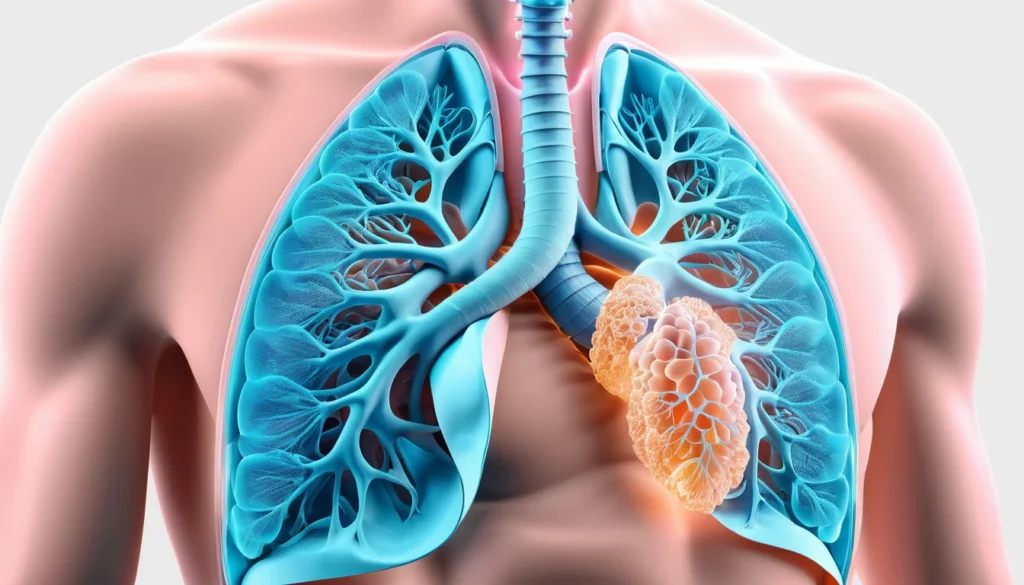
When your body detects something harmful — like a bee sting or a food allergen — mast cells release histamine quickly. This triggers the classic signs of an allergic reaction: redness, swelling, itching, and increased mucus. These responses are actually your body trying to flush out or contain the threat.
However, when the immune system overreacts, this release becomes excessive. As a result, even harmless triggers like pollen or pet dander can set off a strong response. This is what happens in conditions like hay fever, hives, and asthma.
Histamine and Digestion
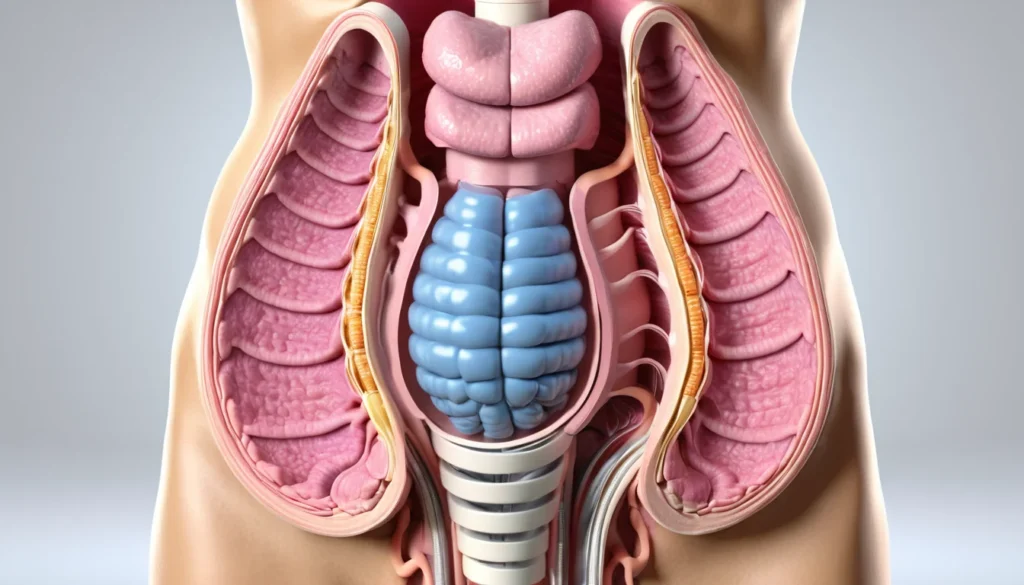
In your stomach, histamine binds to H2 receptors and signals the stomach lining to produce acid. This acid is essential for breaking down food and killing harmful bacteria. Therefore, histamine plays a direct role in healthy digestion.
Certain medications called H2 blockers — such as famotidine (Pepcid) — work by blocking these receptors. Doctors often prescribe them for heartburn, acid reflux, and stomach ulcers. These are widely available in Canada, both by prescription and over the counter.
Histamine and the Brain
Histamine also works as a neurotransmitter — a chemical that carries messages between nerve cells in the brain. H3 receptors in the brain help control your sleep-wake cycle, appetite, and memory. This is why some older antihistamines cause drowsiness. They cross into the brain and block histamine activity there.
Furthermore, researchers are studying histamine’s role in neurological conditions. Some early findings suggest links to conditions like Alzheimer’s disease and schizophrenia, though more research is needed.
Histamine and Blood Vessels
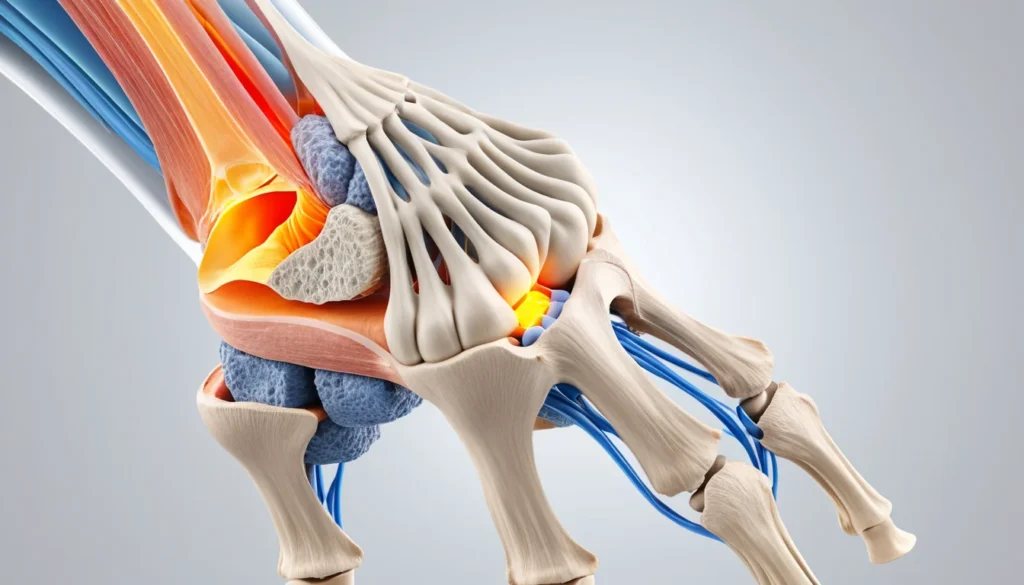
One of histamine’s most immediate effects is vasodilation — the widening of blood vessels. This increases blood flow to an injured or infected area, which is why a bug bite or skin reaction turns red and feels warm. It also causes blood vessel walls to become more permeable, allowing immune cells to reach the affected tissue faster.
In severe cases, widespread vasodilation caused by a massive histamine release can lead to a dangerous drop in blood pressure. This is what happens during anaphylaxis, a life-threatening emergency that requires immediate medical attention.
Histamine and Allergic Reactions
Histamine is at the centre of most allergic reactions. When your immune system mistakenly identifies a harmless substance as a threat, it triggers a chain reaction. Mast cells burst open and flood the surrounding tissue with histamine. The result is the familiar cluster of allergy symptoms.
Common allergy triggers in Canada include:
Tree, grass, and weed pollen
Dust mites and mould
Pet dander from cats and dogs
Insect stings
Foods such as peanuts, tree nuts, shellfish, and dairy
Certain medications, including penicillin
Allergy season affects millions of Canadians each year. According to Health Canada, allergic diseases are among the most common chronic health conditions in the country. Managing your exposure to triggers — and using the right medications — makes a real difference in quality of life.
What Is Histamine Intolerance?
Some people have difficulty breaking down histamine after it enters the body through food. This is called histamine intolerance. It is not a true allergy, but it causes similar symptoms because histamine builds up to levels the body cannot handle.
Your body normally uses an enzyme called diamine oxidase (DAO) to break down histamine from food. If your DAO levels are low — due to genetics, gut inflammation, or certain medications — histamine accumulates. As a result, even moderate amounts of histamine-rich foods can trigger symptoms.
Common Symptoms of Histamine Intolerance
Symptoms of histamine intolerance can affect many parts of the body. They often appear shortly after eating certain foods. Common symptoms include:
Headaches or migraines
Skin flushing, hives, or itching
Runny or stuffy nose
Digestive problems such as bloating, cramping, or diarrhea
Heart palpitations
Fatigue or brain fog
Low blood pressure or dizziness
These symptoms overlap with many other conditions, which is why histamine intolerance is often misdiagnosed. If you notice a pattern of symptoms after eating certain foods, keep a food diary and speak with your family doctor.
High-Histamine Foods to Be Aware Of
Certain foods are naturally high in histamine or trigger its release. Foods to watch include:
Aged cheeses (cheddar, gouda, brie)
Cured and smoked meats
Fermented foods like sauerkraut, kimchi, and kombucha
Alcohol, especially red wine and beer
Vinegar and pickled products
Canned fish such as tuna and sardines
Tomatoes, spinach, and avocados
Chocolate and cocoa
A low-histamine diet may help reduce symptoms for people with histamine intolerance. However, always work with a registered dietitian or your doctor before making major dietary changes. According to Healthline’s guide on histamine intolerance, elimination diets require careful planning to ensure you still get the nutrients you need.
Antihistamines: How They Help
Antihistamines are medications that block histamine receptors, stopping histamine from triggering symptoms. They are among the most commonly used medications in Canada. You can find many antihistamines at any pharmacy without a prescription.
There are two main generations of antihistamines:
First-Generation Antihistamines
These older antihistamines — such as diphenhydramine (Benadryl) — work quickly and are effective. However, they cross the blood-brain barrier, which causes drowsiness as a side effect. They are sometimes used as sleep aids for this reason.
First-generation antihistamines are not recommended for older adults, as they can increase the risk of falls and confusion. Always read the label carefully and speak with your pharmacist if you are unsure.
Second-Generation Antihistamines
Newer antihistamines — such as loratadine (Claritin) and cetirizine (Reactine) — are less likely to cause drowsiness. They are the preferred choice for managing everyday allergy symptoms in most Canadians. These medications are widely available across all provinces without a prescription.
For severe allergic reactions, prescription-strength antihistamines or corticosteroids may be needed. Your family doctor can guide you on the best option for your situation. As the Mayo Clinic explains in their allergy treatment guide, the right medication depends on the type and severity of your allergy.
Anaphylaxis: A Medical Emergency
In rare but serious cases, histamine triggers a severe whole-body reaction called anaphylaxis. This is a medical emergency. It can happen within minutes of exposure to an allergen.
Signs of anaphylaxis include:
Sudden drop in blood pressure
Swelling of the throat or tongue
Difficulty breathing or wheezing
Rapid or weak pulse
Loss of consciousness
Severe hives or skin reactions
If you or someone nearby shows these signs, call 911 immediately. Epinephrine (adrenaline) — delivered by an auto-injector like an EpiPen — is the first-line treatment. Canadians with known severe allergies are typically prescribed an EpiPen through their provincial health plan. Carry it with you at all times and make sure those around you know how to use it.
When to See a Doctor
You do not need to visit a hospital for every allergy symptom. However, some situations call for professional medical advice. Talk to your family doctor or visit a walk-in clinic if:
Your allergy symptoms are frequent or getting worse
Over-the-counter antihistamines are not controlling your symptoms
You suspect you have histamine intolerance
You experience digestive problems, skin reactions, or headaches regularly after eating
You have never been formally diagnosed with an allergy but suspect you have one
Your family doctor can refer you to an allergist for skin-prick testing or blood tests. Allergy testing helps identify your specific triggers. Most provincial health plans in Canada cover allergy testing when referred by a physician.
If you experience sudden or severe symptoms — including throat swelling, difficulty breathing, or a rapid drop in blood pressure — call 911 right away. Do not wait. This is a medical emergency.
Please note: This article is for general information only. Always speak with your doctor or a qualified healthcare provider before changing your medications, diet, or treatment plan.
Frequently Asked Questions About Histamine
What does histamine do in the body?
Histamine acts as a chemical messenger that controls several important functions. It helps regulate stomach acid, sends signals in the brain, widens blood vessels, and triggers immune responses. When histamine is released in excess, it causes the symptoms we associate with allergies and inflammation.
What are the signs of high histamine levels?
High histamine levels can cause symptoms such as headaches, skin flushing, hives, nasal congestion, digestive upset, and fatigue. In severe cases, a massive histamine release can lead to anaphylaxis. If you regularly experience these symptoms, speak with your family doctor to find the cause.
What foods are high in histamine?
Foods high in histamine include aged cheeses, cured meats, fermented foods, alcohol, canned fish, tomatoes, and chocolate. These foods can trigger symptoms in people with histamine intolerance. Keeping a food diary can help you identify which foods affect you the most.
How is histamine intolerance diagnosed?
Histamine intolerance is diagnosed based on your symptoms and how they relate to your diet. Your doctor may recommend a low-histamine elimination diet followed by gradual reintroduction of foods to identify your triggers. Blood tests measuring DAO enzyme levels can also provide supporting information.
Do antihistamines lower histamine levels in the body?
Antihistamines do not lower the amount of histamine in your body. Instead, they block histamine receptors so that histamine cannot attach and trigger symptoms. This is why antihistamines are effective at relieving allergy symptoms even though histamine is still present.
Can histamine cause anxiety or affect mood?
Histamine acts as a neurotransmitter in the brain and can influence mood, alertness, and sleep. Some research suggests that imbalances in histamine activity in the brain may contribute to anxiety and mood changes. If you are concerned about how histamine may be affecting your mental health, speak with your family doctor for a proper assessment.
Key Takeaways
Histamine is a natural chemical made from the amino acid histidine. It acts as a messenger in the body. It plays important roles in immune responses, digestion, brain function, and blood vessel control. Histamine is central to allergic reactions, causing symptoms like itching, swelling, and congestion. Histamine intolerance occurs when the body cannot break down histamine from food fast enough, leading to a range of uncomfortable symptoms. Antihistamines block histamine receptors and are widely available in Canada without a prescription for everyday allergy relief. Anaphylaxis is a life-threatening reaction involving massive histamine release. Call 911 immediately if you suspect anaphyl