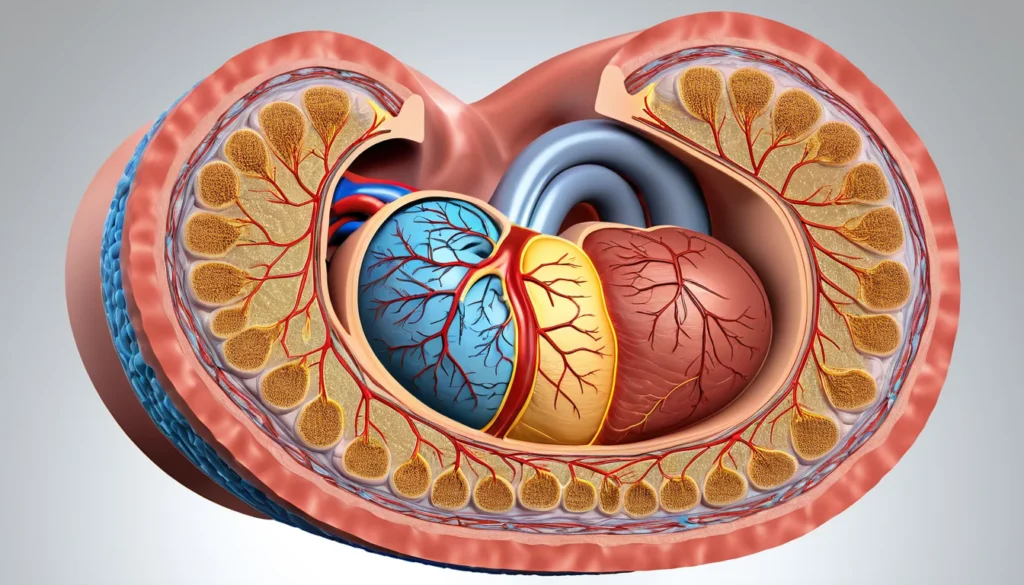
High cholesterol is one of the most common — and most preventable — risk factors for heart disease in Canada. It affects millions of Canadians, and many don’t even know they have it. This article explains what high cholesterol is, what causes it, and what you can do to protect your heart health.
What Is High Cholesterol?
Cholesterol is a waxy, fat-like substance that your liver naturally produces. Your body actually needs cholesterol to function properly. It helps build cells, produce hormones, and support digestion.
However, when cholesterol levels in your blood rise too high, the risk of serious health problems increases. Extra cholesterol can build up in the walls of your arteries. Over time, this buildup narrows the arteries and raises your risk of heart attack and stroke.
Doctors refer to this condition as hypercholesterolemia. In plain terms, it simply means having too much cholesterol in your blood. According to Health Canada, cardiovascular disease remains one of the leading causes of death in Canada — and high cholesterol is a major contributing factor.
Understanding LDL and HDL Cholesterol
Not all cholesterol is the same. There are two main types that your doctor will measure. Understanding both types helps you make sense of your test results.
LDL Cholesterol: The “Bad” Kind
LDL stands for low-density lipoprotein. People often call it “bad” cholesterol. When LDL levels are too high, it sticks to the inside walls of your arteries and forms plaques. These plaques make arteries narrow and stiff, which puts strain on your heart.
HDL Cholesterol: The “Good” Kind
HDL stands for high-density lipoprotein. This is the “good” cholesterol. HDL carries excess cholesterol away from your arteries and back to your liver, where it gets broken down. Higher HDL levels are generally a sign of better heart health.
Your doctor will look at both numbers together, not just one. The ratio of LDL to HDL gives a clearer picture of your cardiovascular risk. The Mayo Clinic explains how cholesterol ratios affect heart risk in more detail.
Risk Factors You Cannot Control
Some factors that raise your risk of high cholesterol are simply part of who you are. You cannot change these, but knowing about them helps you and your doctor plan ahead.
Age
The risk of developing high cholesterol increases as you get older. Men over the age of 45 and women over the age of 55 face a higher risk. This is important to keep in mind when scheduling routine blood work with your family doctor.
Sex and Hormonal Changes
After menopause, women often see a rise in their LDL cholesterol levels. This shift happens because the protective effects of estrogen on cholesterol begin to decline. As a result, post-menopausal women should pay close attention to their cholesterol numbers.
Family History
Genetics play a significant role in your cholesterol levels. Your risk is higher if a close male relative (father or brother) had heart disease before age 55. It also rises if a close female relative (mother or sister) had heart disease before age 65.
This condition — known as familial hypercholesterolemia — can be passed down through families. If heart disease runs in your family, mention it to your doctor as soon as possible.
Risk Factors You Can Control
The good news is that many factors that raise high cholesterol are within your power to change. Making even small adjustments can have a meaningful impact on your heart health over time.
Diet and Saturated Fat
What you eat has a direct effect on your LDL cholesterol levels. Saturated fats — found in red meat, full-fat dairy products, and processed foods — raise LDL cholesterol. Furthermore, dietary cholesterol found in animal products like eggs and meat also contributes.
Choosing foods rich in soluble fibre can actively help lower LDL. These include oats, legumes, apples, and barley. In addition, healthy fats from sources like salmon, avocado, and nuts support better HDL levels.
Body Weight
Carrying extra weight — especially around the abdomen — tends to raise LDL cholesterol and lower HDL cholesterol. Even a modest weight loss of five to ten percent of your body weight can improve your cholesterol profile. Talk to your family doctor about a realistic weight management plan.
Physical Activity
Regular exercise is one of the most effective tools for managing high cholesterol. Physical activity raises HDL cholesterol and helps lower LDL cholesterol. It also supports healthy body weight, which further improves your numbers.
Canada’s physical activity guidelines recommend at least 150 minutes of moderate aerobic activity per week. That works out to about 30 minutes a day, five days a week. Activities like brisk walking, cycling, or swimming all count.
Smoking
Smoking lowers your HDL cholesterol — the protective kind. It also damages blood vessel walls, making it easier for LDL plaques to form. Quitting smoking improves your HDL levels and benefits your heart in many other ways as well.
Alcohol Consumption
Drinking too much alcohol can raise your overall cholesterol and triglyceride levels. If you do drink, Canadian health guidelines recommend moderation. Discuss your alcohol habits honestly with your doctor if you have concerns about your cholesterol.
Symptoms and Diagnosis
High cholesterol has no obvious symptoms. You cannot feel it, and there are no visible warning signs in the early stages. This is why it is sometimes called a “silent” condition.
The only way to know your cholesterol levels is through a blood test called a lipid panel or lipid profile. Your doctor draws a small sample of blood, usually after fasting for nine to twelve hours. The results show your LDL, HDL, total cholesterol, and triglyceride levels.
Most provincial health plans in Canada cover routine cholesterol testing. Adults should generally begin regular screening in their twenties or thirties, or earlier if there is a family history of heart disease. Check with your provincial health plan or family doctor to find out how often you should be tested. The World Health Organization provides global context on raised cholesterol and cardiovascular risk.
Treatment and Management Options
Managing high cholesterol usually involves a combination of lifestyle changes and, in some cases, medication. Your doctor will recommend a plan based on your specific cholesterol levels and overall cardiovascular risk.
Lifestyle Changes First
For many people, diet and exercise improvements are the first line of treatment. Reducing saturated fat intake, increasing fibre, losing excess weight, and staying active can all lower LDL cholesterol significantly. These changes benefit your overall health beyond just your cholesterol numbers.
Cholesterol-Lowering Medications
If lifestyle changes alone are not enough, your doctor may prescribe medication. The most commonly prescribed drugs are called statins. Statins work by reducing the amount of cholesterol your liver produces.
Other medications are also available, depending on your situation. Your doctor will weigh the benefits and any potential side effects before recommending a specific drug. Always take cholesterol medications exactly as prescribed and do not stop without speaking to your doctor first.
Monitoring Your Progress
Once you begin treatment — whether through lifestyle changes or medication — your doctor will schedule follow-up blood tests. These check whether your cholesterol levels are improving. Regular monitoring is an important part of long-term heart health management.
When to See a Doctor
Because high cholesterol causes no symptoms, you should not wait until you feel unwell to get tested. If you have not had a cholesterol check recently, book an appointment with your family doctor or visit a walk-in clinic near you.
You should speak to a doctor sooner rather than later if any of the following apply to you:
You have a family history of heart disease or high cholesterol
You are over 40 years old and have not been tested recently
You have diabetes, high blood pressure, or are overweight
You smoke or have recently quit smoking
You have gone through menopause
Most provincial health insurance plans cover lipid panel blood tests when ordered by a physician. Your family doctor is your best starting point. If you do not have a family doctor, a walk-in clinic can order the test and refer you for follow-up care if needed.
This article is for informational purposes only. Always consult a qualified healthcare provider for personal medical advice, diagnosis, or treatment related to high cholesterol or any other health condition.
Frequently Asked Questions About High Cholesterol
What are the warning signs of high cholesterol?
High cholesterol usually has no warning signs or symptoms. Most people discover they have high cholesterol only through a routine blood test. This is why regular screening with your family doctor is so important, even when you feel perfectly healthy.
What foods should I avoid if I have high cholesterol?
If you have high cholesterol, try to limit foods high in saturated and trans fats. These include fatty cuts of red meat, full-fat dairy products, fried foods, and many packaged snacks. Replacing these with fibre-rich foods, healthy fats, and lean proteins can help bring your LDL levels down.
Can high cholesterol be reversed with diet and exercise alone?
For some people, lifestyle changes such as improved diet and regular exercise can bring high cholesterol levels back into a healthy range. However, others — particularly those with a genetic predisposition — may also need medication. Your doctor can help you determine the right approach based on your individual results.
How often should Canadians get their cholesterol checked?
Most Canadian guidelines recommend that adults begin cholesterol screening between the ages of 20 and 40, depending on risk factors. After that, testing every one to five years is typical. If you have high cholesterol or other cardiovascular risk factors, your doctor may recommend more frequent testing.
Is high cholesterol covered under provincial health plans in Canada?
Yes, cholesterol blood tests are generally covered under provincial health insurance plans when ordered by a physician. Coverage for cholesterol-lowering medications varies by province and individual drug plan. Check with your provincial health authority or pharmacist to understand what your specific plan covers.
What is a healthy cholesterol level for adults?
Healthy cholesterol levels can vary depending on your overall health and risk factors. In general, lower LDL cholesterol and higher HDL cholesterol are associated with better heart health. Your doctor will interpret your specific numbers in the context of your full health picture and any other risk factors you may have.
Key Takeaways
High cholesterol has no symptoms — a blood test is the only way to detect it.
There are two main types: LDL (“bad”) cholesterol and HDL (“good”) cholesterol.
Risk factors include age, family history, diet, weight, physical inactivity, and smoking.
Some risk factors — like genetics and age — cannot be changed, but many can be managed.
Eating more fibre, exercising regularly, and reducing saturated fat can lower LDL levels.
Medication such as statins may be needed when lifestyle changes are not enough.
Most provincial health plans cover routine cholesterol testing — book an appointment with your family doctor or a walk-in clinic today.
The more risk factors you have, the more important it is to act early and monitor your heart health regularly.