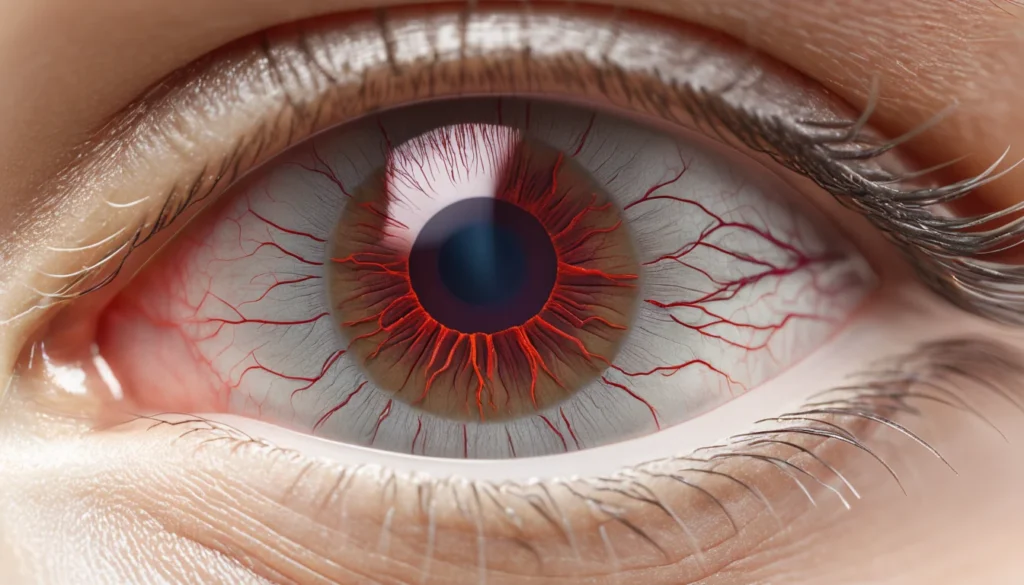
Most Canadians know that high blood pressure and vision problems are both serious health concerns — but fewer realize they are directly connected. High blood pressure, also called hypertension, can quietly damage the blood vessels in your eyes over time. This damage can lead to blurry vision, vision loss, and even blindness. Understanding this link is one of the most important steps you can take to protect your long-term eye health.
How High Blood Pressure Affects Your Eyes
Your eyes rely on a network of tiny blood vessels to function properly. These vessels deliver oxygen and nutrients to your retina — the light-sensitive layer at the back of your eye. Several arteries, including the ophthalmic artery and the central retinal artery, supply blood to the eye’s muscles and tissues.
When blood pressure stays high for a long time, these vessels narrow and stiffen. This process usually develops gradually, often without any noticeable symptoms. As a result, the retina and other eye structures can become damaged before you ever notice a change in your vision.
The constant stress of high pressure causes the vessel walls to thicken and weaken. Over time, this leads to bleeding, fluid leakage, and swelling inside the eye. According to Mayo Clinic’s overview of high blood pressure, uncontrolled hypertension damages organs throughout the body — and the eyes are no exception.
High Blood Pressure and Vision: Eye Conditions You Should Know
Hypertension is linked to several serious eye conditions. Some develop slowly over years. Others can cause sudden, severe vision loss. Here are the most important ones to understand.
Hypertensive Retinopathy
Hypertensive retinopathy is the most direct result of high blood pressure and vision damage. It occurs when high pressure damages the blood vessels at the back of the eye. These damaged vessels can bleed, leak fluid, or swell — all of which blur your vision.
In mild to moderate cases, most people have no symptoms at all. The condition is often discovered during a routine eye exam. However, if left untreated, it can lead to permanent vision loss. Swelling of the macula — the part of your eye responsible for sharp, detailed vision — is one of the most serious complications.
Glaucoma
Glaucoma is another eye condition closely linked to high blood pressure. In most cases, excess fluid builds up inside the eye, raising the pressure within it. This increased pressure slowly damages the optic nerve, which carries visual signals from your eye to your brain.
Glaucoma is one of the leading causes of blindness in Canadians over 60. It can affect people at any age, but the risk rises significantly as you get older. What makes glaucoma especially dangerous is that it rarely causes pain or obvious symptoms early on. By the time you notice peripheral vision loss, the condition may already be advanced.
Choroidopathy
Choroidopathy happens when fluid builds up beneath the retina. This leakage comes from layers under the retina, including the retinal pigment epithelium and the choroid. The trapped fluid distorts and blurs central vision.
In some cases, choroidopathy can cause scarring inside the eye. This scarring may lead to lasting damage even after the fluid is treated. High blood pressure is a known contributing factor to this condition.
Optic Neuropathy
High blood pressure can also cause optic neuropathy. This condition develops when blood flow to the optic nerve becomes blocked or severely reduced. Without adequate blood supply, nerve cells begin to die. This can cause bleeding inside the eye and significant vision loss.
Optic neuropathy often develops slowly and without obvious warning signs. However, if it goes untreated, it can result in complete vision loss. People with diabetes face a particularly high risk, since diabetes and high blood pressure often occur together.
Why High Blood Pressure Often Goes Unnoticed
Hypertension is sometimes called the “silent killer” because it typically causes no symptoms. You can have dangerously high blood pressure for years without feeling unwell. This is exactly why regular monitoring matters so much.
Health Canada recommends regular blood pressure checks as part of preventive health care. Many pharmacies across Canada offer free blood pressure readings. Your family doctor can also check it at any routine visit.
Home blood pressure monitors are widely available and easy to use. They allow you to track your readings between appointments. If your numbers consistently read above 130/80 mmHg, speak with a healthcare provider as soon as possible.
How to Protect Your Vision and Control Blood Pressure
The good news is that healthy lifestyle changes can make a significant difference. Managing your blood pressure well is one of the most effective ways to protect your vision long-term. Here are practical steps that can help.
Reduce Your Salt Intake
Eating too much salt causes your body to retain water, which raises blood pressure. Aim to consume less than 2,300 milligrams of sodium per day. This is the amount recommended for healthy adults by major health authorities.
Keep in mind that more than 70% of the sodium in a typical Canadian diet comes from processed and packaged foods — not from the salt shaker. Reading nutrition labels carefully is one of the easiest ways to cut back. Choose low-sodium options whenever possible.
Increase Your Calcium and Potassium Intake
Some research suggests that calcium and potassium help regulate blood pressure. Foods like leafy greens, dairy products, beans, and bananas are good sources of both. A balanced diet rich in these nutrients supports healthy blood vessel function throughout your body, including in your eyes.
Exercise Regularly
Physical activity strengthens your heart and helps keep blood pressure in a healthy range. Aim for at least 150 minutes of moderate exercise per week. Walking, cycling, and swimming are all excellent, low-impact options for most Canadians.
Maintain a Healthy Weight
Obesity significantly increases the risk of developing high blood pressure. Losing even a modest amount of weight can lower your blood pressure noticeably. Talk to your family doctor about a realistic, sustainable plan that works for your lifestyle.
Limit Alcohol and Avoid Smoking
Both alcohol and tobacco raise blood pressure and damage blood vessels. Smoking in particular accelerates the narrowing of vessels in the eyes. Cutting back — or quitting — is one of the most impactful changes you can make for both your heart and your vision.
For more detailed guidance on lifestyle changes, Healthline’s guide to lowering blood pressure naturally offers evidence-based tips.
When to See a Doctor
If you have been diagnosed with high blood pressure, schedule a comprehensive eye exam at least once a year. An optometrist or ophthalmologist can detect early signs of damage that you may not notice yourself. Catching these changes early gives you the best chance of protecting your vision.
You should also see your family doctor or visit a walk-in clinic promptly if you experience any of the following symptoms:
Sudden blurry or distorted vision
Seeing spots, floaters, or flashes of light
Loss of peripheral (side) vision
Headaches combined with visual changes
Double vision
These symptoms may indicate a serious problem that needs immediate attention. Do not wait for a scheduled appointment if your vision changes suddenly. Most provincial health plans in Canada cover visits to your family doctor and many specialist referrals — so do not hesitate to reach out to your healthcare provider.
Remember, this article is for general information only. Always consult your doctor or a qualified healthcare professional for advice specific to your health situation.
Frequently Asked Questions
Can high blood pressure cause permanent vision loss?
Yes, the connection between high blood pressure and vision loss is well established. If hypertension goes uncontrolled for a long time, it can permanently damage the blood vessels in your eyes. Conditions like hypertensive retinopathy and glaucoma can lead to irreversible blindness if not caught and treated early.
What does high blood pressure vision damage feel like?
In many cases, early high blood pressure and vision damage causes no noticeable symptoms at all. When symptoms do appear, they may include blurry vision, seeing spots or floaters, distorted central vision, or loss of side vision. Any sudden change in vision should be assessed by a doctor right away.
How often should I get an eye exam if I have high blood pressure?
If you have high blood pressure, most eye care professionals recommend a comprehensive eye exam at least once a year. Your eye doctor can detect subtle signs of damage caused by hypertension before your vision is seriously affected. Early detection is key to preserving your sight.
Can lowering blood pressure improve your vision?
In some cases, getting high blood pressure under control can slow or stop further eye damage. However, vision that has already been lost due to nerve or retinal damage may not fully recover. This is why managing high blood pressure and vision health together — proactively — is so important.
Is glaucoma always caused by high blood pressure?
Not always, but high blood pressure is a significant risk factor for glaucoma. Glaucoma is caused by increased pressure inside the eye, which damages the optic nerve over time. While systemic high blood pressure can contribute to this, other factors like age, family history, and certain medical conditions also play a role.
Does high blood pressure affect both eyes at the same time?
Yes, because high blood pressure affects the blood vessels throughout your entire body, both eyes are typically at risk. The damage from high blood pressure and vision problems usually develops in both eyes, though one eye may show signs earlier than the other. A thorough eye exam will assess both eyes carefully.
Key Takeaways
High blood pressure and vision damage are directly linked. Hypertension narrows and weakens the blood vessels in your eyes over time.
Several serious eye conditions are caused or worsened by high blood pressure, including hypertensive retinopathy, glaucoma, choroidopathy, and optic neuropathy.
Most early damage causes no symptoms. Regular eye exams and blood pressure monitoring are essential for catching problems early.
Healthy lifestyle changes help protect both your blood pressure and your vision. Reducing salt, exercising regularly, and maintaining a healthy weight all make a real difference.
See your family doctor or a walk-in clinic if you notice any sudden changes in your vision, especially if you have a history of high blood pressure.
Consult your doctor before making significant changes to your diet, exercise routine, or medications.