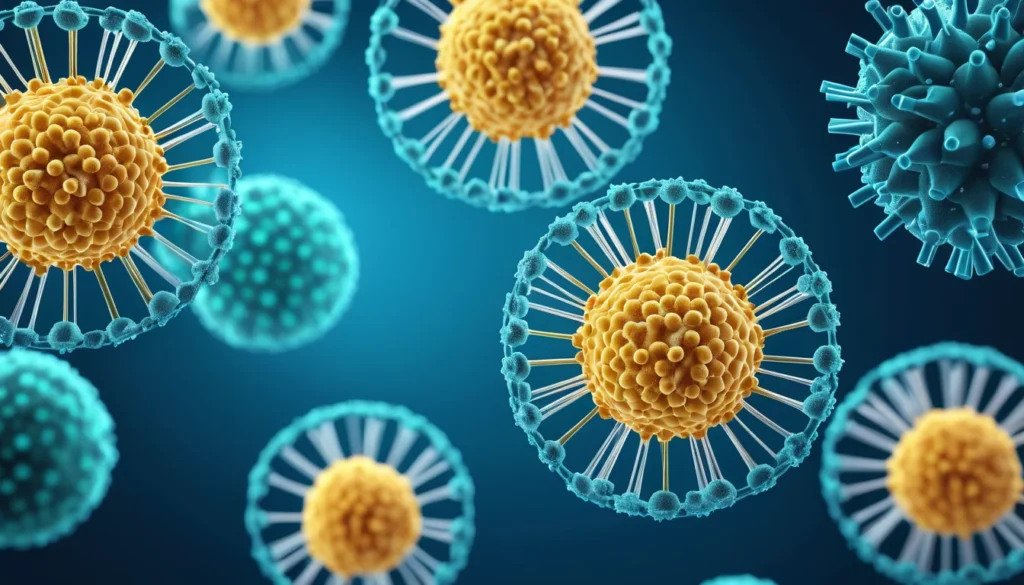
The herpes simplex virus is one of the most common viral infections in the world. It affects millions of Canadians and comes in two main forms: HSV-1 and HSV-2. Most people who carry the virus never know it. However, understanding the signs and how it spreads can help you protect yourself and others.
What Is the Herpes Simplex Virus?
The herpes simplex virus is a highly adaptable virus that lives in the human body for life. There are two types: HSV-1 and HSV-2. Both types are closely related but behave differently in the body.
HSV-1 is traditionally linked to oral infections, such as cold sores around the mouth. HSV-2 is traditionally linked to genital infections. However, either type can infect either location. In fact, HSV-1 now causes a growing number of genital infections in some groups.
According to the World Health Organization, HSV-1 affects an estimated 3.7 billion people under age 50 globally. This makes it an important public health concern in Canada and around the world.
HSV-1 vs. HSV-2: Key Differences
Both types of the herpes simplex virus share some core features. However, they differ in how they behave, where they appear, and how often they come back.
How the Virus Behaves in the Body
Once HSV enters your body, it travels to nearby nerve cells and stays there permanently. This is called latency. The virus can “wake up” later — a process called reactivation — and cause symptoms again.
Three key biological traits define how herpes simplex virus works:
Neurovirulence: The virus can invade and replicate inside your nervous system.
Latency: The virus hides in nerve cell clusters (ganglia) near the original infection site. For oral HSV, this is typically the trigeminal ganglion. For genital HSV, it is the sacral nerve root ganglia.
Reactivation: Triggers such as fever, stress, sunlight, physical trauma, or menstruation can cause the virus to reactivate and produce new sores.
HSV-1 reactivates more often in the mouth area. HSV-2 reactivates 8 to 10 times more frequently in the genital area. Reactivation is more frequent and more severe in people with weakened immune systems.
Who Is Most Affected?
HSV-2 is more common in women (about 25%) than in men (about 17%). HSV-1 infections are common in young children, often passed through saliva from adults or other children.
HSV-2 infections usually begin around the time a person becomes sexually active. Genital HSV-2 infections in young children may raise concerns that warrant medical and social follow-up. The number of lifetime sexual partners is also linked to a higher chance of carrying HSV-2.
How Does Herpes Simplex Virus Spread?
The herpes simplex virus spreads through close personal contact. It enters the body through mucous membranes — such as those in the mouth, genitals, or eyes — or through tiny breaks in the skin.
Humans are the only natural carriers. No insects or animals pass the virus along. The virus does not survive long outside the body. It is easily destroyed at room temperature and by drying.
Up to 80% of people infected with herpes simplex virus have no symptoms at all. This means the virus can spread even when a person looks and feels completely healthy. This is called asymptomatic shedding.
For more detail on transmission, visit Healthline’s overview of herpes simplex.
Common Symptoms and Types of Herpes Infections
When symptoms do appear, they vary depending on the type of herpes simplex virus, where the infection is located, and your overall health. First-time (primary) infections tend to be more severe. Recurring infections are usually milder and shorter.
Acute Herpetic Gingivostomatitis (Mouth Sores in Children)
This is a common first-time HSV-1 infection in children between 6 months and 5 years of age. Adults can get it too, though it is usually less severe in adults and more often linked to throat infection.
Symptoms include:
Sudden onset of high fever
Loss of appetite
Swollen, red, and tender gums (gingivitis)
Fluid-filled blisters on the inner cheeks, tongue, and lips that break open and form painful sores
Swollen lymph nodes in the neck
Sores on the skin around the mouth from contact with infected saliva
This condition typically lasts 5 to 7 days. Full recovery usually takes about 2 weeks. However, the virus can continue to shed in saliva for 3 weeks or more.
Acute Herpetic Pharyngotonsillitis (Throat Infection)
In adults, HSV-1 more commonly causes a throat and tonsil infection rather than mouth sores. HSV-2 can also cause similar symptoms, especially after oral-genital contact.
Symptoms include:
Fever and general tiredness
Headache and sore throat
Blisters on the tonsils and back of the throat that break open and leave greyish sores
Mouth and lip sores appear in fewer than 10% of cases
Cold Sores (Herpes Labialis)
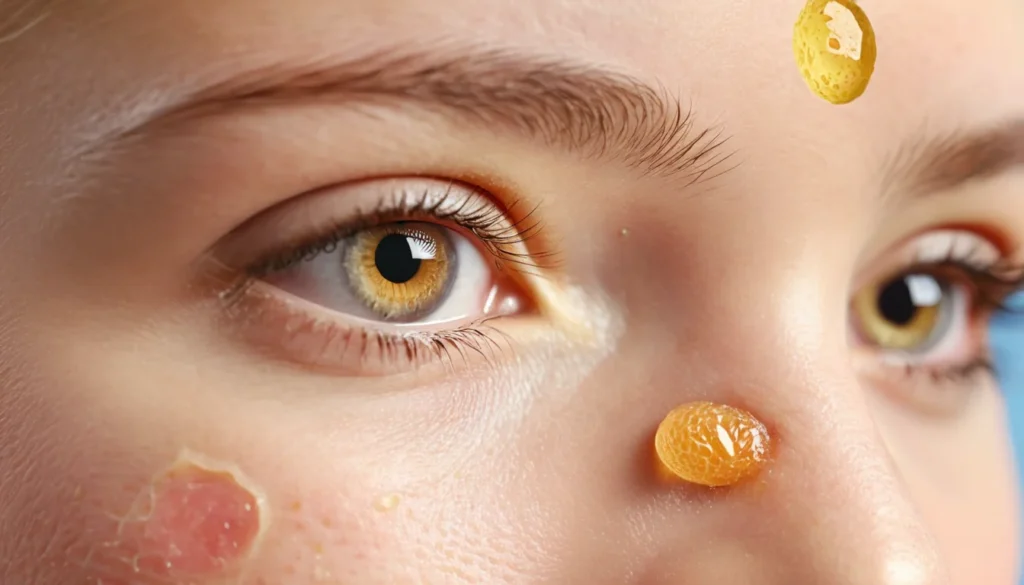
Cold sores are the most recognisable sign of herpes simplex virus infection. They appear as small fluid-filled blisters on or around the lips. These blisters burst, crust over, and heal within 7 to 10 days.
Cold sores are caused by HSV-1 in most cases. They often return in the same spot, triggered by sunlight, stress, illness, or fatigue. Many Canadians experience one or more cold sore outbreaks every year.
Genital Herpes
Genital herpes is most often caused by HSV-2, though HSV-1 is responsible for an increasing number of cases. It spreads through sexual contact, including oral, vaginal, and anal sex.
Symptoms of a first outbreak may include:
Painful blisters or open sores on the genitals, buttocks, or thighs
Burning or itching in the affected area
Flu-like symptoms such as fever, body aches, and swollen glands
Painful urination
Recurring outbreaks are usually shorter and less painful than the first episode.
Who Is at Higher Risk of Complications?
For most healthy Canadians, a herpes simplex virus infection is uncomfortable but manageable. However, some people face more serious risks.
Cell-mediated immunity — your body’s targeted defence system — plays a key role in keeping HSV under control. People with weakened immune systems are more vulnerable to severe or widespread infection. This includes:
Organ transplant recipients taking immunosuppressive medications
People living with HIV/AIDS
People with severe burns or extensive skin conditions, such as atopic dermatitis (eczema)
Newborns exposed to HSV during birth (neonatal herpes)
In these groups, herpes simplex virus can spread to internal organs and become life-threatening. Early treatment is essential.
When to See a Doctor
If you think you may have a herpes simplex virus infection, speak with your family doctor or visit a walk-in clinic. Early diagnosis helps you manage symptoms sooner and reduces the risk of passing the virus to others.
You should seek prompt medical attention if:
You have your first outbreak of sores and are unsure of the cause
Sores are severe, widespread, or not healing
You have a weakened immune system
You are pregnant or planning to become pregnant
A newborn or young infant shows signs of infection
You have sores near your eyes
Your family doctor or walk-in clinic can confirm the diagnosis, discuss antiviral treatment options, and provide guidance on reducing transmission. Provincial health plans across Canada generally cover the cost of visiting a family doctor or walk-in clinic for these concerns. Health Canada also offers public health resources on sexually transmitted infections.
Always consult a qualified healthcare provider before starting any treatment. The information in this article is for general educational purposes only and does not replace professional medical advice.
Frequently Asked Questions About Herpes Simplex Virus
Can you have herpes simplex virus and not know it?
Yes. Up to 80% of people with the herpes simplex virus have no symptoms at all. This means many Canadians carry the virus without ever knowing it. The virus can still spread to others even when no sores are visible.
Is herpes simplex virus the same as genital herpes?
Not exactly. Herpes simplex virus is the name of the virus family. Genital herpes is a specific infection caused most often by HSV-2. However, HSV-1 — which usually causes cold sores — can also cause genital herpes through oral-genital contact.
What triggers a herpes simplex virus outbreak?
Common triggers include stress, fatigue, illness, fever, sun exposure, and hormonal changes such as menstruation. Once the herpes simplex virus is in your body, it can reactivate when your immune system is under pressure. Managing these triggers can help reduce the frequency of outbreaks.
Can herpes simplex virus be cured?
There is currently no cure for herpes simplex virus. However, antiviral medications can reduce the severity and frequency of outbreaks. Your doctor can discuss daily suppressive therapy or treatment taken at the start of an outbreak.
How is herpes simplex virus diagnosed?
A doctor can often diagnose herpes simplex virus by examining the sores. Lab tests, including swabs from an active sore or blood tests for antibodies, can confirm the diagnosis. Visit your family doctor or a walk-in clinic if you suspect an infection.
Can children get herpes simplex virus?
Yes. HSV-1 is common in young children and is often spread through saliva — for example, through a kiss from an adult with a cold sore. Genital HSV-2 infections in children are uncommon and should always be evaluated by a doctor.
Key Takeaways
The herpes simplex virus comes in two types: HSV-1 (usually oral) and HSV-2 (usually genital), though either can infect either area.
Most people with HSV have no symptoms, making it easy to spread unknowingly.
The virus stays in the body for life and can reactivate due to stress, illness, sun exposure, and other triggers.
First-time infections are usually more severe than recurring ones.
People with weakened immune systems face a higher risk of serious complications.
Antiviral medications can manage symptoms, but there is no cure.
If you have concerns, your family doctor or local walk-in clinic is your first and best resource.