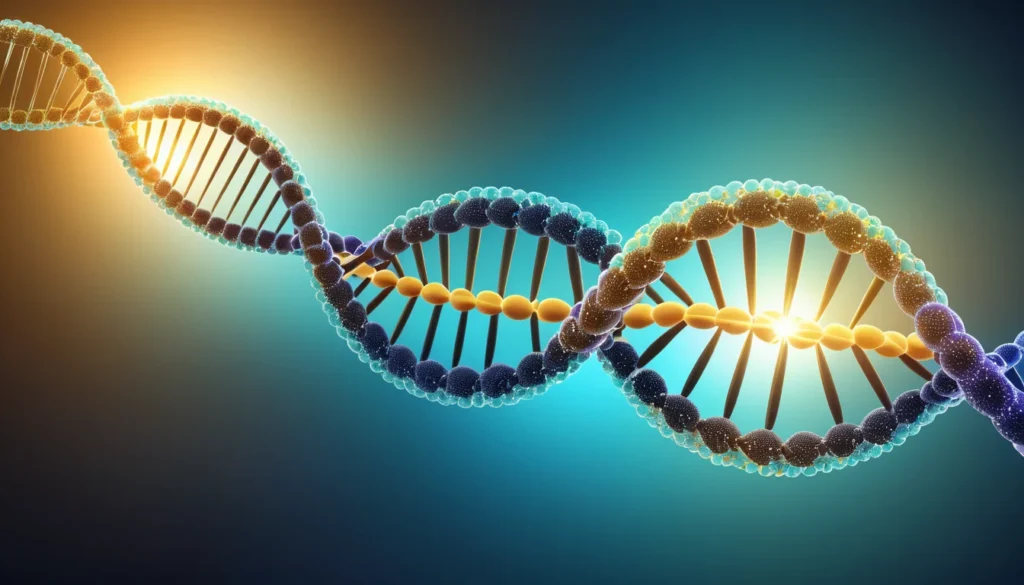
Your body is shaped by thousands of hereditary traits passed down from your parents and grandparents. These traits are individual characteristics encoded in your genes, and they travel from one generation to the next. Understanding how hereditary traits work can help you make smarter choices about your health. In this article, we explain the science in plain language and show you why your family history matters more than you might think.
What Are Hereditary Traits?
A hereditary trait is any characteristic that can be passed from a parent to a child through genes. Genes are tiny instructions stored inside almost every cell in your body. They decide everything from your eye colour to how your heart pumps blood.
Some traits are easy to see, such as hair colour, height, or skin tone. Others are invisible, such as blood type, immune system strength, or a tendency toward certain diseases. Both types are equally important to your overall health.
Scientists estimate that humans have between 20,000 and 25,000 genes. Each one plays a role in how your body looks, grows, and functions. However, genes do not work alone. Your environment and lifestyle also shape who you are.
How Hereditary Traits Are Passed Down
Every person inherits two copies of most genes, one from each biological parent. Sometimes one copy is stronger, or “dominant,” and it determines the visible trait. For example, the gene for brown eyes is dominant over the gene for blue eyes.
Other times, a trait only appears when a child inherits the same recessive gene from both parents. This is why two parents without a condition can still have a child who develops it. Genetics can be surprising, even for doctors.
In addition, some traits are linked to the X or Y chromosome. These are called sex-linked traits. Colour blindness, for instance, is far more common in men because of how the X chromosome carries that gene.
Dominant vs. Recessive Genes
Understanding dominant and recessive genes helps explain why traits skip generations. A recessive trait can hide for many years and then suddenly appear in a grandchild. This is completely normal and well understood by medical science.
Here is a simple breakdown:
Dominant traits appear even when only one copy of the gene is present.
Recessive traits only appear when both copies of the gene carry the same instruction.
Co-dominant traits show a blend of both genes, such as AB blood type.
The Role of Mutations
Sometimes genes change slightly, and these changes are called mutations. Some mutations are harmless. Others can increase the risk of health conditions such as certain cancers or heart disease.
Mutations can happen naturally, or they can be triggered by outside factors like radiation or certain chemicals. However, most mutations do not cause serious problems. Your body has many built-in repair systems to catch and fix errors.
Physical Hereditary Traits You Can See
The most familiar hereditary traits are the ones you can observe. These physical features are called phenotypic traits. They are the first thing most people think of when they hear the word genetics.
Common visible hereditary traits include:
Eye colour and shape
Hair colour and texture
Height and body frame
Skin tone
Ear shape and earlobe attachment
Dimples and facial features
These traits rarely affect your health directly. However, they remind us that our bodies carry a living record of our family history. Every feature tells a story going back many generations.
Hereditary Traits and Your Health Risks
This is where hereditary traits become truly important for your everyday health. Many serious medical conditions run in families. Knowing your family health history can help you and your doctor catch problems early.
Conditions that can have a strong hereditary component include:
Heart disease – A family history of heart attacks increases your own risk significantly.
Type 2 diabetes – Genetics play a major role, though lifestyle choices matter too.
Breast and ovarian cancer – Mutations in the BRCA1 and BRCA2 genes raise the risk considerably.
Colorectal cancer – Some families carry inherited syndromes that increase this risk.
High blood pressure – Tends to run in families and is a major risk factor for stroke.
Mental health conditions – Disorders such as depression and schizophrenia have a genetic component.
Therefore, telling your family doctor about relatives who have had these conditions is very important. Your doctor can recommend earlier screenings or lifestyle changes that may protect your health. Health Canada provides resources to help Canadians understand their health risks.
Genetics Are Not Your Destiny
Here is an encouraging truth: having a gene for a condition does not guarantee you will develop it. Many hereditary risks are strongly influenced by your daily habits and environment. This is called the gene-environment interaction.
For example, someone with a genetic tendency toward heart disease can greatly reduce their risk by eating well, exercising regularly, and not smoking. Your genes load the gun, but your lifestyle pulls the trigger, as researchers often say.
Furthermore, Canadian provincial health plans cover many preventive screenings that can catch hereditary conditions early. Ask your family doctor what screenings are available to you based on your personal and family history.
Genetic Testing in Canada
Genetic testing has become more widely available across Canada in recent years. These tests look at your DNA to identify specific gene variants linked to health conditions. They can be a powerful tool when used correctly.
In Canada, genetic testing is usually ordered by a doctor or a genetic counsellor. It is not something you typically arrange on your own. Provincial health plans may cover testing when there is a clear medical reason for it.
There are several types of genetic tests available:
Diagnostic testing – Confirms or rules out a suspected genetic condition.
Predictive testing – Identifies genes that may cause disease later in life.
Carrier testing – Shows whether you carry a gene that could be passed to your children.
Newborn screening – Done at birth across all Canadian provinces to detect serious conditions early.
As a result, genetic information can guide treatment decisions and lifestyle planning. However, it also raises personal and ethical questions. A genetic counsellor can help you understand your results and decide what steps to take next. The Mayo Clinic offers a detailed overview of genetic testing and what to expect.
Direct-to-Consumer Genetic Tests
You may have seen home DNA kits advertised online or in stores. These tests can tell you about ancestry and some health traits. However, they are not the same as medical-grade genetic testing.
These consumer kits do not always test for all relevant gene variants. They can also produce results that are difficult to interpret without professional guidance. If a home test raises concerns, bring the results to your family doctor or a walk-in clinic for a proper follow-up.
Building Your Family Health History
One of the most practical things you can do for your health is to build a clear family health history. This does not require any special equipment or tests. A few conversations with relatives can give you valuable information.
When gathering your family health history, try to collect information about:
Chronic conditions such as diabetes, heart disease, or cancer
Age at which relatives were diagnosed
Causes of death in close relatives
Any known genetic conditions in the family
Mental health conditions across generations
In addition, share this information with your family doctor. Many provincial electronic health record systems now allow doctors to store and use this information over time. It becomes a valuable part of your long-term care plan.
The World Health Organization recognizes family health history as a critical tool in preventing hereditary disease. Doctors across Canada use it every day to guide patient care.
When to See a Doctor About Hereditary Traits
You do not need to wait until something goes wrong to talk to a doctor about hereditary traits. In fact, being proactive is the best approach. Your family doctor is your first and best resource for this kind of conversation.
You should consider speaking to a doctor or a walk-in clinic if:
Multiple close relatives have had the same serious condition
A family member was diagnosed with cancer, heart disease, or diabetes at a young age
You are planning a pregnancy and want to understand your risk of passing on a condition
You have had a positive result on a consumer DNA test and are unsure what it means
You are concerned about a pattern of illness in your family
Your doctor may refer you to a genetic counsellor or specialist depending on what you share. Most provincial health plans cover referrals when there is a clear clinical reason. Do not hesitate to ask. Early conversations about hereditary health risks can lead to earlier detection and better outcomes.
Always consult a qualified healthcare provider before making any decisions based on genetic information. This article is for general information only and is not a substitute for professional medical advice.
Frequently Asked Questions About Hereditary Traits
What are examples of hereditary traits in humans?
Common examples of hereditary traits include eye colour, hair colour, blood type, height, and skin tone. Beyond physical features, hereditary traits also include predispositions to health conditions such as heart disease, type 2 diabetes, and certain cancers. These traits are passed from parents to children through genes.
Can hereditary traits be changed or prevented?
You cannot change the genes you are born with, but you can often reduce the health risks associated with hereditary traits through lifestyle changes. Eating a balanced diet, exercising regularly, not smoking, and managing stress all play a major role. Speak with your family doctor about which preventive steps make the most sense for your personal genetic background.
Is genetic testing covered by provincial health plans in Canada?
Genetic testing is covered by most provincial health plans when it is ordered by a doctor for a clear medical reason. Coverage varies by province, so it is best to check with your family doctor or provincial health authority. Consumer DNA kits purchased in stores are not the same as medically ordered genetic tests and are not covered.
How do I find out which hereditary traits run in my family?
The best way to learn about hereditary traits in your family is to talk with close relatives about their health history. Ask about chronic conditions, ages of diagnosis, and any known genetic conditions. Bring this information to your family doctor, who can help you understand what screenings or tests may be right for you.
Are mental health conditions considered hereditary traits?
Yes, many mental health conditions such as depression, bipolar disorder, and schizophrenia have a hereditary component. This means they can run in families, though having the genes does not guarantee you will develop the condition. Environmental factors and life experiences also play a significant role in whether these hereditary traits lead to illness.
What is the difference between inherited and acquired traits?
Hereditary traits are characteristics you are born with, passed down through your genes from your biological parents. Acquired traits, on the other hand, develop during your lifetime as a result of your environment, habits, or experiences. For example, your natural eye colour is hereditary, while a scar or a learned skill is acquired.
Key Takeaways
Hereditary traits are characteristics passed from parents to children through genes.
Traits can be physical, such as eye colour, or health-related, such as a risk for heart disease.
Dominant, recessive, and co-dominant genes all determine how traits appear across generations.
Having a hereditary risk does not mean illness is inevitable. Lifestyle choices make a big difference.
Genetic testing in Canada is available through doctors and genetic counsellors, and may be covered by your provincial health plan.
Building a family health history and sharing it with your family doctor is one of the most powerful steps you can take for your long-term health.
If you have concerns about hereditary traits in your family, speak with your family doctor or visit a walk-in clinic to get guidance.