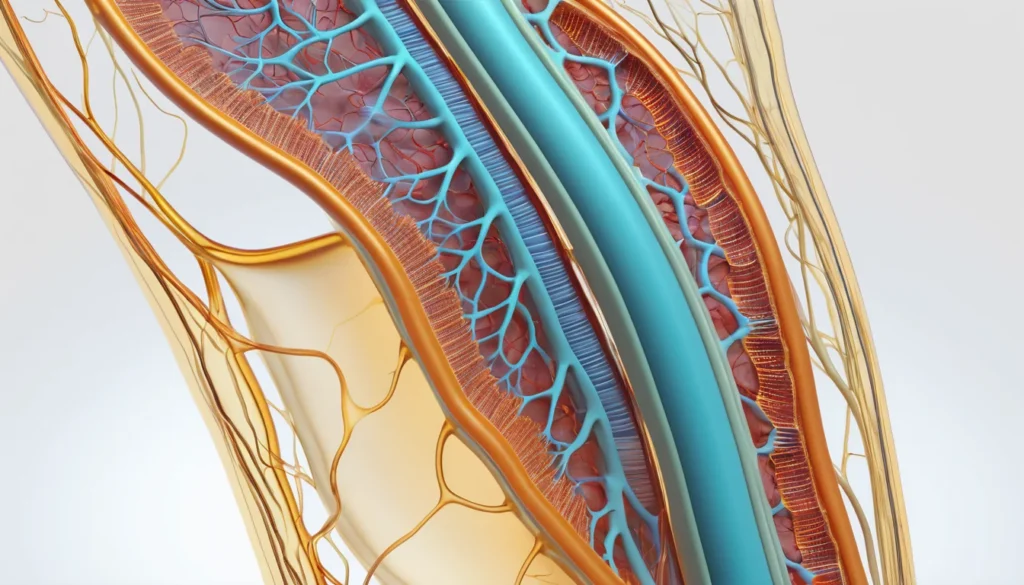
Hereditary thrombophilia is an inherited condition that makes your blood clot too easily. These abnormal clots can block blood flow to your organs and tissues, causing serious — sometimes life-threatening — events like deep vein thrombosis (DVT) or pulmonary embolism. In Canada, many people are unaware they carry a genetic clotting risk until a serious health event occurs. Understanding this condition can help you and your family doctor make informed decisions about your health.
How Blood Clotting Normally Works
In a healthy body, blood flows freely through your arteries and veins. When you injure a blood vessel, your body responds by forming a clot to stop the bleeding. This process is called haemostasis.
Once the bleeding stops, your body dissolves the clot through a process called fibrinolysis. This restores normal blood flow through the vessel. The whole system depends on a careful balance between clot-forming proteins and clot-dissolving proteins.
However, when this balance breaks down, clots can form at the wrong time and in the wrong place. These clots can partially or fully block a vessel, cutting off oxygen and nutrients to your tissues. In some cases, a clot can break apart and travel through the bloodstream, blocking smaller vessels elsewhere — a dangerous event called an embolism.
What Is Hereditary Thrombophilia?
Hereditary thrombophilia is a genetic condition that causes your blood to clot more than it should. It is passed down through families, which means you can inherit it from one or both parents. About 25% of people seeking medical care for recurring venous blood clots have some form of inherited clotting disorder.
The condition results from defects in specific proteins involved in coagulation (clotting) or anticoagulation (preventing clots). These defects are present from birth, though symptoms may not appear until adulthood. In addition, many people with hereditary thrombophilia never experience any symptoms at all.
Because the condition is inherited, family history plays a key role in identifying those at risk. If close relatives have had blood clots — especially at a young age — it is worth discussing genetic testing with your family doctor or a specialist.
The Main Genetic Causes of Hereditary Thrombophilia
Factor V Leiden Mutation
Factor V Leiden is the most common inherited cause of excessive blood clotting. It is an abnormal version of Factor V, one of the proteins your body uses to form clots. A genetic mutation causes this protein to stay active longer than it should, increasing clot risk. According to the Mayo Clinic’s overview of Factor V Leiden, this mutation is found in roughly 5% of people of European descent.
People who inherit one copy of this mutation have a moderately increased risk of clotting. Those who inherit two copies — one from each parent — face a significantly higher risk. The mutation does not guarantee that clots will form, but it raises the odds considerably, especially when combined with other risk factors.
Prothrombin Gene Mutation
The prothrombin mutation (also called Factor II mutation) is another common inherited clotting risk. This genetic change causes your body to produce too much prothrombin, a protein essential to clot formation. As a result, your blood is more likely to clot abnormally.
Like Factor V Leiden, the prothrombin mutation can be inherited from one or both parents. Inheriting mutations from both parents — or having both types of mutations together — raises the risk of serious clotting events even further.
Other Inherited Clotting Factors
Other inherited deficiencies can also contribute to hereditary thrombophilia. These include low levels of antithrombin III, protein C, and protein S — all of which normally act as natural anticoagulants in your blood. When these protective proteins are deficient, the clotting system goes largely unchecked.
People with multiple inherited defects face the highest risk overall. Furthermore, these genetic factors can interact with lifestyle and environmental triggers to increase danger even more.
Who Is at Risk and What Are the Symptoms?
People with hereditary thrombophilia are most likely to develop venous blood clots before the age of 50. These clots often occur in unexpected locations or come back more than once. Common clotting events associated with this condition include:
Deep vein thrombosis (DVT) — a clot in the deep veins of the legs or arms
Pulmonary embolism — a clot that travels to the lungs
Cerebral venous thrombosis — a clot in the brain’s venous sinuses
Retinal vein thrombosis — a clot affecting vision
Thrombosis in unusual sites — such as the liver or intestines
For women, hereditary thrombophilia can also lead to serious pregnancy complications. These may include unexplained miscarriages — particularly in the second or third trimester — preeclampsia, and premature placental separation. Health Canada encourages women with a known family history of clotting disorders to speak with their care team before or during pregnancy.
It is important to note that some people with hereditary thrombophilia never develop a clot in their lifetime. The condition raises your risk, but it does not make clotting events certain. Other contributing factors — such as surgery, prolonged immobility, or hormonal contraceptives — often act as triggers.
Common Triggers That Raise Your Clotting Risk
Even without hereditary thrombophilia, certain situations already increase clotting risk in the general population. For those with an inherited clotting disorder, these same triggers can be far more dangerous.
Common risk-raising situations include:
Long periods of immobility (such as bed rest or long flights)
Surgery, especially orthopaedic or abdominal procedures
Hospitalization for serious illness
Pregnancy and the postpartum period
Use of oral contraceptives or hormone replacement therapy
Older age
Obesity
Therefore, if you know you carry a genetic clotting mutation, it is especially important to inform your healthcare team before any planned procedure or significant change in medication. Your provincial health plan may cover preventive anticoagulant therapy in high-risk situations — ask your family doctor about your options.
Genetic Testing and Diagnosis
Hereditary thrombophilia is diagnosed through specialized laboratory testing. These tests use molecular biology techniques to detect specific genetic mutations in a blood sample. Testing is most useful when there is a strong clinical reason to suspect an inherited clotting disorder.
Your doctor may recommend testing if you have experienced one or more of the following:
A blood clot before age 50
Recurring blood clots with no clear cause
A clot in an unusual location (such as the brain or liver)
A close family member diagnosed with hereditary thrombophilia
Multiple unexplained pregnancy losses
For family members who carry a known mutation but have never had a clot, testing may still be worthwhile. In particular, screening is recommended before starting oral contraceptives, planning a pregnancy, or undergoing surgery. However, routine screening in the general population is not currently recommended. For more information on clotting disorders and testing, visit this Healthline guide to thrombophilia.
Treatment and Management
Having hereditary thrombophilia does not always mean you need ongoing treatment. Many people with a known mutation live full, healthy lives without ever needing anticoagulant therapy. Treatment decisions depend on your personal clotting history, family history, and the presence of other risk factors.
For those who have experienced a clotting event, doctors typically prescribe anticoagulant medications — commonly known as blood thinners. These drugs do not dissolve existing clots, but they prevent new ones from forming. Your doctor will determine the appropriate type, dose, and duration of treatment based on your individual situation.
In high-risk situations — such as surgery or pregnancy — people with hereditary thrombophilia may need temporary preventive anticoagulation. This is carefully managed by your healthcare team. It is essential never to start or stop blood-thinning medication without medical supervision, as both clotting and excess bleeding carry serious risks.
When to See a Doctor
If you or a close family member has had a blood clot — especially at a young age or without an obvious cause — it is important to bring this up with your family doctor. Your doctor can review your personal and family history and determine whether testing for hereditary thrombophilia is appropriate.
If you do not have a family doctor, a walk-in clinic can be a good starting point. A walk-in physician can order initial blood work and refer you to an internal medicine specialist or haematologist if needed. Most provincial health plans in Canada cover the cost of specialist referrals through your primary care provider.
Seek emergency care immediately if you experience any of the following, as these can be signs of a serious clotting event:
Sudden swelling, redness, or pain in a leg or arm
Chest pain or difficulty breathing
Sudden vision changes
Sudden severe headache or confusion
Always consult your doctor or a qualified healthcare professional before making any decisions about testing, treatment, or changes to your medications. This article is for informational purposes only and does not replace personalized medical advice.
Frequently Asked Questions About Hereditary Thrombophilia
What is hereditary thrombophilia?
Hereditary thrombophilia is an inherited condition that causes your blood to clot too easily and too often. It is caused by genetic mutations that affect the proteins responsible for controlling clot formation. People with this condition have a higher lifetime risk of deep vein thrombosis, pulmonary embolism, and other clotting events.
How do I know if I have a hereditary clotting disorder?
Hereditary thrombophilia is diagnosed through a specialized blood test that looks for specific genetic mutations such as Factor V Leiden and the prothrombin gene mutation. Your family doctor can refer you for testing if you have a personal or family history of blood clots, especially at a young age. Symptoms alone are not enough to confirm the diagnosis.
Is hereditary thrombophilia dangerous during pregnancy?
Yes, hereditary thrombophilia can increase the risk of serious pregnancy complications, including recurrent miscarriage, preeclampsia, and premature placental separation. Women with a known inherited clotting mutation should discuss their risk with their doctor before or during pregnancy. In some cases, preventive anticoagulant therapy may be recommended.
Can I take birth control pills if I have hereditary thrombophilia?
Oral contraceptives already raise the risk of blood clots in the general population, and this risk is significantly higher in people with hereditary thrombophilia. If you carry a known clotting mutation, your doctor may recommend a non-hormonal form of contraception instead. Always discuss your options with your family doctor before starting or changing any hormonal medication.
Does everyone with hereditary thrombophilia develop blood clots?
No — many people with hereditary thrombophilia never experience a clotting event in their lifetime. The condition raises your risk, but other factors such as surgery, immobility, pregnancy, or oral contraceptive use often act as triggers. Knowing your genetic status helps you and your healthcare team take preventive steps when your risk is temporarily higher.
Should my family members be tested if I have hereditary thrombophilia?
If you are diagnosed with hereditary thrombophilia, your first-degree relatives — such as parents, siblings, and children — may benefit from genetic testing. This is especially useful before major life events like surgery, pregnancy, or starting hormonal contraceptives. A family doctor or haematologist can guide your relatives on whether testing is appropriate for their individual situation.
Key Takeaways
Hereditary thrombophilia is an inherited condition that causes excessive blood clotting, often linked to mutations in Factor V Leiden or the prothrombin gene.
The condition raises the risk of serious events such as deep vein thrombosis, pulmonary embolism, and pregnancy complications.
Not everyone with a clotting mutation will develop symptoms — other triggers often play a role.
Diagnosis is made through specialized genetic blood tests, recommended for those with a personal or family history of early-onset blood clots.
Asymptomatic family members should consider testing before surgery, pregnancy, or starting hormonal contraceptives.
Treatment ranges from lifestyle awareness to anticoagulant medications, depending on your individual risk profile.
Talk to your family doctor or walk-in clinic if you are concerned about your clotting risk — most provincial health plans cover specialist referrals for this condition.