Hereditary multiple exostoses (HME) is a rare genetic condition that causes bony growths to form near the ends of long bones. These growths, called exostoses or osteochondromas, can affect the arms, legs, and other parts of the skeleton. This article explains what HME is, how it is diagnosed, and what treatment options are available to Canadians living with this condition.
What Are Hereditary Multiple Exostoses?
Hereditary multiple exostoses is a congenital bone disorder. This means a person is born with the genetic changes that cause the condition. It is also known as diaphyseal aclasis or multiple hereditary exostoses.
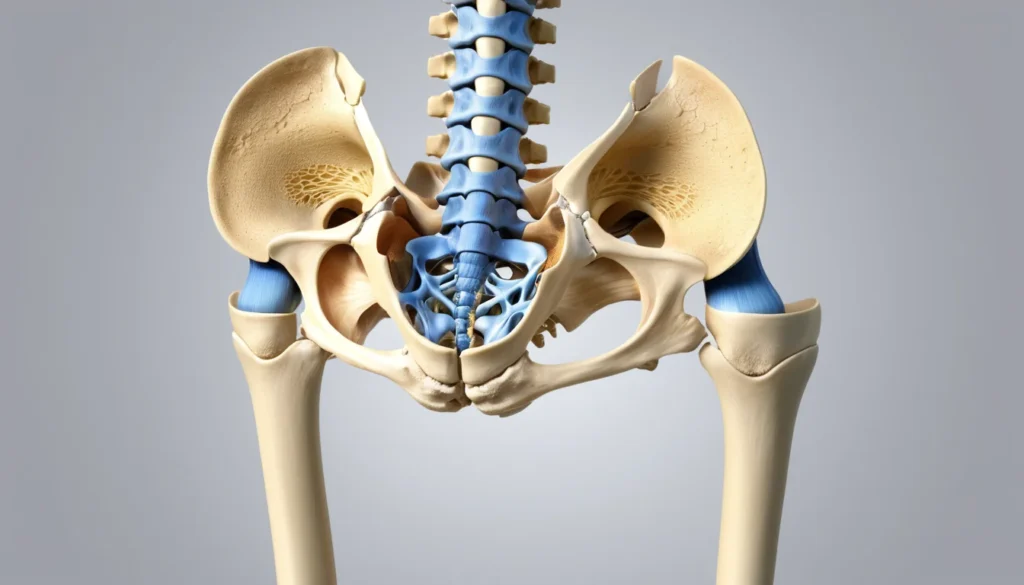
The condition causes abnormal development of cartilage and bone. As a result, bony lumps grow outward from the surface of bones, especially near the growth plates at the ends of long bones. These growths are usually non-cancerous (benign).
HME affects roughly 1 in 50,000 people. However, because mild cases often go unnoticed, the true number may be higher. It tends to run in families and affects both males and females, though males are often diagnosed more frequently.
What Causes Hereditary Multiple Exostoses?
HME is caused by changes (mutations) in specific genes. The most commonly involved genes are EXT1 and EXT2. These genes normally help control how bones grow and develop.
When either of these genes is altered, the body loses some of its ability to regulate bone growth. This leads to the formation of exostoses at the ends of the long bones, known as the diaphysis. The condition follows an autosomal dominant inheritance pattern. This means a child has a 50% chance of inheriting HME if one parent carries the gene mutation.
In some cases, HME occurs in a person with no family history of the condition. This happens due to a spontaneous gene mutation. For more on genetic bone disorders, visit Health Canada’s official health resources.
Risk Factors
The biggest risk factor for HME is having a parent with the condition. If you have a family history of unexplained bony lumps or skeletal deformities, your risk is higher. Genetic counselling is available in most Canadian provinces and can help families understand their risk.
Recognising the Symptoms of Hereditary Multiple Exostoses
Symptoms of hereditary multiple exostoses vary from person to person. Some people have only a few small growths and little discomfort. Others develop many exostoses that affect movement and daily life.
The most common symptoms include:
Hard, painless lumps near joints, especially around the knee, ankle, shoulder, or wrist
Pain or tenderness if a growth presses on nearby nerves, tendons, or blood vessels
Limited range of motion in affected joints
Bone deformities, such as unequal limb lengths or bowing of the forearm
Shortened stature in some cases
Swelling around a joint without a clear cause
Symptoms most often appear during childhood or early adolescence, when bones are still growing. However, some people are not diagnosed until adulthood. Therefore, if you or your child notice an unexplained bony lump, it is worth having it checked.
When Symptoms Get Worse
In some people, the exostoses stop growing once the skeleton matures in early adulthood. In others, growths may continue to cause problems. Furthermore, in rare cases (estimated at 1–5%), an exostosis can become malignant (cancerous). Any rapid increase in the size of a growth or new pain should be evaluated promptly.
How Is Hereditary Multiple Exostoses Diagnosed?
A family doctor or specialist typically diagnoses HME through a combination of physical examination, imaging, and sometimes genetic testing. Diagnosis often begins when a parent or child notices an unusual bump near a joint.
Common diagnostic tools include:
X-rays: These show the size, shape, and location of bony growths clearly.
MRI or CT scans: These provide more detail about the growth and surrounding tissue, especially if a nerve or blood vessel may be involved.
Genetic testing: A blood test can confirm mutations in the EXT1 or EXT2 genes. This is especially useful for families planning to have children.
Bone scan: This helps identify all areas of abnormal bone activity throughout the body.
In Canada, your family doctor can refer you to an orthopaedic specialist or a genetics clinic. Many major cities, including Toronto, Vancouver, Calgary, and Montreal, have centres with experience in rare bone disorders. The Mayo Clinic provides a helpful overview of HME diagnosis for those wanting to learn more before their appointment.
Diagnosing HME in Children
Children with a parent who has hereditary multiple exostoses should be monitored regularly. A paediatrician or paediatric orthopaedic surgeon can perform routine check-ups to track bone development. Early diagnosis allows for better planning and, when necessary, earlier treatment.
Treatment Options for Hereditary Multiple Exostoses
There is currently no cure for hereditary multiple exostoses. However, there are effective ways to manage symptoms and improve quality of life. Treatment depends on the number of growths, their location, and how much they affect daily activities.
Watchful Waiting
Not all exostoses require treatment. If the growths are small, painless, and not affecting movement, a doctor may recommend regular monitoring instead. This approach is sometimes called watchful waiting. Your specialist will schedule periodic imaging to track any changes in the growths.
Surgical Removal
Surgery is the most common active treatment for HME. A surgeon removes the bony growth, a procedure called excision. This is typically recommended when a growth causes significant pain, limits movement, presses on a nerve or blood vessel, or shows signs of rapid change.
Surgery is generally successful, and most patients experience significant relief after recovery. However, exostoses can sometimes regrow, particularly in children who are still growing. As a result, follow-up care is important after any surgical procedure.
Managing Bone Deformities
In some cases, HME causes bones to grow unevenly. This can result in bowing of the forearm or a difference in leg length. Orthopaedic surgeons can address these deformities through corrective procedures, including guided growth techniques in children or osteotomy (bone realignment surgery) in adults.
Pain Management
For mild to moderate pain, over-the-counter pain relievers such as acetaminophen or ibuprofen may help. Your doctor can recommend the right option based on your age and health. Physical therapy can also improve strength and flexibility around affected joints.
Genetic Counselling
Genetic counselling is strongly recommended for individuals with hereditary multiple exostoses who are planning a family. Counsellors can explain the inheritance pattern, discuss the chances of passing HME to a child, and outline available options. Most provincial health plans in Canada cover genetic counselling referrals when ordered by a physician. For more information, see Healthline’s guide to hereditary multiple exostoses.
Living With Hereditary Multiple Exostoses in Canada
A diagnosis of HME can feel overwhelming, but many people with this condition live full, active lives. With the right medical team and support, it is possible to manage symptoms effectively.
Here are some practical steps that can help:
Stay connected with an orthopaedic specialist who has experience with bone disorders
Keep scheduled follow-up appointments to monitor your growths over time
Stay active with low-impact activities such as swimming or cycling, which protect joints
Connect with patient support groups — organizations like the Canadian MHE Coalition can provide community and resources
Inform your child’s school about any physical limitations so appropriate accommodations can be made
Discuss your coverage with your provincial health plan, as many treatments and specialist visits are covered
Children with HME may need extra support during growth spurts, as this is when new exostoses are most likely to form. Open communication between parents, teachers, and healthcare providers makes a big difference.
When to See a Doctor
You should speak with your family doctor if you or your child notices any unexplained hard lump near a joint or bone. This is especially important if the lump is growing, causing pain, or limiting movement. Your doctor can refer you to an orthopaedic specialist or genetics clinic for further evaluation.
Visit a walk-in clinic promptly if you experience sudden, severe pain around an existing exostosis. Rapid growth of a known lump, numbness, or weakness in a limb are also reasons to seek care quickly. These symptoms may suggest a complication that needs urgent attention.
Remember, early diagnosis and regular monitoring are the best ways to stay ahead of complications. Always consult your doctor before making any decisions about treatment or management of hereditary multiple exostoses. Your healthcare provider knows your full medical history and is the best person to guide your care.
Frequently Asked Questions
What is hereditary multiple exostoses?
Hereditary multiple exostoses is a rare genetic condition that causes multiple bony growths to form near the ends of long bones. These growths are usually benign but can cause pain, deformity, and limited movement. The condition is inherited and runs in families.
Is hereditary multiple exostoses painful?
Pain levels vary widely among people with hereditary multiple exostoses. Some people have no pain at all, while others experience significant discomfort when a growth presses on nearby nerves, tendons, or blood vessels. Pain management strategies, including medication and physiotherapy, can help.
Can hereditary multiple exostoses turn into cancer?
In rare cases, a growth associated with hereditary multiple exostoses can become malignant. The estimated risk is between 1% and 5% over a lifetime. Any growth that changes rapidly in size or causes new, unexplained pain should be evaluated by a doctor right away.
How is hereditary multiple exostoses treated in Canada?
Treatment for hereditary multiple exostoses in Canada ranges from watchful waiting for mild cases to surgical removal for growths that cause pain or movement problems. Orthopaedic specialists and genetics clinics are available in most major Canadian cities, and many services are covered by provincial health plans.
Is hereditary multiple exostoses hereditary?
Yes, hereditary multiple exostoses is an inherited condition caused by mutations in the EXT1 or EXT2 genes. It follows an autosomal dominant pattern, meaning a child of an affected parent has a 50% chance of inheriting the condition. Genetic counselling is available through most provincial health plans in Canada.
At what age do symptoms of hereditary multiple exostoses appear?
Symptoms of hereditary multiple exostoses most often appear during childhood or early adolescence, when bones are actively growing. Some people are not diagnosed until adulthood if their symptoms are mild. Regular monitoring by a paediatrician or orthopaedic specialist is recommended for children with a family history of the condition.
Key Takeaways
Hereditary multiple exostoses is a rare genetic condition that causes multiple bony growths near the ends of long bones.
It is caused by mutations in the EXT1 or EXT2 genes and is passed down through families in an autosomal dominant pattern.
Symptoms include hard lumps near joints, pain, limited movement, and in some cases bone deformity.
Diagnosis involves X-rays, MRI or CT scans, and sometimes genetic testing, all available through the Canadian healthcare system.
Treatment options include watchful waiting, surgical removal of growths, corrective surgery for deformities, and pain management.
In rare cases, growths can become cancerous — report any rapid changes to your doctor promptly.
Genetic counselling is strongly recommended for affected individuals planning a family, and is covered by most provincial health plans.
Always speak with your family doctor or a walk-in clinic if you notice an unexplained bony lump or worsening symptoms.