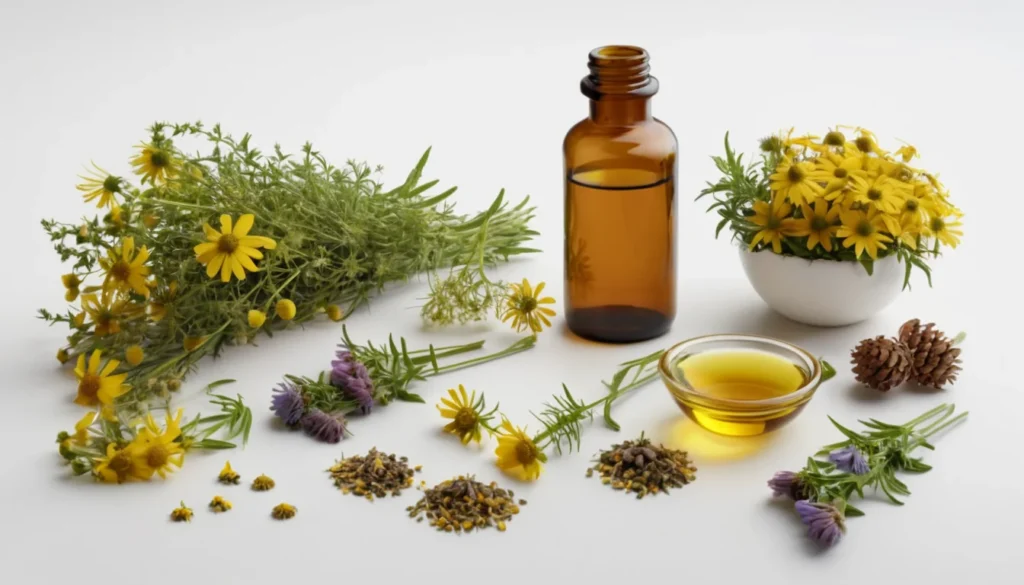
Herbal medicine is the use of plants to treat or prevent illness. It is one of the oldest forms of healthcare in the world, and it remains widely used today. Many Canadians turn to plant-based therapies alongside conventional care. However, it is important to understand how these treatments work, what types exist, and how to use them safely.
What Is Herbal Medicine?
Herbal medicine — also called phytotherapy — involves using plants or plant extracts for their healing properties. This practice falls under the broader category of complementary and alternative medicine. In Canada, Health Canada regulates natural health products, including many herbal remedies, to help ensure they are safe and effective.
In most Western countries, qualified healthcare providers guide the use of medicinal plants in a clinical setting. Pharmacists and trained herbalists can also offer guidance when you purchase herbal products. This helps protect consumers from misuse or harmful interactions.
Herbal medicine can be used for prevention, for acute conditions, or to support overall health over time. However, it is not a replacement for medical care. Always speak with your family doctor before starting any herbal treatment.
Main Types of Herbal Medicine
Several distinct branches of herbal medicine exist today. Some focus on specific plant compounds, while others take a broader approach to health and energy balance. Many practitioners combine more than one approach. Here is an overview of the most common types.
Aromatherapy
Aromatherapy uses essential oils extracted from plants. These oils come from plant families such as asteraceae and lamiaceae, and they are obtained through steam distillation. The oils contain complex active compounds that must be used carefully and at the correct dose.
The most effective and least toxic method of using essential oils is through the skin — called the percutaneous route. This allows the compounds to absorb slowly and steadily into the body. Even so, essential oils are not completely without risk, so following dosage guidelines is essential.
Gemmotherapy
Gemmotherapy uses alcohol and glycerin extracts made from young plant tissues. These include buds and rootlets from roughly 60 different plant species. The extracts are prepared through a double-dilution process.
Each extract is believed to have an affinity for a specific organ or body function. For example, a glycerinated extract from black currant buds (Ribes nigrum) is thought to act on the adrenal cortex — similar to the way cortisone works. This approach is considered gentle and is often used as a supportive therapy.
Traditional Herbalism
Traditional herbalism is the oldest and most classic form of herbal medicine. It uses fresh or dried plants — either the whole plant or a specific part, such as the bark, flower, fruit, or root. Simple preparation methods include decoction, infusion, and maceration.
These preparations can be drunk as teas, inhaled, applied to the skin, or added to a bath. They also come in modern capsule form, which contains dried powdered herbs. Capsules have the advantage of preserving fragile active compounds more effectively than loose teas.
For herbal treatments to be truly effective, they often need to be taken consistently. Treatment periods typically range from three weeks to three months. This makes patience and consistency important parts of any herbal programme.
Homeopathy
Homeopathy relies primarily on plants, though it also uses animal and mineral substances. About three-quarters of homeopathic source materials come from plants. Fresh plants are soaked in an alcohol solution to create what are called mother tinctures.
These tinctures are then diluted repeatedly to create the final remedy, which is used to saturate small sucrose and lactose granules. One of the most widely used mother tinctures comes from Calendula officinalis, known commonly as marigold. The Mayo Clinic provides helpful context on complementary medicine approaches, including homeopathy.
Traditional Chinese Herbal Medicine
Chinese herbal medicine is part of the broader system known as Traditional Chinese Medicine (TCM). This system also includes acupuncture and dietary therapy. Chinese herbal medicine aims to balance the body’s energy — known as qi — and support the flow of that energy through the body.
Practitioners use complex combinations of plants, often tailored to the individual. This approach looks at the whole person rather than just a single symptom. TCM is widely practised across Canada, and many provinces recognise TCM practitioners as regulated health professionals.
Pharmaceutical Herbal Extracts
Pharmaceutical herbal medicine uses plant-based compounds extracted and dissolved in ethyl alcohol or another solvent. These extracts are concentrated enough to produce a reliable and rapid effect. They are produced under controlled conditions, similar to conventional medicines.
These products come in many forms — syrups, drops, capsules, suppositories, and freeze-dried or spray-dried preparations. Because concentrations can be quite high, it is important to follow dosing instructions carefully. Some of these products may not be entirely free of side effects at higher doses.
What Can Herbal Medicine Help With?
Herbal medicine is considered useful for a wide range of health concerns. It can be used for both prevention and treatment, in acute situations or as a long-term support for overall health. The World Health Organization recognises traditional and herbal medicine as an important part of healthcare in many countries.
Common areas where people seek herbal support include digestive health, sleep, stress, immune function, skin conditions, and respiratory issues. However, the evidence behind different herbal treatments varies widely. Some herbs have strong scientific backing, while others rely mainly on traditional use.
It is also worth noting that herbal medicine works best as part of a healthy lifestyle. Good nutrition, regular physical activity, adequate sleep, and stress management all play a role in your overall well-being. Herbal treatments support these foundations — they do not replace them.
Safety and Possible Side Effects
One common misconception is that natural products are always safe. This is not always true. Herbal products can interact with prescription medications, cause allergic reactions, or become harmful when taken in excess or for too long.
Serious side effects from herbal medicine are rare, but they can occur. For example, plants like foxglove (Digitalis) and belladonna contain powerful compounds that can be toxic if misused. When a healthcare provider prescribes these plants, it is critical to stick to the recommended dose.
Problems most often arise from overuse or prolonged use beyond what is recommended. Always read product labels carefully. In Canada, look for the Natural Product Number (NPN) on the label — this means Health Canada has reviewed the product for safety, efficacy, and quality.
Certain groups need to be especially careful with herbal medicine. These include pregnant or breastfeeding women, children, older adults, and people with chronic health conditions. Always disclose any herbal supplements you are taking to your doctor or pharmacist, as they may affect other treatments.
When to See a Doctor
Herbal medicine can be a helpful complement to your healthcare routine, but it should not replace professional medical advice. If you are dealing with a new or unexplained symptom, your first step should be to see your family doctor or visit a walk-in clinic.
You should also consult a healthcare provider before starting any herbal remedy if you are currently taking prescription medications. Some herbs — such as St. John’s Wort — are known to interfere with common medications, including antidepressants and birth control pills. Your pharmacist is also a great resource and can check for potential interactions.
If you experience any unusual reaction after taking a herbal product — such as a rash, dizziness, nausea, or difficulty breathing — stop taking it immediately and seek medical attention. In Canada, you can report adverse reactions to natural health products through Health Canada’s MedEffect programme.
Provincial health plans generally cover visits to your family doctor, so do not hesitate to ask questions about herbal medicine at your next appointment. Your doctor can help you weigh the benefits and risks based on your personal health history.
Frequently Asked Questions About Herbal Medicine
Is herbal medicine safe to use alongside prescription drugs?
Herbal medicine can interact with prescription medications in ways that may reduce their effectiveness or cause side effects. For example, some herbs affect how your liver processes drugs. Always tell your doctor or pharmacist about any herbal remedies you are taking before combining them with prescribed treatments.
Is herbal medicine regulated in Canada?
Yes. In Canada, herbal medicine products are classified as natural health products and are regulated by Health Canada. Products sold in Canada must carry a Natural Product Number (NPN) on the label, which means they have been assessed for safety and quality. This helps protect Canadians from substandard or unsafe products.
How long does herbal medicine take to work?
The time it takes for herbal medicine to produce results depends on the type of treatment and the condition being addressed. In general, consistent use over three weeks to three months is often needed to see meaningful benefits. Unlike some conventional medicines, herbal remedies tend to work gradually rather than producing immediate effects.
Can children use herbal medicine?
Some herbal products are considered safe for children, but dosages and suitability vary significantly by age and health status. Herbal medicine is not automatically safe just because it is natural. Always consult your child’s doctor before giving them any herbal remedy, as children can react differently than adults.
What is the difference between herbal medicine and homeopathy?
Herbal medicine uses concentrated plant extracts or preparations to produce a direct therapeutic effect in the body. Homeopathy, on the other hand, uses highly diluted substances — often derived from plants — based on the principle that very small amounts can stimulate the body’s natural healing response. Both fall under complementary medicine, but they work on different principles and are used in different ways.
Where can I buy safe herbal medicine products in Canada?
You can find herbal medicine products at pharmacies, health food stores, and some grocery stores across Canada. Always look for the NPN (Natural Product Number) on the label to confirm Health Canada has reviewed the product. Your pharmacist can also help you choose a reliable product and check for any interactions with medications you already take.
Key Takeaways
Herbal medicine uses plants and plant extracts to treat or prevent illness and is widely used in Canada as a complementary therapy.
Main types include aromatherapy, gemmotherapy, traditional herbalism, homeopathy, Traditional Chinese Medicine, and pharmaceutical herbal extracts.
Herbal medicine can support a wide range of health concerns, but the evidence behind specific treatments varies.
Natural does not always mean safe — herbal products can interact with medications and cause side effects if misused.
In Canada, look for the Natural Product Number (NPN) on any herbal product to ensure it has been reviewed by Health Canada.
Always speak with your family doctor, walk-in clinic provider, or pharmacist before starting any herbal treatment, especially if you take prescription medications.
Consistent use over weeks or months is often needed for herbal treatments to be fully effective.