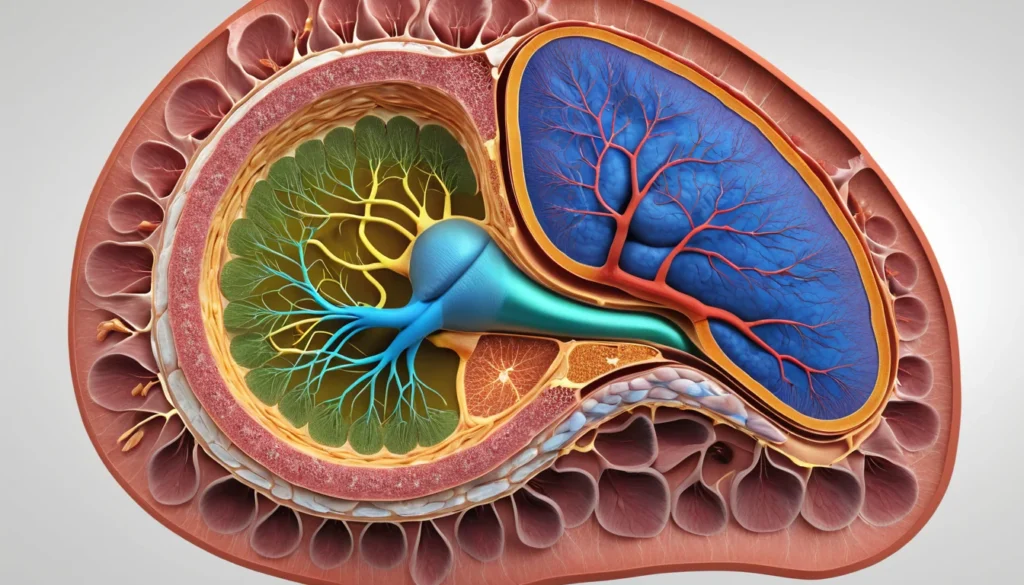
Hepatobiliary disease refers to any condition that affects both the liver tissue and the bile ducts. These two parts of your body work closely together to digest food and remove waste. When either one stops working properly, it can affect your whole body. This article explains what hepatobiliary disease is, what causes it, and what Canadians can do about it.
What Is Hepatobiliary Disease?
Your liver is one of the hardest-working organs in your body. It filters your blood, produces bile, and helps break down nutrients from food. The bile ducts are small tubes that carry bile from your liver to your small intestine.
Hepatobiliary disease is an umbrella term. It covers a wide range of conditions that affect the liver, gallbladder, and bile ducts together. Because these organs are so closely connected, a problem in one area often affects the others.
According to Health Canada, liver and digestive diseases affect millions of Canadians every year. Many people do not know they have a problem until symptoms become serious. That is why early awareness matters.
Common Types of Hepatobiliary Disease
There are several conditions that fall under the hepatobiliary disease category. Each one affects the liver and bile ducts in different ways. Understanding the types can help you recognise warning signs early.
Liver-Related Conditions
The most common liver-related hepatobiliary conditions include hepatitis, cirrhosis, and non-alcoholic fatty liver disease (NAFLD). Hepatitis is inflammation of the liver, often caused by a virus. Cirrhosis happens when healthy liver tissue is replaced by scar tissue over time.
NAFLD is becoming increasingly common in Canada. It is linked to obesity, type 2 diabetes, and poor diet. Many people with NAFLD have no symptoms at first, which makes it easy to miss.
Bile Duct Conditions
Bile duct conditions include primary sclerosing cholangitis (PSC) and primary biliary cholangitis (PBC). Both cause inflammation and scarring of the bile ducts. Over time, this can lead to serious liver damage.
Gallstones are another very common biliary problem. They form when bile hardens into small, stone-like pieces inside the gallbladder. Gallstones can block the bile ducts and cause significant pain.
Combined Hepatobiliary Conditions
Some conditions affect both the liver and the bile ducts at the same time. Cholestasis, for example, is when bile cannot flow properly from the liver. This causes a build-up of bile in the liver, leading to damage over time.
Cholangiocarcinoma, or bile duct cancer, is a rarer but serious hepatobiliary disease. It can start in any part of the bile duct system. Early detection greatly improves outcomes for patients.
Causes and Risk Factors
Hepatobiliary disease has many possible causes. Some are related to lifestyle, while others are genetic or caused by infection. Knowing your risk factors is an important first step.
Lifestyle and Diet
Heavy alcohol use is one of the leading causes of liver disease in Canada. Alcohol damages liver cells over time, leading to inflammation and scarring. Reducing or eliminating alcohol can slow or stop this damage in many cases.
A diet high in saturated fat and low in fibre also raises your risk. Furthermore, being overweight or obese puts extra strain on your liver. Regular physical activity and a balanced diet rich in fibre can lower your risk significantly.
Viral Infections
Hepatitis B and hepatitis C are viral infections that directly attack the liver. Both can become chronic if left untreated. In Canada, free testing and treatment are available through provincial health plans in most provinces.
Hepatitis A is another liver infection, usually spread through contaminated food or water. However, it is typically short-term and does not cause lasting liver damage. A vaccine is available to protect against hepatitis A and B.
Genetic and Autoimmune Factors
Some people are born with genetic conditions that affect how their liver works. Wilson’s disease and haemochromatosis are two examples. These conditions cause a build-up of copper or iron in the liver, leading to damage over time.
Autoimmune hepatitis happens when your immune system mistakenly attacks your liver. Primary biliary cholangitis is also an autoimmune condition. These conditions are more common in women than in men.
Recognising the Symptoms
Hepatobiliary disease can be tricky to spot early on. Many conditions cause no symptoms in their early stages. As a result, regular check-ups with your family doctor are very important.
Early Warning Signs
Some of the earliest signs of hepatobiliary disease include fatigue and a general feeling of being unwell. You may also notice a loss of appetite or mild nausea. These symptoms are easy to overlook because they can have many causes.
Discomfort or pain in the upper right side of your abdomen can also be an early sign. This is where your liver and gallbladder sit. Any persistent pain in this area deserves attention from a healthcare provider.
More Noticeable Symptoms
As hepatobiliary disease progresses, symptoms become harder to ignore. Jaundice is one of the most recognisable signs. It causes your skin and the whites of your eyes to turn yellow.
Other noticeable symptoms include dark-coloured urine, pale stools, and itchy skin. Swelling in your abdomen or legs can also occur. These symptoms suggest that your liver or bile ducts are under serious stress.
How Is Hepatobiliary Disease Diagnosed?
Diagnosis usually begins with a visit to your family doctor or a walk-in clinic. Your doctor will ask about your symptoms, medical history, and lifestyle. From there, they may order tests to get a clearer picture.
Blood Tests
Liver function tests are a common first step. They measure certain enzymes and proteins in your blood. Abnormal levels can indicate that your liver is under stress or not working properly.
Blood tests can also check for viral hepatitis and genetic conditions. In addition, they can measure bilirubin levels, which rise when the bile ducts are blocked. These tests are simple and widely available across Canada.
Imaging and Biopsy
Ultrasound imaging is often used to look at the liver and bile ducts. It is painless and does not use radiation. A CT scan or MRI may also be used to get a more detailed view.
In some cases, a liver biopsy is needed. This involves taking a small sample of liver tissue for examination. It helps doctors confirm a diagnosis and assess the extent of any damage. Learn more about liver disease diagnosis from the Mayo Clinic’s liver disease resources.
Treatment Options for Hepatobiliary Disease
Treatment depends on the specific type of hepatobiliary disease you have. Some conditions can be managed with lifestyle changes alone. Others require medication, procedures, or surgery.
Lifestyle Changes
For many Canadians, the first line of treatment is lifestyle change. Cutting out alcohol, eating a healthy diet, and maintaining a healthy weight can make a real difference. These changes help reduce the burden on your liver.
Increasing your fibre intake and staying physically active also support liver health. The Healthline guide on liver health offers practical tips for everyday habits. Small, consistent changes over time can greatly improve your liver function.
Medications
Antiviral medications are used to treat chronic hepatitis B and C. These drugs can reduce the amount of virus in your body and prevent further liver damage. Many are covered under provincial drug benefit programmes in Canada.
Autoimmune conditions like autoimmune hepatitis may be treated with corticosteroids or other immune-suppressing drugs. Your doctor will monitor you closely during treatment. Regular follow-up appointments are essential.
Surgical and Interventional Options
Gallstones that cause problems are often treated by removing the gallbladder. This is called a cholecystectomy, and it is one of the most common surgeries in Canada. Most people recover quickly and live normally without their gallbladder.
In cases of severe liver damage, a liver transplant may be considered. Canada has a national organ donation programme that coordinates transplants across provinces. Patients are assessed by specialist teams at major medical centres.
When to See a Doctor
You should speak with your family doctor if you notice any ongoing symptoms related to hepatobiliary disease. Do not wait for symptoms to get worse. Early treatment almost always leads to better outcomes.
If you cannot get a timely appointment with your family doctor, a walk-in clinic is a good alternative. Walk-in clinics are widely available across Canada and can order initial blood tests. They can also refer you to a specialist if needed.
Seek emergency care right away if you develop sudden severe abdominal pain, vomiting blood, or significant yellowing of the skin. These can be signs of a serious and urgent liver or bile duct problem. Always trust your instincts — if something feels wrong, get it checked.
Please consult your family doctor or a qualified healthcare provider before making any changes to your health routine. This article is for informational purposes only and does not replace professional medical advice.
Frequently Asked Questions About Hepatobiliary Disease
What is hepatobiliary disease in simple terms?
Hepatobiliary disease is a condition that affects the liver and the bile ducts. The liver and bile ducts work together to digest food and remove waste from the body. When either one is damaged or diseased, your whole body can be affected.
What are the most common symptoms of hepatobiliary disease?
Common symptoms of hepatobiliary disease include fatigue, jaundice (yellowing of the skin and eyes), dark urine, pale stools, and abdominal pain. Some people also experience itchy skin and swelling in the abdomen or legs. Many early cases have no symptoms at all, which is why regular check-ups are important.
Is hepatobiliary disease curable?
Whether hepatobiliary disease is curable depends on the specific condition and how early it is caught. Some forms, like hepatitis C, can now be cured with antiviral medication. Others, like cirrhosis, can be managed but not fully reversed, making early diagnosis very important.
Can hepatobiliary disease be prevented?
Many cases of hepatobiliary disease can be prevented or reduced through healthy lifestyle choices. Limiting alcohol, eating a balanced diet high in fibre, and maintaining a healthy weight all help protect your liver. Vaccinations for hepatitis A and B are also an effective preventive measure available to Canadians.
How is hepatobiliary disease diagnosed in Canada?
In Canada, hepatobiliary disease is typically diagnosed through blood tests, imaging like ultrasound or MRI, and sometimes a liver biopsy. Your family doctor or walk-in clinic can order the initial tests. From there, you may be referred to a specialist such as a gastroenterologist or hepatologist.
Does provincial health insurance cover hepatobiliary disease treatment?
Most diagnostic tests and treatments for hepatobiliary disease are covered under provincial health plans in Canada. This includes blood tests, imaging, specialist visits, and many medications. Coverage for specific drugs may vary by province, so it is worth checking with your provincial health authority or pharmacist.
Key Takeaways
Hepatobiliary disease affects the liver and bile ducts, which work together to digest food and remove waste.
Common types include hepatitis, cirrhosis, fatty liver disease, gallstones, and bile duct inflammation.
Risk factors include heavy alcohol use, poor diet, viral infections, and genetic conditions.
Early symptoms can be subtle — fatigue, mild pain, and loss of appetite are common first signs.
Jaundice, dark urine, and abdominal swelling are more serious signs that need prompt medical attention.
Diagnosis involves blood tests, imaging, and sometimes a biopsy — all available through Canadian healthcare.
Treatment ranges from lifestyle changes and medication to surgery and liver transplant, depending on the condition.
Most treatments and diagnostic services are covered under provincial health plans across Canada.
Always speak with your family doctor or visit a walk-in clinic if you are concerned about your liver health.