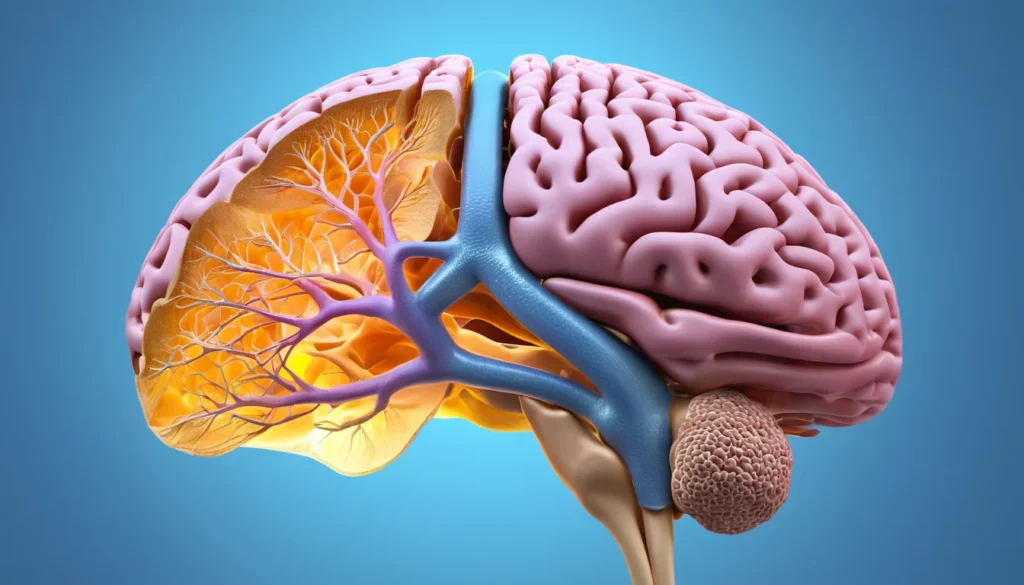
Hepatic encephalopathy is a serious brain condition that develops when a damaged liver can no longer filter toxins from the blood. Those toxins then travel to the brain, causing a wide range of symptoms — from mild confusion and forgetfulness to deep coma. In Canada, this condition most often affects people living with advanced liver disease, particularly cirrhosis. This article explains what hepatic encephalopathy is, what causes it, how it is diagnosed, and what treatments are available.
What Is Hepatic Encephalopathy?
The liver performs hundreds of jobs in your body. One of its most important roles is filtering out harmful substances — such as ammonia — before they can enter the bloodstream and reach the brain.
When the liver is badly damaged, it loses this filtering ability. As a result, toxins build up in the blood and begin to affect how the brain works. This is what doctors call hepatic encephalopathy.
The condition can appear suddenly in people with no known liver problems. However, it most commonly develops in people already diagnosed with chronic liver disease. According to the Mayo Clinic, hepatic encephalopathy is a frequent complication of advanced cirrhosis and may signal the need for a liver transplant evaluation.
Causes and Triggers of Hepatic Encephalopathy
The exact cause of hepatic encephalopathy is not fully understood. However, researchers know that severe liver damage — especially from cirrhosis or acute liver failure — plays a central role. When the liver cannot process ammonia and other waste products, these substances accumulate and disrupt normal brain function.
The condition can be acute (coming on suddenly and possibly reversible) or chronic (long-lasting and linked to ongoing liver disease). In either case, certain factors can trigger or worsen an episode.
Common Triggers
Dehydration
High protein intake
Electrolyte imbalances, especially low potassium from vomiting or certain medications
Bleeding in the stomach, intestines, or esophagus
Infections, including pneumonia or urinary tract infections
Kidney problems
Low oxygen levels in the blood
Surgery or physical trauma
Use of sedatives, tranquilizers, or other medications that slow the nervous system
In rarer cases, hepatic encephalopathy may also be linked to chronic hepatocerebral degeneration or liver-related spinal cord disease (myelopathy). For more information on how liver disease develops, visit Health Canada’s official health resources.
Symptoms of Hepatic Encephalopathy
Symptoms of hepatic encephalopathy can begin gradually or come on very quickly. Family members and caregivers are often the first to notice changes in a loved one’s behaviour or thinking. Early symptoms can be subtle and easy to miss.
Early and Mild Symptoms
Breath that smells sweet or musty
Changes in sleep patterns — sleeping during the day, awake at night
Difficulty concentrating or thinking clearly
Forgetfulness or confusion
Personality or mood changes
Fine tremors or shakiness in the hands or fingers
Severe Symptoms
As hepatic encephalopathy progresses, symptoms become more alarming. Seek emergency medical care if you notice any of the following in yourself or someone you know:
Significant shaking or abnormal movements of the arms or hands
Agitation, extreme excitement, or seizures
Severe disorientation
Extreme drowsiness or loss of consciousness
Slurred or slow speech
Drastic personality changes or inappropriate behaviour
Slow, uncoordinated movements
People with hepatic encephalopathy often have other signs of advanced liver disease as well. These may include fluid build-up in the abdomen (ascites), yellowing of the skin or eyes (jaundice), or bleeding from enlarged veins in the digestive tract. These signs together often indicate decompensated cirrhosis — a serious stage of liver disease.
Conditions That Look Similar
Several other conditions can cause symptoms that look like hepatic encephalopathy. A doctor will need to rule these out before making a diagnosis. Similar-looking conditions include:
Alcohol intoxication or alcohol withdrawal
Meningitis (infection of the brain lining)
Low blood sugar (hypoglycemia)
Sedative overdose
Subdural haematoma (bleeding around the brain)
Wernicke-Korsakoff syndrome (a brain disorder related to thiamine deficiency)
How Is Hepatic Encephalopathy Diagnosed?
There is no single test to confirm hepatic encephalopathy. Instead, your doctor will combine a physical exam, a review of your medical history, and a series of blood and imaging tests. The goal is to assess how well your liver and kidneys are working — and to rule out other causes of your symptoms.
Tests Your Doctor May Order
Complete blood count (CBC) — to check for anaemia or signs of infection
Liver function tests — to measure how well the liver is doing its job
Blood ammonia levels — elevated ammonia is a key marker of this condition
Sodium and potassium levels — to detect electrolyte imbalances
Creatinine and urea — to evaluate kidney function
Prothrombin time (PT) — a measure of how well the blood clots
MRI or CT scan of the head — to rule out other brain conditions
Your family doctor may order initial tests, but most Canadians with suspected hepatic encephalopathy will be referred to a gastroenterologist or hepatologist (a liver specialist) for further care.
Treatment Options for Hepatic Encephalopathy
Hepatic encephalopathy can be a medical emergency. Depending on the severity, treatment may require a hospital stay. The treatment plan focuses on reducing toxin levels in the blood, managing the underlying liver disease, and preventing future episodes.
Hospital-Based Care
If you or a loved one is hospitalized with this condition, the medical team will take several steps. They will stop any gastrointestinal bleeding and clear blood from the intestines. Infections, kidney failure, and electrolyte problems will all be treated at the same time.
In severe cases where the person is unconscious, doctors may need to support breathing and circulation. Brain swelling is a life-threatening risk that requires immediate attention in an intensive care unit (ICU).
Medications Commonly Used
Lactulose — a laxative that helps clear ammonia-producing bacteria from the gut
Rifaximin — an antibiotic that reduces the production of gut bacteria responsible for ammonia
Neomycin — another antibiotic sometimes used to lower ammonia levels
Sedatives, certain antacids, and other drugs processed by the liver should be avoided. These can make symptoms worse. Always tell your healthcare provider about every medication and supplement you take — including over-the-counter products.
Diet and Nutrition
People who experience repeated episodes of hepatic encephalopathy may need to lower their protein intake. High protein leads to more ammonia production, which the damaged liver cannot process. However, cutting protein too much can lead to malnutrition — so dietary counselling from a registered dietitian is strongly recommended.
In critical cases, nutrition may be delivered intravenously (through a vein). Healthline’s guide on hepatic encephalopathy provides additional detail on how diet can affect recovery and management of this condition.
Liver Transplant Evaluation
The presence of hepatic encephalopathy is often a clinical signal that the liver is failing. In many cases, it triggers a formal evaluation for a liver transplant. If you or a loved one is in this situation, your specialist will guide you through the process. In Canada, transplant programmes operate through major hospital centres in each province, and eligibility is assessed through your provincial health plan.
Possible Complications
Without prompt treatment, hepatic encephalopathy can lead to life-threatening complications. These include:
Brain swelling (cerebral oedema) and herniation
Kidney failure
Respiratory failure
Sepsis (a dangerous, body-wide infection response)
Permanent damage to the nervous system
Progressive and irreversible coma
Cardiovascular collapse
These risks underline how important it is to seek care quickly if symptoms appear. Do not wait to see if things improve on their own.
Prevention
The best way to prevent hepatic encephalopathy is to manage the underlying liver condition effectively. Treating liver disease early — before cirrhosis develops — significantly lowers the risk. In addition, avoiding alcohol, maintaining a healthy weight, and getting vaccinated against hepatitis A and hepatitis B all help protect your liver.
For people already living with liver disease, working closely with your healthcare team to manage triggers — such as infections, dehydration, and medication changes — is key to reducing the chance of an episode.
When to See a Doctor
If you notice sudden changes in thinking, mood, or behaviour in someone with known liver disease, seek medical help right away. These changes may be early warning signs of hepatic encephalopathy.
For non-emergency concerns — such as unexplained fatigue, mild confusion, or changes in sleep — start by speaking with your family doctor. If you do not have a family doctor, a walk-in clinic can provide an initial assessment and refer you to a specialist if needed. Most provincial health plans in Canada cover these visits.
Never ignore symptoms related to liver disease. Early action can prevent a manageable situation from becoming a medical crisis. Always consult your doctor before making any changes to your medications or diet, especially if you have a known liver condition.
Frequently Asked Questions
What is hepatic encephalopathy and what causes it?
Hepatic encephalopathy is a brain condition caused by a failing liver that can no longer remove toxins — especially ammonia — from the blood. When these toxins reach the brain, they interfere with normal brain function. It most commonly occurs in people with advanced liver disease such as cirrhosis.
Is hepatic encephalopathy reversible?
In some cases, hepatic encephalopathy can be reversed, especially when it is caught early and the trigger is treated quickly. Acute episodes caused by infections, dehydration, or bleeding are often treatable. However, in people with severe chronic liver disease, the condition may become progressive and harder to reverse.
What are the early warning signs of hepatic encephalopathy?
Early signs of hepatic encephalopathy include forgetfulness, confusion, changes in sleep patterns, mood or personality shifts, and fine tremors in the hands. Family members often notice these changes before the person affected does. If you spot these signs in someone with liver disease, contact a doctor as soon as possible.
How is hepatic encephalopathy treated in Canada?
Treatment for hepatic encephalopathy in Canada typically involves hospitalization for severe cases, use of medications like lactulose or rifaximin to reduce ammonia levels, and managing the underlying liver disease. Dietary changes and close follow-up with a liver specialist (hepatologist) are also part of long-term management. Coverage for these treatments is generally provided through provincial health plans.
Can diet help prevent hepatic encephalopathy?
Yes, diet plays an important role in managing hepatic encephalopathy. Reducing high protein foods can help lower ammonia production in the gut, which eases the burden on the liver. However, a registered dietitian should guide any dietary changes, since too little protein can cause malnutrition.
Does hepatic encephalopathy mean I need a liver transplant?
Not always, but hepatic encephalopathy is often a sign of advanced liver failure and may trigger a referral for transplant evaluation. In Canada, liver transplant programmes operate through major hospital centres, and eligibility is assessed through your provincial health system. Your specialist will help determine the best course of action for your specific situation.
Key Takeaways
Hepatic encephalopathy is a brain condition caused by a damaged liver’s inability to filter toxins from the blood. It most commonly affects people with advanced cirrhosis or acute liver failure. Symptoms range from mild confusion and mood changes to seizures and coma. Common triggers include infections, bleeding, dehydration, and certain medications. Diagnosis involves blood tests, liver function tests, and brain imaging. Treatment includes medications like lactulose and rifaximin, dietary adjustments, and managing the underlying liver condition. In severe or recurring cases, a liver transplant evaluation may be recommended. Early medical attention is critical —