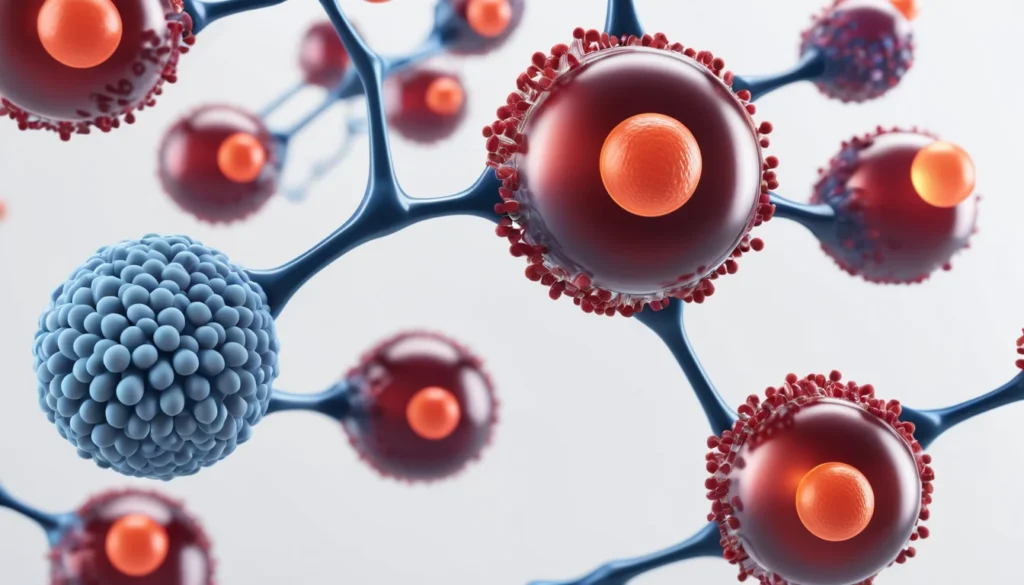
Hemoglobin is a protein found inside your red blood cells. It gives blood its red colour and carries oxygen from your lungs to every part of your body. Without enough hemoglobin, your organs and muscles cannot get the oxygen they need. In this article, we explain what hemoglobin is, how it works, what normal levels look like, and when to speak with a doctor.
What Is Hemoglobin?
Hemoglobin is a special protein that lives inside red blood cells. Your bone marrow produces it while building new red blood cells. It is one of the most important proteins in your entire body.
The main job of hemoglobin is to carry oxygen. It picks up oxygen in the lungs and delivers it to your heart, muscles, brain, and other tissues. It also carries carbon dioxide — a waste gas — back from your organs to your lungs so you can breathe it out.
Hemoglobin is also responsible for the colour of your blood. When hemoglobin is fully loaded with oxygen, it appears bright red. This is the colour of blood in your arteries. When it releases oxygen, it turns a darker, bluish-red colour. This is the blood you see in your veins.
For more background on how blood works, visit the Health Canada official website.
How Hemoglobin Works in the Body
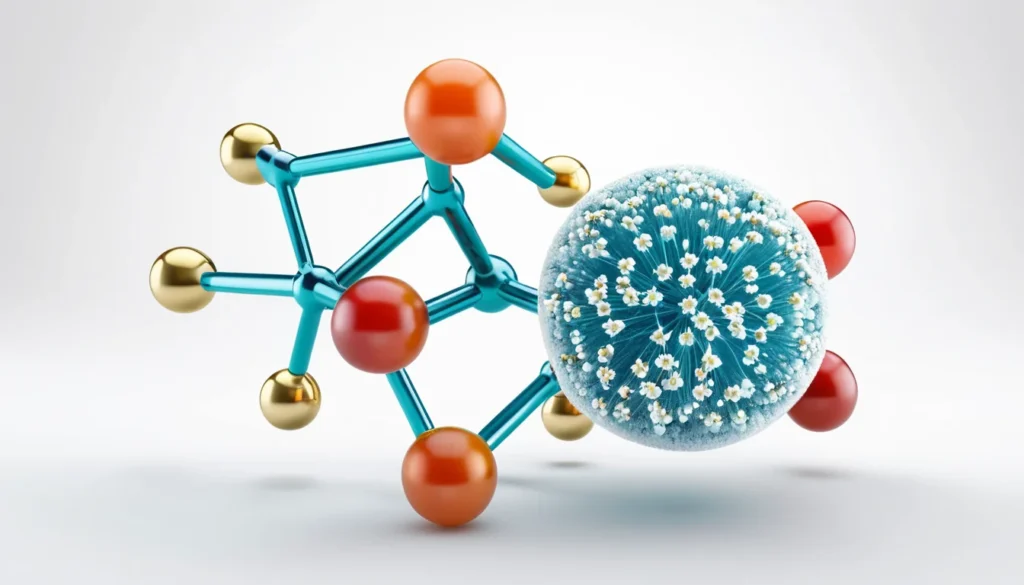
Think of hemoglobin as a delivery truck for oxygen. Each hemoglobin molecule can carry up to four oxygen molecules at a time. This makes it very efficient at keeping your body supplied with energy.
When you breathe in, oxygen moves from your lungs into your bloodstream. Hemoglobin in your red blood cells grabs onto that oxygen right away. It then travels through your arteries to reach every organ and tissue.
Oxygen Delivery and Carbon Dioxide Removal
Once hemoglobin reaches your tissues, it releases its oxygen. Your cells use that oxygen to produce energy. As a result, carbon dioxide forms as a waste product.
Hemoglobin picks up that carbon dioxide and brings it back to the lungs. Your lungs then release the carbon dioxide when you exhale. This two-way system keeps your body balanced and functioning well.
Furthermore, this process happens continuously — millions of times per second in a healthy body. Your blood makes a full trip around your body in about one minute.
The Role of Iron in Hemoglobin
Hemoglobin contains iron at its core. Iron is what actually binds to oxygen. Without enough iron, your body cannot make enough working hemoglobin.
This is why iron deficiency is one of the most common causes of low hemoglobin worldwide. In Canada, iron deficiency is especially common in women of childbearing age, young children, and older adults. Eating iron-rich foods — such as red meat, lentils, spinach, and fortified cereals — helps your body maintain healthy levels.
Normal Hemoglobin Levels in Canada
Hemoglobin levels are measured through a simple blood test called a complete blood count, or CBC. Your family doctor or walk-in clinic can order this test easily. Results come back quickly and give a clear picture of your blood health.
Normal hemoglobin levels vary by age and sex. However, the general ranges accepted in Canada are:
Adult men: 130 to 170 grams per litre (g/L)
Adult women: 120 to 155 g/L
Pregnant women: 110 g/L or higher
Children (varies by age): roughly 110 to 145 g/L
Newborns: 140 to 240 g/L
These ranges can differ slightly between labs. Therefore, always discuss your specific results with your doctor rather than comparing numbers alone.
What Affects Your Hemoglobin Levels?
Many factors influence hemoglobin levels. Diet, hydration, altitude, and overall health all play a role. People who live at higher altitudes — such as in parts of British Columbia or Alberta — often have naturally higher hemoglobin levels because the air contains less oxygen.
In addition, pregnancy lowers hemoglobin because the body produces more blood overall, which dilutes the concentration. Strenuous exercise can temporarily increase hemoglobin as the body adapts to higher oxygen demands.
Low Hemoglobin: What It Means and How It Feels
Low hemoglobin is the main sign of anaemia — a condition where your blood cannot carry enough oxygen. Anaemia is very common in Canada and has many possible causes. It ranges from mild and easy to treat to serious and life-threatening.
Common causes of low hemoglobin include:
Iron deficiency (most common cause)
Vitamin B12 or folate deficiency
Chronic kidney disease
Blood loss from injury, surgery, or heavy periods
Inherited conditions such as sickle cell disease or thalassemia
Bone marrow problems or certain cancers
Some medications or chronic illnesses
Symptoms of Low Hemoglobin
When hemoglobin falls too low, your body struggles to deliver enough oxygen. This can cause a range of symptoms. Some people have no symptoms at all if the drop is gradual and mild.
However, common symptoms include:
Fatigue or weakness
Pale or yellowish skin
Shortness of breath, especially with activity
Dizziness or lightheadedness
Fast or irregular heartbeat
Cold hands and feet
Headaches
Chest pain (in more serious cases)
These symptoms can affect your daily behaviour and quality of life. If you notice several of these signs together, it is worth getting a blood test. Learn more about anaemia from the Mayo Clinic’s anaemia overview.
High Hemoglobin: When There Is Too Much
High hemoglobin is less common but also worth understanding. It means your blood has more hemoglobin than normal. In some cases, this is a natural response to your environment or lifestyle.
For example, athletes who train at high altitudes often develop higher hemoglobin levels. This helps their muscles get more oxygen during intense exercise. However, high hemoglobin can also signal an underlying health problem.
Causes of High Hemoglobin
Possible causes include:
Living or exercising at high altitude
Severe dehydration
Smoking (long-term smokers often have elevated levels)
Chronic lung disease such as COPD
A rare blood disorder called polycythaemia vera
Use of performance-enhancing drugs
High hemoglobin thickens the blood. As a result, it increases the risk of blood clots, stroke, and heart attack. If your CBC test shows high levels, your doctor will investigate the cause before recommending any treatment.
Hemoglobin Disorders and Inherited Conditions
Some people are born with conditions that affect the shape or function of hemoglobin. These are called hemoglobin disorders or haemoglobinopathies. They are inherited from one or both parents.
In Canada, these conditions are more common in communities with roots in sub-Saharan Africa, the Middle East, South Asia, and the Mediterranean. Newborn screening programmes in many Canadian provinces test for these conditions at birth.
Sickle Cell Disease
Sickle cell disease causes hemoglobin to form an abnormal shape. Instead of round, flexible red blood cells, the cells become stiff and crescent-shaped. These misshapen cells can block blood flow and cause severe pain, organ damage, and anaemia.
There is no universal cure, but treatments have improved greatly. People with sickle cell disease in Canada can access specialist care through their provincial health plan. Research into gene therapy is also showing promising results.
Thalassemia
Thalassemia is another inherited condition. It causes the body to produce abnormal or too little hemoglobin. Symptoms range from mild to severe depending on which type a person has.
Mild thalassemia may need no treatment at all. Severe forms may require regular blood transfusions. A family doctor can refer patients to a haematologist — a blood specialist — for proper diagnosis and care.
The World Health Organization’s fact sheet on sickle cell disease provides additional information on inherited blood conditions.
When to See a Doctor
You should speak with your family doctor or visit a walk-in clinic if you notice symptoms of low or high hemoglobin. Do not ignore ongoing fatigue, shortness of breath, or dizziness. These signs may point to a treatable condition that a simple blood test can identify.
In Canada, a CBC blood test is covered under most provincial health plans when ordered by a physician. This makes it easy and affordable to check your hemoglobin levels. Your doctor can refer you to a specialist if needed.
Seek emergency care right away if you experience:
Chest pain or pressure
Difficulty breathing at rest
Fainting or loss of consciousness
Coughing or vomiting blood
Bluish colour on your lips or fingernails (cyanosis)
These symptoms can signal a serious condition that requires immediate medical attention. Always consult a qualified healthcare provider for diagnosis and treatment specific to your situation. This article is for general information only and does not replace professional medical advice.
Frequently Asked Questions About Hemoglobin
What is a normal hemoglobin level for a Canadian adult?
Normal hemoglobin levels in Canada are generally 130 to 170 g/L for adult men and 120 to 155 g/L for adult women. However, your lab’s reference range may differ slightly. Always discuss your hemoglobin results with your family doctor for the most accurate interpretation.
What causes low hemoglobin?
Low hemoglobin is most often caused by iron deficiency, which can result from poor diet, heavy menstrual periods, or blood loss. Other causes include vitamin B12 deficiency, chronic disease, and inherited conditions such as thalassemia. A blood test can help identify the cause so the right treatment can begin.
What are the symptoms of low hemoglobin?
Common symptoms of low hemoglobin include fatigue, pale skin, shortness of breath, dizziness, and a rapid heartbeat. Some people have no symptoms at all, especially when the drop is slow and gradual. If you notice these signs, ask your doctor to check your hemoglobin with a simple blood test.
Can you increase hemoglobin levels through diet?
Yes, eating iron-rich foods can help raise hemoglobin levels when low iron is the cause. Good sources include red meat, lentils, spinach, tofu, and iron-fortified cereals. Pairing these foods with vitamin C — such as a glass of orange juice — helps your body absorb iron more effectively.
Is a hemoglobin test covered by provincial health insurance in Canada?
In most Canadian provinces, a hemoglobin test ordered by a doctor is covered under your provincial health plan at no direct cost to you. You can ask your family doctor or walk-in clinic to order a complete blood count (CBC), which includes hemoglobin measurement. Coverage details vary by province, so check with your local health authority if you are unsure.
What is the difference between hemoglobin and haemoglobin?
Hemoglobin and haemoglobin refer to exactly the same protein — the spelling simply differs between countries. Canada commonly uses “hemoglobin” in medical practice, while “haemoglobin” appears in British and some international texts. Both terms describe the iron-containing protein in red blood cells that carries oxygen throughout your body.
Key Takeaways
Hemoglobin is the protein in red blood cells that carries oxygen to every part of your body and returns carbon dioxide to your lungs.
It gives blood its red colour — bright red when oxygen-rich, darker when oxygen is released.
Normal hemoglobin levels in Canada are roughly 130–170 g/L for men and 120–155 g/L for women.
Low hemoglobin (anaemia) is common and often caused by iron deficiency, but it has many other possible causes.
High hemoglobin can result from dehydration, smoking, lung disease, or rare blood disorders.
Inherited conditions such as sickle cell disease and thalassemia directly affect how hemoglobin works.
A simple blood test (CBC) — covered by most provincial health plans — can check your hemoglobin levels.
Always speak with your family doctor or a walk-in clinic if you have concerns about your blood health.