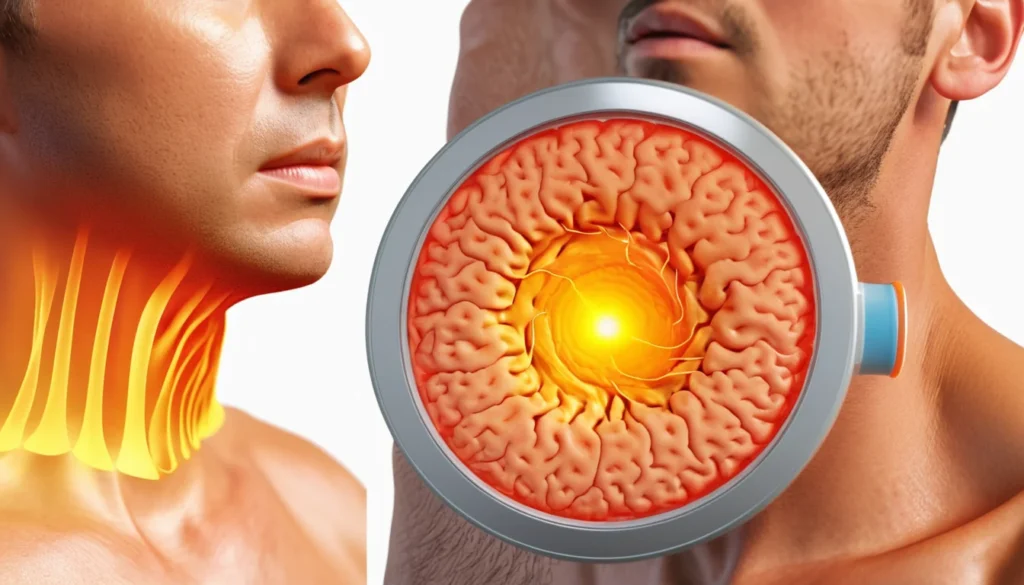
Heat stroke is one of the most dangerous heat-related illnesses — and it can be life-threatening. It happens when your body overheats and can no longer cool itself down. Every Canadian should know the warning signs, risk factors, and what to do in an emergency. This article covers everything you need to know about heat stroke, from early symptoms to treatment and prevention.
What Is Heat Stroke?
Heat stroke is a medical emergency. The body’s core temperature rises to 40°C or higher, and the person can no longer regulate their own heat. Without fast action, it can cause serious damage to the brain, heart, kidneys, and muscles.
Unlike mild heat illness, heat stroke can cause confusion, seizures, loss of consciousness, and even coma. The skin is often hot and dry to the touch because the body has stopped sweating altogether. This is a key sign that something is very wrong.
According to Health Canada, extreme heat is one of the leading weather-related causes of death in Canada. During heat waves, emergency rooms and walk-in clinics see a sharp rise in heat-related cases. Knowing the signs early can save a life.
Heat Stroke Symptoms to Watch For
Symptoms of heat stroke can sometimes look like a heart attack or stroke. In other cases, they come on very suddenly, with no warning at all. This makes it especially important to act fast.
Early Warning Signs: Heat Exhaustion
Heat exhaustion often comes before heat stroke. Catching it early can prevent a life-threatening situation. Watch for these signs:
Nausea or vomiting
Weakness and heavy fatigue
Headache
Muscle cramps or pain
Dizziness or feeling faint
Confusion or difficulty thinking clearly
However, some people skip heat exhaustion entirely. They may go directly into full heat stroke with no early warning. This is why you should never ignore hot conditions, especially during a heat advisory.
Common Heat Stroke Symptoms
Once heat stroke sets in, the symptoms become more severe. The most common signs include:
Body temperature above 40°C — measured rectally for accuracy
No sweating — skin feels hot and dry
Red or flushed skin
Rapid heartbeat
Difficulty breathing
Unusual behaviour — confusion, agitation, irritability, or delirium
Hallucinations
Disorientation or loss of coordination
Seizures
Loss of consciousness or coma
If you see these signs in someone, call 911 immediately. Do not wait to see if they improve on their own.
Two Types of Heat Stroke
Not all heat stroke is the same. There are two main types, and understanding the difference can help you spot the risk in yourself or someone you love.
Classic Heat Stroke
Classic heat stroke happens when a person cannot sweat normally. This may be due to a medical condition or certain medications. Without sweating, the body has no way to cool itself down in hot, humid weather.
This type most often affects older adults. Seniors living without air conditioning, or those managing chronic conditions like diabetes, are especially at risk. Classic heat stroke can develop slowly — sometimes over two to three days — which makes it easy to miss in the early stages.
Exertional Heat Stroke
Exertional heat stroke develops much faster. It can begin within just a few hours of intense physical activity in hot conditions. In this case, the person is sweating — but the body is still overheating because of the combination of heat, humidity, and physical effort.
This type typically affects younger, healthy people. Athletes, construction workers, and military personnel are common victims. Hot and humid Canadian summers — especially in provinces like Ontario and Quebec — can create dangerous conditions for outdoor exercise.
Risk Factors for Heat Stroke
Certain conditions and habits make heat stroke more likely. Understanding your personal risk helps you take extra precautions when temperatures climb.
Medical Conditions That Increase Risk
Several health conditions make it harder for your body to regulate temperature. These include:
Obesity
Diabetes
Heart or cardiovascular disease
Low blood pressure (hypotension)
Malnutrition
Sweat gland disorders
Many older Canadians live with one or more of these conditions. As a result, they face a significantly higher risk during summer heat waves.
Medications That Raise Your Risk
Some common medications interfere with your body’s ability to cool itself. Talk to your family doctor or pharmacist if you take any of the following:
Anticholinergics — used for Parkinson’s disease; reduce sweating
Antihistamines — used for allergies; reduce sweating
Antidepressants (tricyclic type)
Phenothiazines — tranquilizers
Diuretics — increase fluid loss
Beta-blockers and vasoconstrictors — restrict blood flow to the skin
These medications are commonly prescribed under provincial health plans across Canada. Your pharmacist can review your full medication list and flag any heat-related concerns. Furthermore, if you take any of these drugs, ask your doctor about extra precautions during hot weather.
Lifestyle and Environmental Factors
Beyond medical history, daily habits and living conditions also play a big role. The following factors increase heat stroke risk:
Excessive alcohol consumption — alcohol dehydrates the body quickly
Drug use (cocaine, amphetamines, LSD) — these raise body temperature and muscle activity
Living in upper floors of buildings without air conditioning
Wearing heavy or inappropriate clothing in hot weather
Physical exhaustion
Age over 65
Children under 2 years old — their small bodies cannot regulate temperature as well as older children or adults
People with limited mobility, those experiencing homelessness, or those in low-income situations who cannot access air conditioning
Every summer in Canada, tragedies occur when young children are left in parked cars, even for a short time. Car interiors heat up extremely fast. Never leave a child alone in a vehicle.
What to Do: Heat Stroke Treatment
Heat stroke is a medical emergency. Call 911 immediately. While waiting for help to arrive, your goal is to cool the person down as fast as possible. Speed is everything — early cooling greatly improves the chances of survival.
Here is what you can do right away:
Move the person to a cool, shaded area or indoors with air conditioning
Remove excess clothing
Apply cool, wet cloths to the skin — especially the neck, armpits, and groin
Use a fan to increase airflow over the body
Apply ice packs to the armpits, neck, and groin — but only briefly, as prolonged ice contact can damage skin
If the person is conscious and able to swallow, offer cool water to drink
The same basic treatment applies to both classic and exertional heat stroke. However, do not give the person anything to drink if they are confused, unconscious, or having a seizure. According to the Mayo Clinic’s guide on heat stroke, rapid cooling in the first minutes is the most critical factor in recovery.
Common Causes of Heat Stroke
Heat stroke does not happen randomly. It is almost always triggered by a combination of factors. The most common causes include:
Hot weather, especially during prolonged heat waves
Physical activity in extreme heat — particularly in people who are not physically fit
Living or working in spaces without air conditioning, especially upper floors
Wearing inappropriate clothing for hot weather
Excessive alcohol consumption
General fatigue
Being over 65 years old
Being a young child, particularly under age 2
In addition, the World Health Organization notes that climate change is making extreme heat events more frequent and more intense. This means heat stroke risk is rising for Canadians every decade.
When to See a Doctor
If you suspect heat stroke — in yourself or someone else — call 911 right away. Do not drive to the hospital yourself. This is a true emergency.
For milder heat-related symptoms — such as heat exhaustion without confusion or loss of consciousness — visit a walk-in clinic or urgent care centre as soon as possible. Many provincial health plans cover these visits at no cost.
Talk to your family doctor before the summer season if you take any medications that affect sweating or blood flow. Your doctor can give you a personalized heat safety plan. It is always better to ask ahead of time than to wait for an emergency.
Remember: if someone is confused, not sweating in extreme heat, or has collapsed, that is a 911 situation — not a walk-in clinic visit.
What are the first signs of heat stroke?
The first signs of heat stroke often include a very high body temperature (above 40°C), hot and dry skin, confusion, and a rapid heartbeat. Some people experience heat exhaustion first — with nausea, dizziness, and heavy sweating — before progressing to heat stroke. However, heat stroke can also come on suddenly with no warning signs at all.
What is the difference between heat exhaustion and heat stroke?
Heat exhaustion is a milder condition where the body is struggling with the heat but can still sweat. Heat stroke is far more serious — the body has lost the ability to cool itself, and the person may stop sweating entirely. Heat stroke requires immediate emergency care, while heat exhaustion can often be treated by moving to a cool place and drinking fluids.
How do you treat heat stroke at home while waiting for help?
Call 911 first, then focus on cooling the person down as quickly as possible. Move them to a cool area, remove excess clothing, and apply cool wet cloths or ice packs to the neck, armpits, and groin. Do not leave them alone, and do not give fluids if they are confused or unconscious.
Who is most at risk for heat stroke in Canada?
Older adults over 65, young children under 2, and people with chronic conditions like diabetes or heart disease face the highest heat stroke risk. People taking certain medications — such as antihistamines, diuretics, or beta-blockers — are also more vulnerable. Canadians living without air conditioning during summer heat waves should take extra precautions.
Can heat stroke cause permanent damage?
Yes, heat stroke can cause permanent organ damage if not treated quickly. The brain, kidneys, heart, and muscles can all be affected when the body temperature stays dangerously high for too long. Fast treatment is the most important factor in reducing the risk of lasting harm.
Is heat stroke covered by provincial health insurance in Canada?
Yes, emergency treatment for heat stroke — including ambulance services and hospital care — is generally covered under provincial health plans across Canada. Walk-in clinic visits for heat exhaustion are also typically covered. Check with your provincial health authority for the specific details of your coverage.
Key Takeaways
Heat stroke is a medical emergency — call 911 immediately if you suspect it.
Body temperature above 40°C, hot dry skin, and confusion are the most serious warning signs.
Heat exhaustion often comes first — treat it early to prevent heat stroke.
There are two types: classic heat stroke (common in older adults) and exertional heat stroke (common in athletes and active people).
Certain medications, health conditions, and lifestyle factors significantly raise your risk.
Cool the person down as fast as possible while waiting for emergency services.
Talk to your family doctor before summer if you have any risk factors — especially if you take medications that affect sweating or blood flow.
Never leave children or pets in parked cars, even for a few minutes.
Climate change is making extreme heat more common in Canada — being prepared is more important than ever.
This article is for general information only. Always consult your family doctor, a walk-in clinic, or call 911 in an emergency. Do not use this content as a substitute for professional medical advice.