Your heart ventricles are two powerful pumping chambers that keep blood moving through your entire body. Every single heartbeat depends on them working properly. Understanding how they function — and what can go wrong — can help you recognise warning signs early and take action before a small problem becomes a serious one.
What Are the Heart Ventricles?
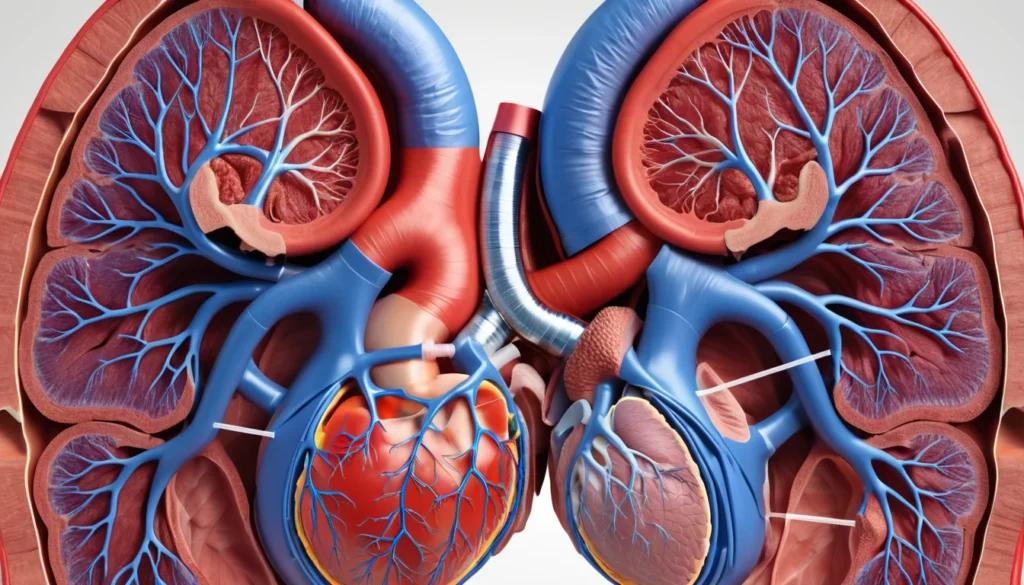
The heart has four chambers in total. The two upper chambers are called the atria (singular: atrium). The two lower chambers are the heart ventricles — one on the right side and one on the left.
A thick wall of muscle called the interventricular septum separates the right ventricle from the left. This wall makes sure that oxygen-rich blood and oxygen-poor blood do not mix. Each ventricle receives blood from the atrium directly above it, then pumps that blood out to the body.
Think of the ventricles as the engine room of the heart. The atria collect blood and pass it along, but the ventricles do the heavy lifting — they contract powerfully with each heartbeat to push blood forward.
How the Heart Ventricles Work
Each time your heart beats, it goes through a cycle of relaxation and contraction. The contraction phase is called systole (SIS-toh-lee). During systole, both ventricles squeeze at the same time and push blood out into the major blood vessels.
This process happens roughly 60 to 100 times per minute in a healthy adult at rest. That adds up to more than 100,000 beats every single day. Over a lifetime, the ventricles pump tens of millions of litres of blood without ever stopping to rest.
The Right Ventricle
The right ventricle has a triangular shape and a thinner wall than the left. It receives deoxygenated blood — blood that has already delivered its oxygen to the body’s tissues — from the right atrium.
During systole, the right ventricle pumps this oxygen-poor blood into the pulmonary artery. From there, the blood travels to the lungs, picks up a fresh supply of oxygen, and releases carbon dioxide. This is called pulmonary circulation, or the “small circulation.”
Because the right ventricle only needs to push blood a short distance to the nearby lungs, it does not need to work as hard. As a result, its walls are thinner and less muscular than those of the left ventricle.
The Left Ventricle
The left ventricle is the largest and most muscular of the four heart chambers. It receives oxygen-rich blood from the left atrium and pumps it into the aorta — the largest artery in the body.
From the aorta, blood branches out to every organ and tissue in the body, excluding the lungs. This is called systemic circulation, or the “large circulation.” Because this circuit covers the entire body, the left ventricle must generate much more pressure than the right. Therefore, its walls are significantly thicker and stronger.
The left ventricle is the chamber most often associated with heart health measurements. For example, when your doctor measures your blood pressure, they are largely measuring the force that the left ventricle produces with each contraction.
For a deeper look at how the heart’s structure supports its function, visit the Mayo Clinic’s guide to heart disease.
What Is Ventricular Failure?
When one or both heart ventricles can no longer pump blood effectively, doctors call this ventricular failure. Depending on which side is affected, it may be called right-sided, left-sided, or global (both sides) heart failure.
Ventricular failure is a serious condition, but it is also one of the most common reasons Canadians visit their family doctor or end up in hospital. According to Health Canada’s health system reports, heart disease remains one of the leading causes of hospitalisation across all provinces.
Understanding the difference between right-sided and left-sided failure can help you make sense of your symptoms and your diagnosis.
Right-Sided Ventricular Failure
Right-sided heart failure happens when the right ventricle cannot pump blood efficiently to the lungs. As a result, blood backs up in the veins of the body. This causes fluid to build up in the legs, ankles, feet, and sometimes the abdomen.
Common causes of right ventricular failure include:
Pulmonary embolism — a blood clot that blocks the pulmonary artery, making it suddenly much harder for the right ventricle to push blood through
Pulmonary arterial hypertension — high blood pressure specifically in the blood vessels of the lungs, which forces the right ventricle to work harder over time
Chronic respiratory disease — conditions like COPD (chronic obstructive pulmonary disease) that damage the lungs and raise pressure in the pulmonary circulation
Left-sided heart failure — when the left ventricle fails first, increased pressure can back up through the lungs and eventually overwhelm the right ventricle as well
Symptoms of right ventricular failure often include swelling in the lower body, fatigue, and a feeling of fullness or discomfort in the abdomen. Some people also notice that their neck veins look more prominent than usual.
Left-Sided Ventricular Failure
Left-sided heart failure means the left ventricle can no longer pump enough blood out to the body. Because the left ventricle is responsible for systemic circulation, this type of failure can affect virtually every organ.
Common causes include:
Heart attack (myocardial infarction) — a blockage in a coronary artery kills part of the heart muscle, weakening the left ventricle’s ability to contract
Mitral valve disease (mitral valvulopathy) — a damaged or leaky mitral valve forces the left ventricle to work harder than normal
High blood pressure (hypertension) — sustained high pressure forces the left ventricle to pump against increased resistance, gradually thickening and weakening the muscle over time
Cardiomyopathy — a disease of the heart muscle itself that reduces the ventricle’s pumping strength
Left ventricular failure often causes shortness of breath, especially when lying flat or during physical activity. Fatigue, a persistent cough, and difficulty sleeping are also common signs. In advanced cases, fluid can build up in the lungs — a dangerous condition called pulmonary oedema.
For more detailed information on heart failure types and treatments, the Healthline overview of heart failure provides reliable, easy-to-read information.
Risk Factors for Ventricular Problems
Several well-known health conditions and lifestyle factors can put extra strain on your heart ventricles over time. Knowing your personal risk factors is one of the most important steps you can take toward preventing heart disease.
The main risk factors include:
High blood pressure — one of the most common and controllable risk factors in Canada
Coronary artery disease — narrowing of the arteries that supply the heart muscle
Diabetes — raises the risk of damage to blood vessels and heart muscle
Obesity — increases the workload on the heart
Smoking — damages blood vessels and reduces oxygen delivery to the heart
Excessive alcohol consumption — can weaken the heart muscle directly
A family history of heart disease — genetics play a meaningful role
Physical inactivity — a sedentary lifestyle increases nearly every cardiovascular risk factor
In addition, sleep apnea — which is underdiagnosed in Canada — can place repeated stress on the heart during the night. If you snore loudly or feel exhausted despite a full night of sleep, it is worth mentioning to your family doctor.
How Doctors Diagnose Ventricular Conditions
If your doctor suspects a problem with your heart ventricles, they have several effective tools to investigate. Most of these tests are available through provincial health plans and can be arranged through a referral from your family doctor or walk-in clinic.
Common diagnostic tools include:
Electrocardiogram (ECG or EKG) — a quick, painless test that records the electrical activity of the heart and can detect irregular rhythms or signs of a previous heart attack
Echocardiogram — an ultrasound of the heart that shows how the ventricles are moving and pumping in real time; this is one of the most useful tests for diagnosing ventricular failure
Chest X-ray — can show whether the heart is enlarged or whether fluid has built up in the lungs
Blood tests — markers such as BNP (B-type natriuretic peptide) rise in the blood when the ventricles are under stress, helping confirm a diagnosis of heart failure
Cardiac MRI — provides very detailed images of the heart’s structure and is used in more complex cases
Cardiac catheterisation — a more invasive procedure used when doctors need to measure pressures directly inside the heart’s chambers or assess the coronary arteries
Early diagnosis makes a significant difference in outcomes. Furthermore, many Canadians have access to cardiac care through their provincial health systems without needing to pay out of pocket for basic tests.
When to See a Doctor
Some symptoms of ventricular problems develop slowly over months or years. Others can appear suddenly and require emergency care. Knowing the difference could save your life.
Call 911 immediately if you experience any of the following:
Sudden, severe chest pain or pressure
Difficulty breathing at rest
Sudden weakness, numbness, or confusion
Fainting or loss of consciousness
A rapid, pounding, or irregular heartbeat that does not resolve within a few minutes
Book an appointment with your family doctor or visit a walk-in clinic if you notice:
Gradual swelling in your legs, ankles, or feet
Unexplained fatigue that gets worse with light activity
Shortness of breath when lying flat or climbing stairs
A persistent cough or wheezing without an obvious cause
Unexplained weight gain of more than two kilograms in a few days (this can indicate fluid retention)
Do not wait to see if these symptoms go away on their own. Your family doctor can order an ECG and basic blood work at your very first visit. If needed, you will be referred to a cardiologist through your provincial health plan. Early treatment for ventricular problems is far more effective than treating advanced heart failure.
Remember: always consult a qualified healthcare provider before making any decisions about your heart health. This article provides general information only and is not a substitute for personalised medical advice from your doctor.
Frequently Asked Questions About Heart Ventricles
What do the heart ventricles do?
The heart ventricles are the two lower chambers of the heart responsible for pumping blood out to the lungs and the rest of the body. The right ventricle sends blood to the lungs to pick up oxygen, while the left ventricle pumps oxygen-rich blood to every other organ in the body. Together, they keep your entire circulatory system moving with every heartbeat.
What is the difference between the right and left ventricle?
The right ventricle pumps oxygen-poor blood a short distance to the lungs, so it has thinner, less muscular walls. The left ventricle pumps oxygen-rich blood throughout the entire body, which requires much more force — therefore, its walls are significantly thicker and stronger. Problems with the left ventricle tend to cause shortness of breath, while right ventricle problems more often cause leg swelling and fluid retention.
What causes ventricular failure?
Ventricular failure occurs when one or both heart ventricles can no longer pump blood effectively. Common causes include heart attacks, high blood pressure, valve disease, cardiomyopathy, pulmonary embolism, and chronic lung disease. Managing risk factors like high blood pressure and diabetes early is one of the best ways to prevent ventricular failure from developing.
Can ventricular problems be treated?
Yes — many ventricular conditions respond well to treatment, especially when caught early. Treatment options may include medications to reduce the heart’s workload, lifestyle changes, cardiac rehabilitation, or in some cases surgical procedures. Your family doctor or a cardiologist through your provincial health plan can guide you toward the right treatment based on your specific diagnosis.
What are the warning signs of a ventricular problem?
Warning signs that your heart ventricles may not be working properly include shortness of breath, unexplained fatigue, swelling in the legs or ankles, persistent cough, and difficulty lying flat without feeling breathless. Sudden chest pain, fainting, or severe breathing difficulty are emergency symptoms — call 911 right away. For milder ongoing symptoms, visit your family doctor or a walk-in clinic as soon as possible.
Is ven