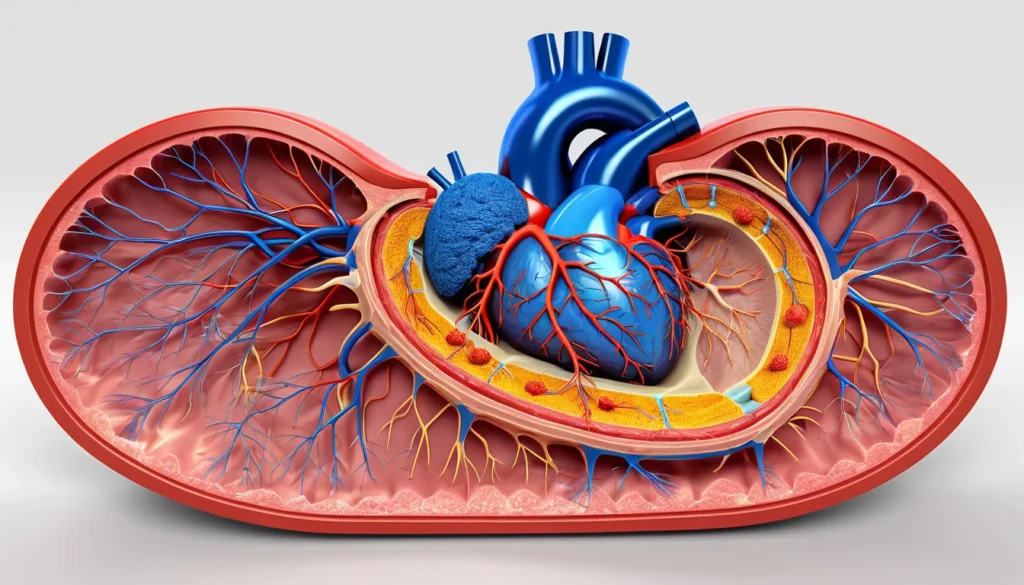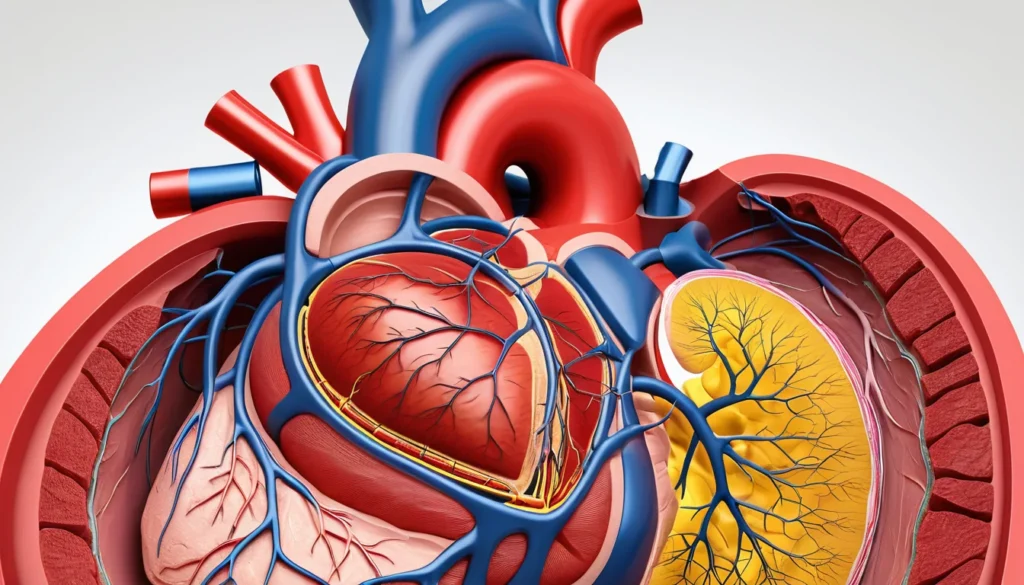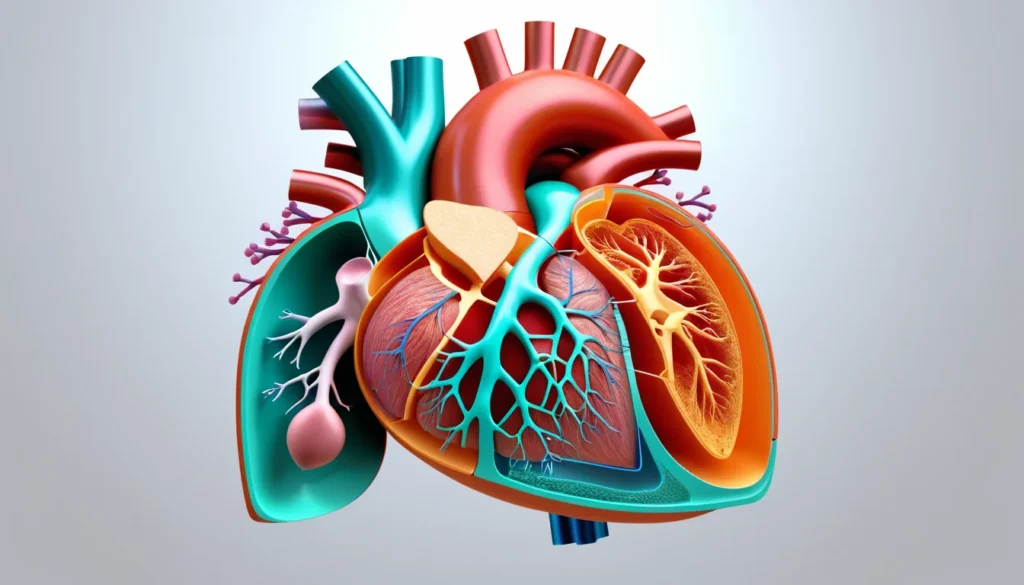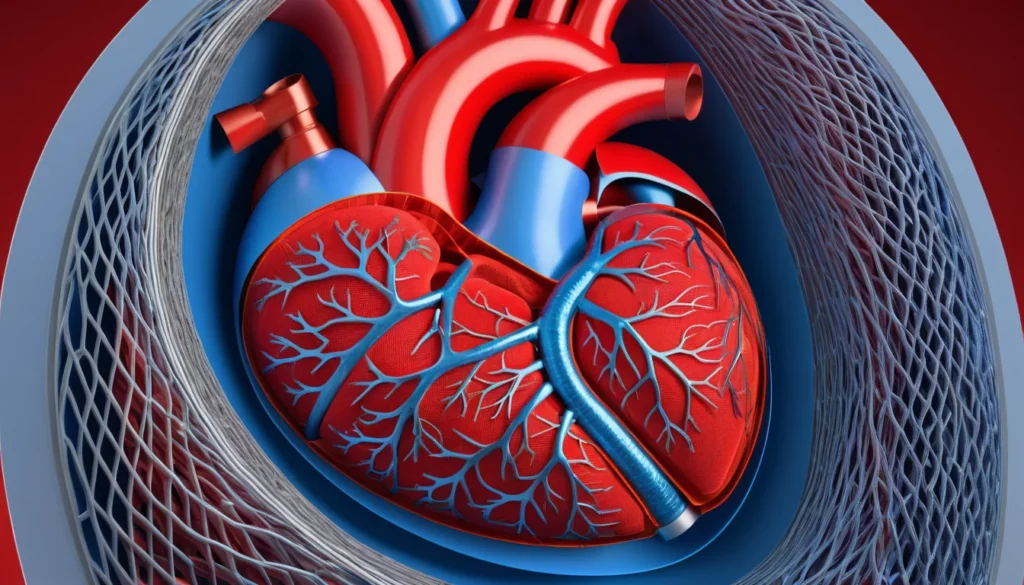
A heart stent is a small mesh tube that doctors place inside a narrowed artery to restore healthy blood flow. It is one of the most common procedures performed for coronary artery disease in Canada today. Understanding what a stent does, why you may need one, and how to care for yourself afterward can make a real difference in your recovery. This guide walks you through everything you need to know, in plain language.
What Is a Heart Stent and Why Is It Used?
A heart stent is a tiny cylindrical device, usually made of metal mesh, that a cardiologist places inside a blocked or narrowed artery. Once in place, it props the artery open and allows blood to flow freely again. Most stents used today are drug-eluting, meaning they slowly release medication to help prevent the artery from narrowing again.
Stents are used to treat a condition called atherosclerosis. Atherosclerosis happens when fatty deposits, called plaque, build up inside the walls of your arteries over time. This buildup narrows the artery and reduces blood flow to your heart or brain. Without treatment, it can lead to a heart attack or stroke.
According to Health Canada, heart disease remains one of the leading causes of death in Canada. Stent procedures have helped save thousands of lives by quickly restoring blood flow during or after a cardiac event.
Understanding Atherosclerosis: The Root Cause
Atherosclerosis is a slow, progressive disease. It affects the large and medium-sized arteries throughout your body. It develops over many years, often without any obvious warning signs until a serious event occurs.
The process begins when fatty substances, cholesterol, and other particles collect along the inner walls of an artery. Over time, this forms a plaque. Inflammation then plays a key role in making that plaque unstable. An unstable plaque can crack or rupture, triggering a blood clot that can block the artery entirely.
For the heart, this blockage causes a heart attack. For the brain, it causes an ischemic stroke. Both are medical emergencies requiring immediate care.
Risk Factors You Should Know
Several factors increase your risk of developing atherosclerosis. Some you cannot change, and others you can manage with lifestyle choices and medical support. Common risk factors include:
Age — risk increases as you get older
Family history — genetics play a role in cardiovascular disease
Smoking — one of the most significant modifiable risk factors
High blood pressure (hypertension)
High cholesterol (dyslipidemia)
Type 2 diabetes
Obesity
Physical inactivity
Excessive alcohol consumption
Chronic stress and psychosocial factors
Newer research has also identified additional risk markers, such as elevated homocysteine levels and certain inflammatory proteins in the blood. Talk to your family doctor about whether testing for these makes sense for you.
Recognising the Warning Signs
Knowing the symptoms of reduced blood flow to your heart or brain is essential. The two organs most often affected by atherosclerosis are the heart and the brain.
Heart-Related Symptoms
When the coronary arteries are affected, you may experience shortness of breath, unusual tiredness, and fatigue. However, the most important symptom to recognise is chest pain. This type of chest pain, called angina, has specific features:
It feels like squeezing, pressure, or tightness in the chest
It often spreads to the neck, jaw, left shoulder, left arm, or upper back
It covers a wide area — you would point to it with your whole hand, not one finger
It is triggered by physical activity, stress, cold weather, or a heavy meal
It lasts less than 20 minutes in stable (chronic) cases, or longer than 20 minutes in an acute emergency
It may improve with rest or nitroglycerin in stable cases
If chest pain lasts more than 20 minutes and does not improve with rest, call 911 immediately. This could be a heart attack. Do not drive yourself to the hospital.
Brain-Related Symptoms
When the carotid arteries supplying the brain are affected, different symptoms appear. These include sudden headache, dizziness, loss of balance, and difficulty speaking. Sudden weakness or paralysis on one side of the face or body is also a warning sign.
These can be signs of a stroke or a transient ischemic attack (TIA), sometimes called a “mini-stroke.” Both require emergency medical attention. Use the FAST method: Face drooping, Arm weakness, Speech difficulty, Time to call 911.
The Heart Stent Procedure: What to Expect
If you need a heart stent, your cardiologist will perform a procedure called percutaneous coronary intervention (PCI), also known as angioplasty. This is a minimally invasive procedure done in a cardiac catheterisation laboratory.
The doctor inserts a thin, flexible tube called a catheter through a small incision, usually at the wrist (radial artery) or groin (femoral artery). The catheter is guided through the blood vessels to the blocked artery. A small balloon at the tip is inflated to open the blockage, and then the stent is placed to keep the artery open.
The procedure typically takes one to two hours. Most patients stay in hospital for one to two days afterward for monitoring. In emergency situations, such as a heart attack, the procedure may happen much faster to restore blood flow as quickly as possible.
For more detail on how this procedure works, visit the Mayo Clinic’s guide to coronary angioplasty and stents.
Rules to Follow After Your Heart Stent
Recovery after a heart stent is a critical time. Following your care team’s instructions carefully can significantly reduce your risk of complications.
Medications After a Stent
After a stent procedure, your doctor will prescribe antiplatelet medications. These blood-thinning drugs, commonly aspirin combined with another medication such as clopidogrel, help prevent blood clots from forming inside the stent. It is absolutely essential that you take these medications exactly as prescribed and do not stop them without speaking to your cardiologist first.
Stopping antiplatelet therapy too early is one of the most dangerous things a stent patient can do. It can lead to stent thrombosis, a sudden and life-threatening clot inside the stent. Your provincial health plan may cover some or all of these medications, so check with your pharmacist about your coverage.
Lifestyle Changes That Protect Your Heart
A stent treats the blockage, but it does not cure the underlying disease. Atherosclerosis will continue to progress unless you make meaningful lifestyle changes. Your care team will likely refer you to a cardiac rehabilitation programme, which is covered under most provincial health plans.
Key lifestyle changes include:
Quit smoking — this is the single most impactful change you can make
Eat a heart-healthy diet — focus on vegetables, fruit, whole grains, and high-fibre foods; reduce saturated fat and sodium
Exercise regularly — follow your cardiac rehab programme’s guidance on safe activity levels
Manage stress — chronic stress raises blood pressure and contributes to heart disease
Maintain a healthy weight
Limit alcohol
Monitor blood pressure, cholesterol, and blood sugar regularly
The World Health Organization notes that up to 80% of premature heart disease can be prevented through healthy lifestyle behaviours. Small, consistent changes add up over time.
Activity and Return to Daily Life
Most people return to light daily activities within a week after an elective stent procedure. However, strenuous activity, heavy lifting, and vigorous exercise should be avoided until your cardiologist clears you. If the stent was placed during a heart attack, recovery may take longer.
Always follow the specific instructions given by your hospital’s care team. Each person’s recovery is different, depending on overall health, how many stents were placed, and how much heart muscle was affected.
Warning Signs After a Heart Stent Procedure
After going home, it is important to watch for any unusual symptoms. Some symptoms may signal a serious complication and need immediate attention.
Go to the nearest emergency department or call 911 if you experience:
Chest pain, pressure, or tightness that does not go away
Shortness of breath at rest
Palpitations (a rapid, pounding, or irregular heartbeat)
Sudden dizziness or loss of consciousness
Swelling, bleeding, or unusual pain at the catheter insertion site
Sudden severe headache, facial drooping, or arm weakness (signs of stroke)
In addition, watch for signs of infection at the insertion site, such as redness, warmth, or discharge. Contact your healthcare provider promptly if any of these develop.
When to See a Doctor
After a heart stent procedure, regular follow-up appointments are essential. Your cardiologist will schedule visits to check how well the stent is working and to review your medications and lifestyle progress.
In between appointments, your family doctor plays an important role in managing your ongoing cardiovascular health. They can monitor your blood pressure, cholesterol, and diabetes if applicable, and coordinate care with your specialist. If you do not have a family doctor, a walk-in clinic can assist with routine follow-up care and prescription renewals.
Do not wait until your next scheduled appointment if something feels wrong. Trust your instincts. It is always better to be checked and reassured than to ignore a symptom that turns out to be serious. Your provincial health plan covers most follow-up cardiology visits, so cost should not be a barrier to seeking care.
Frequently Asked Questions About Heart Stents
How long does a heart stent last?
A heart stent is a permanent implant and is designed to stay in your artery for the rest of your life. Modern drug-eluting stents are highly durable and rarely need to be replaced. However, the artery around the stent can still narrow again over time, especially if lifestyle changes are not made.
Can I live a normal life after a heart stent?
Yes, most people live full and active lives after a heart stent procedure. With the right medications, lifestyle changes, and regular follow-up care, many patients return to work, exercise, travel, and all daily activities. Your cardiac rehabilitation programme will help you rebuild strength and confidence safely.
What foods should I avoid after a heart stent?
After a heart stent, it is best to avoid foods high in saturated fat, trans fat, and sodium, as these contribute to further plaque buildup in your arteries. Limit processed meats, fried foods, full-fat dairy, and salty packaged snacks. Instead, focus on a diet rich in vegetables, fruit, whole grains, fibre, and healthy fats like those found in fish, nuts, and olive oil.
Is a heart stent procedure covered by provincial health insurance in Canada?
Yes, in Canada, heart stent procedures performed in hospital are generally covered under provincial and territorial health insurance plans. This includes both emergency and elective procedures. Some costs, such as certain medications or private room fees, may not be covered, so it is worth checking with your provincial health authority or a pharmacist about your specific coverage.
What is the difference between a bare-metal stent and a drug-eluting stent?
A bare-metal stent is a plain metal mesh tube, while a drug-eluting stent is coated with medication that slowly releases into the artery wall. The medication in a drug-eluting heart stent helps prevent scar tissue from forming inside the stent and reduces the chance of the artery narrowing again. Drug-eluting stents are the most commonly used type today because of their better long-term outcomes.
How soon can I return to work after a heart stent?
Many people return to desk or light work within one to two weeks after an elective heart stent procedure. If your job involves heavy physical labour, you may need four to six weeks before returning, depending on your cardiologist’s advice. Always get medical clearance before going back to any physically demanding work.
Key Takeaways
A heart stent is a small mesh device placed inside a narrowed artery to restore blood flow and treat atherosclerosis. Atherosclerosis is caused by plaque buildup and is driven by risk factors such as smoking, high blood pressure, high cholesterol, diabetes, and poor diet. Chest pain that lasts more than 20 minutes, or sudden stroke-like symptoms, require an immediate call to 911. After a stent procedure, taking antiplatelet medications as prescribed is critical — never stop them without consulting your cardiologist. Lifestyle changes, including quitting smoking, eating a high-fibre diet, and regular exercise,