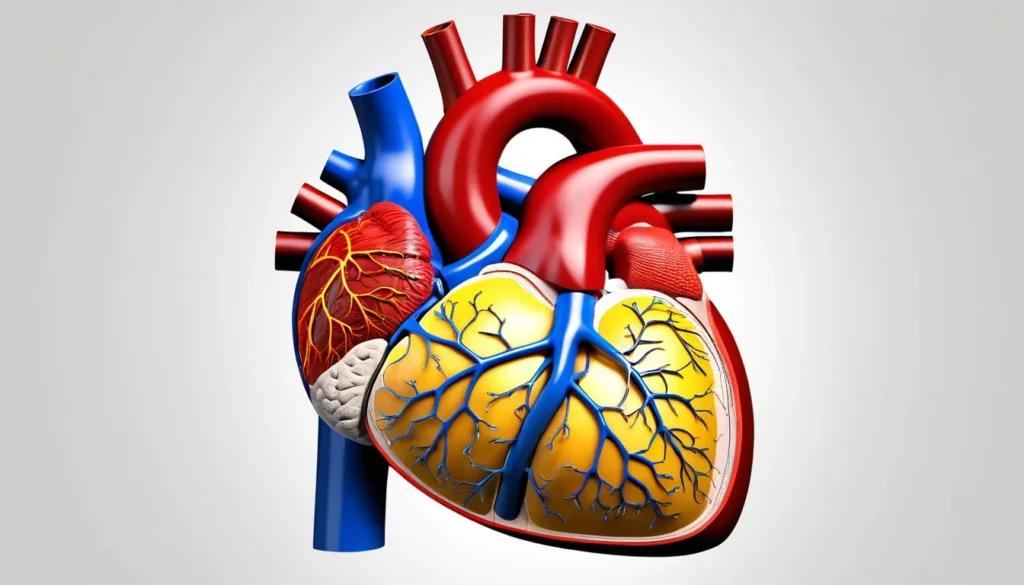
Heart rhythm disorders happen when the electrical signals that control your heartbeat stop working properly. Your heart may beat too fast, too slow, or unevenly. These conditions — also called arrhythmias — range from harmless to life-threatening. Understanding the types, symptoms, and treatment options can help you take better care of your heart health.
What Are Heart Rhythm Disorders?
Your heart has a natural pacemaker called the sinoatrial (SA) node. It sends electrical signals that tell your heart when to beat. When something disrupts these signals, heart rhythm disorders can develop.
Treatment options include medications, catheter-based procedures, implanted devices like pacemakers, and surgery. The goal is always to bring the heart back to a safe, steady rhythm. In addition, maintaining a healthy lifestyle plays a big role in preventing the underlying conditions that trigger arrhythmias.
According to Health Canada, heart disease remains one of the leading causes of death in Canada. Recognizing arrhythmias early can make a meaningful difference in outcomes.
How Are Heart Rhythm Disorders Classified?
Doctors classify heart rhythm disorders mainly by heart rate. There are two broad categories: rhythms that are too fast and rhythms that are too slow.
Tachycardia: A heart rate above 100 beats per minute.
Bradycardia: A heart rate below 60 beats per minute.
Doctors also look at where the problem starts. An arrhythmia may begin in the upper chambers (atria), the middle junction between chambers, or the lower chambers (ventricles). Each location produces different symptoms and requires different treatment.
Types of Fast Heart Rhythms (Tachyarrhythmias)
Fast heart rhythm disorders are grouped under the term tachyarrhythmias. There are several important types that Canadians should know about.
Atrial Fibrillation
Atrial fibrillation (AFib) is the most common serious arrhythmia. The upper chambers of the heart quiver rapidly and irregularly, sometimes between 400 and 600 beats per minute. Patients often feel palpitations, fatigue, dizziness, or disrupted sleep.
AFib can be temporary (paroxysmal), long-lasting, or permanent. It requires blood-thinning medication in most cases. This is because blood can pool and clot in the left atrium. If a clot travels to the brain, it causes a stroke or transient ischemic attack (TIA).
Atrial Flutter
Atrial flutter is similar to AFib but more regular. The atrial rate is typically between 150 and 300 beats per minute. However, like AFib, it still carries a high risk of stroke. Therefore, blood-thinning therapy is also usually required.
Supraventricular Tachycardia (SVT)
SVT originates above the ventricles. It causes sudden episodes of rapid heartbeat that start and stop on their own. Many people describe a sudden “flip” in their chest. SVT is often benign but can feel very alarming.
Ventricular Fibrillation
Ventricular fibrillation (VFib) is a medical emergency. The lower chambers of the heart quiver chaotically instead of pumping blood. As a result, the heart loses its ability to function as a pump. Without immediate CPR and defibrillation, it is fatal within minutes.
VFib most often occurs in people with existing structural heart disease or after a serious cardiac event. Emergency responders use a defibrillator to restore a normal rhythm. Bystander CPR is critical while help is on the way. You can learn CPR through the Mayo Clinic’s CPR guide.
Ventricular Tachycardia
Ventricular tachycardia (VTach) is a fast heart rhythm starting in the ventricles, above 100 beats per minute. It reduces the heart’s ability to fill properly with blood. This means the body receives less oxygen with each pump.
People with a structurally normal heart often tolerate short episodes well. However, sustained VTach needs prompt treatment. Options include vagal manoeuvres, medication, or an electrical shock if the patient becomes haemodynamically unstable.
Inherited Arrhythmia Syndromes
Some heart rhythm disorders are passed down through families. These genetic conditions carry a risk of sudden cardiac death. They include:
Long QT Syndrome: An abnormality on an ECG that can trigger ventricular fibrillation and sudden death.
Short QT Syndrome: Predisposes patients to atrial or ventricular fibrillation.
Catecholaminergic Polymorphic Ventricular Tachycardia (CPVT): Linked to exercise-induced syncope and sudden cardiac death.
If you have a family history of unexplained sudden death or fainting, speak with your family doctor about genetic cardiac screening.
Types of Slow Heart Rhythms (Bradyarrhythmias)
A heart rate under 60 beats per minute is called bradycardia. However, context matters greatly. Athletes, for example, naturally have slower resting heart rates. A rate of 50 beats per minute during sleep is also considered normal.
Bradyarrhythmias can occur at different points in the heart’s electrical system — the SA node, the atrioventricular (AV) node, or within the ventricles themselves.
Diagnosing Slow Rhythms
Doctors use several tests to identify bradyarrhythmias. These include carotid sinus compression, electrophysiology studies, stress tests, and tilt-table testing. Each test helps pinpoint where the electrical problem is located.
Treatment depends on whether the patient has symptoms and what the investigations reveal. In many cases, a permanent pacemaker is recommended. For ventricular conduction problems (bundle branch blocks), cardiac resynchronisation therapy may be a better option when eligibility criteria are met.
Premature (Extra) Heartbeats
Premature heartbeats — also called extrasystoles — are early beats that interrupt the heart’s normal rhythm. They can originate in the atria or ventricles. Most people feel them as a flutter, a skipped beat, or a brief pounding sensation in the chest.
These beats may be isolated or occur in pairs and triplets. Stress, intense physical activity, caffeine, and nicotine are common triggers. In most healthy people, occasional premature beats are harmless. However, frequent or symptomatic beats deserve medical attention.
Common Symptoms of Heart Rhythm Disorders
Many heart rhythm disorders produce no symptoms at all. A doctor may first detect an irregular heartbeat during a routine physical exam. Furthermore, some arrhythmias are found accidentally during ECG testing for another reason.
When symptoms do appear, they can include:
Palpitations (fluttering or pounding in the chest)
A racing or unusually slow heartbeat
Shortness of breath
Fatigue or weakness
Chest pain or discomfort
Dizziness or lightheadedness
Fainting (syncope)
Fainting caused by an arrhythmia tends to happen suddenly, often preceded by palpitations. The most serious outcome of an undetected or untreated arrhythmia is sudden cardiac death. This is most commonly linked to ventricular fibrillation or ventricular tachycardia.
For more information on heart health symptoms, the World Health Organization’s cardiovascular disease resource is a helpful reference.
Heart Rhythm Disorders in Children vs. Adults
While arrhythmias are more commonly discussed in adults, children can also develop heart rhythm disorders. In children, arrhythmias are more often related to congenital (present at birth) heart conditions or inherited syndromes like Long QT.
SVT is the most common symptomatic arrhythmia in children and infants. Symptoms in young children can be harder to spot. Parents may notice a baby breathing fast, feeding poorly, or seeming unusually pale or fussy.
In adults, arrhythmias are more often linked to lifestyle factors, aging, high blood pressure, or coronary artery disease. AFib, for example, becomes significantly more common after age 60. Adults are also more likely to have structural heart changes that create conditions for arrhythmias to develop.
Both children and adults benefit from early diagnosis and consistent follow-up care with a cardiologist or paediatric cardiologist.
When to See a Doctor
If you experience palpitations, dizziness, unexplained fainting, or shortness of breath, do not ignore these signs. Start by contacting your family doctor. They can order an ECG and refer you to a cardiologist if needed.
Most provincial health plans in Canada cover ECGs and specialist referrals when ordered by a family doctor. If you do not have a family doctor, a walk-in clinic can provide an initial assessment and ECG.
Call 911 immediately if you or someone nearby loses consciousness, has chest pain, or stops breathing normally. These may be signs of ventricular fibrillation — a life-threatening emergency that requires immediate action.
Always speak with a qualified healthcare provider before making decisions about your heart health. This article is for general information only and is not a substitute for professional medical advice.
Frequently Asked Questions
What are the most common heart rhythm disorders in Canada?
Atrial fibrillation is the most common serious heart rhythm disorder in Canada, affecting hundreds of thousands of Canadians. Premature heartbeats and supraventricular tachycardia (SVT) are also frequently diagnosed. Your family doctor or a cardiologist can confirm a diagnosis with an ECG.
Can heart rhythm disorders be cured?
Some heart rhythm disorders, like SVT, can be effectively cured with a procedure called catheter ablation. Others, like atrial fibrillation, are managed long-term with medications or procedures rather than fully cured. Treatment success depends on the type and underlying cause of the arrhythmia.
Are heart rhythm disorders dangerous?
Many heart rhythm disorders are benign and do not require treatment beyond monitoring. However, conditions like ventricular fibrillation and long QT syndrome can be life-threatening if left untreated. Early detection and proper medical care significantly reduce the risk of serious complications.
What triggers heart rhythm problems?
Common triggers for heart rhythm disorders include stress, excess caffeine, nicotine, alcohol, intense exercise, and underlying heart conditions. Thyroid problems, electrolyte imbalances, and certain medications can also disrupt normal heart rhythms. Identifying and managing triggers is an important part of treatment.
How are heart rhythm disorders diagnosed?
The most common diagnostic tool for heart rhythm disorders is an electrocardiogram (ECG), which records the heart’s electrical activity. Doctors may also use a Holter monitor (a portable ECG worn for 24–48 hours) or order an electrophysiology study. In Canada, these tests are typically covered by provincial health plans with a referral.
Can children have heart rhythm disorders?
Yes, children can develop heart rhythm disorders, though the causes often differ from those in adults. SVT is the most common symptomatic arrhythmia in children, and some inherited syndromes like long QT can affect infants and teenagers. Parents who notice a child fainting, breathing rapidly, or having an unusually fast heartbeat should seek medical evaluation promptly.
Key Takeaways
Heart rhythm disorders occur when the heart’s electrical system malfunctions, causing it to beat too fast, too slow, or irregularly.
The two main categories are tachyarrhythmias (fast rhythms) and bradyarrhythmias (slow rhythms).
Atrial fibrillation is the most common serious arrhythmia and significantly raises stroke risk.
Some arrhythmias are inherited — a family history of unexplained fainting or sudden death warrants genetic screening.
Many arrhythmias have no symptoms and are found during routine checkups.
Children can develop arrhythmias too, often related to congenital or inherited conditions.
If you have symptoms, start with your family doctor or a walk-in clinic. Call 911 for emergencies.
Most diagnostic tests are covered by provincial health plans in Canada with a doctor’s referral.