Heart palpitations in children are more common than most parents realize. They happen when a child feels their heart beating fast, hard, or in an uneven rhythm. While this can be frightening for both kids and parents, most palpitations are not a sign of a serious heart problem. This article explains what causes them, what symptoms to watch for, and when to seek medical help in Canada.
What Are Heart Palpitations in Children?
A palpitation is the feeling of being aware of your own heartbeat. Your child might describe it as their heart “pounding,” “fluttering,” or “skipping a beat.” However, younger children may not have the words to explain what they feel.
Palpitations can happen in perfectly healthy children. They can also occur in children who have underlying heart conditions. In most cases, though, a child who complains of heart palpitations does not have a serious heart disease.
It is important to take your child’s complaints seriously. Even if the cause turns out to be harmless, your child deserves proper attention and care. Your family doctor is a great first point of contact if you have any concerns.
Common Causes of Heart Palpitations in Children
Many everyday factors can trigger heart palpitations in children. These causes are usually not dangerous. Understanding them can help you respond calmly when palpitations happen.
Common triggers include:
Not drinking enough fluids — Dehydration puts extra stress on the heart.
Lack of physical fitness — Children who are not regularly active may notice their heart racing more easily.
Fear or stress — Anxiety and panic can cause the heart to beat faster.
Illness or medication — Colds, allergies, or asthma medications can sometimes speed up the heart rate.
Caffeine — Energy drinks, sodas, and even some teas contain caffeine, which can trigger palpitations.
In rarer cases, palpitations may point to an underlying medical condition. For example, anaemia, thyroid problems, or a heart rhythm disorder called an arrhythmia can all cause an irregular or racing heartbeat. These conditions require proper medical evaluation.
How the Heart’s Electrical System Works
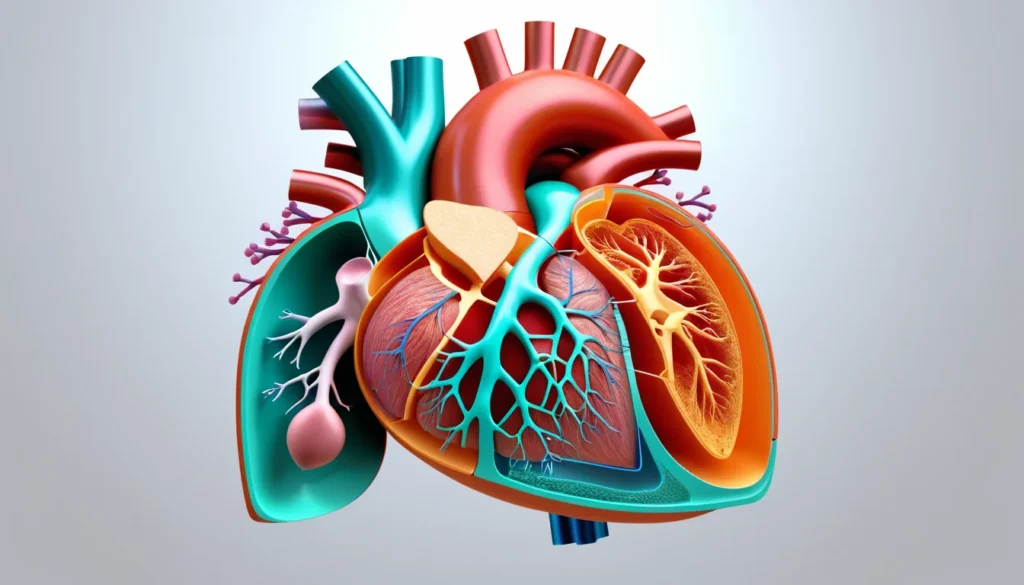
To understand palpitations, it helps to know a little about how the heart works. The heart has its own built-in electrical system that keeps its four chambers beating in a coordinated rhythm.
A small area called the sinoatrial node — or sinus node — acts as the heart’s natural pacemaker. It sends electrical signals at regular intervals to trigger each heartbeat. However, sometimes other areas of the heart send signals early, before the sinus node does.
These are called premature beats. They are very common in children with normal, healthy hearts. Some children never notice them at all. Others feel every extra beat and describe it as a palpitation.
Premature beats are not dangerous on their own. In addition, they are one of the most frequent causes of palpitations in children. That said, if premature beats happen alongside other symptoms like fainting or chest pain, further investigation is needed.
Supraventricular Tachycardia (SVT)
Some children are born with extra electrical connections in their heart. These connections can cause the heart to beat very fast in an abnormal way. This condition is called supraventricular tachycardia, or SVT.
SVT starts in the upper chambers of the heart. During an episode, a child’s heart can race to 200 beats per minute or more. As a result, the child may feel dizzy, short of breath, or very unwell. SVT requires medical assessment and sometimes treatment.
You can learn more about heart rhythm disorders from Mayo Clinic’s overview of supraventricular tachycardia.
Signs and Symptoms to Watch For
Heart palpitations in children become more concerning when they occur alongside other symptoms. On their own, palpitations are usually harmless. However, certain warning signs mean you should seek medical attention promptly.
Watch for these symptoms occurring together with palpitations:
Fainting or near-fainting — This may mean the heart is not pumping enough blood to the brain.
Chest pain or discomfort — This should never be ignored in a child.
Difficulty breathing — Shortness of breath during or after palpitations is a warning sign.
Extreme paleness or sweating — These can signal the heart is under significant stress.
Persistent rapid heartbeat — A heart rate consistently over 180 beats per minute requires emergency care.
If your child’s heart rate is over 180 beats per minute, take them to the nearest emergency department right away. You can check their pulse by placing your fingers gently on the inside of their wrist or elbow, or by placing your hand flat on their chest.
For more information on recognizing serious heart symptoms in children, visit Health Canada’s official health resources.
When to See a Doctor
If your child mentions feeling their heart racing or beating strangely, your first step should be to contact your family doctor. Most provincial health plans in Canada cover this type of visit, so do not hesitate to make an appointment.
If your family doctor is not available, a walk-in clinic is a good option for non-emergency concerns. The doctor will ask about your child’s symptoms, medical history, and any recent illnesses or medications.
Seek emergency care immediately if your child:
Faints or loses consciousness
Has chest pain along with a racing heart
Has a heart rate above 180 beats per minute that does not slow down
Has difficulty breathing that comes on suddenly
Do not try to diagnose your child at home. A proper medical evaluation is the only safe way to understand what is causing the palpitations. Always consult a qualified healthcare provider before drawing any conclusions.
How Doctors Diagnose Heart Palpitations in Children
When you bring your child to a doctor for palpitations, the doctor will start with a thorough physical exam and a detailed health history. From there, they may order one or more diagnostic tests.
Electrocardiogram (ECG)
An ECG records the heart’s electrical activity. It shows the heart’s rhythm clearly and can detect abnormal patterns. This test is painless and takes only a few minutes. It is often the first test ordered for heart palpitations in children.
Echocardiogram
An echocardiogram uses sound waves to create a moving image of the heart. It shows the heart’s structure and how well it is pumping. This test helps doctors check the heart valves and chambers for any abnormalities.
Holter Monitor
A Holter monitor is a small portable device that records the heart’s activity continuously for 24 hours or longer. Three small electrode patches attach to your child’s chest. Your child can carry on with most daily activities while wearing it — everything except swimming or showering.
A paediatric cardiologist may recommend a Holter monitor when palpitations are suspected but were not captured during a standard ECG. This is because arrhythmias can be brief and easy to miss on a short recording.
Cardiac Catheterization
In some cases, a more detailed test called cardiac catheterization may be needed. This is an invasive procedure performed under sedation. A thin, flexible tube is guided through a blood vessel into the heart. It measures blood pressure and oxygen levels in each heart chamber.
This test is only used when other tests have not provided enough information. It gives doctors a very detailed picture of the heart’s inner structure and function. Furthermore, a special dye is used to help visualize the heart more clearly.
For a detailed explanation of these tests, Healthline’s guide on heart palpitations in children provides helpful information.
How to Help Your Child at Home
There are several simple steps you can take to reduce how often your child experiences palpitations. These lifestyle changes are safe and easy to start right away.
Keep your child well hydrated — Encourage regular water intake throughout the day.
Reduce or eliminate caffeine — Avoid energy drinks, cola, and strong teas.
Encourage regular physical activity — Gentle, regular exercise strengthens the heart over time.
Manage stress and anxiety — Talk to your child about their feelings. Consider speaking with a school counsellor or a mental health professional if anxiety seems to be a trigger.
Ensure adequate rest — Lack of sleep can make palpitations worse.
These steps can help reduce palpitations, but they are not a substitute for medical advice. Always follow your doctor’s recommendations for your child’s specific situation.
Frequently Asked Questions
Are heart palpitations in children dangerous?
Most heart palpitations in children are harmless and caused by everyday factors like stress, dehydration, or premature beats. However, palpitations that come with fainting, chest pain, or difficulty breathing need prompt medical attention. Always consult your family doctor if you are unsure.
When should I take my child to the emergency room for palpitations?
Take your child to the emergency department immediately if their heart rate is above 180 beats per minute and does not slow down, or if they faint, have chest pain, or struggle to breathe. These symptoms alongside heart palpitations in children can indicate a serious heart rhythm problem. Do not wait — seek emergency care right away.
What does a child’s heart palpitation feel like?
Older children may describe palpitations as their heart “pounding,” “flipping,” or “racing.” Younger children may simply say their heart is beating fast or feel unable to explain the sensation clearly. If your child mentions any unusual feeling in their chest, it is worth discussing with a doctor.
Can anxiety cause heart palpitations in children?
Yes, anxiety and panic can absolutely trigger heart palpitations in children. When a child feels scared or overwhelmed, their body releases adrenaline, which speeds up the heart. However, a doctor should still rule out any physical cause before attributing palpitations entirely to anxiety.
What is a Holter monitor and why might my child need one?
A Holter monitor is a small wearable device that records your child’s heart rhythm continuously for 24 hours or more. A paediatric cardiologist may recommend it when palpitations are frequent but were not captured during a routine ECG. The device is safe, painless, and allows your child to go about most of their normal daily activities.
Can caffeine cause heart palpitations in children?
Yes, caffeine is a known trigger for heart palpitations in children. Energy drinks, sodas, and even some teas can contain enough caffeine to speed up a child’s heart. Reducing or eliminating caffeine from your child’s diet is one of the easiest steps you can take to help prevent palpitations.
Key Takeaways
Heart palpitations in children are very common and usually harmless.
Most palpitations are caused by premature beats, dehydration, stress, or caffeine.
Palpitations with fainting, chest pain, or difficulty breathing need immediate medical attention.
A heart rate above 180 beats per minute that does not slow down is a medical emergency — go to the nearest hospital.
Diagnostic tools like ECG, echocardiogram, and Holter monitors help doctors identify the cause.
Simple lifestyle changes — good hydration, less caffeine, regular activity, and stress management — can reduce palpitations.
Your family doctor or a walk-in clinic is your best first stop for non-emergency concerns. Always consult a healthcare professional for a proper diagnosis.