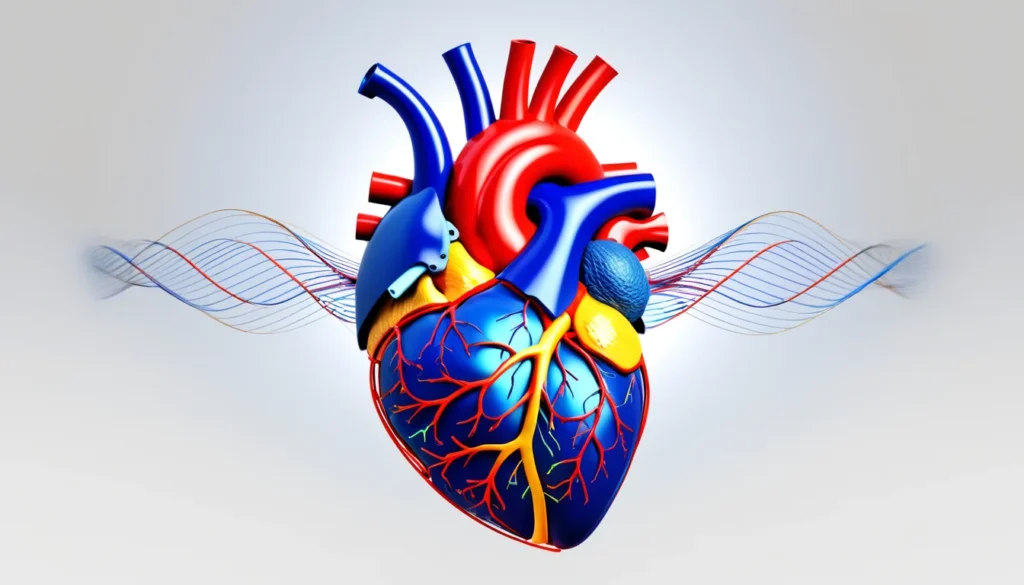
Heart palpitations are the feeling that your heart is beating too fast, too hard, or out of rhythm. They are more common than most people think. Understanding what causes heart palpitations — and when they need medical attention — can help you make better decisions about your health. This article explains how your heart’s electrical system works, the different types of palpitations, and when it’s time to visit your family doctor or a walk-in clinic.
How Your Heart’s Electrical System Works
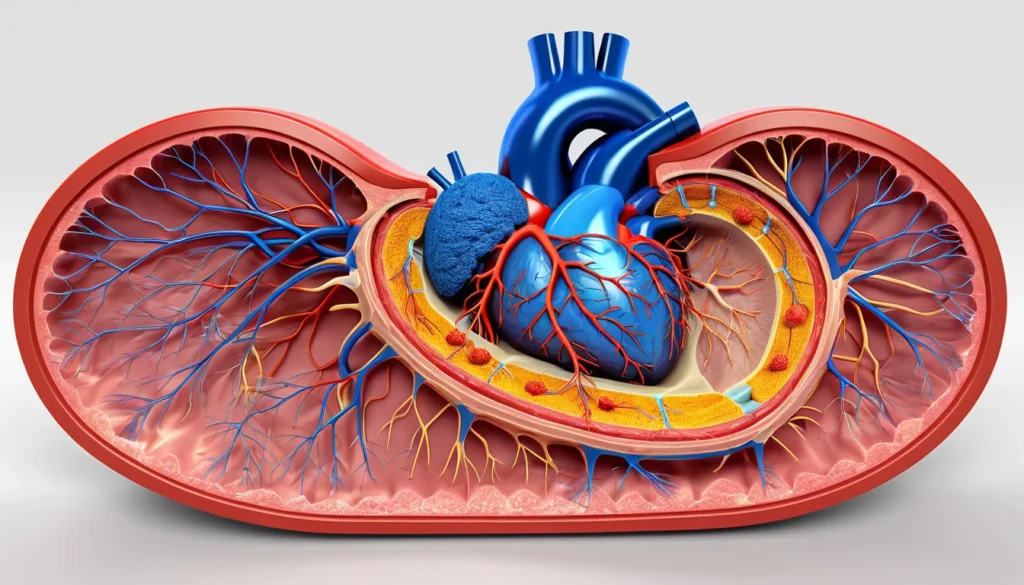
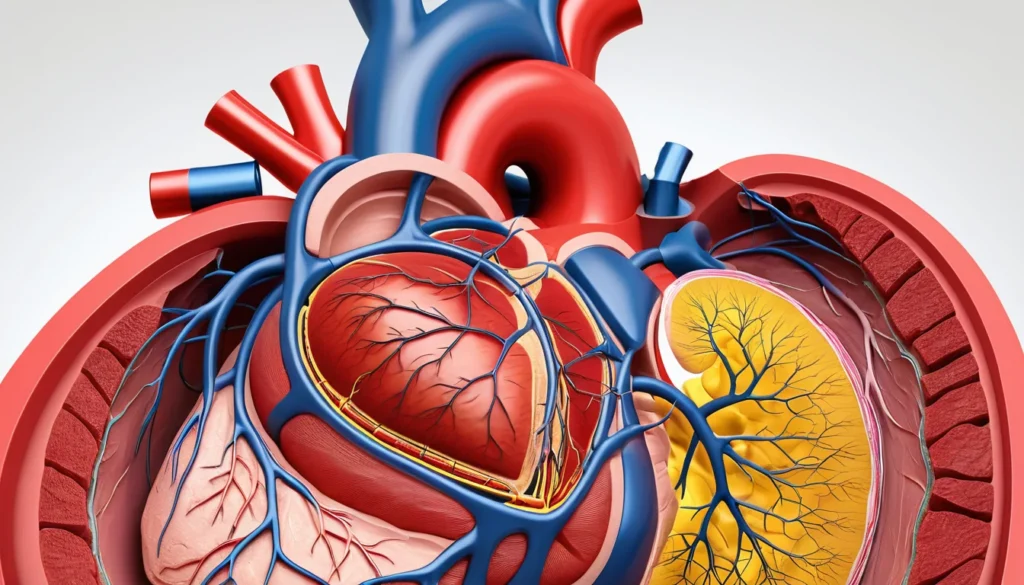
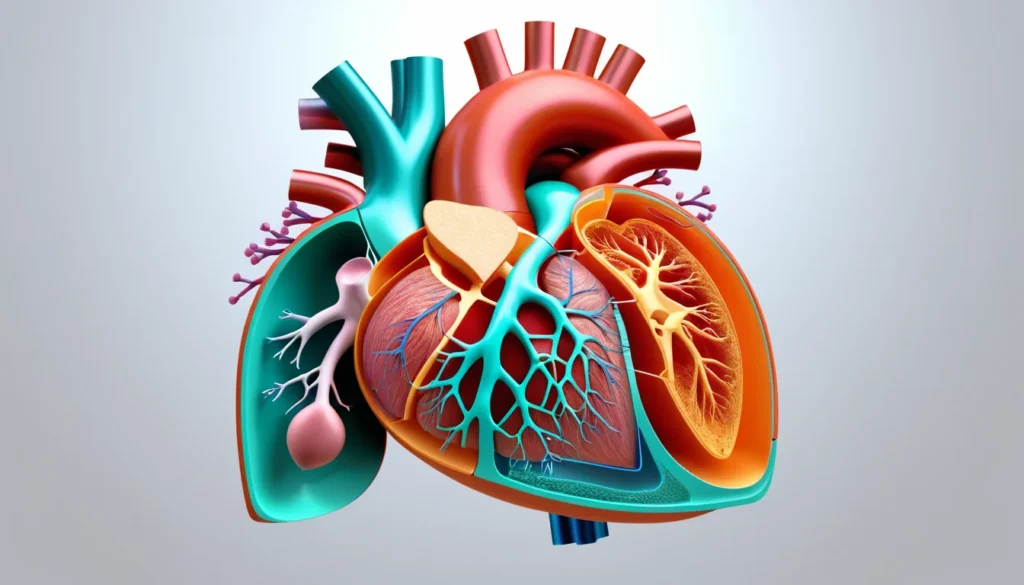
Your heart is more than just a pump. It is an electrical pump with two pairs of chambers working together in a precise, coordinated rhythm. The upper chambers, called the atria, collect blood from the body and push it into the lower chambers, called the ventricles. The ventricles then pump that blood out through the arteries to the rest of your body.
For this process to work smoothly, your heart has its own built-in electrical system. Specialised cells in the atrial muscle generate electrical signals and act as a natural pacemaker. This pacemaker — known as the sinoatrial (SA) node — sends roughly 60 to 80 electrical impulses per minute to every muscle cell in the atria, triggering the first half of each heartbeat.
Those impulses then travel along the atrial wall to the atrioventricular (AV) node, which sits at the junction between the atria and the ventricles. There is a brief pause here, allowing the ventricles to fill with blood. After the pause, the signal spreads through the ventricular muscle, causing both ventricles to contract at the same time. This produces the second half of the heartbeat and pushes blood out to the lungs and the rest of your body.
After each beat, the electrical system resets in a fraction of a second. Blood refills the heart, and the cycle begins again. Heart palpitations occur when something disrupts this normally smooth, steady process.
What Are Heart Palpitations?
Heart palpitations are the sensation of feeling your own heartbeat in an unusual way. You might notice a flutter, a thud, a racing sensation, or a skipped beat. The feeling can occur in your chest, throat, or neck.
Any part of the heart can become irritable and trigger an extra beat. A short circuit in the heart’s electrical pathway can also cause abnormal beats. In fact, every single heart muscle cell has the potential to generate its own electrical signal. When the normal system falters, backup systems can take over — but they are much slower and less efficient.
For example, if the SA node fails, other atrial cells can step in. If those cells also fail, the AV node takes over and produces roughly 40 beats per minute. As a last resort, the ventricles themselves can generate impulses, but only at about 20 beats per minute. This is far too slow to support normal activity.
Types of Heart Palpitations
Not all heart palpitations are alike. Doctors classify abnormal heartbeats based on several factors: where in the heart they originate, whether they happen occasionally or all the time, whether they appear alone or in groups, and whether they require treatment.
In general, extra beats that come from the atria (upper chambers) are less dangerous than those that come from the ventricles (lower chambers). However, that does not mean atrial palpitations should always be ignored. According to the Mayo Clinic’s overview of heart arrhythmias, all persistent or severe palpitations deserve a proper medical evaluation.
Premature Beats (Extrasystoles)
Premature atrial contractions happen when the SA node fires a signal too early, before the heart is ready for its next beat. This early beat is then followed by a brief pause. Many people describe the sensation as a strong or “thudding” heartbeat that feels different from their normal rhythm.
A similar thing can happen in the ventricles. When a ventricle becomes slightly irritable, it can fire on its own before the normal signal arrives. This is called a premature ventricular contraction (PVC). During a PVC, the ventricle pumps a smaller amount of blood than usual. Both premature atrial and ventricular contractions can be completely symptom-free. Many people never even know they have had one.
Supraventricular Tachycardia (SVT)
If the electrical system in the atria becomes irritable, it can trigger a rapid heart rate — sometimes reaching 150 beats per minute or more. Each rapid beat passes through the AV node and causes the ventricles to respond. Because these rapid signals originate above the ventricles, this group of conditions is called supraventricular tachycardia (SVT).
Some forms of SVT are a normal body response. During exercise, illness, or emotional stress, your body needs more blood and oxygen. As a result, it releases adrenaline, which increases your heart rate. This is called sinus tachycardia and it is perfectly normal. Caffeine, decongestants like pseudoephedrine, and other stimulants can also trigger this type of rapid heartbeat.
However, other forms of SVT occur because of short circuits in the atrial electrical pathways. The heart suddenly starts racing without any obvious reason. This is known as paroxysmal supraventricular tachycardia (PSVT). Episodes can start suddenly and last anywhere from a few seconds to several hours.
Some types of PSVT are linked to genetic abnormalities in the heart’s electrical wiring. One well-known example is Wolff-Parkinson-White (WPW) syndrome, where an extra electrical pathway exists between the atria and ventricles. Common triggers for SVT episodes include caffeine, alcohol, over-the-counter cold medications, electrolyte imbalances, and an overactive thyroid gland.
Atrial Fibrillation and Atrial Flutter
Atrial fibrillation (AFib) is one of the most common heart rhythm disorders in Canada. According to Health Canada’s heart disease data, cardiovascular conditions — including arrhythmias like AFib — affect millions of Canadians. In AFib, the atria fire hundreds of chaotic, disorganised signals every minute instead of beating in a steady, coordinated way. The atria essentially quiver rather than pump properly.
The AV node cannot keep up with all these signals, so it passes only some of them to the ventricles. This results in an irregular, often fast ventricular rate. People with AFib may feel a rapid, fluttering, or irregular heartbeat. Some feel faint, short of breath, or tired. Others have no symptoms at all.
Atrial flutter is similar to AFib but more organised. The atria beat rapidly — usually around 250 to 350 times per minute — in a regular, circular pattern. The ventricles respond to only a fraction of those signals. Both AFib and atrial flutter increase the risk of blood clots forming in the heart, which can travel to the brain and cause a stroke. This is why these conditions are taken very seriously by healthcare providers.
Common Causes and Triggers of Heart Palpitations
Many different things can trigger heart palpitations. Some are lifestyle-related and easy to address. Others point to an underlying medical condition that needs treatment.
Common triggers include:
Stimulants: caffeine (coffee, tea, energy drinks), nicotine, and certain cold and allergy medications
Stress and anxiety: emotional distress causes the body to release adrenaline, speeding up the heart
Alcohol consumption: even moderate drinking can irritate the heart’s electrical system
Dehydration and electrolyte imbalances: low levels of potassium, magnesium, or calcium can disrupt heart rhythm
Thyroid disorders: an overactive thyroid (hyperthyroidism) is a well-known cause of rapid or irregular heartbeats
Anaemia: a low red blood cell count forces the heart to work harder
Certain medications: including some asthma inhalers, thyroid medications, and stimulant-based drugs
Underlying heart disease: such as valve problems or previous heart attacks
In many cases, palpitations are harmless and linked to everyday lifestyle factors. However, it is always wise to mention them to your family doctor, especially if they are new, frequent, or accompanied by other symptoms. For more information on general heart health, Healthline’s guide to heart palpitations offers a helpful overview.
When to See a Doctor About Heart Palpitations
Most heart palpitations are not dangerous. However, some can be a warning sign of a more serious heart condition. It is important to know when to seek help.
Contact your family doctor or visit a walk-in clinic if you experience:
Palpitations that happen frequently or last longer than a few minutes
A very fast heart rate at rest (above 100 beats per minute)
Palpitations along with dizziness or lightheadedness
Shortness of breath during or after palpitations
Unusual fatigue or weakness
Palpitations that occur alongside chest discomfort or tightness
A family history of heart disease or sudden cardiac events
Call 911 or go to your nearest emergency room immediately if you experience:
Chest pain or pressure
Fainting or near-fainting (syncope)
Severe shortness of breath
A racing heart that does not slow down on its own
Your provincial health plan covers most diagnostic tests for heart conditions, including electrocardiograms (ECGs) and Holter monitors. Your family doctor can refer you to a cardiologist if needed. If you do not have a family doctor, a walk-in clinic can provide an initial assessment and refer you for further testing. Always speak with a qualified healthcare provider before drawing any conclusions about your symptoms.
Frequently Asked Questions About Heart Palpitations
Are heart palpitations dangerous?
Most heart palpitations are harmless and caused by everyday triggers like caffeine, stress, or dehydration. However, palpitations that are frequent, long-lasting, or accompanied by chest pain, dizziness, or fainting can signal a more serious heart condition. Always check with your family doctor or visit a walk-in clinic if you are unsure.
What does a heart palpitation feel like?
Heart palpitations can feel like a fluttering, pounding, racing, or skipping sensation in your chest, throat, or neck. Some people describe it as a “flip-flop” feeling or a sudden strong thud. The experience varies from person to person and can last for just a second or for several minutes.
Can anxiety cause heart palpitations?
Yes, anxiety is one of the most common causes of heart palpitations. When you feel anxious, your body releases adrenaline, which speeds up your heart rate and can cause it to feel irregular. Managing stress through exercise, mindfulness, or speaking with a mental health professional can help reduce anxiety-related palpitations.
When should I go to the emergency room for heart palpitations?
You should go to the emergency room or call 911 if your heart palpitations come with chest pain, fainting, severe shortness of breath, or a racing heart that does not stop on its own. These symptoms may indicate a serious arrhythmia that needs immediate treatment. Do not wait — prompt care can be life-saving.
How are heart palpitations diagnosed in Canada?
In Canada, your family doctor will usually start with a physical exam and an electrocardiogram (ECG) to check your heart rhythm. If palpitations are intermittent, you may be given a Holter monitor — a small portable device you wear for 24 to 48 hours to record your heart activity. These tests are covered by most provincial health plans.
Can caffeine cause heart palpitations?
Yes, caffeine is a well-known trigger for heart palpitations. It stimulates the nervous system and can cause the heart to beat faster or irregularly, especially if consumed in large amounts. If you notice palpitations after drinking coffee, tea, or energy drinks, try cutting back and see if your symptoms improve.
Key Takeaways
Heart palpitations are the feeling of an abnormal or irregular heartbeat — fluttering, pounding, racing, or skipping. Your heart has its own electrical system. Disruptions to this system cause different types of palpitations. Most palpitations are harmless and linked to caffeine, stress, dehydration, or stimulants. More serious types include supraventricular tachycardia (SVT), atrial fibrillation (AFib), and ventricular arrhythmias. See your family doctor or visit a walk-in clinic if palpitations are frequent, new, or lasting more than a few minutes. Call 911 immediately if palpitations come with chest pain, fainting, or severe shortness of breath. Diagnostic tests like ECGs and Holter monitors are available through your provincial health plan. Always consult a qualified healthcare professional