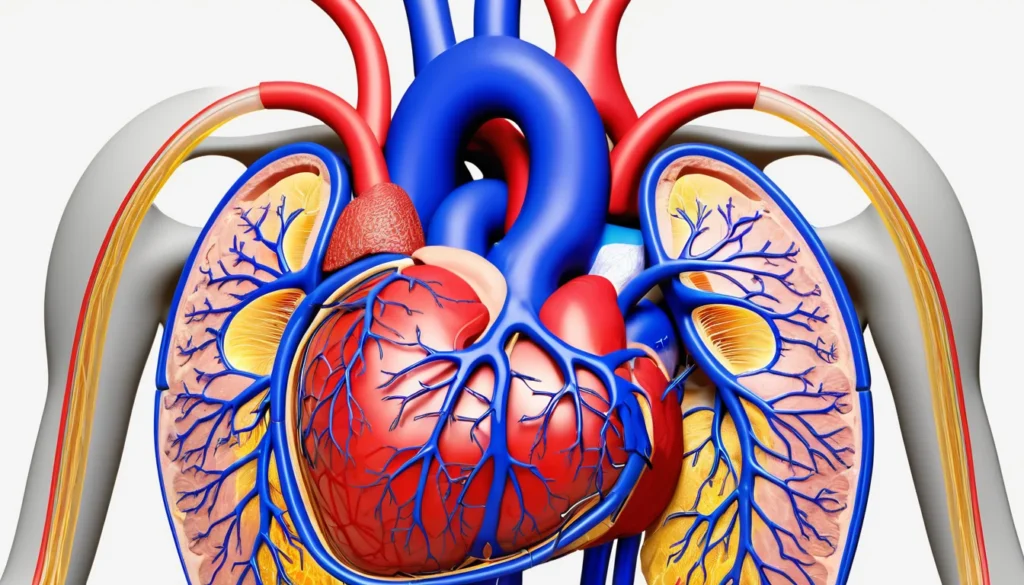
Heart palpitations are the feeling that your heart is beating too fast, too hard, or irregularly. Many Canadians experience them at some point in their lives. They can feel alarming, but in most cases, they are harmless. This article explains what causes heart palpitations, what symptoms to watch for, and when you should talk to your family doctor or visit a walk-in clinic.
What Are Heart Palpitations?
Heart palpitations are sensations where your heart feels like it is pounding, fluttering, or skipping a beat. You may feel this in your chest, throat, or neck. Some people describe the feeling as their heart “racing” even when they are sitting still.
Your heart normally beats between 60 and 100 times per minute at rest. During palpitations, it may feel much faster or unsteady. However, the actual rhythm of your heart may still be normal — the sensation is not always a sign of a real problem.
For most people, heart palpitations last only a few seconds or minutes. They come and go, often without warning. In many cases, they are triggered by everyday things like stress, caffeine, or physical activity.
Common Causes of Heart Palpitations
Heart palpitations have many possible causes. Some are lifestyle-related, while others may point to an underlying health condition. Understanding what triggers your palpitations is the first step toward managing them.
Lifestyle and Emotional Triggers
Stress and anxiety are among the most common causes of heart palpitations. When you feel anxious or overwhelmed, your body releases adrenaline. This hormone speeds up your heart rate and can cause that racing or fluttering sensation.
Caffeine is another well-known trigger. Coffee, tea, energy drinks, and even some sodas contain caffeine, which stimulates the heart. In addition, alcohol and nicotine can also cause palpitations in some people.
Strenuous physical activity naturally raises your heart rate. However, some people notice palpitations during or just after exercise. This is usually normal, but it is worth mentioning to your doctor if it happens often.
Medical Causes
Sometimes, heart palpitations are a sign of an underlying medical condition. These include:
Anemia: Low iron levels reduce the amount of oxygen in your blood. Your heart works harder to compensate, which can cause palpitations.
Thyroid problems: An overactive thyroid (hyperthyroidism) speeds up many body functions, including your heart rate.
Low blood sugar: If your blood sugar drops too low, your body releases adrenaline, which can trigger palpitations.
Dehydration: Not drinking enough water reduces blood volume and makes the heart beat faster.
Heart arrhythmias: These are irregular heart rhythms that can cause noticeable palpitations. Examples include atrial fibrillation and supraventricular tachycardia (SVT).
Panic attacks: A sudden wave of intense fear can cause rapid heartbeat, shortness of breath, and chest tightness alongside palpitations.
Certain medications can also cause heart palpitations as a side effect. These include some cold and allergy medicines, asthma inhalers, and thyroid medications. Always read the label and speak with your pharmacist if you are concerned.
Recognizing Heart Palpitation Symptoms
Heart palpitations feel different for different people. Most people notice one or more of the following sensations:
A racing or pounding heartbeat
A fluttering feeling in the chest
A skipping or extra heartbeat
A flip-flopping feeling in the chest
A feeling that the heart has “paused” and then restarted
These sensations may last a few seconds or several minutes. They can happen while you are at rest or during activity. Most of the time, they pass quickly and do not cause other symptoms.
However, some heart palpitations come with additional warning signs. If you feel dizzy, lightheaded, short of breath, or have chest pain alongside palpitations, this is more serious. You should seek medical care right away in these situations.
Heart Palpitations and Anxiety
There is a strong link between anxiety and heart palpitations. When you feel anxious, your nervous system goes into “fight or flight” mode. Your body releases stress hormones that cause your heart to beat faster and harder.
Many Canadians experience palpitations during times of high stress — before a job interview, during a difficult conversation, or when facing financial pressure. This is a normal physical response. For most people, the palpitations stop once the stressful moment passes.
For others, anxiety can be ongoing and chronic. In this case, palpitations may happen more frequently. Furthermore, the palpitations themselves can increase anxiety, creating a cycle that is hard to break. Cognitive behavioural therapy (CBT) and stress management techniques can help. Talk to your family doctor about your options under your provincial health plan.
Tips for Managing Stress-Related Palpitations
There are several practical steps you can take to reduce stress-related heart palpitations:
Practice slow, deep breathing — inhale for four counts, hold for four, exhale for four
Try regular physical activity such as walking, yoga, or swimming
Limit caffeine and alcohol intake
Get at least seven to eight hours of sleep each night
Consider mindfulness or meditation apps to help manage daily stress
Talk to a mental health professional if anxiety is affecting your daily life
These lifestyle changes can make a real difference. As a result, many people notice fewer and less intense episodes of heart palpitations over time.
How Are Heart Palpitations Diagnosed?
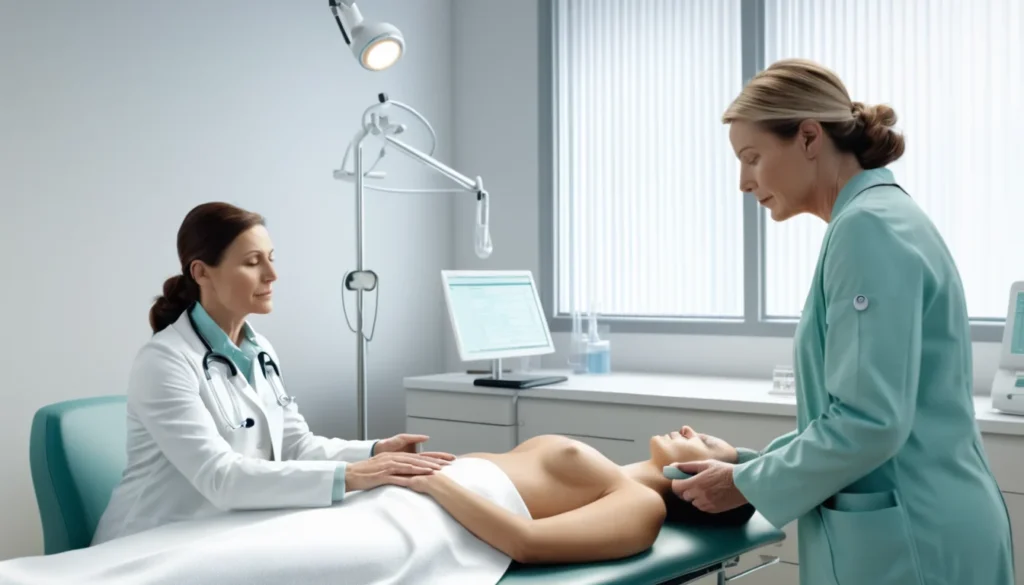
If you visit your family doctor or a walk-in clinic about heart palpitations, they will start by asking about your symptoms and medical history. They will want to know how often the palpitations occur, how long they last, and what seems to trigger them.
Your doctor may order several tests to understand what is causing your palpitations. These tests help rule out serious heart problems and identify any underlying conditions.
Common Diagnostic Tests
Electrocardiogram (ECG or EKG): This painless test records the electrical activity of your heart. It can detect irregular rhythms and other heart abnormalities.
Holter monitor: This is a portable ECG device you wear for 24 to 48 hours. It records your heart’s activity continuously, helping doctors catch palpitations that do not occur during a regular office visit.
Blood tests: These can check for anemia, thyroid problems, electrolyte imbalances, and blood sugar issues.
Echocardiogram: This is an ultrasound of the heart. It shows the structure and function of your heart in real time.
Event monitor: Similar to a Holter monitor, but worn for longer periods — up to 30 days. You press a button when you feel a palpitation.
In many cases, test results come back normal. This is actually reassuring. It means the palpitations are benign — not caused by a dangerous heart condition. However, your doctor will still work with you to manage your symptoms effectively.
For more information on heart health testing, visit the Health Canada official health resources page.
Treatment Options for Heart Palpitations
Treatment for heart palpitations depends on the underlying cause. In many cases, simple lifestyle changes are enough to reduce or eliminate episodes. However, if a medical condition is responsible, your doctor will recommend specific treatment.
Lifestyle-Based Treatment
If your palpitations are caused by lifestyle factors, your doctor will likely recommend the following:
Cutting back on caffeine and alcohol
Quitting smoking, if applicable
Managing stress through exercise, therapy, or relaxation techniques
Staying well hydrated throughout the day
Maintaining a healthy, balanced diet rich in fibre, fruits, and vegetables
Getting regular, consistent sleep
Medical Treatment
If an underlying condition is causing your heart palpitations, treating that condition usually resolves the problem. For example, treating an overactive thyroid can stop palpitations caused by hyperthyroidism. Treating anemia with iron supplements or dietary changes can also help.
For heart arrhythmias, your doctor may prescribe medications called antiarrhythmics. In some cases, a procedure called cardioversion or catheter ablation may be recommended. These are specialized treatments performed by a cardiologist — a heart specialist.
The Mayo Clinic’s guide to heart palpitations provides a detailed overview of treatment options for various causes.
When to See a Doctor About Heart Palpitations
Most heart palpitations are harmless and do not require emergency care. However, there are situations where you should seek medical attention promptly. Knowing when to act is important for your health and peace of mind.
You should visit your family doctor or a walk-in clinic if:
Your palpitations are happening more frequently than usual
They last longer than a few minutes
You have a known heart condition or a family history of heart disease
You are pregnant and experiencing palpitations
The palpitations started after beginning a new medication
They are affecting your quality of life or causing significant anxiety
Call 911 or go to your nearest emergency room immediately if your heart palpitations are accompanied by:
Chest pain or pressure
Fainting or loss of consciousness
Severe shortness of breath
Sudden dizziness or feeling like you might pass out
These symptoms may indicate a serious heart problem that needs urgent medical care. Do not wait to see if it passes on its own. Canada’s provincial health plans cover emergency care — your health comes first.
For a broader understanding of how heart conditions are managed, the World Health Organization’s cardiovascular disease resource offers valuable global health context.
Frequently Asked Questions About Heart Palpitations
Are heart palpitations dangerous?
In most cases, heart palpitations are not dangerous. They are often caused by stress, caffeine, or physical activity and resolve on their own. However, if your heart palpitations are accompanied by chest pain, fainting, or severe shortness of breath, seek emergency care immediately.
Can anxiety cause heart palpitations?
Yes, anxiety is one of the most common triggers of heart palpitations. When you feel anxious, your body releases stress hormones that speed up your heart rate. Managing anxiety through therapy, exercise, and relaxation techniques can significantly reduce the frequency of palpitations.
How long do heart palpitations last?
Heart palpitations typically last only a few seconds to a few minutes. They usually stop on their own without any treatment. If your palpitations last longer than a few minutes or happen very frequently, it is a good idea to speak with your family doctor.
What should I do when I feel heart palpitations?
When you feel heart palpitations, try to stay calm and sit down if possible. Practice slow, deep breathing to help calm your nervous system. If the palpitations do not pass within a few minutes, or if you feel dizzy or have chest pain, contact your doctor or go to a walk-in clinic.
Can caffeine cause heart palpitations?
Yes, caffeine is a well-known trigger for heart palpitations. It stimulates the nervous system and can cause your heart to beat faster or irregularly. Reducing your intake of coffee, tea, energy drinks, and other caffeinated beverages may help reduce episodes of heart palpitations.
Do I need an ECG for heart palpitations?
Your family doctor may recommend an ECG (electrocardiogram) to check for irregular heart rhythms if you experience frequent or prolonged heart palpitations. This is a painless, non-invasive test that is covered under most provincial health plans in Canada. It gives your doctor important information about how your heart is functioning.
Key Takeaways
Heart palpitations are feelings of a racing, fluttering, or irregular heartbeat.
They are very common and are often caused by stress, anxiety, caffeine, or physical activity.
In most cases, heart palpitations are harmless and resolve on their own.
Lifestyle changes — such as reducing caffeine, managing stress, and staying hydrated — can help prevent episodes.
Medical causes such as thyroid problems, anemia, and heart arrhythmias should be ruled out by a doctor.
Visit your family doctor or a walk-in clinic if palpitations are frequent, long-lasting, or affecting your daily life.
Call 911 immediately if palpitations come with chest pain, fainting, or severe shortness of breath.
Always consult your doctor before making changes to your medications or treatment plan.
This article is for informational purposes only and does not replace professional medical advice. Always speak with a qualified healthcare provider — such as your family doctor or a walk-in clinic physician — about any concerns related to your heart health.</em