Your heart health affects every part of your body. The heart is a vital organ that pumps blood to your organs and tissues around the clock. Understanding how it works — and what can go wrong — can help you make better choices every day. This article covers the basics of how your heart functions, common heart conditions, and when to reach out to your family doctor or walk-in clinic.
What Is the Heart?
The heart is a muscular organ about the size of your fist. It sits in the centre of your chest, slightly to the left. Its one job is to keep blood moving through your entire body.
Blood carries oxygen and nutrients to every cell. It also carries away waste products. Without a working heart, your body cannot survive for more than a few minutes.
The heart beats roughly 60 to 100 times per minute in a healthy adult. Over a lifetime, that adds up to more than two billion heartbeats. It truly is one of the hardest-working organs in your body.
How the Heart Works: A Simple Guide
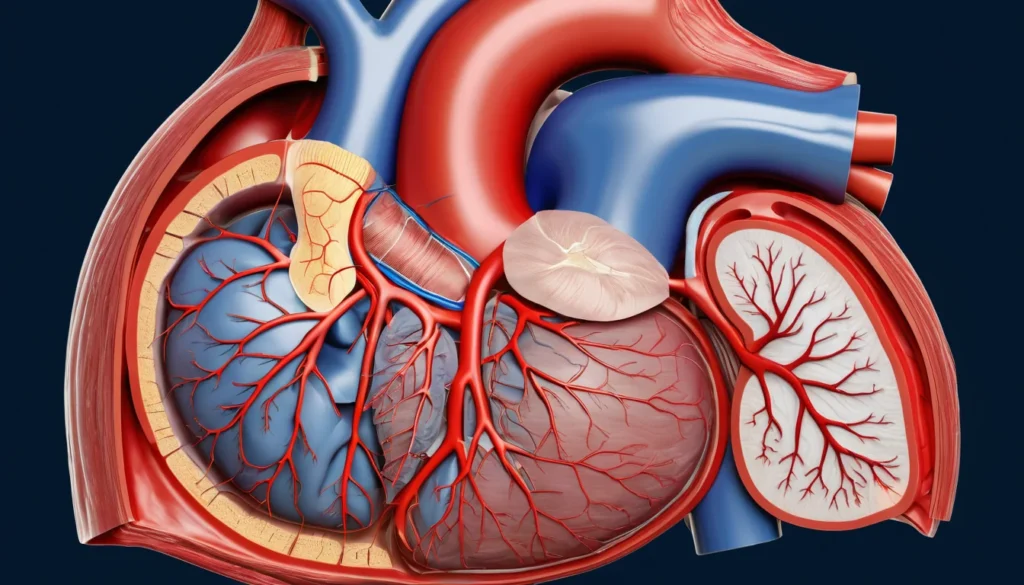
The heart has four chambers. The two upper chambers are called the atria. The two lower chambers are called the ventricles. Each side of the heart has a different job.
The Right Side of the Heart
The right side receives oxygen-poor blood from the body. It then pumps that blood to the lungs. In the lungs, the blood picks up fresh oxygen and releases carbon dioxide.
This process happens with every single breath you take. Therefore, your lungs and heart are closely connected partners.
The Left Side of the Heart
The left side receives oxygen-rich blood from the lungs. It then pumps that blood out to the rest of the body. The left ventricle is the strongest chamber because it works the hardest.
In addition, the heart has four valves. These valves act like one-way doors. They make sure blood flows in the right direction and does not leak backwards.
The Heart’s Electrical System
Your heart has its own electrical system. This system sends signals that tell the heart muscle when to squeeze. As a result, your heartbeat follows a steady, organised rhythm.
A small group of cells called the sinoatrial node acts as the heart’s natural pacemaker. It fires an electrical signal that travels through the heart and triggers each beat. Problems with this system can cause an irregular heartbeat, known as arrhythmia.
Heart Health in Canada: Why It Matters
Heart disease is one of the leading causes of death in Canada. According to Health Canada, cardiovascular disease affects hundreds of thousands of Canadians every year. However, many risk factors are preventable with the right lifestyle choices.
Maintaining good heart health is not just about avoiding disease. It is also about living with more energy, better sleep, and improved mental well-being. Your provincial health plan covers many heart-related tests and check-ups, so take advantage of those benefits.
Regular visits to your family doctor are one of the best tools you have. A simple check-up can catch high blood pressure or high cholesterol before they cause serious damage. Furthermore, early detection makes treatment much more effective.
Common Heart Conditions Explained
There are several heart conditions that Canadians should be aware of. Some are present from birth. Others develop over time due to lifestyle, age, or genetics.
Coronary Artery Disease
Coronary artery disease is the most common type of heart disease. It happens when the arteries that supply blood to the heart become narrowed or blocked. This is usually caused by a build-up of plaque — a mix of fat, cholesterol, and other substances.
Over time, this build-up can reduce blood flow to the heart muscle. As a result, you may experience chest pain, shortness of breath, or even a heart attack. The Mayo Clinic explains coronary artery disease in detail for those who want to learn more.
Heart Failure
Heart failure does not mean the heart has stopped. It means the heart is not pumping as well as it should. The body does not get enough blood and oxygen to function properly.
Symptoms include fatigue, swelling in the legs, and shortness of breath. Heart failure is a serious condition, but it can often be managed well with medication and lifestyle changes.
Arrhythmia
An arrhythmia is an irregular heartbeat. The heart may beat too fast, too slow, or with an uneven rhythm. Some arrhythmias are harmless. Others can be dangerous and require treatment.
Atrial fibrillation (AFib) is a common type. It increases the risk of stroke significantly. However, it can be managed with medication or procedures under the care of a specialist.
Enlarged Heart and Structural Changes
Sometimes the heart changes shape or size due to disease or stress. For example, the right ventricle can enlarge when the pulmonary valve is narrowed — a condition known as pulmonary stenosis. This causes a specific pattern seen on chest X-rays.
Another structural change can happen with aging. As the heart ages, it may shift position slightly and show changes on imaging. Doctors sometimes refer to this as age-related cardiac remodelling. These changes are monitored carefully by your healthcare team.
Key Risk Factors for Poor Heart Health
Many things can increase your risk of heart disease. Some you cannot change, like age or family history. However, many risk factors are within your control.
Common risk factors include:
High blood pressure — puts extra strain on the heart muscle
High cholesterol — leads to plaque build-up in arteries
Smoking — damages blood vessels and reduces oxygen in the blood
Type 2 diabetes — increases the risk of coronary artery disease
Physical inactivity — weakens the heart over time
Unhealthy diet — high in saturated fat, salt, and sugar
Excess weight — adds stress to the cardiovascular system
Chronic stress — can raise blood pressure and contribute to poor habits
The good news is that addressing even one or two of these factors can make a real difference. Small, steady changes to your daily habits add up over time.
How to Improve Your Heart Health Every Day
Good heart health does not require a dramatic overhaul of your life. In fact, small consistent habits are more powerful than short-term fixes.
Eat a Heart-Healthy Diet
Focus on whole foods like vegetables, fruits, whole grains, and lean proteins. Fibre is especially important — it helps lower cholesterol. Reduce your intake of processed foods, red meat, and added sugars.
The World Health Organization’s guidance on cardiovascular disease highlights that diet is one of the most powerful tools for prevention. Healthy eating does not have to be expensive or complicated.
Move Your Body Regularly
Aim for at least 150 minutes of moderate activity per week. That works out to about 30 minutes, five days a week. Brisk walking, swimming, and cycling all count.
Physical activity strengthens the heart muscle. It also helps control blood pressure, weight, and blood sugar. Therefore, regular movement is one of the best investments you can make in your health.
Quit Smoking and Limit Alcohol
Smoking is one of the biggest preventable causes of heart disease in Canada. Quitting — even after years of smoking — quickly reduces your risk. Your family doctor can connect you with free cessation programmes through your provincial health plan.
Limit alcohol to no more than two drinks per day. Heavy drinking raises blood pressure and can damage the heart muscle over time.
Manage Stress and Sleep
Chronic stress raises cortisol levels, which can harm your heart. Practice stress-reduction techniques like deep breathing, walking in nature, or talking to someone you trust.
Sleep is also critical. Adults need seven to nine hours per night. Poor sleep is linked to higher blood pressure and a greater risk of heart disease. Prioritising rest is a genuine form of self-care.
When to See a Doctor About Your Heart
Knowing when to seek help is a key part of good heart health. Some symptoms need attention right away. Others are worth discussing at your next scheduled visit.
Call 911 immediately if you experience:
Chest pain or pressure that lasts more than a few minutes
Pain spreading to your arm, jaw, neck, or back
Sudden shortness of breath
Cold sweats, nausea, or lightheadedness along with chest discomfort
Sudden numbness or weakness on one side of the body
Book an appointment with your family doctor if you notice:
A racing, fluttering, or irregular heartbeat
Persistent fatigue or shortness of breath during normal activities
Swelling in your legs or ankles
Dizziness or fainting spells
If you do not have a family doctor, a walk-in clinic is a good starting point. Many walk-in clinics in Canada can order basic heart tests like an ECG or blood work. Furthermore, your provincial health plan covers these tests at no cost to you.
As always, this article is for general information only. Please consult your family doctor or a qualified healthcare provider for personal medical advice.
Frequently Asked Questions About Heart Health
What are the early warning signs of poor heart health?
Early signs of poor heart health can include unusual fatigue, shortness of breath during light activity, and occasional chest discomfort. You may also notice swelling in your legs or a fluttering sensation in your chest. If any of these symptoms are new or worsening, speak with your family doctor as soon as possible.
How often should I get my heart checked in Canada?
Most healthy adults should have a cardiovascular check-up at least every one to two years. Your family doctor will typically check your blood pressure, cholesterol, and blood sugar as part of a routine exam. Canadians over 40 or those with risk factors may need more frequent monitoring — your provincial health plan covers these visits.
Can heart disease be reversed with lifestyle changes?
Some forms of heart disease can be significantly improved — and in some cases partially reversed — through diet, exercise, quitting smoking, and stress management. However, heart health improvements depend on the type and severity of the condition. Always work with your doctor before making major changes to your health routine.
What foods are best for heart health?
Foods that support heart health include leafy greens, berries, whole grains, fatty fish like salmon, and legumes. These foods are rich in fibre, healthy fats, and antioxidants that help protect your arteries. On the other hand, try to limit processed meats, fried foods, and items high in sodium or added sugar.
Is it normal for the heart to change shape as you age?
Yes, the heart can undergo gradual structural changes with age, including slight shifts in position and changes in how efficiently it pumps. These age-related changes are sometimes visible on a chest X-ray or echocardiogram. Monitoring heart health as you age is important, so keep up with regular check-ups through your family doctor.
What is the difference between a heart attack and cardiac arrest?
A heart attack happens when blood flow to part of the heart is blocked, causing heart muscle to begin to die. Cardiac arrest is when the heart suddenly stops beating altogether. Both are emergencies — call 911 immediately. Understanding this difference can help you respond quickly and potentially save a life.
Key Takeaways
The heart is a vital muscle that pumps blood to every organ and tissue in your body.
Good heart health depends on a balanced diet, regular physical activity, not smoking, and managing stress.
Common heart conditions include coronary artery disease, heart failure, and arrhythmia — many of which are preventable or manageable.
Canadians have access to heart health screening through their provincial health plans — use it.
Call 911 for chest pain, difficulty breathing, or other sudden heart attack symptoms.
For non-emergency concerns, visit your family doctor or a local walk-in clinic.
Always speak with a qualified healthcare provider before making changes to your health routine.