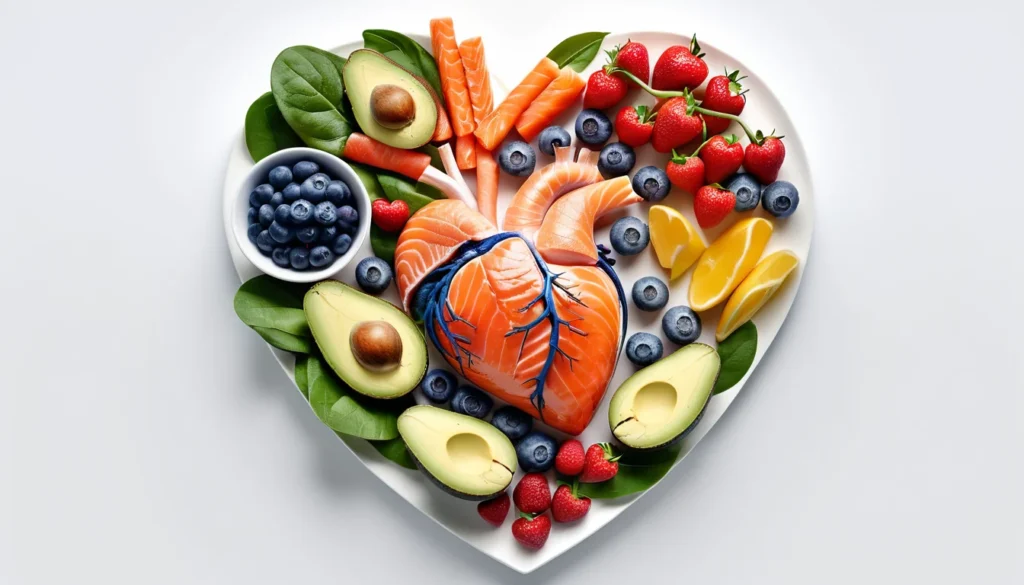
A heart-healthy diet is one of the most powerful tools you have to protect your heart. Nutrition experts and cardiologists agree that eating the right foods — in the right amounts — can help prevent and even improve many forms of heart disease. Combined with regular physical activity, a balanced diet can lower your risk of heart attack, stroke, high blood pressure, and high cholesterol. The good news is that eating well does not mean giving up everything you enjoy.
Why a Heart-Healthy Diet Matters
Heart disease is one of the leading causes of death in Canada. However, many risk factors are within your control. What you eat every day directly affects your cholesterol levels, blood pressure, and body weight — all key factors in heart health.
Lowering your cholesterol through diet also reduces your chances of developing metabolic syndrome, type 2 diabetes, and obesity. Furthermore, eating well protects against osteoporosis and certain cancers, such as colon cancer. The benefits of healthy eating go far beyond your heart.
According to Health Canada, a balanced diet based on whole foods is a cornerstone of long-term health for Canadians of all ages.
Building a Heart-Healthy Diet: The Basics
Eating for your heart does not require extreme restrictions or complicated meal plans. It means choosing a good balance of foods, eating moderate portions, and making small, consistent improvements over time.
A strong heart-healthy diet follows these core principles:
High in fibre from whole grains, fruits, and vegetables
Rich in lean proteins from both animal and plant sources
Low in saturated fats, trans fats, and dietary cholesterol
Limited in sodium and added sugars
Inclusive of low-fat or reduced-fat dairy products
Think of your plate as a guide. Fill half of it with vegetables and fruits, one quarter with whole grains, and one quarter with lean protein. This simple approach covers most of what your heart needs.
Best Foods for Heart Health
Fruits and Vegetables
Fruits and vegetables are among the most heart-friendly foods available. They are rich in fibre, vitamins, and minerals. Most are also naturally low in fat, calories, sodium, and cholesterol.
Try to eat a wide variety of colours. Each colour group offers different protective nutrients. For example, leafy greens are high in vitamin K, while orange vegetables like carrots provide beta-carotene. Aim for at least five servings per day.
Whole Grains and High-Fibre Foods
Whole grains are an excellent source of fibre, iron, and B vitamins. They are also naturally low in fat and cholesterol. Good choices include whole wheat bread, brown rice, oats, whole grain pasta, and bran-based cereals.
Dried legumes such as lentils, kidney beans, and chickpeas are also highly recommended. They provide both fibre and plant-based protein, making them ideal for a heart-healthy diet. However, you should avoid baked goods made with butter, croissants, cream sauces, and mayonnaise-based pasta salads, as these are high in saturated fat and cholesterol.
Low-Fat Dairy Products
Milk and dairy products provide an excellent source of protein, calcium, vitamin A, vitamin D, niacin, and riboflavin (B vitamins). Experts recommend choosing low-fat or reduced-fat versions of milk, yoghurt, cheese, and even frozen desserts like ice cream.
An important point: a low-fat dairy product is not lower in calcium. In fact, skim or partly skimmed milk often contains more calcium than whole milk. Whole milk fat can raise cholesterol levels and encourage the build-up of plaque in your arteries. Choosing low-fat dairy is a simple switch with real benefits.
Lean Proteins: Meat, Fish, and Plant Sources
Protein is essential for your body, and it does not have to come from fatty sources. Lean proteins support muscle health and help you feel full. Good choices include:
Skinless chicken and turkey (skin is high in cholesterol)
Lean cuts of beef and lamb
Fish and seafood, especially fatty fish like salmon and mackerel
Eggs (particularly egg whites)
Dried beans, lentils, and peas
Nuts and peanut butter in moderate amounts
In contrast, you should limit or avoid duck, goose, organ meats (liver, kidney, brain), smoked meats, processed sausages, bacon, and other high-fat meats. These foods are high in saturated fat and can raise your cholesterol significantly.
Fats and Oils: What to Choose and What to Avoid
Not all fats are harmful. However, saturated and trans fats are a serious concern for people with heart disease or those at risk. These fats raise triglycerides and promote the build-up of plaque in the arteries — a process called atherosclerosis.
Some fats are actually beneficial. Essential fatty acids, such as linoleic acid (found in plant oils), support heart function when consumed in moderate amounts. The Mayo Clinic recommends choosing oils like olive, soybean, corn, sesame, and avocado oil. Semi-solid margarines made from these oils are also acceptable choices.
Salad dressings and mayonnaise should ideally be made from these same plant-based oils. Seeds, nuts, and peanut butter are fine in moderate amounts. However, you should avoid lard, butter, cream, whole milk, coconut oil, and palm oil — all of which are high in saturated fat and harmful to heart health.
A Note on Sodium
High sodium intake raises blood pressure, which puts extra strain on your heart. Try to limit added salt at the table and in cooking. Read nutrition labels carefully, as many packaged and processed foods in Canada contain surprisingly high amounts of sodium.
Heart-Healthy Eating for Children
Children over the age of two can follow the same heart-healthy eating principles as adults. The key difference is portion size and calorie needs. Growing children need enough calories to support healthy development.
A diet that is too restrictive in calories or fat can lead to growth problems in children. Therefore, parents should speak with a registered dietitian or family doctor before placing a child on any special eating plan. A dietitian can create a personalized plan that meets your child’s energy and nutrient needs while still protecting long-term heart health.
The World Health Organization’s healthy diet guidelines apply broadly to children and adults alike, and offer a useful starting point for families.
Practical Tips for Everyday Heart-Healthy Eating
Small daily choices add up over time. Here are some easy tips to follow a heart-healthy diet without major disruption to your routine:
Swap white bread for whole grain bread
Replace butter with olive oil or a plant-based margarine
Choose low-fat yoghurt instead of sour cream as a topping
Add lentils or beans to soups, stews, and salads for extra fibre and protein
Grill or bake meats instead of frying them
Keep fresh or frozen vegetables on hand for quick meals
Read nutrition labels and watch for sodium, saturated fat, and trans fat content
Drink water instead of sugary beverages
These changes do not require a complete overhaul of your lifestyle. In addition, many of these foods are affordable and widely available at grocery stores across Canada.
When to See a Doctor
If you have been diagnosed with heart disease, high cholesterol, high blood pressure, or diabetes, always speak with your family doctor before making significant changes to your diet. Your doctor can refer you to a registered dietitian who can create a heart-healthy eating plan tailored to your specific needs.
If you do not have a family doctor, a walk-in clinic is a good first step. Most provincial health plans in Canada cover visits to discuss chronic disease risk factors, including diet and heart health. Do not wait for symptoms to appear — early action makes a real difference.
Similarly, if your child has risk factors for heart disease or you have a strong family history of cardiovascular problems, a conversation with your family doctor is strongly recommended.
Frequently Asked Questions
What is a heart-healthy diet?
A heart-healthy diet focuses on whole grains, fruits, vegetables, lean proteins, and low-fat dairy while limiting saturated fats, trans fats, sodium, and added sugars. Following a heart-healthy diet helps lower cholesterol and blood pressure, reducing your risk of heart disease and stroke. It does not require eliminating entire food groups — balance and moderation are the key principles.
Which foods should I avoid for heart health?
For a heart-healthy diet, you should limit or avoid foods high in saturated fat and cholesterol, such as butter, lard, full-fat dairy, processed meats, bacon, and fried foods. Coconut oil and palm oil are also high in saturated fat and best avoided. Packaged and processed foods are often high in sodium, which raises blood pressure and strains the heart.
Can diet really lower my cholesterol?
Yes — a heart-healthy diet rich in soluble fibre, plant-based proteins, and healthy fats can meaningfully lower LDL (bad) cholesterol levels. Foods like oats, lentils, beans, and olive oil are especially helpful. However, some people also need medication, so speak with your family doctor for personalized advice.
Is a heart-healthy diet the same as a low-fat diet?
Not exactly. A heart-healthy diet focuses on reducing harmful fats — specifically saturated and trans fats — while keeping healthy fats from sources like olive oil, avocado, nuts, and fish. Cutting all fat from your diet is not recommended and can actually be harmful. The goal is choosing the right types and amounts of fat.
How much fibre should I eat for heart health?
Most Canadian adults should aim for 25 to 38 grams of fibre per day. Soluble fibre, found in oats, beans, lentils, and fruits, is particularly effective at lowering cholesterol as part of a heart-healthy diet. Gradually increasing your fibre intake and drinking plenty of water will help your digestive system adjust comfortably.
Should children follow a heart-healthy diet too?
Children over the age of two can and should follow heart-healthy eating principles similar to those for adults. The main difference is that children need enough calories and healthy fats to support normal growth and development. Talk to your family doctor or a registered dietitian before placing your child on any restricted eating plan.
Key Takeaways
A heart-healthy diet is one of the most effective ways to prevent and manage heart disease in Canada.
Eat plenty of fruits, vegetables, whole grains, legumes, and lean proteins every day.
Choose low-fat or reduced-fat dairy products to protect your cholesterol levels.
Replace saturated fats (butter, lard, coconut oil) with plant-based oils like olive or soybean oil.
Limit sodium, processed meats, fried foods, and baked goods high in butter or cream.
Children over two can follow the same heart-healthy eating approach, adjusted for calorie needs.
Speak with your family doctor or a registered dietitian to build a plan that works for your health and lifestyle.
Most provincial health plans cover consultations for chronic disease prevention — take advantage of this resource.