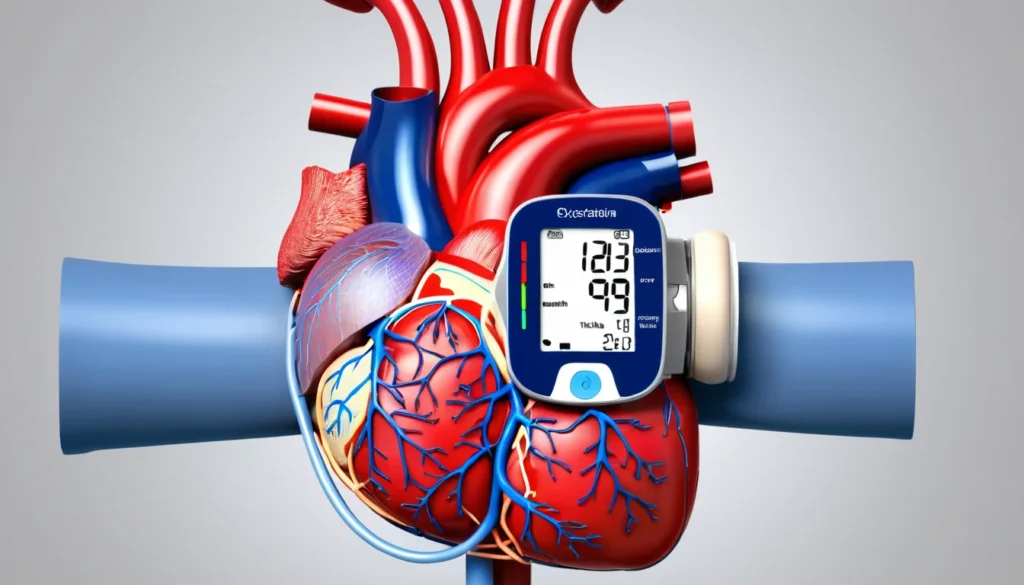
Your heart health affects every part of your life — yet most Canadians don’t think about it until something goes wrong. Heart disease remains one of the leading causes of early death in Canada and around the world. The good news is that simple, regular monitoring can help you catch warning signs early. This guide explains what to watch for, how to measure key numbers at home, and when to visit your family doctor or walk-in clinic.
Why Heart Health Is a Growing Concern in Canada
According to the World Health Organization’s hypertension fact sheet, the number of adults under 79 with high blood pressure has doubled over the past 30 years. It jumped from 650 million to 1.28 billion people worldwide. That is a staggering increase — and Canada is not immune.
Cardiovascular problems sit at the top of the list for causes of preventable death globally. However, the biggest issue isn’t treatment. It’s the lack of prevention. Many people don’t get checked until a serious event — like a heart attack — forces them to act.
The encouraging news is that prevention is now easier than ever. Modern technology and a bit of awareness can go a long way toward protecting your heart.
Who Is Most Likely to Ignore Their Heart Health?
You might assume heart problems only affect older adults. In fact, research shows that high blood pressure is becoming more common among younger people — particularly those between 18 and 35. This is often the busiest, most stressful period of life. Work pressure, poor sleep, and little time for self-care all add up.
Young adults are also the least likely to schedule preventive health checks. Many feel healthy and assume there’s nothing to worry about. As a result, warning signs can go unnoticed for years.
Furthermore, high blood pressure rarely causes obvious symptoms. It’s often called a “silent” condition — which makes regular monitoring all the more important, no matter your age.
Heart Attack Warning Signs You Should Never Ignore
Knowing the symptoms of a heart attack can save your life — or someone else’s. The classic warning sign is a pressing, squeezing, or crushing chest pain. It may feel like a heavy weight on your chest. This pain typically lasts at least 20 minutes and does not go away on its own.
Call 911 immediately if you or someone nearby experiences this type of chest pain. A heart attack does not pass on its own. Every minute matters.
Common Heart Attack Symptoms
The pain may also spread to other parts of the body. Watch for discomfort that radiates to the left arm — especially the last two fingers — the neck, jaw, back, or upper abdomen. Changing your position or breathing deeply will not make it better.
Other symptoms can include:
Sweating suddenly without exertion
Nausea or an upset stomach
Difficulty breathing or shortness of breath
A feeling of extreme fatigue or weakness
Symptoms That Are Different in Women, Older Adults, and People With Diabetes
Not everyone experiences the “classic” crushing chest pain. Women, older adults, and people living with diabetes may have very different symptoms. For these groups, the main warning signs are often sudden, intense fatigue or weakness — with little or no chest pain at all.
This is why it’s so important not to dismiss unusual feelings of exhaustion or sudden physical weakness. According to Mayo Clinic’s guide to heart attack symptoms, women are more likely than men to experience shortness of breath, nausea, and back or jaw pain during a cardiac event.
If something feels wrong, trust your instincts. Call 911 or get to the nearest emergency room right away.
Understanding Blood Pressure: A Key Measure of Heart Health
Blood pressure is one of the most important numbers for your heart health. It measures the force of blood pushing against your artery walls as your heart pumps. When it stays too high for too long, it damages your arteries and strains your heart.
A normal blood pressure reading is around 120/80 mmHg. Readings consistently above 130/80 mmHg may indicate high blood pressure, also called hypertension. Your family doctor can give you a proper diagnosis and help you understand your personal numbers.
What Do Blood Pressure Numbers Mean?
The top number (systolic) measures pressure when your heart beats. The bottom number (diastolic) measures pressure when your heart rests between beats. Both numbers matter. High readings in either can put extra strain on your cardiovascular system over time.
For a deeper explanation, Health Canada’s resource on high blood pressure offers clear guidance on what ranges mean for your health and lifestyle steps you can take.
How to Monitor Your Heart Health at Home
Monitoring your heart health at home has never been more accessible. There are two key numbers worth tracking regularly: your blood pressure and your heart rhythm. Both can now be measured with consumer-friendly devices — no clinic visit required for routine checks.
Home Blood Pressure Monitors
A standard blood pressure cuff (sphygmomanometer) is one of the best investments you can make for your heart health. These are available at most Canadian pharmacies for a reasonable cost. Many are covered or partially reimbursed through workplace health benefits.
When measuring at home, sit quietly for five minutes beforehand. Keep your arm at heart level. Take two or three readings and note the average. Share these records with your family doctor at your next appointment.
Smartwatches and ECG Technology
Modern smartwatches now offer built-in ECG (electrocardiogram) sensors. An ECG records the electrical activity of your heart. It can help detect irregular heart rhythms, such as atrial fibrillation, which significantly raises the risk of stroke.
Some certified medical-grade wearables can also track blood pressure trends throughout the day. These devices typically use a colour-coded system to present results at a glance. For example, a green reading means your blood pressure is within a normal range. A yellow reading suggests you should rest and re-test. A red reading means you should follow up with a healthcare provider promptly.
However, it’s important to understand the limitations. Consumer wearables are helpful tools for tracking trends — but they do not replace a proper diagnosis from a qualified medical professional.
Apps That Help You Track Trends Over Time
Many smartwatch platforms pair with health apps that log your readings over days, weeks, and months. This kind of data can be very useful to share with your family doctor. Trends over time often reveal more than a single reading taken in a clinic.
If your provincial health plan covers virtual care, some platforms also allow you to share this data directly with your care team through a telehealth appointment. Check with your provider about what digital health tools are supported in your province.
How Often Should You Check Your Heart Health?
The short answer: the more regularly, the better. For most healthy adults, checking blood pressure at least once a month at home is a reasonable habit. If you have been diagnosed with high blood pressure or another cardiovascular condition, your doctor may recommend more frequent monitoring.
Annual physical exams through your provincial health plan typically include a blood pressure check. If you don’t have a family doctor, walk-in clinics across Canada can perform this basic check at no cost under most provincial health insurance plans.
In addition, keeping an eye on your weight, physical activity level, sleep quality, and stress can all provide valuable context for your heart health picture. These lifestyle factors are deeply connected to cardiovascular risk.
When to See a Doctor About Your Heart Health
Some situations call for an immediate call to 911. As outlined above, crushing chest pain lasting more than 20 minutes is a medical emergency. Do not drive yourself. Call for help right away.
For non-emergency concerns, book an appointment with your family doctor if you notice:
Consistently high blood pressure readings at home
Unusual shortness of breath during normal daily activity
Frequent heart palpitations or a fluttering sensation in your chest
Unexplained fatigue that doesn’t improve with rest
Swelling in your ankles or legs without a clear cause
Dizziness or fainting spells
If you don’t have a family doctor, a walk-in clinic is a great first step. A clinician there can assess your symptoms, check your blood pressure, and refer you to a specialist if needed. In Canada, referrals to cardiologists are covered under provincial health plans when medically necessary.
Remember, early detection is always better than waiting. A 15-minute conversation with a healthcare provider could make a significant difference in your long-term health outcomes. Always consult your doctor before making major changes to your health routine or acting on readings from home monitoring devices.
Frequently Asked Questions About Heart Health
What are the early warning signs of poor heart health?
Early signs of poor heart health include shortness of breath during light activity, persistent fatigue, frequent heart palpitations, and swelling in the legs or ankles. High blood pressure often has no symptoms at all, which is why regular monitoring is key. If you notice any of these signs, speak with your family doctor or visit a walk-in clinic.
How can I check my heart health at home?
You can check your heart health at home using a blood pressure cuff, available at most Canadian pharmacies. Some smartwatches also include ECG sensors that can detect irregular heart rhythms. These tools are helpful for tracking trends, but they should complement — not replace — regular check-ups with a healthcare professional.
What is a healthy blood pressure reading for Canadians?
A healthy blood pressure reading is generally around 120/80 mmHg. Readings consistently above 130/80 mmHg may indicate high blood pressure and are worth discussing with your doctor. Heart Canada and Health Canada both recommend regular blood pressure checks as part of everyday heart health maintenance.
Can young people have heart problems?
Yes — heart health issues, including high blood pressure, are increasingly common in adults between 18 and 35. Stress, poor diet, lack of exercise, and disrupted sleep all contribute to cardiovascular risk at any age. Young Canadians should not assume they are too young to monitor their heart health.
When should I call 911 for a heart problem?
Call 911 immediately if you experience pressing or crushing chest pain lasting 20 minutes or more, especially if it spreads to your arm, jaw, or back. Heart attacks do not resolve on their own, and fast action saves lives. Do not wait to see if it passes — every minute counts when it comes to heart health.
How often should I have my heart checked by a doctor?
Most adults should have their blood pressure and general heart health reviewed at least once a year through an annual physical, which is covered under most provincial health plans. If you have existing cardiovascular risk factors, your doctor may recommend more frequent monitoring. In between visits, tracking your heart health at home is a smart habit.
Key Takeaways
Heart health affects everyone — including young Canadians in their 20s and 30s.
High blood pressure is often silent. Regular monitoring is the only way to catch it early.
Know the warning signs of a heart attack — and call 911 immediately if they occur. Do not wait.
Women, older adults, and people with diabetes may experience different — and subtler — heart attack symptoms.
Home monitoring tools like blood pressure cuffs and ECG smartwatches can help you track trends between doctor visits.
Annual physicals through your provincial health plan are an easy, no-cost way to check key heart health numbers.
Walk-in clinics are a great resource if you don’t have a family doctor and want a blood pressure check or referral.
Always speak with a healthcare professional before acting on home readings or making significant health decisions.