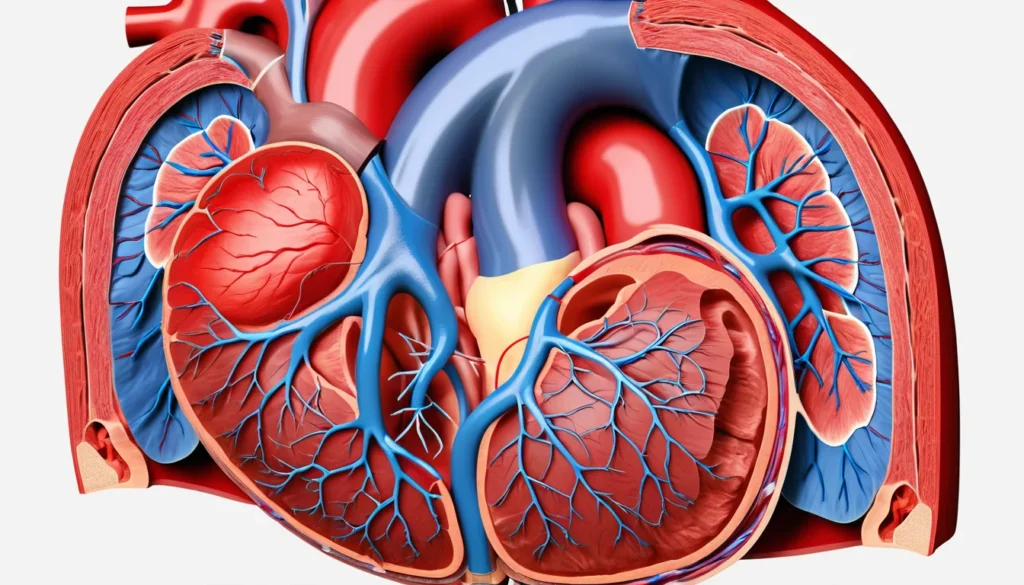
Heart failure is a serious but manageable condition where the heart cannot pump enough blood to meet the body’s needs. It affects hundreds of thousands of Canadians and is one of the leading reasons people visit their family doctor or end up in hospital. In this article, we explain what heart failure is, what causes it, how it is treated, and when you should seek medical help.
What Is Heart Failure?
Heart failure does not mean the heart has stopped working. It means the heart is not pumping as efficiently as it should. As a result, the body does not get enough oxygen-rich blood to function properly.
Doctors diagnose heart failure based on a combination of symptoms, physical signs, and test results. No single test confirms it on its own. That is why a full medical assessment is always needed.
Common symptoms of heart failure include:
Shortness of breath during activity or even at rest
Fatigue and weakness that limits daily activity
Swelling (edema) in the legs, ankles, or feet
Fluid buildup in the lungs, which can cause a crackling sound when breathing
Swollen neck veins
These symptoms can come on suddenly or build up slowly over weeks or months. Either way, they are important warning signs that your heart may need attention.
Types of Heart Failure
Not all heart failure is the same. Doctors classify it in several ways to better guide treatment.
Acute vs. Chronic Heart Failure
Acute heart failure starts suddenly and is a medical emergency. It requires immediate treatment, often in a hospital. Chronic heart failure, on the other hand, develops slowly over time and is managed long-term with medication and lifestyle changes.
Heart Failure by Ejection Fraction
One key measurement doctors use is called the ejection fraction. This number, measured by an echocardiogram (an ultrasound of the heart), shows how much blood the left ventricle pumps out with each beat. A normal ejection fraction is above 50%.
Based on this measurement, heart failure falls into three categories:
Preserved ejection fraction (HFpEF): The ejection fraction is above 50%. The heart pumps well but the muscle is too stiff.
Mildly reduced ejection fraction (HFmrEF): The ejection fraction is between 41% and 49%.
Reduced ejection fraction (HFrEF): The ejection fraction is below 40%. The heart muscle is weak and cannot pump enough blood.
Functional Classification (NYHA)
Doctors also use the New York Heart Association (NYHA) scale to measure how much heart failure limits physical activity. It runs from Class I (no symptoms during normal activity) to Class IV (symptoms even at rest). This classification helps guide treatment decisions.
Common Causes of Heart Failure
Heart failure has many possible causes. Understanding the underlying cause is essential because it shapes how doctors treat the condition.
Heart Muscle Disease
Damage to the heart muscle itself is one of the most common causes. This includes:
Coronary artery disease and heart attacks, which reduce blood supply to the heart muscle
Toxic damage from chemotherapy, heavy alcohol use, or exposure to heavy metals
Inflammatory conditions such as myocarditis
Genetic or inherited heart muscle diseases
Pressure and Volume Overload
High blood pressure (hypertension) forces the heart to work harder than it should over many years. Eventually, this weakens the heart muscle. In addition, problems with heart valves — either leaking or narrowing — can overload the heart with extra blood or pressure.
Heart Rhythm Problems
Abnormal heart rhythms (arrhythmias) can also lead to heart failure. A heart that beats too fast (tachycardia), too slow (bradycardia), or irregularly places extra strain on the heart over time. For example, untreated atrial fibrillation is a well-known trigger for heart failure.
Diagnosing Heart Failure
Your doctor will use several tools to confirm a heart failure diagnosis. A thorough physical exam is the first step. Your doctor will listen to your heart and lungs, check for swelling, and review your medical history.
Key Tests Used in Diagnosis
After the physical exam, your doctor may order one or more of the following tests:
Blood tests: These check for signs of organ stress and measure levels of BNP or NT-proBNP, proteins that rise when the heart is under strain. These markers are useful for both diagnosis and monitoring.
Echocardiogram: An ultrasound of the heart. This is the most important imaging test for heart failure. It measures ejection fraction and shows how the heart is pumping.
Chest X-ray: This can show fluid in the lungs and an enlarged heart.
Electrocardiogram (ECG): Records the heart’s electrical activity and can detect rhythm problems.
Cardiac MRI or CT scan: Used in select cases for a more detailed look at the heart.
Coronary angiogram: Sometimes needed to check for blocked arteries.
According to Health Canada, heart disease remains one of the top causes of death in the country, making early and accurate diagnosis especially important.
Treatment for Heart Failure
The good news is that heart failure is treatable. While it cannot always be cured, the right treatment plan can greatly improve quality of life and reduce hospital visits. Treatment usually involves a combination of lifestyle changes, medications, and sometimes procedures.
Lifestyle Changes
These changes are the foundation of any heart failure management plan. Your doctor will likely recommend:
Limiting sodium (salt) intake to no more than 2–3 grams per day
Monitoring your weight daily — a sudden gain of 2 kg or more in two days can signal fluid buildup
Following a diet low in saturated fat, processed foods, and added sugars
Quitting smoking and avoiding alcohol
Staying as physically active as your condition allows. Even gentle walking helps.
Medications
There are several classes of medications that doctors use to treat heart failure. Each works in a different way to reduce the heart’s workload or protect the heart muscle. Commonly used drug groups include:
ACE inhibitors or ARBs (and the newer ARNI class) — help relax blood vessels and reduce strain on the heart
Beta-blockers — slow the heart rate and lower blood pressure
Aldosterone antagonists — help reduce fluid retention
Diuretics (“water pills”) — remove excess fluid from the body
SGLT2 inhibitors (gliflozins) — a newer class of diabetes drugs now proven to benefit heart failure patients as well
Digoxin — helps the heart beat more strongly in some patients
The Mayo Clinic’s guide to heart failure treatment provides a helpful overview of how these medications work together.
Devices and Procedures
In more advanced cases, your cardiologist may recommend a device or surgical procedure. Options include:
Implantable cardioverter-defibrillator (ICD): A small device placed under the skin that delivers a shock if the heart goes into a dangerous rhythm
Cardiac resynchronization therapy (CRT): A special pacemaker that helps both sides of the heart beat in sync
Mechanical heart assist devices: Used as a bridge to transplant or as a long-term support option
Heart transplant: Reserved for the most severe cases when other treatments no longer work
Coronary revascularization: Surgery or stenting to restore blood flow when blocked arteries are the underlying cause
Risk Factors and Prognosis
Certain factors make heart failure harder to control and increase the risk of hospitalization or death. These are called negative prognostic factors. Research clearly shows that each hospital admission for worsening heart failure raises the risk of future complications.
These risk factors include:
Older age
A low ejection fraction (below 40%)
Right-sided heart failure
Abnormal electrolyte levels (such as low sodium or potassium)
Kidney or liver damage
Serious heart rhythm disturbances
Higher NYHA functional class (Class III or IV)
However, patients who take their medications consistently, follow lifestyle advice, and attend regular follow-up appointments tend to do much better. Patients with a preserved ejection fraction generally have a better outlook than those with a reduced ejection fraction.
Furthermore, cardiac rehabilitation programmes have been shown to improve outcomes. These structured programmes combine supervised exercise, education, and psychological support. Ask your doctor whether a cardiac rehab programme is available through your provincial health plan.
The World Health Organization’s cardiovascular disease fact sheet highlights how lifestyle-based interventions can dramatically reduce the burden of heart disease worldwide.
When to See a Doctor
If you experience any of the symptoms listed in this article — especially shortness of breath, sudden leg swelling, or unexplained fatigue — do not wait. These symptoms deserve prompt medical attention.
For non-emergency concerns, start by booking an appointment with your family doctor. They can do an initial assessment, order basic blood work, and refer you to a cardiologist if needed. Most provincial health plans cover these assessments.
If you do not have a family doctor, a walk-in clinic is a good first step. Many walk-in clinics can perform an ECG and order basic blood tests on the spot.
Go to your nearest emergency department immediately if you experience sudden, severe shortness of breath, chest pain, fainting, or rapid worsening of swelling. Acute heart failure is a medical emergency.
Always speak with a qualified healthcare provider before making any changes to your medications or treatment plan. This article is for informational purposes only and does not replace professional medical advice.
Frequently Asked Questions About Heart Failure
What are the early warning signs of heart failure?
Early signs of heart failure often include unexplained fatigue, shortness of breath during mild activity, and swelling in the ankles or feet. Many people also notice they need to sleep with extra pillows to breathe comfortably at night. If you notice these symptoms, talk to your family doctor as soon as possible.
Can heart failure be cured?
In most cases, heart failure cannot be completely cured, but it can be managed very effectively. With the right medications, lifestyle changes, and regular monitoring, many people with heart failure live active and fulfilling lives. In some cases, treating the underlying cause — such as unblocking a coronary artery — can significantly improve heart function.
What is the difference between heart failure and a heart attack?
A heart attack happens when blood flow to part of the heart muscle is suddenly blocked, causing damage to the muscle. Heart failure is a chronic condition where the heart cannot pump blood efficiently enough for the body’s needs. A heart attack can sometimes lead to heart failure, but the two are not the same thing.
Is heart failure covered under provincial health plans in Canada?
Yes. In Canada, the diagnosis and treatment of heart failure — including doctor visits, hospital care, echocardiograms, and most procedures — is covered under provincial and territorial health insurance plans. Some medications may require a provincial drug benefit programme or private insurance. Check with your provincial health authority for details specific to your province.
How does diet affect heart failure?
Diet plays a major role in managing heart failure. Eating too much salt causes the body to retain fluid, which puts extra strain on an already weakened heart. A heart-healthy diet — low in sodium, saturated fat, and processed foods — can reduce symptoms and help prevent hospital admissions. Your doctor or a registered dietitian can help you build a meal plan that works for you.
What is ejection fraction and why does it matter in heart failure?
Ejection fraction is the percentage of blood that the left ventricle pumps out with each heartbeat. A normal ejection fraction is above 50%. In heart failure, a reduced ejection fraction (below 40%) means the heart is pumping weakly, which affects treatment choices and overall outlook. Your doctor measures ejection fraction using an echocardiogram.
Key Takeaways
Heart failure means the heart cannot pump enough blood to meet the body’s needs — it does not mean the heart has stopped. Main symptoms include shortness of breath, fatigue, and swelling in the legs or ankles.