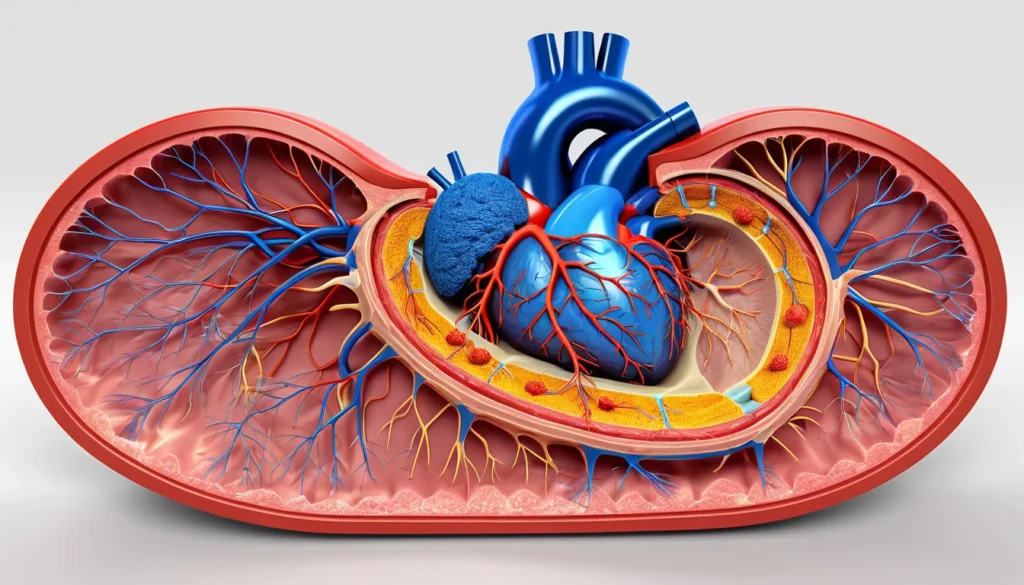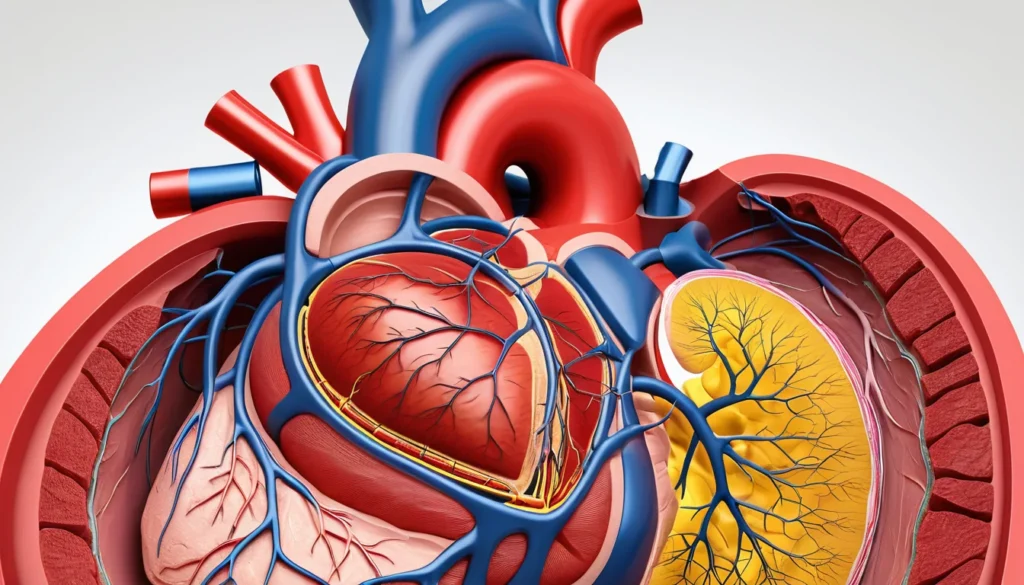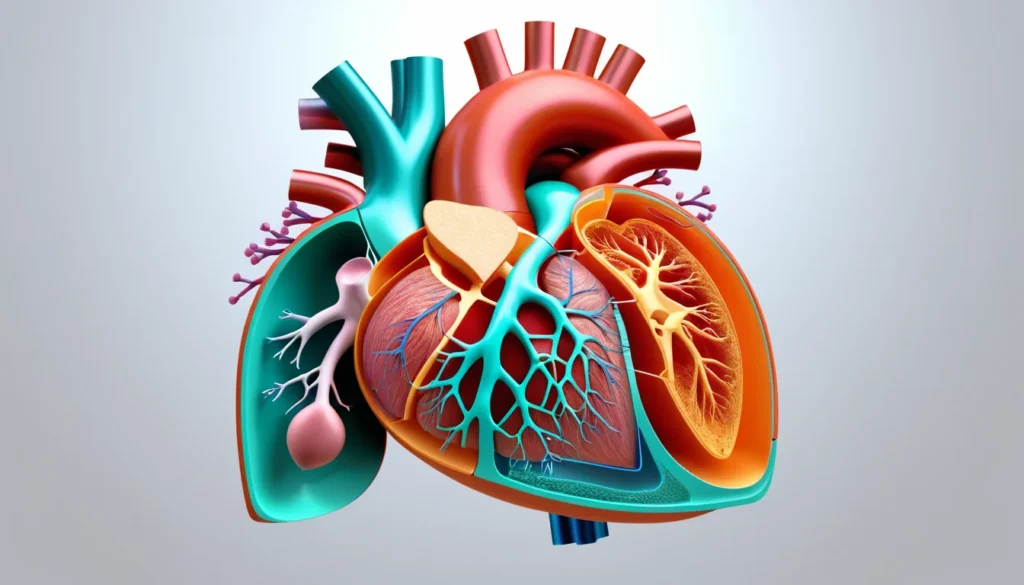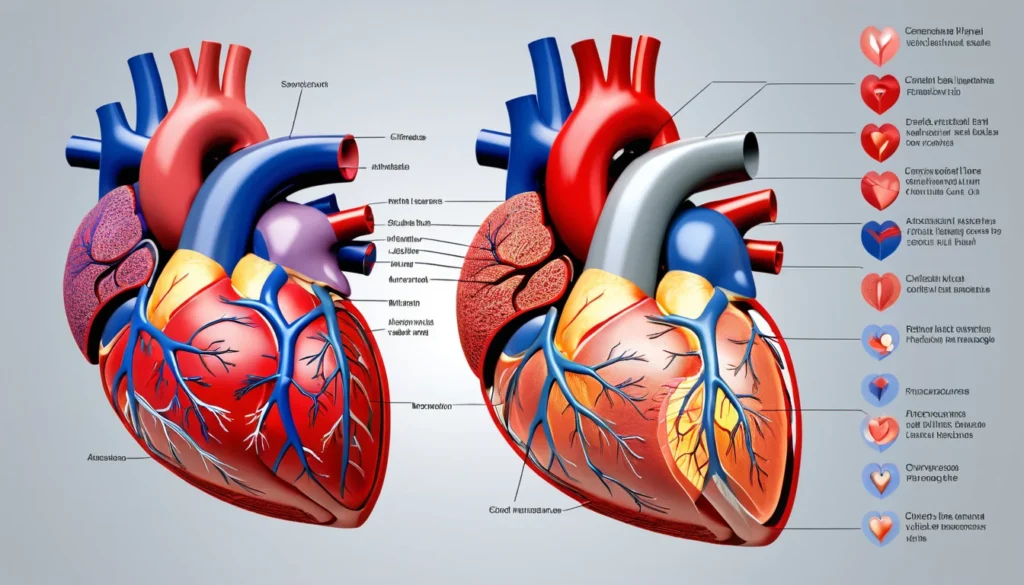
Heart disease is one of the leading causes of death in Canada. It is not just one condition — it is an umbrella term that covers many different problems affecting the heart and blood vessels. Understanding the types, symptoms, and risk factors of heart disease can help you protect yourself and your family. This article explains what you need to know in plain language, so you can have informed conversations with your family doctor or care team.
What Is Heart Disease?
Many Canadians use the term “heart disease” to mean blocked arteries. However, heart disease actually covers a wide range of conditions. Each one affects the heart or blood vessels in a different way.
According to Health Canada, cardiovascular disease remains a top cause of death and hospitalization across the country. The good news is that many forms of heart disease can be managed — or even prevented — with the right care.
Heart disease includes the following conditions:
Coronary artery disease (including heart attack)
Cardiac arrhythmias (irregular heartbeat)
Heart failure
Congenital heart defects (present at birth)
Heart valve disease
Cardiomyopathy (disease of the heart muscle)
Pericardial disease
Aortic and vascular disease
High blood pressure (hypertensive heart disease)
Specialists stress the importance of recognising symptoms early. Treating heart disease quickly can prevent serious complications and greatly improve quality of life.
Coronary Artery Disease: The Most Common Form of Heart Disease
Coronary artery disease (CAD) is the most well-known type of heart disease. It happens when the arteries that supply blood to your heart become narrowed or blocked.
These blockages form slowly over time. Fatty deposits, called plaques, build up on the inner walls of the arteries. As a result, less blood and oxygen can reach the heart muscle.
How Blockages Lead to a Heart Attack
When a plaque cracks or ruptures, blood clots can form very quickly. This can cause a sudden, complete blockage of a coronary artery. This is what happens during a heart attack, also called an acute myocardial infarction.
Symptoms usually appear once more than 70% of an artery is blocked. At that point, the heart muscle is not getting enough oxygen. This causes chest pain or pressure, known as angina.
Angina can occur during physical activity or even at rest. For some people, a heart attack is the very first sign that they have coronary artery disease. This is why regular check-ups with your family doctor matter so much.
Recognising the Warning Signs
Common symptoms of coronary artery disease include:
Chest pain, tightness, or pressure (angina)
Shortness of breath
Pain radiating to the arm, jaw, neck, or back
Nausea or sweating during chest discomfort
Unusual fatigue, especially in women
If you or someone near you experiences these symptoms suddenly and severely, call 911 immediately. Do not drive yourself to the hospital.
Cardiac Arrhythmias: When Your Heartbeat Is Off
Your heart normally beats between 60 and 100 times per minute. That works out to roughly 100,000 beats every single day. A cardiac arrhythmia is any disturbance in that normal rhythm.
Arrhythmias happen when the electrical signals that control your heartbeat do not work properly. They can be triggered by stress, strong emotions, certain medications, or underlying health conditions such as heart disease or diabetes.
Types of Arrhythmias
There are two main categories of arrhythmias: supraventricular and ventricular.
Supraventricular arrhythmias start above the heart’s lower chambers. They are generally considered less dangerous. However, some types — such as atrial fibrillation — can cause blood clots to form inside the heart. These clots can travel to the brain and cause a stroke, or to other organs.
Ventricular arrhythmias start in the lower chambers of the heart. These are more serious. They can cause fainting, loss of consciousness, or even sudden cardiac arrest.
Symptoms to Watch For
Arrhythmia symptoms may include:
Heart palpitations (fluttering or racing heartbeat)
Dizziness or lightheadedness
Fainting or near-fainting (syncope)
Shortness of breath
Chest discomfort
Some arrhythmias are considered medical emergencies. They can lead to sudden cardiac arrest and death if not treated right away. Furthermore, some people need a permanent pacemaker to keep their heart beating safely and regularly.
Heart Failure: When the Heart Cannot Keep Up
Heart failure does not mean the heart has stopped. Instead, it means the heart is not pumping blood as well as it should. It cannot meet the body’s needs for oxygen and nutrients.
Heart failure is a significant public health issue in Canada. It is the leading cause of hospital admission for Canadians over 65. In developed countries, about 2% of adults live with heart failure. Among seniors, that number rises to around 10%.
Common Causes of Heart Failure
Heart failure can develop from several underlying conditions, including:
Previous heart attack or coronary artery disease
High blood pressure (hypertension)
Heart valve disease
Cardiomyopathy (weakened heart muscle)
Diabetes also increases the risk of developing heart failure over time. Managing these conditions with your healthcare provider is one of the best ways to protect your heart.
Symptoms of Heart Failure
People with heart failure often experience:
Shortness of breath (dispnea), especially when lying down
A persistent cough
Swelling in the legs, ankles, or feet
Reduced ability to exercise or do daily activities
Fatigue and weakness
Heart failure is a progressive condition. It significantly reduces quality of life. Although many patients live for years after diagnosis, the annual mortality rate remains around 10%. Therefore, early diagnosis and consistent treatment are essential.
For more information on managing heart failure, visit the Mayo Clinic’s guide to heart failure.
Congenital Heart Defects: Heart Disease Present at Birth
Congenital heart defects are structural problems with the heart or major blood vessels that develop before birth. They affect about 8 out of every 1,000 newborns in Canada.
The exact cause is often hard to determine. However, genetic factors play a role. Exposure to certain substances during pregnancy — such as some medications, alcohol, drugs, or viral infections — can also increase the risk.
Diagnosis and Treatment
Some defects are detected at birth or even before birth through prenatal screening. Others are not found until childhood or adulthood, sometimes only when a complication arises.
More complex defects are usually identified early. Simpler defects may go unnoticed for years. In some cases, an adult learns about a congenital heart condition for the very first time after a routine check-up or an unrelated health event.
Treatment depends on the type and severity of the defect. Some children need surgery or other procedures. Others are monitored closely over time. Advances in cardiac care mean that most children born with heart defects today grow into adulthood.
The World Health Organization’s cardiovascular disease fact sheet provides further global context on congenital and acquired heart conditions.
When to See a Doctor About Heart Disease
You should speak with your family doctor if you notice any ongoing symptoms such as chest discomfort, shortness of breath, swelling in your legs, or an irregular heartbeat. These symptoms do not always mean you have heart disease — but they deserve a proper evaluation.
If you do not have a family doctor, a walk-in clinic can assess your symptoms and refer you for further testing if needed. Most provincial health plans in Canada cover cardiac investigations such as electrocardiograms (ECGs) and echocardiograms when ordered by a physician.
Call 911 immediately if you experience sudden chest pain, difficulty breathing, or loss of consciousness. These are potential signs of a heart attack or cardiac arrest. Do not wait — every minute matters.
Early detection and treatment of heart disease can save your life. Regular check-ups, blood pressure monitoring, and blood work are simple steps your doctor can arrange through your provincial health care system.
Frequently Asked Questions About Heart Disease
What are the early warning signs of heart disease?
Early signs of heart disease can include chest tightness, shortness of breath, unusual fatigue, and heart palpitations. Some people also notice swelling in their legs or dizziness. If you experience any of these symptoms regularly, speak with your family doctor as soon as possible.
Can heart disease be prevented?
Many forms of heart disease can be prevented or delayed through healthy lifestyle choices. Eating a balanced diet, staying physically active, not smoking, and managing conditions like high blood pressure and diabetes all help protect your heart. Your family doctor can create a prevention plan tailored to you.
Is heart disease covered by provincial health plans in Canada?
Yes, most medically necessary tests and treatments for heart disease are covered under provincial and territorial health plans in Canada. This includes doctor visits, hospital care, diagnostic tests like ECGs, and many cardiac procedures. Check with your provincial health authority for specific coverage details.
What is the difference between a heart attack and heart failure?
A heart attack happens suddenly when blood flow to part of the heart is blocked, causing heart muscle to die. Heart failure is a longer-term condition where the heart gradually becomes too weak to pump blood effectively. Both are serious forms of heart disease and require medical attention.
What causes an irregular heartbeat (arrhythmia)?
Arrhythmias can be caused by coronary artery disease, high blood pressure, diabetes, stress, certain medications, or problems with the heart’s electrical system. Some arrhythmias are harmless, while others can be life-threatening. A doctor can evaluate your heart rhythm with a simple ECG test.
At what age does heart disease typically develop?
Heart disease can develop at any age, including in children born with congenital heart defects. However, the risk of coronary artery disease and heart failure increases significantly after age 45 in men and after menopause in women. Lifestyle factors can accelerate or slow this process considerably.
Key Takeaways
Heart disease is a broad term covering many conditions, including coronary artery disease, arrhythmias, heart failure, and congenital defects.
Coronary artery disease is the most common type and can lead to angina or a heart attack.
Arrhythmias range from harmless palpitations to life-threatening conditions requiring urgent care.
Heart failure is the leading cause of hospitalisation in Canadians over 65, but it can be managed effectively with treatment.
Congenital heart defects affect roughly 8 in 1,000 newborns and range from simple to complex.
If you have concerns about your heart health, speak with your family doctor or visit a walk-in clinic. Most cardiac testing is covered by your provincial health plan.
Always consult a qualified healthcare provider before making any changes to your health routine or treatment plan. This article is for informational purposes only and does not replace professional medical advice.