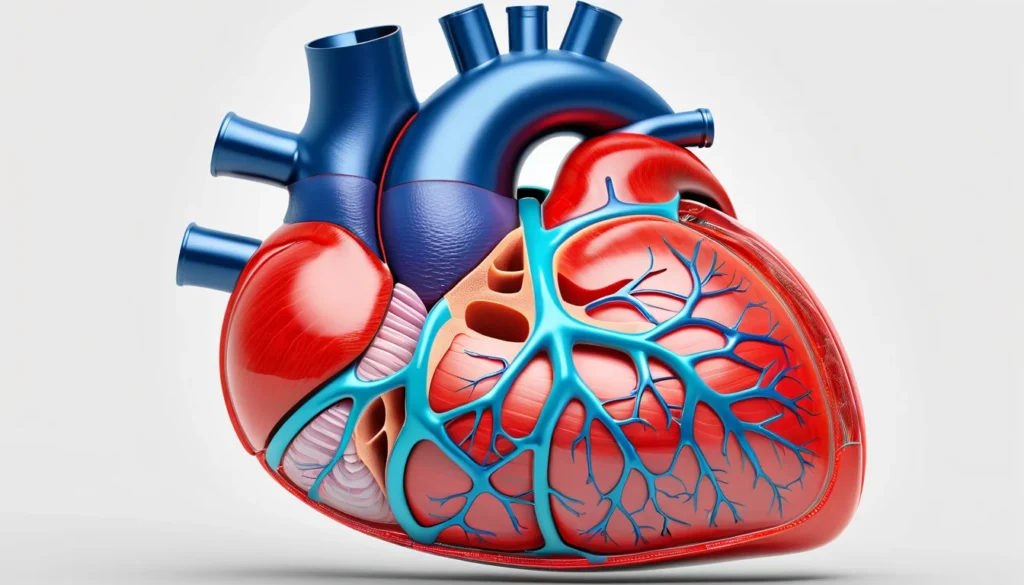
Heart disease is one of the leading causes of death in Canada, accounting for a significant portion of all deaths each year. The good news is that many forms of heart disease can be prevented — or caught early — with the right tests and healthy daily habits. In this article, we break down the most common heart conditions, the warning signs to watch for, and the key tests your doctor may recommend to keep your heart healthy.
Why Heart Disease Is a Serious Health Concern in Canada
Heart disease affects hundreds of thousands of Canadians every year. According to Health Canada, cardiovascular disease remains one of the top causes of hospitalization and death across the country. Yet many people don’t know they have a problem until something serious happens.
The biggest risk factors include smoking, heavy alcohol use, poor diet, and a lack of physical activity. However, family history also plays a major role. If heart disease runs in your family, your personal risk may be higher than average — even if you feel perfectly fine right now.
Therefore, understanding your risk early is one of the most powerful things you can do for your long-term health. Doctors can use validated risk tools, such as the internationally recognized SCORE 2 risk chart, to estimate your individual cardiovascular risk and build a prevention plan around it.
Common Types of Heart Disease
Heart disease is not just one condition. It is an umbrella term that covers many different problems affecting the heart and blood vessels. Knowing the most common types can help you have a more informed conversation with your family doctor.
The most frequently seen cardiovascular conditions include:
High blood pressure (hypertension) — often called the “silent killer” because it rarely causes obvious symptoms
Coronary artery disease — a build-up of plaque in the arteries that can lead to a heart attack
Angina — chest pain or discomfort caused by reduced blood flow to the heart
Heart attack (myocardial infarction) — when blood flow to part of the heart is blocked
Stroke and peripheral artery disease — caused by atherosclerosis (hardening of the arteries) in other parts of the body
Arrhythmias — irregular heart rhythms that can range from harmless to life-threatening
Heart failure — when the heart cannot pump blood as efficiently as it should
High cholesterol (dyslipidaemia) — excess fats in the blood that can clog arteries over time
Valve disease — problems with the heart’s valves that affect blood flow
In addition, many of these conditions can develop silently for years before causing symptoms. That is why regular check-ups with your family doctor are so important.
Warning Signs of Heart Disease You Should Not Ignore
Heart disease often develops without clear warning signs. However, certain symptoms should prompt you to seek medical attention right away. Do not wait to see if they go away on their own.
Chest Pain or Discomfort
Chest pain is the most well-known symptom of a heart problem. It may feel like pressure, squeezing, tightness, or a burning sensation behind the breastbone or slightly to the left. The discomfort can spread to your left arm, neck, jaw, or stomach. It is often triggered by physical activity, emotional stress, or cold weather.
Even if the pain is mild or brief, do not ignore it. It is always better to get it checked out than to wait.
Shortness of Breath
Feeling short of breath during normal activities — or even at rest — can be a sign of heart trouble. This is especially true if the breathlessness has been getting progressively worse over time. For example, if climbing stairs or walking to the car now leaves you winded, that is worth discussing with a doctor.
Fatigue and Other Symptoms
Unusual or unexplained tiredness is another common but often overlooked symptom. Furthermore, watch for heart palpitations (a racing, fluttering, or pounding heartbeat), swelling in the legs or ankles, and episodes of fainting or losing consciousness. These can all point to an underlying heart condition that needs attention.
As the Mayo Clinic explains, high blood pressure in particular is often completely symptom-free. Nearly half of adults with high blood pressure don’t know they have it. This is why regular blood pressure checks are so critical.
Heart Disease Tests Your Doctor May Recommend
If you visit your family doctor or a cardiologist with concerns about heart disease, they will likely start with a physical exam and a conversation about your symptoms, lifestyle, and family history. From there, they may order a range of tests.
Electrocardiogram (ECG)
An ECG — also written as EKG — is usually the first test ordered. It is quick, painless, and non-invasive. The test records the electrical activity of your heart and can detect irregular rhythms, signs of a previous heart attack, or other abnormalities. It takes only a few minutes and is available at most clinics across Canada.
Routine Blood Tests
Blood tests give your doctor a broad picture of your overall health. For heart health specifically, your doctor will typically check your cholesterol levels (lipid profile), blood sugar (glucose), kidney function (creatinine and GFR), liver enzymes, and a complete blood count. These are recommended at least once a year for people with known cardiovascular risk factors.
For those with an existing heart condition or higher risk, additional blood markers may be ordered. These include high-sensitivity C-reactive protein (a marker of inflammation), lipoprotein(a), and homocysteine levels. These tests can provide a more detailed picture of cardiovascular risk.
Blood Pressure Monitoring
Your doctor will measure your blood pressure at every visit. However, in some cases, a single reading is not enough. A 24-hour blood pressure monitor (Holter blood pressure monitor) may be recommended. You wear a small cuff throughout the day and night, and the device records your readings automatically. This helps identify high blood pressure that only shows up overnight or that is missed in a clinical setting.
Echocardiogram (Heart Ultrasound)
An echocardiogram uses sound waves to create images of your heart. It shows how well your heart is pumping and checks the structure of the heart muscle and valves. It is painless and widely available at cardiac centres across Canada. This test is especially useful for diagnosing heart failure and valve problems.
Holter Monitor (24 to 48-Hour ECG)
A Holter monitor is a small, portable device you wear for 24 to 48 hours. It records your heart’s electrical activity continuously during your normal daily activities and while you sleep. This is particularly helpful for detecting irregular heart rhythms that may not show up during a brief in-office ECG. As a result, it gives your doctor a much more complete picture of how your heart is behaving throughout the day.
Stress Test (Exercise ECG)
A stress test monitors your heart while you exercise — usually on a treadmill or stationary bike. It shows how your heart responds under physical strain. For example, it can reveal whether chest pain is triggered by exertion and whether blood flow to the heart is adequate during activity. This test is commonly ordered for people with symptoms like chest discomfort or unexplained fatigue.
Advanced Imaging Tests
In more complex cases, your cardiologist may order advanced imaging such as a cardiac CT scan, cardiac MRI, or a chest X-ray. In select cases, cardiac catheterization (an invasive procedure to look inside the coronary arteries) may be needed. These are typically performed at specialized cardiac centres and are covered under most provincial health plans when medically necessary.
How to Prevent Heart Disease: Habits That Actually Help
Prevention is the most powerful tool we have against heart disease. The World Health Organization confirms that up to 80% of premature heart attacks and strokes can be prevented through healthy lifestyle choices. The earlier you start, the better — but it is never too late.
Here are the most evidence-based habits for protecting your heart:
Quit smoking — both active and secondhand smoke significantly raise your risk of heart disease
Stay active — aim for at least 30 minutes of moderate aerobic activity daily, or 150 minutes per week
Eat a heart-healthy diet — focus on fruits, vegetables, whole grains, legumes, and nuts; the Mediterranean-style diet is particularly well-supported by research
Limit processed foods — reduce your intake of added sugar, salt, saturated fats, and ultra-processed snacks
Drink alcohol in moderation — or not at all; heavy drinking raises blood pressure and weakens the heart muscle
Manage stress — chronic stress contributes to high blood pressure and unhealthy behaviours; try walking, meditation, or talking to a counsellor
Know your numbers — get regular checks on blood pressure, cholesterol, and blood sugar
Furthermore, heart-healthy habits are not just for older adults. Building these routines in childhood and young adulthood creates a strong foundation that lasts a lifetime.
When to See a Doctor About Heart Disease
You do not need to wait for a crisis to talk to someone about your heart health. In Canada, your first point of contact is your family doctor or general practitioner. They can assess your risk, order initial tests, and refer you to a cardiologist if needed.
If you do not have a family doctor, a walk-in clinic can help. Walk-in clinic doctors can check your blood pressure, order basic blood work, and arrange an ECG. Many provinces also offer nurse practitioner-led clinics and telehealth options that can get you started.
However, if you are experiencing chest pain, sudden shortness of breath, palpitations, fainting, or one-sided weakness or numbness, do not go to a walk-in clinic. Call 911 or go to your nearest emergency department immediately. These symptoms may signal a heart attack or stroke, which require urgent care.
Even if you feel completely well, it is worth booking a check-up if you:
Have a family history of heart disease or stroke
Smoke or have smoked in the past
Have high blood pressure, high cholesterol, or diabetes
Are over 40 and have not had a cardiovascular risk assessment
Are significantly overweight or physically inactive
Early detection makes an enormous difference. Conditions like high blood pressure and high cholesterol are very treatable — but only if you know you have them.
Frequently Asked Questions About Heart Disease
What are the early warning signs of heart disease?
Early signs of heart disease can include chest discomfort, unexplained fatigue, shortness of breath, and heart palpitations. However, many people with heart disease have no symptoms at all, especially in the early stages. That is why regular check-ups with your family doctor are so important, even when you feel fine.
What tests are used to diagnose heart disease?
Doctors use several tests to diagnose heart disease, including an ECG (electrocardiogram), blood tests, echocardiogram, Holter monitor, and stress test. In more complex cases, a cardiac CT scan, MRI, or cardiac catheterization may be needed. Most of these tests are covered under provincial health plans when ordered by a doctor.
Can heart disease be prevented?
Yes, a large proportion of heart disease cases can be prevented through healthy lifestyle choices. Not smoking, staying physically active, eating a balanced diet, and managing blood pressure and cholesterol are all proven ways to reduce your risk. Starting these habits early in life — and maintaining them — provides the greatest benefit.
How often should I get checked for heart disease in Canada?
Most Canadian adults should have a cardiovascular risk assessment starting at age 40, or earlier if they have risk factors such as a family history of heart disease, diabetes, or high blood pressure. Your family doctor can recommend how often you should come in based on your individual risk profile. Annual blood pressure checks and blood tests are a good baseline for most adults.
Is heart disease covered under provincial health plans in Canada?
Yes, most diagnostic tests and treatments for heart disease are covered under provincial and territorial health insurance plans when referred by a physician. This includes ECGs, echocardiograms, Holter monitors, stress tests, and specialist referrals to a cardiologist. Coverage details may vary slightly by province, so check with your provincial health authority if you are unsure.
What is a Holter monitor and why is it used for heart disease?
A Holter monitor is a small, wearable device that records your heart’s electrical activity continuously for 24 to 48 hours. It is used when doctors suspect an irregular heart rhythm that may not show up during a brief in-office ECG. The monitor allows your doctor to see exactly how your heart is behaving during your normal daily activities and while you sleep.
Key Takeaways
Heart disease is a leading cause of death in Canada, but it is largely preventable with early action. Many heart conditions — including high blood pressure — have no obvious symptoms, making regular check-ups essential. Key warning signs include chest pain, shortness of breath, palpitations, unusual fatigue, and leg swelling. Call 911 for sudden or severe symptoms. Your doctor may recommend an ECG, blood tests, Holter monitor, echocardiogram, or stress test depending on your symptoms and risk level. Most of these tests are covered under provincial health plans when medically necessary. Healthy lifestyle habits — including not smoking, staying active, and eating