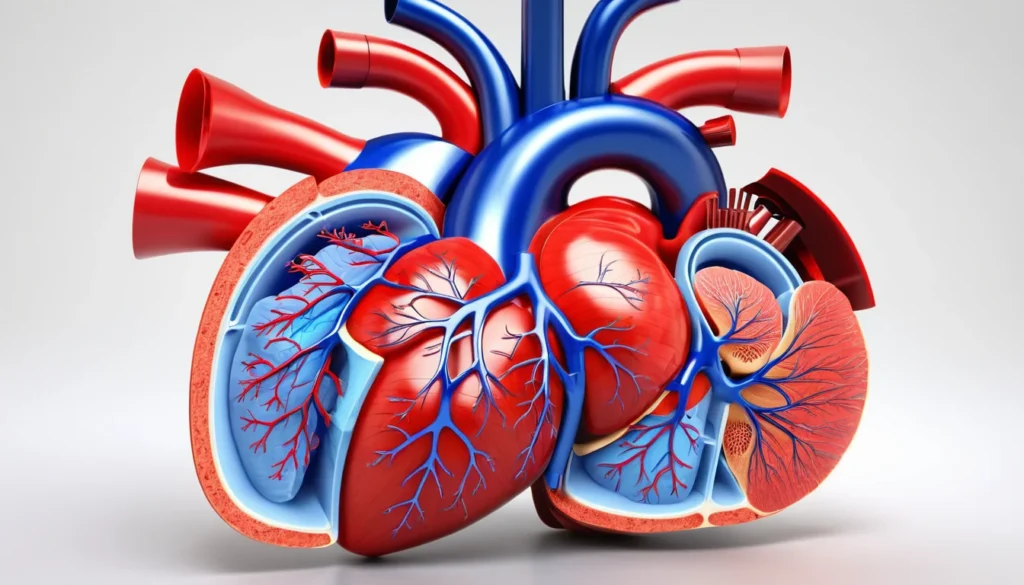
Heart disease symptoms are not always obvious — and that is exactly what makes heart disease so dangerous. It is the leading cause of death worldwide, claiming more lives each year than all cancers combined. Many Canadians do not recognize the warning signs until it is too late. Learning to spot these symptoms early could save your life or the life of someone you love.
Why Heart Disease Symptoms Are Easy to Miss
Heart disease symptoms can be subtle. They do not always feel dramatic or severe. In fact, many people mistake them for indigestion, anxiety, or simply feeling “off.”
Symptoms also vary from person to person. They can differ based on age, sex, and overall health. For example, women often experience different warning signs than men. This makes early detection even harder.
According to the World Health Organization, cardiovascular diseases are the number one cause of death globally. However, many of these deaths are preventable with early action and awareness.
Knowing what to look for is especially important if you are over 50, or if you have any of these risk factors:
High cholesterol
High blood pressure
Obesity
Smoking
Type 2 diabetes
A family history of heart disease
If any of these apply to you, pay close attention to the symptoms below. Do not wait to see if they go away on their own.
13 Heart Disease Symptoms You Should Never Ignore
1. Intense Anxiety or Feeling of Doom
One of the earliest heart disease symptoms is an overwhelming sense of anxiety. Many heart attack survivors describe feeling as though something terrible was about to happen — even before any physical pain began.
This feeling is not the same as everyday stress or worry. It comes on suddenly and feels different from anything you have experienced before. If this happens to you, take it seriously.
2. Chest Pain or Pressure
Chest pain is one of the most well-known heart disease symptoms. It often feels like a heavy weight pressing down on your chest. You may also feel tightness, fullness, or deep discomfort.
This pain usually starts just below the breastbone, slightly to the left. It can last several minutes or come and go. Men tend to feel strong pressure or pain, while women more often describe a burning sensation in the chest.
Many people mistakenly blame this feeling on heartburn or indigestion. However, if it is new, intense, or comes with other symptoms, do not ignore it.
3. Persistent Cough or Wheezing
A cough that will not go away can sometimes signal heart failure. When the heart is not pumping properly, fluid can build up in the lungs. This leads to wheezing, shortness of breath, or a persistent cough.
In some cases, people may cough up small amounts of blood-tinged mucus. This is a serious sign that needs immediate medical attention. Do not assume it is just a cold or respiratory infection.
4. Dizziness or Fainting
Feeling lightheaded or suddenly losing consciousness can be a warning sign of a heart attack. These episodes happen when the heart develops a dangerously irregular rhythm, known as an arrhythmia.
Arrhythmias disrupt the normal flow of blood to the brain. As a result, you may feel dizzy, faint, or briefly lose consciousness. This symptom should never be brushed off.
5. Unusual Fatigue
Feeling extremely tired — especially without a clear reason — is one of the most commonly overlooked heart disease symptoms. This type of fatigue is not the normal tiredness you feel after a long day. It is deep, persistent, and does not improve with rest.
This symptom is especially common in women in the days or weeks leading up to a heart attack. Furthermore, it can appear well before any chest pain begins. If you are unusually exhausted and cannot explain why, speak with your doctor.
6. Nausea or Loss of Appetite
Nausea, bloating, and stomach upset can occur in the early stages of a heart attack. These digestive-seeming symptoms often cause people to delay seeking help. They assume they have eaten something bad or caught a stomach bug.
In addition, heart failure can cause fluid to build up around the digestive organs. This leads to a reduced appetite and general discomfort after eating. If these symptoms appear alongside other warning signs, seek medical care right away.
7. Pain That Spreads Beyond the Chest
Heart attack pain does not always stay in the chest. It can radiate outward to the shoulders, arms, elbows, back, neck, jaw, or abdomen. In some cases, there is no chest pain at all — only discomfort in these other areas.
Men typically feel this radiating pain in the left arm. Women, however, are more likely to feel it in both arms or between the shoulder blades. Any unexplained pain in these areas, especially combined with other symptoms, deserves urgent attention.
8. Irregular Heartbeat or Palpitations
Feeling your heart flutter, race, or skip a beat is known as palpitations. An occasional irregular heartbeat on its own is usually harmless. However, when palpitations come with weakness, dizziness, or difficulty breathing, they may signal a serious heart problem.
Untreated arrhythmias can lead to stroke or sudden cardiac arrest. Therefore, if your palpitations are frequent or paired with other symptoms, see a doctor promptly. The Mayo Clinic explains how arrhythmias affect the heart’s electrical system and why early treatment matters.
9. Shortness of Breath
Feeling breathless after minimal effort — like climbing one flight of stairs — can be a sign of heart disease. It can also point to lung conditions like asthma or chronic obstructive pulmonary disease (COPD). However, when shortness of breath occurs alongside chest pain or fatigue, the heart may be the cause.
During a heart attack, difficulty breathing and chest pain often appear together. Do not wait to see if the breathlessness passes. Call 911 immediately if this happens.
10. Cold Sweats
Breaking out in a cold sweat — even when you are resting and not hot — is a classic heart attack warning sign. This is different from sweating during exercise or on a warm day. Cold sweats during a heart attack happen because your body is under extreme stress.
This symptom often appears suddenly and without warning. It may come with other signs like chest pain or nausea. Take it seriously.
11. Swelling in the Legs, Ankles, or Feet
Heart failure causes the body to retain fluid. As a result, you may notice swelling in your legs, ankles, feet, or abdomen. You might also gain weight suddenly without any change in your diet.
This swelling happens because a weakened heart cannot pump blood efficiently. Fluid backs up and collects in the lower body. If you notice unexplained swelling, speak to your family doctor as soon as possible.
12. Sudden Weakness
An unexplained, severe weakness — feeling like you have no strength at all — can be an early warning of a heart attack. Some patients describe being so weak they could barely hold a piece of paper. This kind of weakness is sudden and does not match your recent activity level.
In the days leading up to a heart attack, this feeling may come and go. Do not dismiss it as simple tiredness or stress.
13. Palpitations Triggered by Stress or Exertion
Palpitations that occur during physical activity, emotional stress, or sudden anxiety may point to an underlying heart rhythm problem. They often feel like your heart is pounding, racing, or briefly stopping.
While not always dangerous, recurring palpitations with a trigger should be evaluated. Your doctor can run simple tests to check your heart’s electrical activity.
Heart Disease Symptoms in Women vs. Men
Heart disease symptoms do not look the same in everyone. Men are more likely to feel classic symptoms — like strong chest pressure and left arm pain. Women, however, often experience subtler signs that are easy to dismiss.
Women are more likely to report unusual fatigue, nausea, jaw pain, and pain between the shoulder blades. They may not feel intense chest pain at all. This is one reason heart attacks in women are sometimes diagnosed later than in men.
According to Healthline’s overview of heart disease symptoms in women, these differences can lead to delays in treatment. If you are a woman experiencing any combination of the symptoms listed above, trust your instincts and seek care.
When to See a Doctor
Call 911 immediately if you experience chest pain, sudden shortness of breath, fainting, or severe weakness. Do not drive yourself to the hospital. Time is critical during a heart attack — every minute matters.
For less urgent concerns, book an appointment with your family doctor. If you do not have a family doctor, a walk-in clinic can assess your symptoms and refer you for further testing if needed. Most provincial health plans in Canada cover heart-related diagnostic tests, including ECGs and bloodwork.
If you have risk factors for heart disease, talk to your doctor about regular check-ups. Early monitoring can catch problems before they become emergencies. You should also ask about your province’s preventive care programmes for cardiovascular health.
Do not ignore any symptom that feels new, unusual, or persistent — even if it seems minor. A brief visit to a walk-in clinic could make all the difference. Always consult a qualified healthcare professional for any health concerns.
Frequently Asked Questions About Heart Disease Symptoms
What are the most common heart disease symptoms in Canada?
The most common heart disease symptoms include chest pain or pressure, shortness of breath, unusual fatigue, and an irregular heartbeat. Other signs include cold sweats, dizziness, nausea, and swelling in the legs or ankles. If you experience any of these, especially in combination, contact your family doctor or call 911.
Can heart disease symptoms feel like indigestion?
Yes, some heart disease symptoms — like nausea, bloating, and chest discomfort — can feel very similar to indigestion or heartburn. This is one reason many people delay seeking help. If digestive-like symptoms appear alongside fatigue, jaw pain, or arm pain, seek medical attention right away.
Are heart disease symptoms different for women?
Yes, women often experience heart disease symptoms differently than men. Women are more likely to feel unusual fatigue, nausea, back or jaw pain, and shortness of breath rather than classic chest pressure. These subtler symptoms are sometimes mistaken for anxiety or the flu, which can delay diagnosis and treatment.
When should I call 911 for heart disease symptoms?
Call 911 immediately if you experience sudden chest pain or pressure, difficulty breathing, fainting, or severe unexplained weakness — these are emergency heart disease symptoms. Do not wait to see if the symptoms pass on their own. In a heart attack, getting help within the first few minutes dramatically improves survival and recovery.
Can anxiety cause heart disease symptoms?
Anxiety can cause symptoms that mimic heart disease symptoms, such as a racing heart, chest tightness, and shortness of breath. However, it is important not to assume anxiety is always the cause. If you are unsure, visit a walk-in clinic or your family doctor to rule out a heart-related cause.
Does swelling in the legs mean heart problems?
Swollen legs, ankles, or feet can be one of the heart disease symptoms associated with heart failure, where the heart cannot pump blood effectively and fluid builds up in the body. However, swelling can also be caused by other conditions. See your family doctor for a proper assessment if you notice unexplained or worsening swelling.
Key Takeaways
Heart disease symptoms are not always obvious — many people mistake them for less serious conditions.
The 13 key warning signs include chest pain, fatigue, shortness of breath, cold sweats, dizziness, nausea, palpitations, and swelling.
Women often experience different symptoms than men, including fatigue, jaw pain, and back pain instead of classic chest pressure.
If you have risk factors like high blood pressure, diabetes, obesity, or a family history of heart disease, learn these signs now.
Call 911 immediately for chest pain, sudden breathlessness, fainting, or severe weakness.
For non-emergency concerns, your family doctor or a walk-in clinic can assess your heart health. Most provincial health plans cover basic cardiovascular testing.
Always speak with a qualified healthcare professional about any symptoms that concern you.