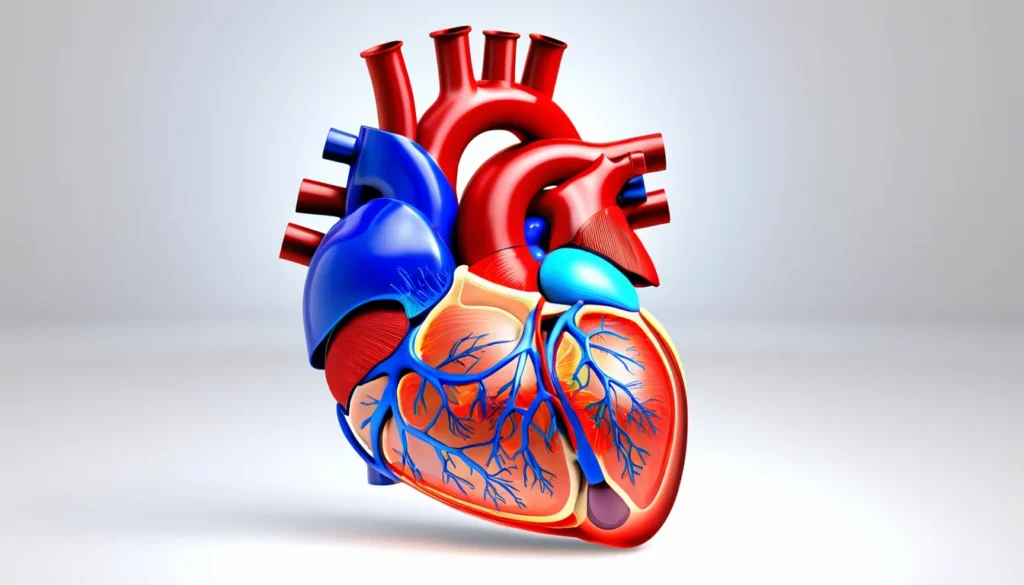
Heart disease prevention is one of the most important things you can do for your long-term health. Cardiovascular disease is the leading cause of death worldwide — and Canada is no exception. The good news is that many of the biggest risk factors are within your control. By making changes to your lifestyle and working with your family doctor, you can significantly lower your chances of a heart attack, stroke, or heart failure.
Why Heart Disease Prevention Matters for Canadians
Cardiovascular disease covers a wide range of conditions, including coronary artery disease, heart failure, and stroke. These conditions share many of the same root causes. Most of them are preventable.
Risk factors like smoking, high cholesterol, high blood pressure, diabetes, and a sedentary lifestyle all damage your blood vessels over time. This damage leads to a process called atherosclerosis — a build-up of plaque inside your arteries that restricts blood flow. Identifying and treating these risk factors early can dramatically reduce your risk of a serious cardiac event.
According to Health Canada, heart disease and stroke affect millions of Canadians every year. Taking action now — at any age — makes a real difference.
Quitting Smoking: The Single Biggest Step You Can Take
Smoking is one of the most powerful risk factors for cardiovascular disease. It raises your risk of coronary artery disease and makes existing heart conditions far more dangerous. However, the benefits of quitting begin almost immediately.
Research shows that within just a few months of quitting, your risk of a coronary event starts to drop. After three to five years without smoking, your heart disease risk falls to roughly the same level as someone who has never smoked. That is a remarkable recovery your body is capable of.
How to Quit Smoking in Canada
There are many tools available to help you quit. These include nicotine replacement therapy (patches, gum, lozenges), prescription medications, and group or one-on-one counselling programmes. Your provincial health plan may cover some of these options — check with your family doctor or local walk-in clinic to find out what is available to you.
Ultimately, the most important ingredient is willpower. But you do not have to do it alone. Ask your doctor about smoking cessation programmes in your area. Support makes quitting far more achievable.
Understanding Cholesterol and Heart Disease Prevention
Cholesterol plays a central role in cardiovascular health. It is a fatty substance found in your blood, and not all cholesterol is the same. Understanding the difference between “good” and “bad” cholesterol is key to heart disease prevention.
Cholesterol comes in two main forms:
LDL (low-density lipoprotein): Often called “bad” cholesterol. High levels of LDL cause plaque to build up in your arteries.
HDL (high-density lipoprotein): Often called “good” cholesterol. HDL helps carry cholesterol away from your arteries and back to the liver for removal.
For every 1 mg/dL increase in LDL, your risk of a cardiovascular event rises by 2 to 3 percent. Conversely, for every 1 mg/dL drop in HDL, your risk increases by 3 to 4 percent. Both numbers matter when your doctor assesses your heart health.
Getting a Cholesterol Blood Test
To get an accurate picture of your cholesterol levels, you need a fasting blood test — meaning you should not eat or drink anything except water for 9 to 12 hours beforehand. Your doctor will look at your total cholesterol, your LDL, your HDL, and your triglycerides (another type of fat in the blood).
Ask your family doctor how often you should be tested. In Canada, adults over 40 — or younger adults with risk factors — are generally advised to have regular cholesterol checks as part of routine preventive care.
When Medication May Be Needed
Your doctor will recommend treatment based on your overall cardiovascular risk — not just your cholesterol numbers alone. For people at high or very high risk, current medical guidelines recommend starting a class of medications called statins. These drugs work by reducing the amount of LDL cholesterol your liver produces.
Statins are also recommended for people with diabetes or for those who have already had a heart attack or stroke. If your main cholesterol concern is low HDL rather than high LDL, lifestyle changes are usually the first approach. These include quitting smoking, losing weight, and exercising regularly — at least 30 minutes of aerobic activity each day. For more information on cholesterol management, visit the Mayo Clinic’s guide to high cholesterol.
Managing Blood Pressure for a Healthier Heart
High blood pressure — also called hypertension — is one of the most common and most dangerous risk factors for cardiovascular disease. It puts constant strain on your heart and blood vessels, even when you feel perfectly fine. That is why it is sometimes called the “silent killer.”
For every 20 mmHg increase in systolic blood pressure (the top number), or every 10 mmHg increase in diastolic pressure (the bottom number) above normal, your risk of a cardiovascular event doubles. Treating high blood pressure reduces your risk of stroke, heart failure, and coronary artery disease.
The general treatment target for most adults is a blood pressure reading below 140/85 mmHg. However, your doctor may set a different target based on your age and overall health.
Lifestyle Changes for Blood Pressure Control
If your blood pressure is slightly elevated — sometimes called pre-hypertension — lifestyle changes are the first line of defence. In addition to medication when needed, your doctor may recommend the following:
Eating a diet rich in fruits, vegetables, and fibre, while reducing saturated fat and sodium
Reaching and maintaining a healthy body weight
Exercising regularly — aim for at least 150 minutes of moderate activity per week
Limiting alcohol to no more than two standard drinks per day
Quitting smoking
These changes can lower your blood pressure meaningfully — sometimes enough to avoid or delay the need for medication altogether.
Diabetes, Metabolic Syndrome, and Cardiovascular Risk
Diabetes significantly raises the risk of heart disease. In fact, people with type 2 diabetes are two to four times more likely to develop cardiovascular disease than people without diabetes. Poorly controlled blood sugar causes damage to blood vessels over time, accelerating atherosclerosis.
Controlling your blood sugar levels helps reduce complications affecting your kidneys, eyes, and nerves. However, managing blood sugar alone does not fully protect against heart-related complications like coronary artery disease or stroke. Therefore, a broader approach is needed — including cholesterol management and blood pressure control.
Current medical guidelines recommend that people with diabetes start statin therapy to reduce their cardiovascular risk — even if they do not yet have symptoms of heart disease. Talk to your doctor about whether this applies to you.
What Is Metabolic Syndrome?
Metabolic syndrome is a cluster of risk factors that often appear together. These include:
Central obesity (excess fat around the abdomen)
Insulin resistance or elevated blood sugar
High blood pressure
High triglycerides
Low HDL cholesterol
Having metabolic syndrome — even without a formal diagnosis of diabetes — puts you at very high risk for heart disease and stroke. Furthermore, lifestyle changes have a powerful positive effect on this condition. Losing even a modest amount of weight, moving more, and improving your diet can meaningfully reduce all of these risk factors together.
Gender, Hormones, and Heart Disease Risk
Heart disease affects both men and women, but in different ways and at different stages of life. Men generally face a higher risk of coronary artery disease earlier in life. However, women’s risk rises sharply after menopause, eventually approaching that of men.
Before menopause, estrogen provides some natural protection against cardiovascular disease. It helps keep LDL levels lower and HDL levels higher. After menopause, this protective effect fades — and cardiovascular risk accelerates as a result.
Some research has explored hormone therapy as a way to reduce heart disease risk in postmenopausal women. While estrogen therapy can improve cholesterol profiles, current evidence does not support using it solely for heart disease prevention. The decision to use hormone therapy should be made carefully with your doctor, weighing all benefits and risks. The World Health Organization’s cardiovascular disease fact sheet offers additional context on global risk patterns across genders.
When to See a Doctor About Heart Disease Prevention
You do not need to wait until something feels wrong to talk to your doctor about heart health. In fact, heart disease prevention works best when you act early — before problems develop.
Book an appointment with your family doctor if you:
Have not had a cholesterol or blood pressure check in the past year or two
Have a family history of heart disease, diabetes, or stroke
Smoke or are trying to quit
Are managing diabetes, high blood pressure, or high cholesterol
Are going through or have recently gone through menopause
Are overweight or have recently gained significant weight
If you do not have a family doctor, a walk-in clinic can provide basic heart health screening and refer you to appropriate care. Many provincial health plans cover routine preventive screenings — including blood tests and blood pressure checks — at no cost to you. Do not hesitate to use the resources available through your provincial health system.
Always consult your doctor or a qualified healthcare provider before making significant changes to your diet, exercise routine, or medications. This article provides general health information and is not a substitute for personalised medical advice.
Frequently Asked Questions About Heart Disease Prevention
What is the most effective way to prevent heart disease?
Heart disease prevention is most effective when you address multiple risk factors at once. Quitting smoking, eating a heart-healthy diet, exercising regularly, and managing blood pressure and cholesterol are the most impactful steps you can take. Working with your family doctor to monitor your numbers regularly is equally important.
What are the warning signs of heart disease I should not ignore?
Common warning signs include chest pain or tightness, shortness of breath, fatigue, dizziness, and swelling in the legs or ankles. However, heart disease often develops silently over many years without obvious symptoms. That is why routine check-ups are a critical part of heart disease prevention.
What foods should I avoid to reduce my risk of heart disease?
To support heart disease prevention, limit foods high in saturated fat, trans fat, sodium, and added sugar. This includes processed meats, fried foods, packaged snacks, and sugary drinks. Instead, focus on whole grains, fruits, vegetables, lean proteins, and healthy fats like those found in nuts, seeds, and fish.
How does high cholesterol lead to heart disease?
High LDL cholesterol causes fatty deposits called plaque to build up inside your artery walls — a process called atherosclerosis. Over time, this narrows the arteries and restricts blood flow to the heart, increasing the risk of a heart attack or stroke. Keeping your LDL low and your HDL high is a key part of heart disease prevention.
Can heart disease be reversed with lifestyle changes?
While significant arterial damage cannot be fully reversed, lifestyle changes can slow or even partially reduce plaque build-up and dramatically lower the risk of future cardiac events. Heart disease prevention through diet, exercise, and quitting smoking remains effective even after a diagnosis. Your doctor can create a plan tailored to your specific situation.
At what age should Canadians start thinking about heart disease prevention?
Heart disease prevention should start early — ideally in your 20s and 30s — by building healthy habits around diet, exercise, and not smoking. Most Canadian guidelines recommend routine cholesterol and blood pressure screening starting around age 40, or earlier if you have risk factors like diabetes or a family history of heart disease.
Key Takeaways
Heart disease prevention is possible — most major risk factors are within your control.
Quitting smoking is one of the fastest ways to reduce your cardiovascular risk. Within 3–5 years, your risk drops to that of a non-smoker.
Cholesterol matters. Keep LDL low and HDL high through diet, exercise, and medication if needed. Get a fasting blood test to know your numbers.
Blood pressure control significantly lowers your risk of stroke, heart failure, and coronary disease. Target below 140/85 mmHg for most adults.
Diabetes and metabolic syndrome raise cardiovascular risk substantially. Managing blood sugar, weight, and cholesterol together is essential.
Women’s risk rises after menopause. Talk to your doctor about how your heart health needs may change over time.
See your family doctor or a walk-in clinic regularly for preventive screenings. Many provincial health plans cover these at no cost.