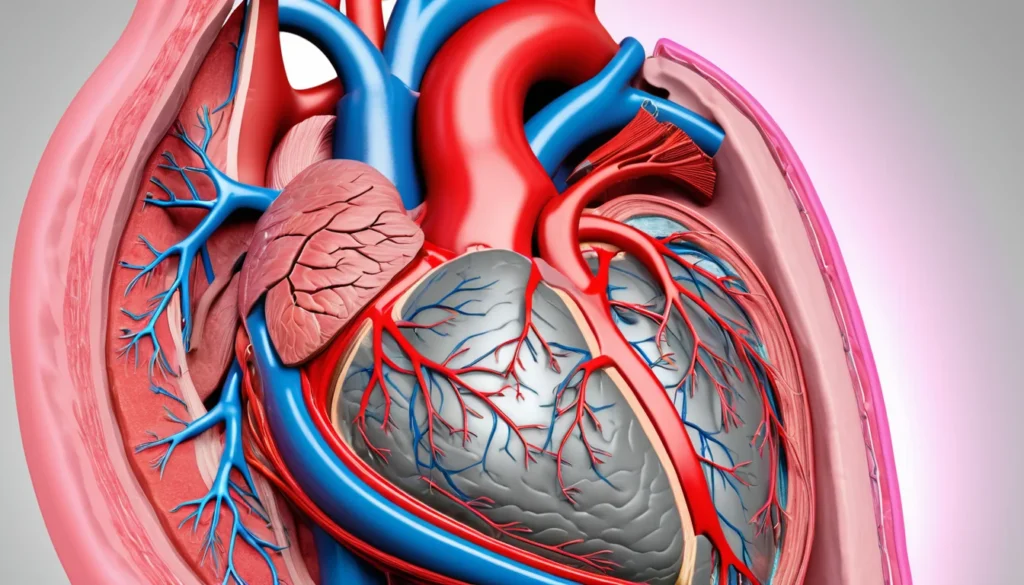
A heart attack is a medical emergency that affects millions of people every year. It happens when blood flow to the heart muscle is blocked, causing permanent damage to heart tissue. Knowing the warning signs, understanding your risk, and acting fast can save your life — or the life of someone you love. This guide covers everything Canadians need to know about heart attacks, from symptoms and diagnosis to treatment and recovery.
What Is a Heart Attack?
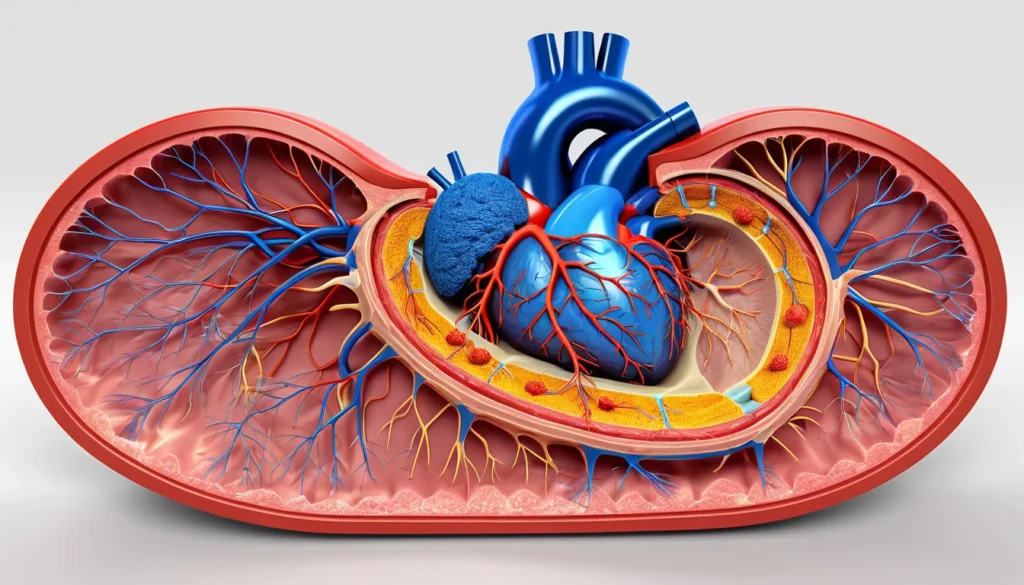
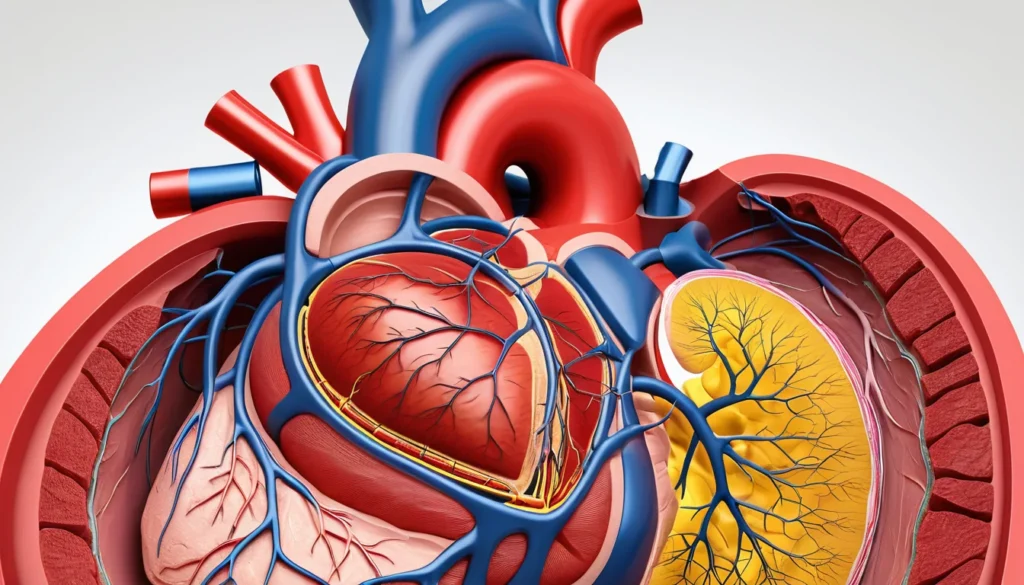
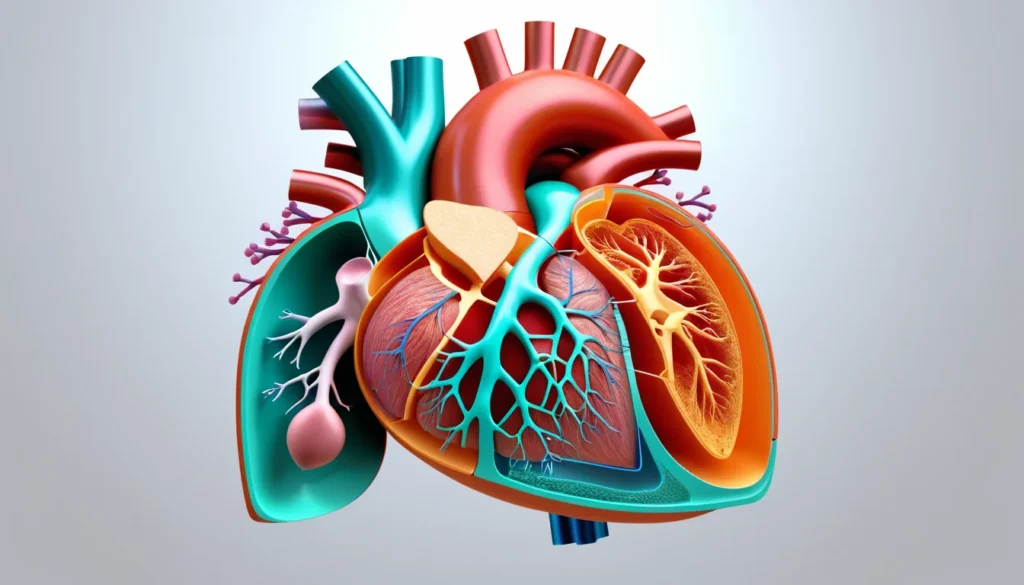
A heart attack — also called a myocardial infarction — means part of your heart muscle is dying. “Myocardial” refers to heart muscle tissue. “Infarction” means tissue death caused by a lack of blood supply.
Your heart needs a constant supply of oxygen-rich blood to work properly. This blood travels through vessels called coronary arteries. When those arteries become blocked, part of your heart stops getting the oxygen it needs. As a result, heart muscle cells begin to die within minutes.
The damage from a heart attack is permanent. However, the sooner you get treatment, the less damage occurs. That is why acting fast is so important.
What Happens in Your Body During a Heart Attack?
Over time, a condition called coronary artery disease can cause fatty deposits, calcium, proteins, and inflammatory cells to build up inside your coronary arteries. These buildups form hard, waxy deposits called plaques. Plaques narrow the arteries and reduce blood flow to the heart.
When a plaque breaks open, a blood clot can form around it. If that clot completely blocks a coronary artery, the heart muscle beyond the blockage is cut off from oxygen. Within 20 to 40 minutes, those heart cells begin to die. The longer the blockage lasts, the more damage occurs.
Coronary Artery Spasm
Less commonly, a heart attack can be caused by a coronary artery spasm. This is when an artery suddenly tightens and cuts off blood flow to the heart. Spasms can happen even in people without significant coronary artery disease. They can also occur while a person is at rest.
How the Heart Heals After a Heart Attack
After a heart attack, healing begins right away. The process takes about eight weeks. Similar to a skin wound, the damaged area of the heart forms a scar. However, scar tissue cannot contract like healthy heart muscle. As a result, the heart’s pumping ability is reduced. How much it is reduced depends on the size and location of the scar.
Heart Attack Symptoms to Watch For
Recognising the symptoms of a heart attack early can make the difference between life and death. Symptoms can vary from person to person. Some people experience intense chest pain, while others have only mild discomfort.
The most common warning signs include:
Chest discomfort, pressure, heaviness, or pain — in the chest, arm, or behind the breastbone
Pain or discomfort that spreads to the back, jaw, neck, or arm
A feeling of fullness, indigestion, or choking — similar to severe heartburn
Sweating, nausea, vomiting, or dizziness
Sudden weakness, anxiety, or shortness of breath
Rapid or irregular heartbeat
During a heart attack, symptoms typically last 30 minutes or longer. Rest does not relieve them. Nitroglycerin placed under the tongue may not help either. If you or someone nearby has these symptoms, call 911 immediately.
Silent Heart Attacks
Some people have a heart attack without experiencing any symptoms at all. This is called a silent heart attack. It is more common in people who have diabetes. Even without obvious symptoms, a silent heart attack causes the same kind of heart muscle damage. For this reason, regular check-ups with your family doctor are especially important if you have diabetes or other risk factors.
How Is a Heart Attack Diagnosed?
When you arrive at a hospital emergency department, the medical team will ask about your symptoms and begin an assessment right away. Diagnosis is based on both your symptoms and the results of several tests. The main goal is to confirm the diagnosis and start treatment as quickly as possible.
Electrocardiogram (ECG)
An ECG records the electrical activity of your heart. It can show whether the heart muscle has been damaged and where the damage is located. It also monitors your heart rate and rhythm. An ECG is usually one of the first tests done when a heart attack is suspected.
Blood Tests
Blood tests measure the level of certain proteins called cardiac enzymes and troponins. These proteins are normally found inside heart muscle cells. When heart cells are damaged, they release these proteins into the bloodstream. Higher-than-normal levels indicate heart muscle damage. Troponin tests are especially useful because they can detect a heart attack in its earliest stages.
Echocardiogram
An echocardiogram is an imaging test that uses sound waves to create a picture of the heart. It can show how well the heart is pumping blood and identify areas where blood flow is reduced. It can also reveal damage to the heart’s valves or other structures. This test can be used both during and after a heart attack.
Cardiac Catheterization
If medications are not controlling the blockage or symptoms, doctors may use cardiac catheterization. A thin, flexible tube is guided through a blood vessel to the heart. This allows doctors to directly view the blocked artery. It also helps the team decide which procedure will best treat the blockage. For more information on cardiac testing, visit the Health Canada official health resources page.
Heart Attack Treatment Options
Treatment for a heart attack begins immediately — often in the ambulance or as soon as you arrive at the emergency department. The goal is to restore blood flow to the heart as quickly as possible. Every minute counts. The best outcomes happen when treatment begins within one to two hours of when symptoms start.
Medications
Several types of medications are used to treat a heart attack. These include:
Clot-busting drugs (thrombolytics) — These dissolve blood clots blocking the coronary artery. They work best when given very quickly after symptoms begin.
Antiplatelet drugs — Such as Aspirin. These prevent new clots from forming and keep existing clots from getting larger.
Blood thinners (anticoagulants) — These reduce the blood’s ability to clot and help keep the artery open.
Nitroglycerin — This relaxes blood vessels and improves blood flow to the heart. It also helps relieve chest pain.
Beta-blockers — These slow the heart rate and lower blood pressure, reducing the heart’s workload.
ACE inhibitors — These help the heart pump more efficiently after a heart attack and reduce the risk of future problems.
Surgical Procedures
Angioplasty and stenting is one of the most common procedures used during a heart attack. A small balloon is inserted into the blocked artery and inflated to open it. A small mesh tube called a stent is then placed to keep the artery open.
In more complex cases, doctors may recommend coronary artery bypass surgery (CABG). This procedure creates a new route for blood to flow around the blockage. It is typically done after the immediate crisis has passed. According to the Mayo Clinic’s guide to heart attack care, early intervention dramatically improves survival and recovery outcomes.
When to See a Doctor
If you think you or someone nearby is having a heart attack, call 911 right away. Do not drive yourself to the hospital. Emergency responders can begin treatment on the way, which can save crucial heart muscle.
If you have risk factors for heart disease — such as high blood pressure, high cholesterol, diabetes, a family history of heart disease, or you smoke — talk to your family doctor or visit a walk-in clinic. Your provincial health plan covers many preventive tests, including cholesterol checks, blood pressure monitoring, and ECGs. Early detection and management of risk factors can significantly lower your chance of having a heart attack.
The World Health Organization’s cardiovascular disease resources also provide excellent guidance on reducing your risk through lifestyle changes.
Always speak with a qualified healthcare provider before making any changes to your medications, diet, or exercise routine. This article is for informational purposes only and does not replace professional medical advice.
Frequently Asked Questions About Heart Attacks
What are the early warning signs of a heart attack?
The early warning signs of a heart attack include chest discomfort or pressure, pain spreading to the arm, jaw, or back, shortness of breath, nausea, and sudden sweating. Some people also feel an unusual sense of anxiety or extreme fatigue. If these symptoms last more than a few minutes, call 911 immediately.
Can a heart attack happen without chest pain?
Yes, a heart attack can happen without chest pain. This is called a silent heart attack and is more common in people with diabetes. Symptoms may be mild or completely absent, which is why regular check-ups with your family doctor are so important.
How long does a heart attack last?
A heart attack typically causes symptoms that last 30 minutes or longer. Unlike angina — which is temporary chest pain that eases with rest — heart attack symptoms do not go away on their own. The longer the attack lasts without treatment, the more damage occurs to the heart muscle.
What is the difference between a heart attack and cardiac arrest?
A heart attack happens when blood flow to the heart is blocked, but the heart continues to beat. Cardiac arrest happens when the heart suddenly stops beating altogether. A heart attack can sometimes trigger cardiac arrest. Both are emergencies — call 911 immediately if either is suspected.
How is a heart attack treated in Canada?
In Canada, a heart attack is treated as a medical emergency in hospital emergency departments across all provinces. Treatment may include clot-dissolving medications, angioplasty with stenting, or bypass surgery. Most of these treatments are covered under provincial health plans, though follow-up medications may require additional coverage.
Can you fully recover from a heart attack?
Many people do recover well after a heart attack, especially with prompt treatment and follow-up care. However, the heart may be left with some scar tissue that reduces its pumping ability. Cardiac rehabilitation programmes, lifestyle changes, and medications can all help you regain strength and reduce the risk of another heart attack.
Key Takeaways
A heart attack happens when a blocked coronary artery cuts off blood flow to the heart muscle, causing permanent damage.
Common symptoms include chest pain or pressure, shortness of breath, nausea, sweating, and pain that spreads to the arm, jaw, or back.
Some heart attacks — especially in people with diabetes — cause no symptoms at all.
Treatment works best within the first one to two hours. Call 911 immediately if you suspect a heart attack.
Diagnosis involves an ECG, blood tests for troponins, echocardiogram, and sometimes cardiac catheterization.
Treatment options include clot-busting drugs, angioplasty with stenting, and bypass surgery.
Canadians with risk factors should speak to their family doctor or visit a walk-in clinic for preventive testing covered by their provincial health plan.
This article is for informational purposes only. Always consult a qualified healthcare provider for personal medical advice.