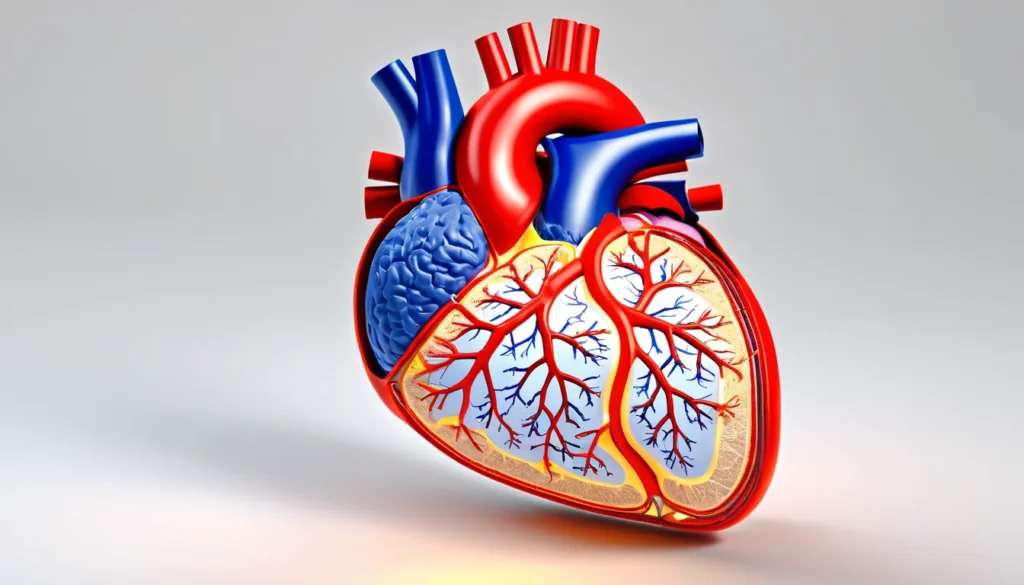
A heart attack is one of the most serious medical emergencies a person can face. Knowing heart attack first aid — what to do and what not to do — can mean the difference between life and death. In Canada, heart disease remains one of the leading causes of death. This guide will help you recognize the warning signs and take the right steps while waiting for emergency help to arrive.
What Is a Heart Attack?
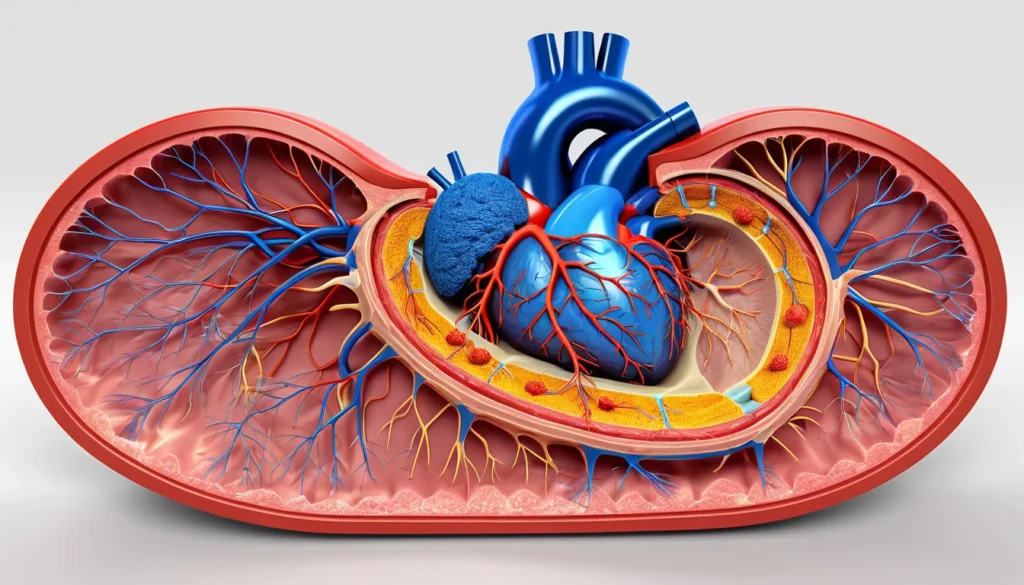
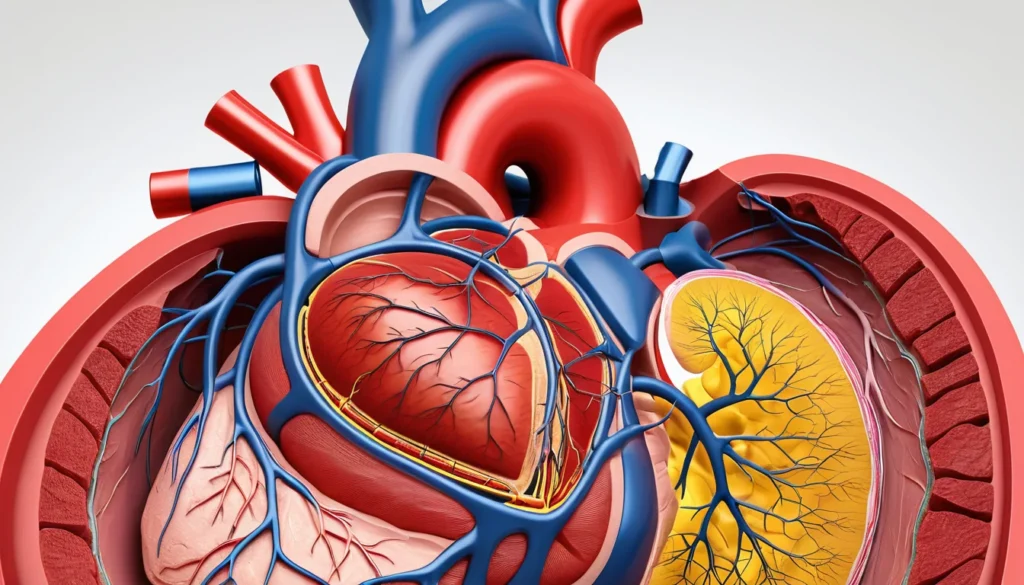
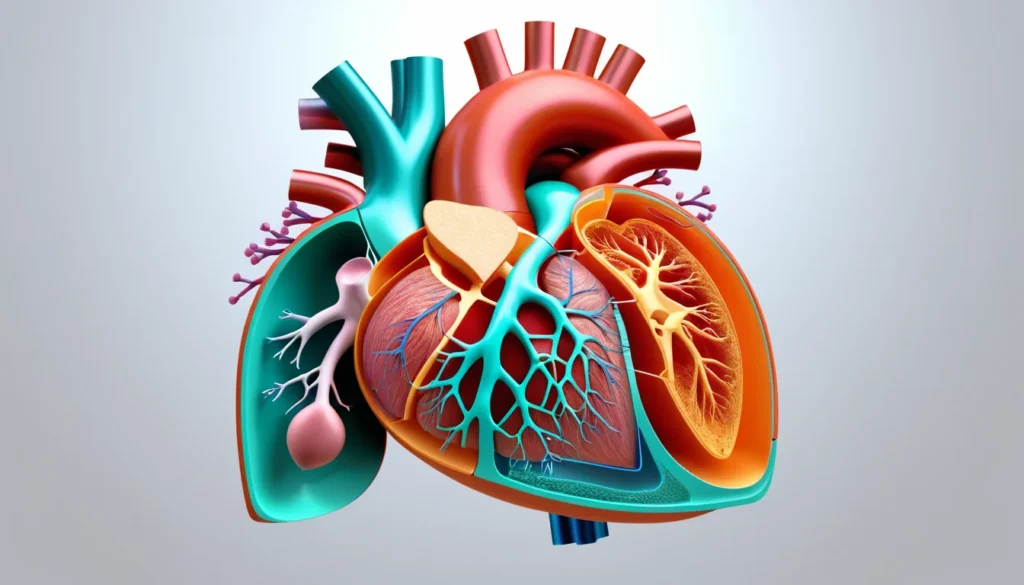
A heart attack happens when blood flow to the heart is partially or completely blocked. Without oxygen-rich blood, the heart muscle begins to die. The longer the blockage continues, the more damage occurs.
In most people, symptoms develop slowly — often over several hours. However, many people lose their lives before they even reach the hospital. That is why acting fast is so important.
The good news is that prompt medical treatment can significantly reduce damage to the heart. Every minute counts when a heart attack is happening.
Heart Attack Symptoms to Watch For
Recognizing a heart attack early gives you the best chance of a good outcome. Symptoms can vary from person to person, and some people experience very few warning signs at all.
According to Mayo Clinic’s guide on heart attack symptoms, the most common signs include chest discomfort and pain that may spread to other areas of the body.
Common Signs of a Heart Attack
Chest pain or pressure: A feeling of squeezing, fullness, or heaviness in the centre of the chest. This pain may last more than 15 minutes.
Pain that spreads: Discomfort can radiate to the jaw, shoulders, arms, back, or stomach.
Shortness of breath: This may occur with or without chest pain.
Numbness or tingling: Often felt in the left arm, but can affect either arm.
Nausea: This symptom is more commonly reported by women.
Unusual fatigue or weakness: Especially common in older adults.
Changes in mental alertness: Confusion or sudden dizziness, particularly in elderly patients.
Chest pain during a heart attack may come and go in waves. It might ease for a few minutes, then return. Do not wait to see if it goes away on its own.
Early Warning Signs That Can Appear Days Before
Many people who have had a heart attack reported warning signs days or even weeks earlier. These early signs often appear as chest discomfort that starts during physical activity and gets better with rest.
This pattern — chest pain with exertion that eases at rest — is a serious warning signal. Therefore, anyone experiencing this should speak with their family doctor or visit a walk-in clinic as soon as possible. Do not ignore these signs.
Heart Attack First Aid: Step-by-Step Guide
If you think someone is having a heart attack, every second matters. Follow these heart attack first aid steps right away. Stay calm and act quickly.
Step 1: Call 911 Immediately
Call 911 the moment you suspect a heart attack. Do not drive the person to the hospital yourself unless there is absolutely no other option. Emergency responders can begin treatment on the way to the hospital, which improves survival chances.
In Canada, calling 911 connects you to trained emergency medical professionals. They can also guide you through first aid steps over the phone while help is on the way.
Step 2: Keep the Person Calm and Still
Have the person sit or lie down in a comfortable position. Loosen any tight clothing around their chest or neck. Encourage them to stay as calm as possible and avoid any physical effort.
If the person is unconscious and not breathing normally, you may need to start CPR. The 911 dispatcher will walk you through this process.
Step 3: Use Aspirin If Available
If the person is conscious and not allergic to aspirin, have them chew and swallow one regular adult aspirin (325 mg) or two to four low-dose aspirins (81 mg each). Chewing is important — it gets the medication into the bloodstream faster than swallowing whole.
Do not give aspirin if the person has been told by their doctor not to take it, or if they have signs of a stroke. When in doubt, wait for emergency personnel to arrive.
Step 4: Use Prescribed Nitroglycerin If Available
If the person has been prescribed nitroglycerin by their doctor, help them take it as directed. This medication helps open narrowed arteries and may relieve chest pain. However, only use it if it has been specifically prescribed for that person.
Never give someone else’s nitroglycerin to a heart attack patient. This can be dangerous and cause a serious drop in blood pressure.
Step 5: Be Ready to Perform CPR
If the person becomes unresponsive and stops breathing normally, begin CPR (cardiopulmonary resuscitation) immediately. Push hard and fast in the centre of the chest — about 100 to 120 compressions per minute.
If you are trained in CPR, give rescue breaths after every 30 chest compressions. If you are not trained, hands-only CPR is still very effective. Health Canada encourages all Canadians to learn basic CPR through a certified course.
What NOT to Do During a Heart Attack
Knowing what to avoid is just as important as knowing the right steps. The wrong actions can make the situation worse.
Do not leave the person alone — unless you absolutely must leave briefly to call for help.
Do not let them deny the symptoms — even if they insist they feel fine, call 911 anyway.
Do not wait to see if the symptoms pass — time is critical during a cardiac emergency.
Do not give any medication other than aspirin or the person’s own prescribed nitroglycerin.
Do not offer food or drink — they may need emergency surgery or procedures.
Do not let them drive themselves to the hospital under any circumstances.
Furthermore, do not hesitate to call 911 out of fear of being wrong. It is always better to call and find out it was not a heart attack than to wait and lose precious time.
Heart Attacks in Women: Know the Differences
Heart attacks can look different in women compared to men. Women are more likely to experience symptoms that are less obvious than the classic “crushing chest pain.” As a result, women’s heart attacks are sometimes missed or misdiagnosed.
Women may experience nausea, jaw pain, back pain, or extreme fatigue as their main symptoms. They may not have severe chest pain at all. These subtler signs can be just as serious and require the same emergency response.
According to the World Health Organization’s cardiovascular disease fact sheet, heart disease is the leading cause of death in women worldwide. In Canada, awareness of these differences can help save more lives.
When to See a Doctor
If you experience any symptoms that could be related to your heart — even if they seem mild — speak with your family doctor promptly. Do not wait for your next routine appointment if something feels wrong.
In Canada, you can visit a walk-in clinic if you do not have a family doctor or cannot get a same-day appointment. However, if symptoms are happening right now or feel severe, skip the clinic and call 911 immediately.
Your provincial health plan covers emergency cardiac care. There is no reason to delay getting help because of cost. Your health is the priority.
Regular check-ups with your doctor are also important if you have risk factors like high blood pressure, diabetes, high cholesterol, or a family history of heart disease. Early detection and management of these conditions can help prevent a heart attack from happening in the first place.
Frequently Asked Questions About Heart Attack First Aid
What is the first thing you should do if someone is having a heart attack?
The very first step in heart attack first aid is to call 911 immediately. Do not wait to see if symptoms improve on their own. Emergency responders can begin life-saving treatment on the way to the hospital.
Should you give aspirin during a heart attack?
Yes, if the person is conscious and not allergic to aspirin, having them chew an aspirin is an important part of heart attack first aid. Chewing it helps it absorb into the bloodstream more quickly. However, do not give aspirin if the person’s doctor has advised against it.
How do you know if chest pain is a heart attack?
Heart attack chest pain often feels like pressure, squeezing, or heaviness in the centre of the chest. It may spread to the jaw, arm, or back and can last more than 15 minutes. However, some heart attacks cause little or no chest pain — especially in women and older adults.
Can you survive a heart attack without going to the hospital?
Survival without hospital care is possible but very risky. Many heart attack deaths happen before the person reaches the hospital. Getting emergency medical treatment as fast as possible greatly improves survival and reduces permanent damage to the heart.
What are the warning signs of a heart attack days before it happens?
Some people experience chest discomfort during physical activity that goes away with rest in the days or weeks before a heart attack. Other early warning signs include unusual fatigue, shortness of breath, and mild chest pressure. If you notice these signs, see your family doctor or visit a walk-in clinic right away.
Is a heart attack covered by provincial health insurance in Canada?
Yes, emergency cardiac care — including ambulance services, hospital treatment, and cardiac procedures — is covered under provincial health plans across Canada. You should never delay calling 911 or seeking emergency care because of concerns about cost. Your life comes first.
Key Takeaways
A heart attack is a medical emergency. Call 911 immediately — do not wait.
Common symptoms include chest pressure, arm or jaw pain, shortness of breath, nausea, and fatigue.
Women may experience less obvious symptoms, such as back pain or extreme tiredness.
Proper heart attack first aid includes calling 911, keeping the person calm, giving aspirin if appropriate, and performing CPR if needed.
Never give unprescribed medications, never leave the person alone, and never wait for symptoms to pass on their own.
Early warning signs can appear days or weeks before a heart attack — speak with your family doctor if anything feels off.
Emergency heart care is covered by provincial health plans across Canada.
Please note: This article is for general information only. It is not a substitute for professional medical advice. Always consult your doctor or call 911 in a cardiac emergency.