A heart attack is a medical emergency that happens when blood flow to part of the heart is suddenly blocked. Without blood and oxygen, heart muscle cells begin to die within minutes. In Canada, heart disease remains one of the leading causes of death. Knowing the warning signs and risk factors of a heart attack could save your life or the life of someone you love.
What Is a Heart Attack?
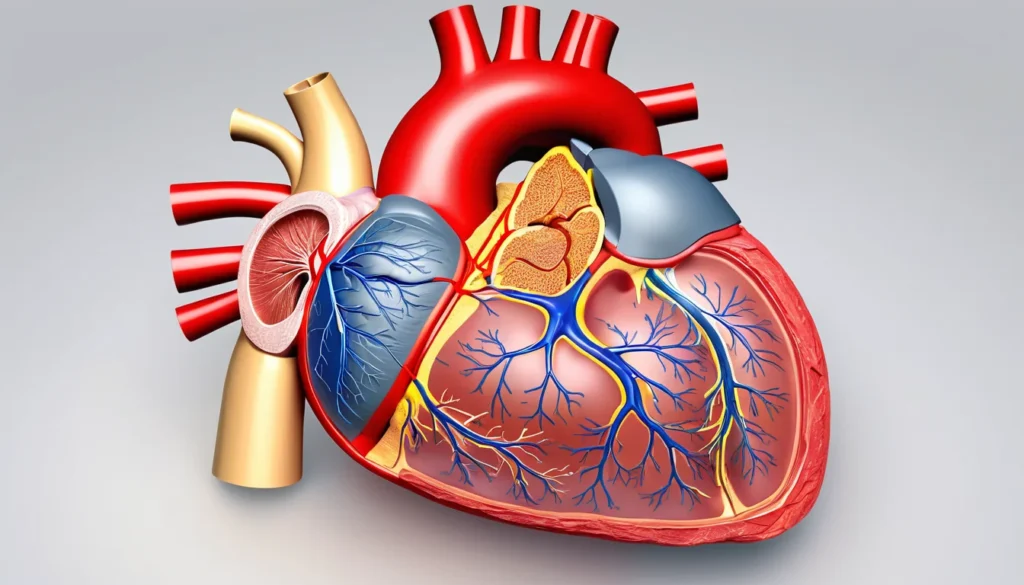
A heart attack — also called a myocardial infarction — occurs when a coronary artery becomes completely blocked. The coronary arteries are the blood vessels that supply the heart muscle with oxygen-rich blood. When that supply is cut off, the affected area of heart muscle begins to die.
This damage is permanent. The longer the blockage lasts, the more heart muscle is lost. That is why fast treatment makes such a difference in recovery and survival.
Most heart attacks affect the left ventricle, the main pumping chamber of the heart. Men are at least twice as likely to have a heart attack as women, and many men experience one before the age of 60. However, women are also at significant risk, especially after menopause.
What Causes a Heart Attack?
Almost all heart attacks are caused by a blood clot forming on top of a fatty plaque inside a coronary artery. These plaques build up over time from cholesterol deposits on the inner walls of arteries. This process is called atherosclerosis.
When a plaque ruptures or cracks, the body responds by forming a clot to seal the break. If that clot is large enough, it blocks the artery completely. As a result, blood flow to part of the heart stops.
Risk Factors for Heart Attack
Certain factors increase your chances of developing the artery disease that leads to a heart attack. The most common risk factors include:
Smoking — tobacco damages artery walls and speeds up plaque buildup
High blood pressure — puts extra strain on artery walls over time
High cholesterol — levels above 3.40 grams per litre raise risk significantly
Diabetes — high blood sugar damages blood vessels throughout the body
Physical inactivity — a sedentary lifestyle weakens the heart and promotes weight gain
Chronic stress — long-term job or personal stress raises blood pressure and inflammation
Family history — having a close relative with heart disease increases your own risk
The good news is that most of these risk factors are manageable. Working with your family doctor to address them can greatly reduce your risk. Health Canada offers resources on heart disease prevention that are available to all Canadians.
Recognising the Symptoms of a Heart Attack
Recognising a heart attack quickly is critical. Symptoms can vary from person to person, and some people have very few warning signs at all. However, there are common patterns worth knowing.
In about half of all cases, a heart attack follows a period of angina — chest pain that comes on with activity like walking, especially in cold or windy weather, or during rest at night. These warning pains usually last two to three minutes and then go away.
Classic Heart Attack Symptoms
The main symptom of a heart attack is intense chest pain that lasts more than 30 minutes. Unlike angina, this pain does not go away with rest. It is often described as:
A heavy squeezing or crushing pressure in the chest
A burning sensation behind the breastbone
Pain that spreads to one or both arms, the jaw, the back, or the neck
Shortness of breath
Sweating, nausea, or lightheadedness
In some cases, blood pressure rises sharply at first and then drops. A mild fever may also develop within 24 to 36 hours and gradually come down.
Silent Heart Attacks
Not every heart attack announces itself with dramatic chest pain. Some heart attacks — called silent or unrecognised myocardial infarctions — produce no obvious symptoms at all. These are often discovered later by chance during a routine electrocardiogram (ECG).
Silent heart attacks are more common in people with diabetes, and in older adults. They are just as damaging as symptomatic ones. Therefore, regular check-ups with your family doctor remain important even when you feel well.
How Is a Heart Attack Diagnosed?
When a heart attack is suspected, doctors use two key tests to confirm the diagnosis quickly. Both tests can provide answers within the first few hours of symptoms starting.
The first test measures cardiac enzymes in the blood. When heart muscle cells die, they release specific proteins — particularly an enzyme called creatine kinase — into the bloodstream. Elevated levels of these proteins confirm damage to the heart.
The second test is an electrocardiogram (ECG). An ECG records the electrical activity of the heart. During a heart attack, it shows distinctive changes — called Q waves — that indicate an area of dead or damaged heart muscle. The Mayo Clinic provides a detailed overview of heart attack diagnosis and care for patients who want to learn more.
Heart Attack Treatment Options
A heart attack is a medical emergency. Treatment must begin as quickly as possible to limit damage to the heart muscle. Every minute counts.
Emergency hospital care is the first and most important step. Once admitted, a patient is placed under continuous ECG monitoring. The medical team works quickly to restore blood flow to the blocked artery.
Clot-Busting Medications
Thrombolytic therapy — commonly called clot-busting treatment — uses medications like streptokinase or urokinase to dissolve the blood clot blocking the artery. These drugs are given by injection and work best when given early. Nitroglycerin is also used to widen the coronary arteries and improve blood flow.
Additional medications are typically prescribed alongside these treatments. Beta-blockers reduce the heart’s demand for oxygen. Aspirin and heparin help prevent new clots from forming. These drugs together reduce the risk of a second heart attack.
Angioplasty and Coronary Bypass Surgery
In many cases, doctors will perform a coronary angiogram — an X-ray of the coronary arteries — to see exactly where the blockage is. If a single artery is blocked, doctors may perform a procedure called percutaneous transluminal coronary angioplasty (PTCA).
During angioplasty, a thin tube with a tiny balloon on its tip is inserted through the skin and guided into the blocked artery. The balloon is inflated to open the artery and restore blood flow. A small metal mesh tube called a stent is often placed to keep the artery open.
Furthermore, if the angiogram reveals blockages in multiple arteries, doctors may recommend coronary artery bypass graft (CABG) surgery. This procedure creates new pathways around the blocked arteries using blood vessels taken from elsewhere in the body.
Recovery and Possible Complications
Most people stay in hospital for one to two weeks after a heart attack, depending on how serious it was. Returning to normal activity is usually possible within six weeks for a mild heart attack, and within three months for a more serious one.
However, complications can arise in the days following a heart attack. These may include heart failure, where the damaged heart cannot pump blood effectively, or — in rare cases — rupture of part of the heart wall or damage to the mitral valve.
Sudden cardiac death is a real risk, especially in the first hours after a heart attack begins. This is why getting to a hospital as fast as possible is so important. In Canada, calling 9-1-1 immediately is always the right choice. The World Health Organization outlines global strategies for reducing heart disease deaths and the importance of rapid care.
How to Prevent a Heart Attack
Many heart attacks are preventable. The most effective approach is managing the risk factors that lead to artery disease in the first place.
Key prevention steps include:
Quitting smoking — the single most impactful change you can make for heart health
Managing blood pressure — through medication, diet, and regular exercise
Controlling cholesterol — with a low-saturated-fat diet and, if needed, medication
Managing diabetes — keeping blood sugar levels in a healthy range
Staying active — aim for at least 150 minutes of moderate activity per week
Eating a heart-healthy diet — rich in vegetables, fruits, whole grains, and fibre
Treating angina promptly — chest pain episodes should always be investigated
Your provincial health plan covers many of these preventive services. Talk to your family doctor about a heart health check, especially if you have a family history of heart disease.
When to See a Doctor
If you think you or someone near you is having a heart attack, call 9-1-1 immediately. Do not drive yourself to the hospital. Do not wait to see if the symptoms go away on their own.
Outside of an emergency, it is important to see your family doctor regularly if you have any known risk factors for heart disease. If you do not have a family doctor, a walk-in clinic can help with initial screening and referrals. Many provinces also offer cardiac health programmes through their health authorities.
Always speak with a qualified healthcare provider before starting or stopping any medication or making major changes to your lifestyle for heart health. This article is for informational purposes only and does not replace professional medical advice.
Frequently Asked Questions
What are the early warning signs of a heart attack?
Early warning signs of a heart attack can include chest discomfort, pain that spreads to the arm or jaw, shortness of breath, and unusual fatigue. Some people experience these symptoms days or even weeks before a major event. If you notice any of these signs, speak with your family doctor right away.
How long does a heart attack last?
A heart attack typically causes chest pain that lasts more than 30 minutes and can continue for several hours. This is what sets it apart from angina, which usually passes within two to three minutes. Seek emergency care immediately — do not wait for the pain to go away on its own.
Can you have a heart attack without chest pain?
Yes, a so-called silent heart attack can occur with few or no obvious symptoms. These are more common in people with diabetes and in older adults. They are often discovered only during a routine ECG, but they cause just as much damage to the heart muscle as symptomatic heart attacks.
What should I do if I think someone is having a heart attack?
Call 9-1-1 immediately if you suspect a heart attack. Have the person sit or lie down in a comfortable position and loosen any tight clothing. If the person is conscious and not allergic to aspirin, a regular-strength aspirin (325 mg) chewed — not swallowed whole — may help while waiting for emergency services to arrive.
How long is recovery after a heart attack?
Recovery time after a heart attack depends on how much damage occurred. Most people return to light activity within six weeks after a mild heart attack, while recovery from a more serious one can take up to three months. Your healthcare team will guide a personalised cardiac rehabilitation programme to help you regain strength safely.
Is a heart attack the same as cardiac arrest?
No — a heart attack and cardiac arrest are different, though one can lead to the other. A heart attack is a circulation problem caused by a blocked artery. Cardiac arrest is an electrical problem where the heart suddenly stops beating. A heart attack can trigger cardiac arrest, which is why fast treatment is so important.
Key Takeaways
A heart attack occurs when a blocked coronary artery cuts off blood supply to part of the heart muscle.
The most common cause is a blood clot forming on a cholesterol plaque inside an artery.
Key risk factors include smoking, high blood pressure, high cholesterol, diabetes, and physical inactivity.
Symptoms include intense chest pain lasting more than 30 minutes, arm or jaw pain, and shortness of breath — but some heart attacks have no symptoms at all.
Treatment includes clot-busting drugs, angioplasty, and bypass surgery — all aimed at restoring blood flow as quickly as possible.
Prevention focuses on quitting smoking, managing blood pressure and cholesterol, staying active, and eating a fibre-rich diet.
If you think you are having a heart attack, call 9-1-1 immediately — do not drive yourself to the hospital.
Talk to your family doctor or visit a walk-in clinic to assess your personal heart disease risk.