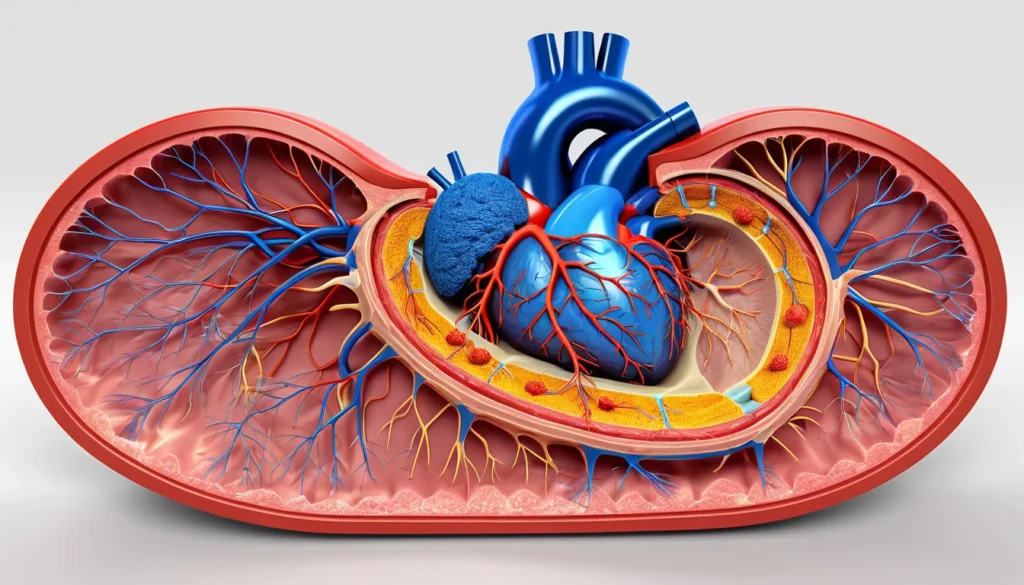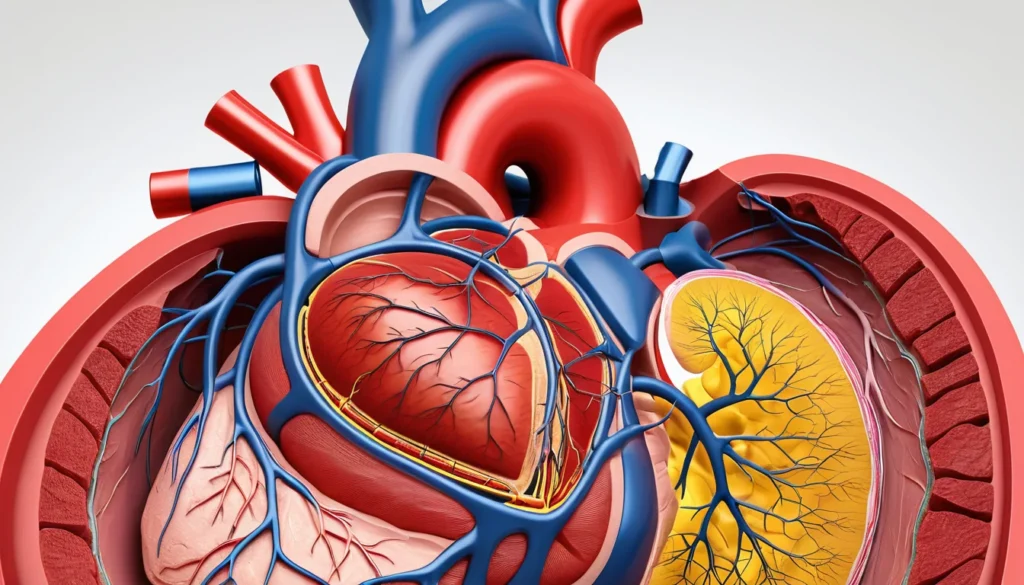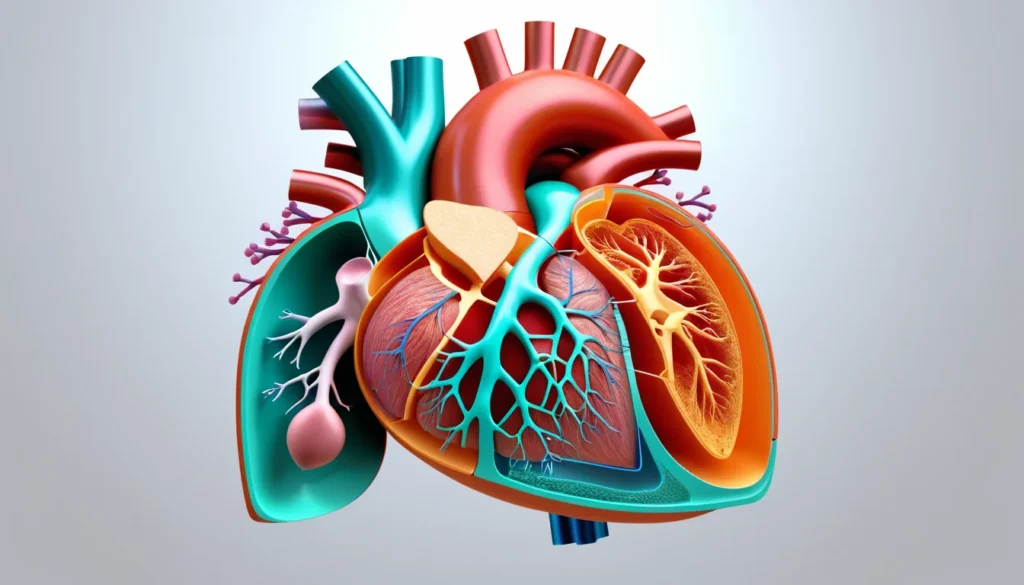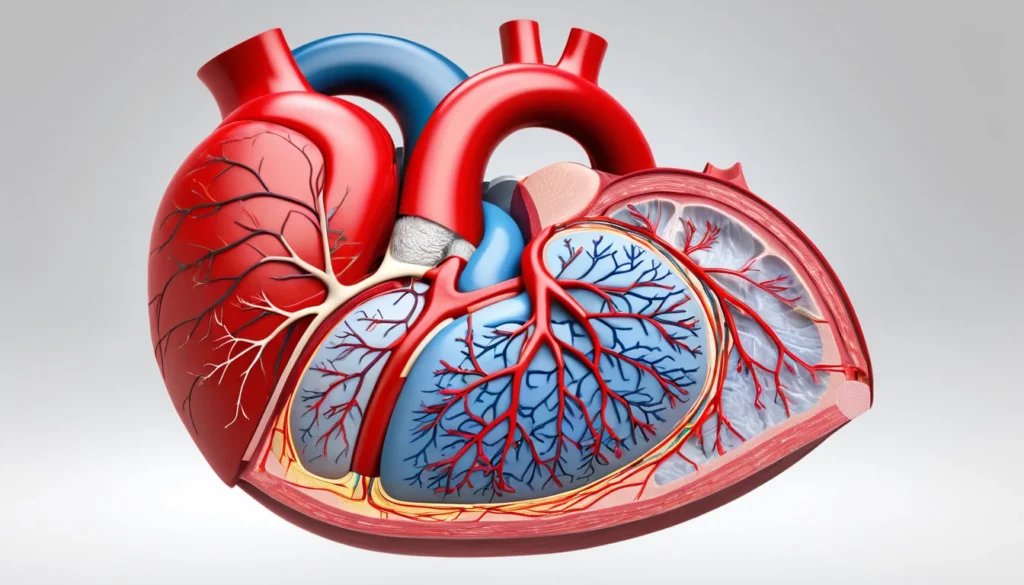
A heart attack is a medical emergency that happens when one or more coronary arteries become blocked. These arteries supply oxygen-rich blood to your heart muscle. Without that blood flow, heart muscle cells begin to die — and the longer the blockage lasts, the more serious the damage. Understanding the warning signs of a heart attack and unstable angina could save your life or the life of someone you love.
What Happens During a Heart Attack?
Your coronary arteries can develop fatty deposits on their inner walls over time. These deposits are called atherosclerotic plaques. A plaque is made up of cholesterol, calcium, and other substances, all wrapped in a fibrous outer shell.
Sometimes, that outer shell can crack or rupture. When it does, your body tries to repair the damage — the same way it heals a cut on your skin. It does this by forming a blood clot at the site of the rupture.
That blood clot can partially or completely block the artery. When blood flow is fully cut off, the heart muscle cells in that area are starved of oxygen. This is a heart attack, also known as a myocardial infarction.
If a large area of the heart muscle is affected, a heart attack can be fatal. This is why immediate emergency treatment is critical. Every minute counts when it comes to restoring blood flow. Health Canada recommends calling 911 at the first sign of a heart attack.
What Is Angina — and What Makes It Unstable?
Angina is chest pain or discomfort that occurs when your heart is not getting enough oxygen-rich blood. It is not always a heart attack, but it is a serious warning sign that should never be ignored.
Stable Angina
Stable angina is predictable. It tends to occur during physical activity or emotional stress. It usually goes away with rest or medication. Most people with stable angina know their triggers and can manage their symptoms with a care plan from their family doctor.
Unstable Angina
Unstable angina is more dangerous. It can happen without warning — even at rest. It may be a sign that a heart attack is about to occur. You should treat unstable angina as a medical emergency, just like a heart attack.
Unstable angina may present as one or more of the following:
Chest pain or pressure that is new or getting worse
Chest discomfort that happens at rest or with minimal exertion
Pain that lasts more than 20 minutes and does not go away with rest
Chest pain that does not respond to nitroglycerin
Pain that spreads to the left arm, jaw, back, or abdomen
Because unstable angina can quickly progress to a full heart attack, it requires immediate emergency care. Do not wait to see if symptoms pass on their own.
Heart Attack Symptoms You Might Not Expect
Most people picture crushing chest pain when they think of a heart attack. However, not everyone experiences chest pain at all. In fact, one study of 700 heart attack patients found that 47% came to the emergency room with symptoms other than chest pain.
These less common symptoms included:
Shortness of breath
Dizziness or lightheadedness
Unusual fatigue or weakness
Nausea or abdominal pain
Sweating without an obvious cause
Women, people with diabetes, and older adults are especially likely to experience these atypical symptoms. As a result, heart attacks in these groups are sometimes missed or delayed in diagnosis. If something feels seriously wrong with your body, trust that instinct and seek help immediately.
For a full overview of heart attack warning signs, visit the Mayo Clinic’s guide to heart attack symptoms.
What Causes a Heart Attack?
The leading cause of both unstable angina and heart attacks is coronary artery disease (CAD). CAD develops when plaques build up along the inner walls of the coronary arteries, slowly narrowing the space through which blood can flow.
For most people, this process begins in adolescence. It builds gradually over many years, often without any noticeable symptoms.
Risk Factors That Speed Up Artery Damage
Several lifestyle and medical factors can damage your arteries and accelerate plaque build-up. These include:
High cholesterol
High blood pressure (hypertension)
Smoking
Physical inactivity
Obesity
Diabetes
Chronic stress
This process of plaque build-up is called atherosclerosis. Newer plaques are actually more dangerous than older, thicker ones. Their fibrous shell is thinner and more likely to rupture — which is what triggers a blood clot and, potentially, a heart attack.
Other Causes of Heart Attack
In rare cases, a heart attack can occur without significant plaque build-up. Coronary artery spasm — a sudden tightening of the artery wall — can temporarily cut off blood flow. Triggers for spasm can include cocaine use, extreme cold, and intense emotional stress.
Congenital abnormalities of the coronary arteries are another rare cause. In many of these cases, atherosclerosis is still involved to some degree. However, in some situations, the exact cause remains unknown.
What to Do in a Heart Attack Emergency
Acting quickly during a heart attack dramatically improves survival and recovery. Here is what to do if you or someone nearby may be having a heart attack or episode of unstable angina.
If Nitroglycerin Has Been Prescribed
Take one nitroglycerin tablet as directed. Wait five minutes. If the pain does not improve or gets worse, call 911 immediately. Do not take a second dose and wait — call for help right away.
If No Nitroglycerin Has Been Prescribed
Call 911 immediately or have someone drive you to the nearest emergency room. Do not drive yourself if you can avoid it. Do not wait to see if the symptoms go away on their own — this decision can be fatal.
In Canada, emergency departments at hospitals are equipped to treat heart attacks around the clock. If you live in a rural area where ambulance response times are longer, knowing your nearest emergency centre in advance can save precious minutes.
It is worth knowing that approximately 40% of heart attacks are fatal each year. More than half of those deaths occur before the person ever reaches the hospital. This is why calling 911 without delay is the single most important step you can take.
When to See a Doctor About Your Heart Health
You do not need to wait for an emergency to talk about your heart. In fact, the best time to address your risk is long before a heart attack ever happens.
Speak with your family doctor about your heart health if you:
Have a family history of heart disease or early heart attacks
Have been told you have high blood pressure or high cholesterol
Smoke or have recently quit smoking
Live with diabetes or are at risk for it
Experience any chest discomfort, shortness of breath, or unusual fatigue during activity
If you do not have a family doctor, a walk-in clinic can check your blood pressure, cholesterol, and other key risk factors. Many provincial health plans in Canada cover routine cardiovascular screening — ask what is available under your provincial coverage.
Furthermore, if you have already been diagnosed with stable angina or coronary artery disease, regular check-ins with your doctor are essential. Your treatment plan may need to be adjusted over time. Always follow your prescribed medication routine and report any new or changing symptoms promptly.
The World Health Organization’s cardiovascular disease resources offer additional guidance on prevention and risk reduction.
Frequently Asked Questions About Heart Attacks and Unstable Angina
What are the early warning signs of a heart attack?
Early warning signs of a heart attack include chest pain or pressure, shortness of breath, pain in the left arm or jaw, dizziness, and unusual fatigue. Some people — especially women and those with diabetes — may only experience nausea, weakness, or abdominal discomfort. If you notice these symptoms, call 911 immediately rather than waiting for them to pass.
What is the difference between a heart attack and unstable angina?
A heart attack occurs when a coronary artery is completely blocked and heart muscle begins to die. Unstable angina happens when blood flow is severely reduced but not fully cut off — so no permanent damage has occurred yet. However, unstable angina is a serious warning that a heart attack may be coming, and both require immediate emergency care.
Can a heart attack happen without chest pain?
Yes — a heart attack can absolutely happen without chest pain. Research shows that nearly half of heart attack patients present with symptoms like shortness of breath, fatigue, dizziness, or nausea instead of chest pain. Women, older adults, and people with diabetes are most likely to experience these atypical symptoms.
What should I do if I think I am having a heart attack in Canada?
Call 911 immediately — do not drive yourself to the hospital if you can avoid it. If your doctor has prescribed nitroglycerin, take one tablet and call 911 if there is no improvement within five minutes. Emergency departments across Canada are equipped to treat heart attacks 24 hours a day, and acting fast greatly improves your outcome.
What causes coronary artery disease and heart attacks?
Coronary artery disease — the main cause of heart attacks — develops when fatty plaques build up inside the coronary artery walls over many years. Risk factors include high cholesterol, high blood pressure, smoking, physical inactivity, obesity, and diabetes. When a plaque ruptures and a blood clot forms, it can block blood flow and trigger a heart attack.
Can heart attacks be prevented?
Many heart attacks can be prevented or delayed through healthy lifestyle choices and proper medical care. Quitting smoking, eating a heart-healthy diet, staying active, and managing blood pressure and cholesterol all reduce your risk significantly. Talk to your family doctor or visit a walk-in clinic to understand your personal risk and build a prevention plan.
Key Takeaways
A heart attack occurs when a coronary artery is blocked, cutting off oxygen to the heart muscle.
Unstable angina is a serious warning sign that a heart attack may follow — treat it as an emergency.
Not everyone feels chest pain during a heart attack. Watch for shortness of breath, fatigue, dizziness, or nausea.
Call 911 immediately if you suspect a heart attack or unstable angina. Do not wait for symptoms to pass.
Coronary artery disease builds up over decades. Managing your risk factors early makes a real difference.
Talk to your family doctor or visit a walk-in clinic to review your heart health and provincial screening options.
This article is for informational purposes only and does not replace professional medical advice. Always consult your family doctor or a qualified healthcare provider about any concerns related to your heart health or symptoms you may be experiencing.