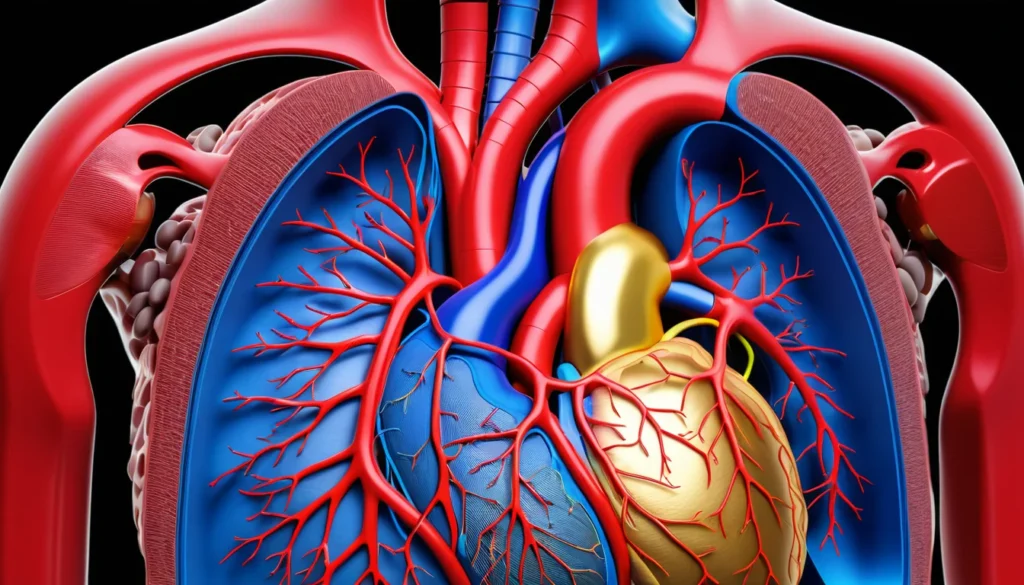
Sudden palpitations, weakness, shortness of breath, and sweating can be frightening. These are common heart arrhythmia symptoms, and knowing what to do when you’re far from medical care could make a real difference. This article explains what a heart arrhythmia is, how to recognize it, and several simple techniques you can try to calm your heart rate while you seek help.
What Is a Heart Arrhythmia?
A heart arrhythmia is a problem with the rate or rhythm of your heartbeat. Simply put, your heart may beat too fast, too slow, too early, or in an irregular pattern. It is one of the most common heart conditions that Canadians experience.
Not every arrhythmia is dangerous. In fact, they can occur in perfectly healthy people due to severe fatigue, a common cold, or too much caffeine or alcohol. However, some arrhythmias can signal serious underlying problems, so you should never ignore them. According to Health Canada, heart disease remains one of the leading causes of illness and death in Canada.
Understanding Heart Arrhythmia Symptoms: Bradycardia vs. Tachycardia
Two terms come up often when discussing arrhythmias: bradycardia and tachycardia. Understanding the difference helps you describe your symptoms clearly to your family doctor or walk-in clinic provider.
What Is Bradycardia?
A normal resting heart rate falls between 60 and 100 beats per minute. Bradycardia means your heart is beating fewer than 60 times per minute. This slower rate can cause fatigue, dizziness, and even fainting.
In some people, bradycardia causes no noticeable symptoms at all. However, it still deserves medical attention. If you regularly feel dizzy or unusually tired, speak with your family doctor.
What Is Tachycardia?
Tachycardia means your heart beats faster than 90 to 100 times per minute. This is the type of arrhythmia that more often causes obvious heart arrhythmia symptoms like palpitations, breathlessness, and weakness.
Tachycardia is particularly concerning because it can sometimes be completely symptom-free. Yet it significantly increases the risk of heart attack and sudden cardiac death. Therefore, regular monitoring is especially important if you are at higher risk.
Conditions linked to a higher risk of tachycardia include:
Coronary artery disease (atherosclerosis)
Previous heart attack
Heart failure or myocarditis
High blood pressure (hypertension)
Congenital heart defects
Electrolyte imbalances
Overactive thyroid
Age over 60
Certain prescription medications
Excessive caffeine or alcohol use
For a deeper look at what causes an irregular heartbeat, the Mayo Clinic provides a thorough overview of arrhythmia types and triggers.
Common Heart Arrhythmia Symptoms to Watch For
As mentioned, some arrhythmias produce no symptoms at all. However, when symptoms do appear, they can range from mildly uncomfortable to life-threatening. Recognizing them early is key.
Common symptoms of bradycardia include:
Persistent fatigue and low energy
Dizziness or lightheadedness
Fainting or near-fainting episodes
Common symptoms of tachycardia include:
Heart palpitations (a fluttering or racing feeling in the chest)
Weakness or sudden fatigue
Shortness of breath
Chest discomfort
In severe cases, loss of consciousness
If you experience any of these symptoms for the first time, seek medical help immediately. Do not wait to see if they pass on their own.
Self-Help Techniques to Temporarily Calm Your Heart Rate
Sometimes, heart arrhythmia symptoms strike when you are far from a hospital, clinic, or your regular medication. In these moments, a few simple, evidence-informed techniques may help calm your heart rate temporarily. These are not a substitute for medical treatment. However, they can help you stay calm and manage symptoms while you get proper help.
Important: If you have been previously diagnosed with an arrhythmia and have a prescribed medication with you, take it as directed by your doctor right away.
Controlled Breathing
This technique is particularly useful for tachycardia. Take a slow, deep breath and hold it for 5 to 10 seconds. Then exhale slowly and steadily through pursed lips. Repeat this several times in a row.
Controlled breathing activates your body’s natural calming response. It can slow the heart rate and reduce feelings of panic that often make arrhythmia symptoms worse.
Count Your Heartbeat Aloud
Find a comfortable seated position. Place the fingers of your right hand gently on the inside of your left wrist to feel your pulse. Close your eyes and count your heartbeats out loud for 3 to 5 minutes.
The goal here is not perfect accuracy. Rather, the act of counting out loud has a strong calming effect on your nervous system. This focused, mindful activity can help bring your heart rate closer to its normal range, at least temporarily.
Gentle Eye Pressure
This method is best suited for arrhythmias triggered by stress or fatigue. Sit or lie down in a comfortable position. Using the index and middle fingers of both hands, apply very gentle pressure to your closed eyelids. Hold briefly and repeat as needed.
This technique stimulates the vagus nerve, which plays a key role in regulating heart rate. However, skip this method if you have any eye conditions, and always be extremely gentle.
Positive Visualisation and Self-Suggestion
Sit or lie down comfortably. Place your right hand over your heart. Begin a slow, calming internal conversation with yourself. Visualise peaceful images — a quiet lake, a forest, or any scene that brings you comfort and joy.
Direct your thoughts toward something positive and soothing. This technique typically takes 5 to 10 minutes to produce a noticeable calming effect. It works by reducing stress hormones that can worsen an irregular heartbeat.
Carotid Sinus Massage
The carotid sinus area is located in the neck, just below the jaw. It is directly connected to the regulation of blood pressure and heart rate. Gentle massage of this area for about 3 to 5 minutes may help slow a racing heart.
This technique should only be performed by someone who has been shown how to do it safely by a healthcare provider. Improper pressure on this area can be dangerous. Ask your family doctor whether this method is appropriate for you before trying it.
For additional information on managing irregular heart rhythms, Healthline offers a reliable guide to arrhythmia management and home care.
When to See a Doctor About Heart Arrhythmia Symptoms
The techniques above are temporary measures only. They are not a treatment for arrhythmia. If you experience heart arrhythmia symptoms, you should always follow up with a medical professional as soon as possible.
Visit your nearest walk-in clinic or emergency department right away if you experience:
Chest pain or pressure
Severe shortness of breath
Fainting or loss of consciousness
Symptoms that do not improve or get worse
A first-time episode of palpitations or irregular heartbeat
If your symptoms are recurring but not an emergency, book an appointment with your family doctor. They can order an ECG (electrocardiogram), refer you to a cardiologist through your provincial health plan, and discuss whether ongoing medication or monitoring is right for you. Many provincial health plans in Canada cover these diagnostic tests at no direct cost to patients.
If you do not have a family doctor, a walk-in clinic can assess your symptoms and arrange further testing. Do not delay care simply because you are unsure whether your symptoms are serious enough.
Frequently Asked Questions About Heart Arrhythmia
What are the most common heart arrhythmia symptoms?
The most common heart arrhythmia symptoms include heart palpitations, shortness of breath, dizziness, fatigue, and chest discomfort. Some people also experience fainting or a fluttering sensation in the chest. However, some arrhythmias produce no symptoms at all, which is why regular check-ups with your family doctor are important.
Can a heart arrhythmia go away on its own?
Some mild arrhythmias, especially those triggered by stress, fatigue, or caffeine, may resolve on their own once the trigger is removed. However, recurring or worsening heart arrhythmia symptoms should always be evaluated by a doctor. It is not safe to assume an arrhythmia is harmless without a proper diagnosis.
Is a heart arrhythmia dangerous?
Not all arrhythmias are dangerous, but some can be life-threatening if left untreated. Certain types significantly increase the risk of stroke, heart attack, or sudden cardiac death. If you notice any heart arrhythmia symptoms, it is always best to consult a healthcare provider to rule out serious causes.
What triggers a heart arrhythmia?
Common triggers include stress, lack of sleep, too much caffeine or alcohol, dehydration, and certain medications. Underlying conditions such as high blood pressure, thyroid disorders, and heart disease can also cause an irregular heartbeat. Identifying and managing your personal triggers is an important part of living well with arrhythmia.
How is a heart arrhythmia diagnosed in Canada?
Your family doctor or walk-in clinic provider will typically start with an ECG (electrocardiogram) to record your heart’s electrical activity. Further tests may include a Holter monitor, which tracks your heart rhythm over 24 to 48 hours. Most of these diagnostic tests are covered under provincial health plans across Canada.
Can breathing exercises really help with heart arrhythmia symptoms?
Controlled breathing exercises can help calm mild heart arrhythmia symptoms, particularly those linked to stress or anxiety. They work by activating the parasympathetic nervous system, which naturally slows heart rate. However, breathing exercises are a temporary comfort measure and should not replace medical treatment or prescribed medication.
Key Takeaways
Heart arrhythmia symptoms include palpitations, dizziness, shortness of breath, and fatigue — but some arrhythmias cause no symptoms at all.
Bradycardia (slow heart rate) and tachycardia (fast heart rate) are the two main types of arrhythmia.
Simple techniques like controlled breathing, counting your pulse aloud, and positive visualisation may temporarily calm an irregular heartbeat.
These techniques are not a replacement for medical treatment. Always seek care from your family doctor, walk-in clinic, or emergency department.
If you have a prescribed arrhythmia medication, take it as directed at the first sign of symptoms.
In Canada, diagnostic tests for arrhythmia are generally covered by your provincial health plan. Do not hesitate to ask your doctor for a referral.
When in doubt, call 911 or go to your nearest emergency department immediately.
This article is for informational purposes only and does not constitute medical advice. Always consult your family doctor or a qualified healthcare provider before making any decisions about your heart health.