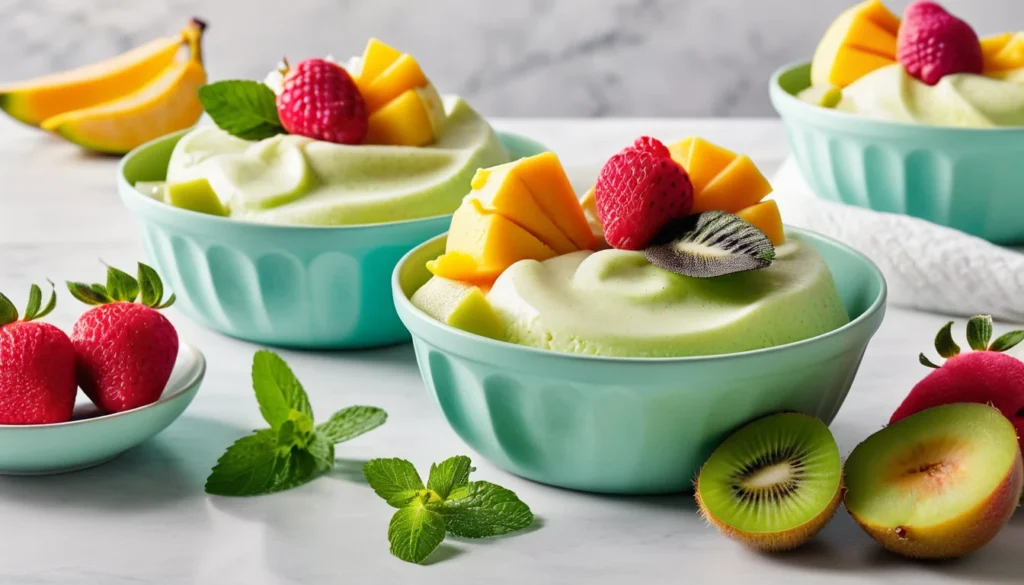
Healthy frozen desserts are the perfect way to beat the summer heat without loading up on sugar and empty calories. When temperatures soar across Canada, reaching for a cool homemade treat made with real fruit and whole ingredients is a smarter choice than grabbing a pint of store-bought ice cream packed with additives.
Why Healthy Frozen Desserts Are a Smart Choice for Canadians
These five simple low-calorie frozen treats use fresh seasonal fruit, natural sweeteners, and wholesome ingredients your entire family will enjoy. Each recipe comes in under 175 calories per serving, making them ideal for Canadians looking to stay on track with their nutrition goals while still indulging in something sweet and satisfying this summer.
Why Healthy Frozen Desserts Are a Smart Summer Choice
Nutritional Comparison of Healthy Frozen Desserts: Calories, Sugar & Key Benefits
| Frozen Dessert Type | Average Calories (per 125 mL serving) | Added Sugar Content | Key Health Benefit |
|---|---|---|---|
| Frozen Greek Yogurt | 80–110 kcal | Low (6–10 g) | High in protein and probiotics; supports gut health and muscle repair |
| Banana “Nice” Cream | 60–90 kcal | None added (natural fruit sugars only) | Rich in potassium and fibre; supports heart health and digestion |
| Fruit-Based Sorbet (homemade) | 70–100 kcal | Low to moderate (8–14 g) | Provides antioxidants and vitamin C; dairy-free and vegan-friendly |
| Frozen Dark Chocolate Bark | 90–120 kcal | Low (5–9 g with 70%+ cocoa) | Contains flavonoids linked to improved cardiovascular health |
| Coconut Milk Popsicles | 85–115 kcal | Low (6–10 g with no added sweeteners) | Dairy-free alternative; suitable for lactose intolerance common in Canadian adults |
Most commercial ice cream and frozen treats are high in added sugar, saturated fat, and artificial flavours. Health Canada’s healthy eating guidelines recommend limiting added sugars and choosing whole foods whenever possible. Homemade frozen desserts let you control exactly what goes in — and what stays out.
Fruit-based frozen treats are also a great source of fibre, vitamins, and antioxidants. For example, watermelon and cantaloupe are rich in vitamins A and C. Berries are among the most antioxidant-dense foods you can eat. Swapping a bag of chips or a store-bought ice cream bar for one of these recipes is a simple, tasty upgrade.
Nutritionists often recommend fruit-based frozen desserts as a summer snack for the whole family. They work especially well as an alternative to high-calorie packaged snacks for kids and adults alike.
Healthy Frozen Desserts: 5 Easy Recipes
1. Refreshing Cantaloupe and Lime Slush (172 Calories)
Cantaloupe is one of the best sources of beta-carotene, the antioxidant that gives it that bright orange-yellow colour. It also delivers vitamin C, vitamin B6, folate, vitamin K, and dietary fibre. This simple slush is refreshing, naturally sweet, and ready in minutes.
You will need:
1 medium cantaloupe, cubed
2 teaspoons lime zest
1 cup fresh lime juice (from about 8 limes)
2 tablespoons honey
Spread the cantaloupe cubes on a parchment-lined baking sheet. Freeze for at least 4 hours. In a bowl, stir together the lime zest, lime juice, and honey until the honey fully dissolves.
Add the frozen cantaloupe, lime juice mixture, and one cup of cold water to a blender. Blend until smooth. Pour into four glasses, top with extra lime zest, and serve right away. Each serving is approximately 172 calories.
2. Watermelon, Tequila, and Lime Granita (143 Calories)
This frozen treat is perfect for adult gatherings on a hot summer evening. It gives you a whole new way to enjoy the classic taste of watermelon. The granita texture — light, icy, and flaky — makes it feel indulgent without the heavy calories.
You will need:
One 3 kg seedless watermelon, cubed
1 teaspoon lime zest
Juice of 4 fresh limes
1 cup tequila
1 cup agave nectar
Lime slices for garnish
Blend the watermelon, lime zest, lime juice, tequila, and agave nectar until completely smooth. Strain the mixture through a fine mesh sieve into a shallow container, discarding the pulp. Freeze for two hours.
Every 30 minutes, scrape the mixture with a fork to break up the ice crystals. This creates the classic granita texture. Scoop into six bowls and garnish with lime slices. Each serving is approximately 143 calories.
Note: This recipe contains alcohol and is intended for adults only.
3. Blueberry Banana Homemade Ice Cream (129 Calories)
This creamy, dairy-free ice cream uses frozen bananas as its base — no heavy cream needed. You can swap blueberries for any berry you like, such as raspberries, strawberries, or blackberries. Blueberries are among the most nutrient-dense foods available, rich in fibre and powerful antioxidants.
You will need:
4 ripe bananas
1 cup agave nectar
½ cup almond milk
1 cup frozen blueberries
Peel and slice the bananas. Seal them in a zip-lock bag with all the air removed. Freeze for at least 6 hours or overnight. In a food processor, blend the frozen bananas, 2 tablespoons of agave nectar, and half the almond milk for 2 to 4 minutes until creamy. Transfer to a lidded container and freeze.
Meanwhile, blend the blueberries, remaining agave nectar, and remaining almond milk for one minute. Remove the banana mixture from the freezer. Fold in the blueberry mixture with a rubber spatula. Cover and freeze for another 30 minutes before serving. Each serving is approximately 129 calories.
4. Peach and Buttermilk Ice Cream Bars (106 Calories)
Buttermilk adds a pleasant tang to these creamy bars, while ripe peaches bring natural sweetness. This recipe is a fantastic lower-calorie alternative to store-bought popsicles. The secret to the best texture is to use a proper peeler rather than a knife when removing the peach skin — it preserves more of the fruit’s flesh.
You will need:
300 ml buttermilk
½ teaspoon vanilla extract
¼ teaspoon almond extract
5 tablespoons honey
3 to 4 ripe peaches, peeled and cubed
Popsicle moulds and sticks
In a bowl, whisk together the buttermilk, vanilla extract, almond extract, and 3 tablespoons of honey until fully combined. Pour into popsicle moulds and freeze for 1 hour. To peel fresh peaches easily, blanch them in boiling water for 30 seconds, then transfer immediately to ice-cold water for another 30 seconds. The skin will slip right off.
Blend the peeled peaches with the remaining honey until smooth. Remove the partially frozen buttermilk mixture from the moulds. Coat with the peach purée, insert the popsicle sticks, and freeze for at least 3 more hours. Each serving is approximately 106 calories.
5. Frozen Fruit Skewers (Rich in Fibre and Vitamins)
These colourful skewers are perfect for family gatherings, barbecues, or Canada Day celebrations. They are loaded with fibre, potassium, antioxidants, and vitamin C. Furthermore, they require no blending or cooking — just assemble and freeze.
You will need:
3 to 4 ripe bananas
100 grams fresh pineapple, cubed
40 grapes
3 to 4 medium kiwis
12 large strawberries
3 to 4 peaches or nectarines
3 to 4 slices watermelon
3 to 4 slices cantaloupe
Wooden skewer sticks
Peel and wash all the fruit. Cut pieces large enough to stay firmly on the skewers without falling apart. Use a melon baller to scoop the watermelon and cantaloupe into round spheres — these hold especially well on skewers. Thread the fruit onto the skewers in any combination you like. Place on a parchment-lined tray and freeze for 2 to 3 hours before serving.
Key Nutrients in These Healthy Frozen Desserts
Each of these recipes packs real nutritional value alongside great flavour. Here is a quick look at what makes them worth making:
Antioxidants: Found in berries, cantaloupe, and watermelon. They help protect your cells from damage caused by free radicals.
Fibre: Bananas, kiwis, berries, and pineapple all contribute to your daily fibre intake. Dietary fibre supports healthy digestion and helps you feel full longer.
Vitamin C: Strawberries, kiwis, and citrus fruits are excellent sources that support your immune system.
Potassium: Bananas and cantaloupe are rich in potassium, which supports heart health and proper muscle function.
Natural sugars: These recipes use honey and agave nectar instead of refined sugar, which provides a more gradual energy release.
In addition, all five recipes are free from artificial colours, flavours, and preservatives — a major advantage over most packaged frozen treats.
Tips for Making the Best Frozen Desserts at Home
A few simple habits will make your frozen desserts turn out better every time. First, always use ripe fruit. Ripe fruit is naturally sweeter, which means you need less added sweetener. As a result, your calorie count stays low without sacrificing taste.
Second, freeze fruit on a flat tray before blending or skewering. This prevents clumping and gives you more control over the final texture. Third, store homemade frozen desserts in airtight containers to prevent freezer burn. Most of these recipes keep well for up to two weeks in the freezer.
Finally, get the kids involved. Assembling fruit skewers or pouring popsicle mixtures into moulds is a great activity for children. It also encourages them to eat more fruit — a win for any Canadian family.
When to See a Doctor or Dietitian
These recipes are generally safe and healthy for most people. However, if you or a family member manages diabetes, a food allergy, or a specific health condition, it is always best to check with a healthcare professional before making significant changes to your diet.
Your family doctor or a registered dietitian can give you personalised advice. If you do not have a family doctor, most walk-in clinics across Canada can connect you with dietary guidance or refer you to a dietitian covered under your provincial health plan. Many provinces also offer telephone health lines, such as Ontario’s Health811 or BC’s 8-1-1, where you can speak with a registered nurse at no cost.
Frequently Asked Questions About Healthy Frozen Desserts
Are healthy frozen desserts good for weight loss?
Healthy frozen desserts made with fruit and natural sweeteners can be a smart choice when you are managing your weight. They are significantly lower in calories than most commercial ice cream or frozen novelties. However, portion size still matters, so stick to one serving at a time.
Can kids eat these frozen dessert recipes?
Most of these healthy frozen desserts are perfectly safe and delicious for children. The fruit skewers, blueberry banana ice cream, and peach buttermilk bars are especially kid-friendly. The watermelon granita recipe contains tequila and should only be served to adults.
How long can you store homemade frozen desserts?
Most homemade healthy frozen desserts will keep well in the freezer for up to two weeks when stored in an airtight container. After that, the texture and flavour may begin to decline due to freezer burn. Label your containers with the date so you always know how fresh they are.
Can I make frozen desserts without added sugar?
Yes — ripe bananas, cantaloupe, and berries are naturally sweet enough to make delicious frozen desserts without any added sweetener. You can simply leave out the honey or agave nectar in most of these recipes. Taste the mixture before freezing and adjust to your preference.
Are frozen fruits as nutritious as fresh fruits?
Frozen fruits are generally just as nutritious as fresh fruits, and sometimes even more so. They are typically frozen at peak ripeness, which locks in vitamins and antioxidants. Using frozen blueberries or peaches in your healthy frozen desserts is a convenient and budget-friendly option year-round.
What is the lowest calorie frozen dessert I can make at home?
According to Health Canada’s food guide recommendations, this information is supported by current medical research.
For more information, read our guide on common child allergies in Canada.
Among these recipes, the peach and buttermilk ice cream bars come in at just 106 calories per serving, making them the lowest calorie option. The frozen fruit skewers are also very low in calories depending on which fruits you choose. Both are excellent healthy frozen desserts for anyone watching their calorie intake.
Key Takeaways
Healthy frozen desserts are easy to make at home with simple, whole-food ingredients. All five recipes come in under 175 calories per serving — far less than most store-bought options. Fruit-based frozen treats provide real nutritional benefits, including fibre, vitamins, and antioxidants. Using ripe fruit and natural sweeteners like honey or agave reduces the need for refined sugar. These recipes are suitable for the whole family, with the exception of the tequila granita, which is for adults only.
Frequently Asked Questions
What are healthy frozen desserts?
Healthy frozen desserts are low-calorie, nutrient-conscious alternatives to traditional ice cream and sweets. They typically use ingredients like frozen fruit, Greek yogurt, or natural sweeteners to reduce sugar and fat content while still satisfying cravings. Popular options in Canada include frozen yogurt bark, nice cream, and fruit-based popsicles.
What are the best healthy frozen desserts for weight loss in Canada?
The best healthy frozen desserts for weight loss include banana nice cream, Greek yogurt popsicles, frozen berry bark, and fruit sorbet made without added sugar. These options are typically under 150 calories per serving, rich in fibre and protein, and help manage hunger while supporting a balanced Canadian diet.
Can eating frozen desserts be part of a healthy diet?
Yes, frozen desserts can fit into a healthy diet when made with wholesome ingredients and consumed in moderation. Choosing options low in added sugars, saturated fats, and artificial additives helps maintain calorie balance. Canada’s Food Guide recommends prioritizing whole foods, so fruit-based frozen treats are generally the healthiest choice.
What are the signs you are consuming too much sugar from desserts?
Signs of excess sugar consumption include persistent energy crashes, increased cravings, weight gain, skin breakouts, and dental cavities. Over time, high sugar intake raises the risk of type 2 diabetes and heart disease. If you experience these symptoms regularly, consult a registered dietitian or your family doctor for personalized guidance.
When should you see a doctor about your diet and sugar intake?
See a doctor if you experience unexplained weight gain, persistent fatigue, frequent thirst, or difficulty managing cravings despite dietary changes. These may signal blood sugar imbalances or metabolic concerns. Canadian health professionals recommend routine checkups and blood glucose screening, especially if you have a family history of diabetes or obesity.