Eating the right healthy diet foods can make a real difference in how you feel every day. A balanced diet gives your body the energy, vitamins, and nutrients it needs to work properly. In this article, we cover the best foods to include in your diet, the benefits of healthy eating, and how to spot the warning signs of a dangerous diet. Whether you are just getting started or looking to improve your current habits, this guide is for everyday Canadians who want practical, easy-to-follow advice.
What Makes a Food “Healthy”?
Not all foods are created equal. Healthy diet foods are those that give your body useful nutrients without loading you up with empty calories, added sugar, or unhealthy fats.
A well-balanced diet includes a mix of carbohydrates, proteins, healthy fats, vitamins, and minerals. The right amounts depend on your age, sex, and how active you are each day. For example, a person who works a physically demanding job needs more calories than someone with a desk job.
How you prepare your food matters just as much as what you choose to eat. You might buy all the right ingredients, but if you deep-fry everything, you lose much of the health benefit. Baking, steaming, grilling, and stir-frying with a small amount of oil are much better cooking methods.
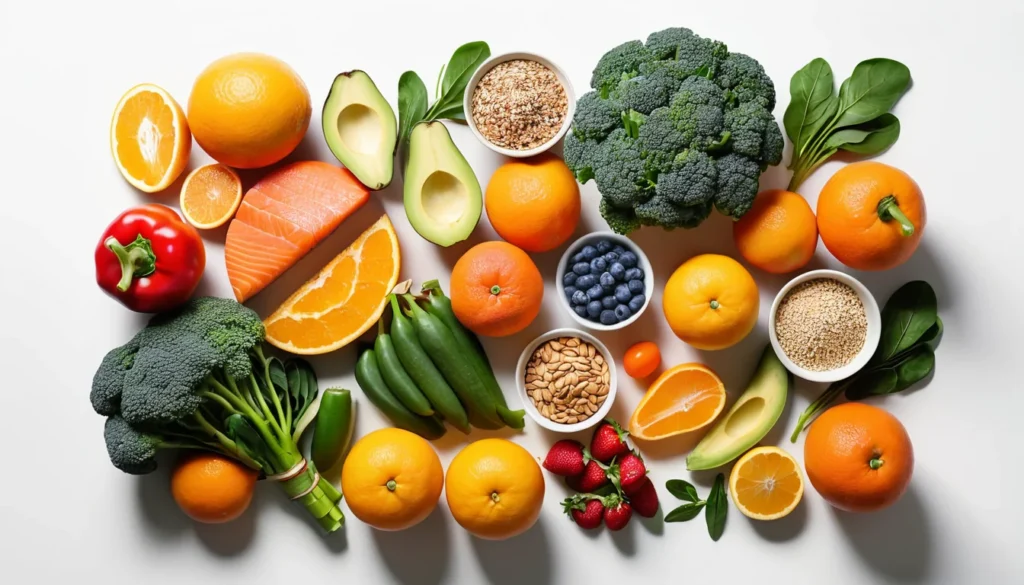
Health Canada’s healthy eating guidelines recommend building your meals around vegetables, fruits, whole grains, and protein foods. These guidelines are a great starting point for any Canadian looking to improve their diet.
The Best Healthy Diet Foods to Include Every Day
Choosing the right foods does not have to be complicated. There are a few key food groups that nutrition experts agree on. Adding more of these to your plate is one of the best things you can do for your health.
Vegetables and Fruits
Vegetables and fruits are the foundation of any healthy diet. They are packed with vitamins, minerals, and fibre. Fibre is important because it helps your digestive system run smoothly and keeps you feeling full longer.
Most fruits and vegetables are low in calories but high in volume. This means they fill you up without adding a lot of extra energy to your daily intake. As a result, they are especially helpful if you are trying to manage your weight.
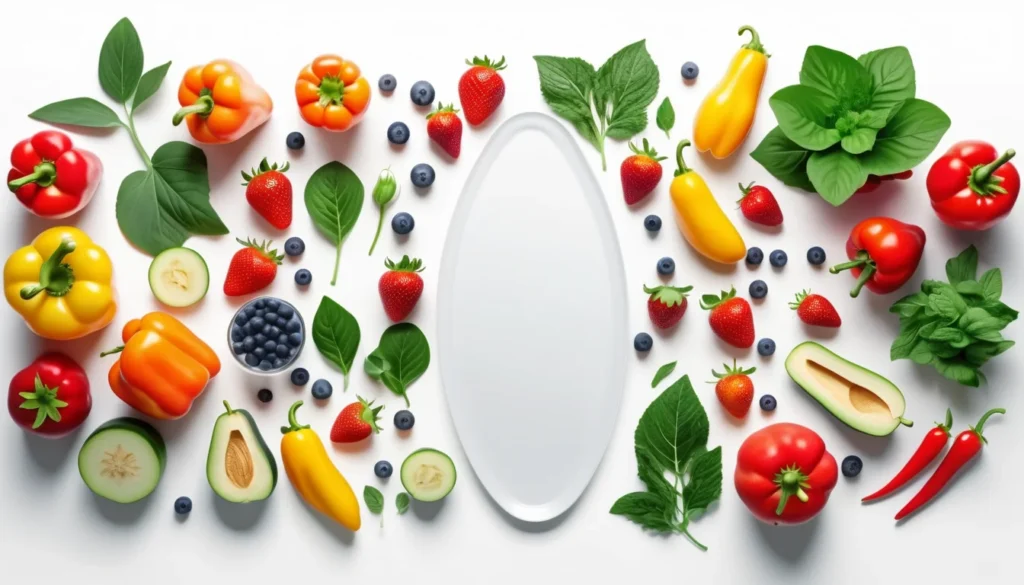
You can enjoy fruits and vegetables in many ways. Add them to salads, blend them into smoothies, roast them in the oven, or eat them raw as a snack. Try to include a variety of colours on your plate, as different colours often signal different nutrients.
Health Canada recommends filling half your plate with vegetables and fruits at every meal. This simple habit can have a powerful impact on your overall health over time.
Whole Grains and Cereals
Grains are an important part of a healthy diet. However, not all grains are equally beneficial. Whole grains — such as oats, brown rice, whole wheat bread, and quinoa — are far better choices than refined grains like white bread or white rice.
Whole grains contain more fibre and nutrients than their refined versions. They are digested more slowly, which helps keep your blood sugar levels stable throughout the day. This steady energy release helps you stay focused and avoid the mid-afternoon energy crash.
Many nutrition specialists suggest eating whole grains in the morning. A breakfast rich in complex carbohydrates gives your body the fuel it needs to start the day strong. Think oatmeal topped with berries, or whole grain toast with a boiled egg.
Without enough grains and fibre in your diet, you may experience digestive problems such as constipation or bloating. Therefore, it is important not to cut out this food group entirely, even when you are trying to eat lighter.
Lean Meats, Fish, and Protein Foods
Protein is one of the most important nutrients for your body. It helps build and repair muscle tissue, supports your immune system, and keeps you feeling satisfied after meals.
Great sources of lean protein include chicken, turkey, canned tuna, eggs, legumes (like lentils and chickpeas), and low-fat dairy products. These are all affordable and easy to find at any Canadian grocery store.
Fish is especially worth adding to your diet. Fatty fish like salmon, mackerel, and sardines are rich in omega-3 fatty acids, which support heart health and brain function. According to the Mayo Clinic, omega-3 fatty acids can help lower your risk of heart disease.
In addition, protein plays a key role in maintaining a healthy metabolism. When you eat enough protein, your body burns more calories during digestion. This makes protein-rich foods an important ally in weight management.
How Cooking Methods Affect Your Healthy Diet
The way you cook your food can completely change its nutritional value. Many Canadians focus on buying the right ingredients but overlook what happens in the kitchen.
Deep-frying adds a large amount of unhealthy fat and calories to any food. Even vegetables become less healthy when they are deep-fried. Instead, try roasting vegetables in the oven with a small drizzle of olive oil, or steaming them to preserve their vitamins and minerals.
Grilling chicken or fish is another excellent option. It adds great flavour without adding extra fat. If you do use oil while cooking, choose heart-healthy options like olive oil or avocado oil in small amounts.
Meal preparation is another helpful strategy. Many Canadians find it easier to stick to healthy diet foods when they prepare meals in advance. Spending a couple of hours on the weekend cooking grains, washing vegetables, and portioning proteins can save time and reduce the temptation to order takeout during a busy week.
The Benefits of Eating Healthy Diet Foods Regularly
Switching to a healthier way of eating brings many benefits beyond just losing weight. Your entire body benefits when you fuel it with the right foods consistently.
More Energy and Better Mood
When you eat a balanced diet, your body gets a steady supply of energy throughout the day. In contrast, eating a lot of sugar and refined carbohydrates causes energy spikes followed by crashes. You may feel tired, irritable, or unable to concentrate.
Reducing your sugar intake and replacing refined carbohydrates with whole grains and fibre-rich foods helps your body maintain a more stable energy level. Many people report feeling less tired and more mentally sharp within just a few weeks of making these changes.
Stronger Muscles and Joints
Eating enough protein and staying active helps you build and maintain muscle mass. Strong muscles support your joints and improve your posture. Furthermore, maintaining a healthy weight reduces the pressure on your knees, hips, and ankles, which can significantly reduce joint pain over time.
Even light exercise — as little as 10 minutes a day — combined with healthy diet foods can improve your strength and stamina. You do not need a gym membership or expensive equipment to get started. A daily walk around your neighbourhood is a great first step.
Better Digestive Health
A diet rich in fibre from fruits, vegetables, and whole grains keeps your digestive system healthy. Fibre helps food move through your gut at the right pace, reducing the risk of constipation, bloating, and other digestive discomfort.
Drinking enough water is equally important. Water helps fibre do its job effectively and keeps every system in your body running smoothly. Most adults need about 8 cups of water per day, though this varies depending on activity level and climate.
How to Avoid Dangerous Dieting Mistakes
Not all diets are safe. Some people go too far when trying to lose weight, cutting out entire food groups or eating far too little. This can seriously harm your health.
Here are some important rules to follow to keep your diet safe and effective:
Eat smaller meals more often. Having 4 to 5 smaller meals throughout the day keeps your energy levels steady and prevents overeating at mealtimes.
Never skip meals to lose weight faster. Skipping meals often leads to extreme hunger, which makes it harder to make healthy food choices later in the day.
Do not cut out carbohydrates completely. Your brain and muscles need carbohydrates to function. Choose whole grains and vegetables as your main carbohydrate sources instead of eliminating them entirely.
Drink enough water every day. Thirst is often mistaken for hunger. Staying hydrated helps control appetite and supports every organ in your body.
Listen to your body. Feeling constantly tired, hungry, and unable to concentrate are warning signs that your diet is too restrictive. These are signals that your body is not getting what it needs.
The World Health Organization’s guidelines on healthy diets emphasize that starvation is never part of a healthy eating plan. A safe diet keeps you nourished while helping you reach your health goals gradually.
When to See a Doctor
Before making major changes to your diet, it is always a good idea to speak with a healthcare professional. This is especially true if you have an existing health condition such as diabetes, heart disease, or kidney problems. Some healthy diet foods may interact with certain medications or conditions.
Your family doctor is the best place to start. They can review your current health, suggest a dietary approach that suits your needs, and refer you to a registered dietitian if needed. Most provincial health plans in Canada cover visits to your family doctor, so there is no extra cost for this initial conversation.
If you do not have a family doctor, a walk-in clinic is a convenient option. Walk-in clinic doctors can offer basic nutritional guidance and help you determine whether a referral to a specialist is appropriate for your situation.
If you experience symptoms such as extreme fatigue, dizziness, heart palpitations, or significant hair loss while on a new diet, stop the diet and seek medical advice promptly. These can be signs of nutritional deficiency that need professional attention.
Frequently Asked Questions About Healthy Diet Foods
What are the best healthy diet foods for weight loss?
The best healthy diet foods for weight loss include vegetables, fruits, lean proteins like chicken and fish, whole grains, and legumes. These foods are high in fibre and protein, which keep you full longer and help manage your calorie intake. Combining these foods with regular physical activity gives you the best results.
How many calories should I eat per day on a healthy diet?
Your daily calorie needs depend on your age, sex, height, weight, and activity level. Most adult women need roughly 1,600 to 2,400 calories per day, while most adult men need around 2,000 to 3,000 calories. A registered dietitian or your family doctor can give you a more personalised recommendation based on your specific health goals.
Are carbohydrates bad for you on a healthy diet?
Carbohydrates are not bad for you — in fact, they are an essential source of energy for your brain and muscles. The key is choosing the right types of carbohydrates. Healthy diet foods like whole grains, fruits, and vegetables provide complex carbohydrates that digest slowly and support steady energy levels, unlike sugary snacks and refined white bread.
How much protein do I need each day?
Most Canadian adults need about 0.8 grams of protein per kilogram of body weight each day. For example, a person who weighs 70 kilograms needs roughly 56 grams of protein daily. Including healthy diet foods like eggs, chicken, fish, lentils, and low-fat dairy in your meals makes it easy to reach this target.
Is it safe to follow a very low-calorie diet?
Very low-calorie diets can be dangerous and should only be followed under medical supervision. Eating too little can cause nutritional deficiencies, muscle loss, fatigue, and other serious health problems. A safer approach is to focus on eating healthy diet foods in appropriate portions and staying physically active rather than drastically cutting calories.
How do I start eating healthier without feeling deprived?
The easiest way to start eating healthier is to make small, gradual changes rather than overhauling your entire diet overnight. Begin by adding one extra serving of vegetables to your meals each day, swapping white bread for whole grain, or replacing sugary drinks with water. Over time, these small steps add up and make healthy diet foods feel like a natural and enjoyable part of your routine.
Key Takeaways
Healthy diet foods include vegetables, fruits, whole grains, and lean proteins. These form the foundation of a balanced, nutritious diet.
How you cook matters. Choose baking, grilling, or steaming over deep-frying to preserve the nutritional value of your food.
Fibre is your friend. Fruits, vegetables, and whole grains provide the fibre your body needs for good digestion and lasting energy.
Protein supports muscle health. Including enough lean protein in your diet helps maintain muscle mass and keeps you feeling full.
Avoid extreme diets. Starvation, severe calorie restriction, and cutting out entire food groups can harm your health. Sustainable, moderate changes are far more effective.
Listen to your body. Constant fatigue, hunger, and poor concentration are warning signs that your diet needs adjustment.
Talk to your doctor. Your family doctor or a walk-in clinic can help you create a safe, personalised plan before you make major dietary changes.