A headache is one of the most common health complaints in Canada. Almost everyone gets one at some point. However, not all headaches are the same — they vary widely in cause, location, and how long they last. This article explains the main types of headaches, what causes them, and how to find relief safely at home or with medical help.
What Is a Headache?
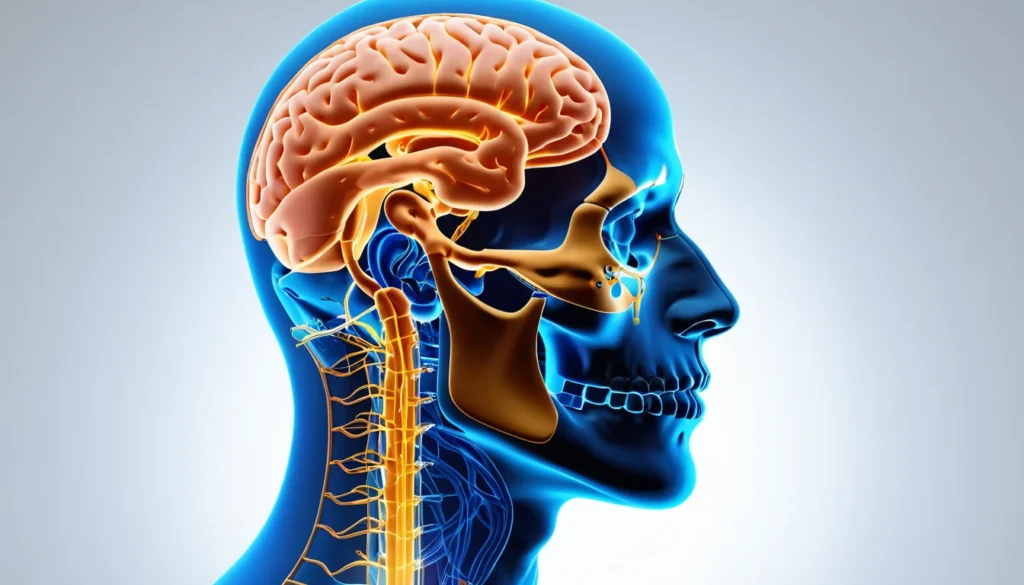
A headache is pain felt anywhere across the top, sides, or back of the head. Some headaches also cause pain in the face, neck, or shoulders. They can last anywhere from a few hours to several days.
In some cases, headaches come back repeatedly over months or even years. This is known as a chronic headache pattern. Understanding which type of headache you have is the first step toward finding the right relief.
Main Types of Headaches
Doctors generally divide headaches into three main categories. Each type has its own causes, symptoms, and treatment approach. Knowing the differences can help you and your family doctor make a better care plan.
Tension Headaches
Tension headaches are the most common type. They are often linked to stress, anxiety, fatigue, or mild depression. The pain is usually steady and dull, felt like a tight band around the head.
These headaches happen when the muscles in the neck and scalp tighten from psychological or physical stress. For example, long hours at a desk or ongoing worry can both trigger them. Tension headaches can become chronic, meaning they happen frequently over a long period.
They tend to slow people down but are rarely disabling on their own. However, if they happen often, they can affect your daily life and quality of sleep.
Migraines
Migraines affect roughly 5 to 10 percent of people worldwide. In Canada, migraines are a leading cause of missed work and reduced daily activity. The exact root cause is still not fully understood.
Research shows that migraines involve changes in blood flow — certain arteries in the head first narrow, then widen. This triggers intense, throbbing pain, usually on one side of the head. Migraines also tend to run in families, which suggests a genetic link.
Along with head pain, migraines often cause nausea, vomiting, and strong sensitivity to light and sound. Physical activity typically makes the pain worse. A migraine episode can last from two hours to several days.
Migraines are chronic and come in episodes called attacks. Some people have one attack per year, while others have several per month. Therefore, long-term management is often necessary. Learn more about migraine symptoms and causes at Mayo Clinic.
Symptomatic Headaches
A symptomatic headache is not a condition on its own. Instead, it is a sign of another underlying health problem. These headaches are important to identify because they may point to something that needs medical treatment.
Common underlying causes include sinus infections (sinusitis), ear infections (otitis), glaucoma, vision problems, dental issues, and cervical arthritis (stiffness or wear in the neck joints). High blood pressure can also trigger these headaches.
In addition, some medications — such as vasodilators — can cause headache as a side effect. Carbon monoxide poisoning and high fever are also known triggers.
More serious causes include bleeding around the brain (subarachnoid haemorrhage), meningitis (infection of the brain’s lining), brain tumours, blood clots in the brain, or a brain aneurysm (a bulge in a blood vessel). These conditions can raise pressure inside the skull, a dangerous state called intracranial hypertension.
When intracranial pressure is elevated, the headache is often worst at the end of the night or right after waking up. This pattern is a key warning sign. It requires immediate medical attention.
Common Headache Triggers
Many everyday factors can bring on or worsen a headache. Identifying your personal triggers can help you prevent future episodes. Keep a simple headache diary to track patterns over time.
Common triggers include:
Stress and anxiety — the most frequent trigger for tension headaches
Poor sleep — both too little and too much sleep can cause headaches
Dehydration — not drinking enough water during the day
Skipping meals — drops in blood sugar can trigger head pain
Bright light or loud noise — especially a problem for migraine sufferers
Strong smells — perfumes, cigarette smoke, or cleaning products
Hormonal changes — common in people who menstruate, especially around their period
Alcohol and caffeine — both can trigger or worsen headaches
Posture problems — slouching at a desk or looking down at a phone for long periods
Furthermore, certain foods such as aged cheeses, processed meats, and foods containing MSG are known migraine triggers for some people. Keeping track of what you eat and drink before an attack can be very helpful.
Headache Relief and Treatment Options
Treatment depends on the type and cause of your headache. For most common headaches, simple home measures work well. However, more persistent or severe headaches may need medical care.
Home Remedies That Help
Several practical steps can ease headache pain at home. These are safe, simple, and do not require a prescription.
Rest in a quiet, dark room — reduce stimulation that worsens pain
Lie down — resting flat can relieve pressure and muscle tension
Drink water — rehydrate if dehydration may be a factor
Gentle massage — rub the muscles of your shoulders, neck, face, and scalp slowly
Stretch your neck and shoulders — releases tight muscles that contribute to tension headaches
Apply a cold or warm compress — a cold pack on the forehead or a warm towel on the neck can both help, depending on the person
Sleep — getting a few hours of rest often shortens a headache episode
Avoiding aggravating factors is also key. Stay away from noisy or poorly ventilated spaces when you have a headache. Fresh air and a calm environment make a real difference.
Over-the-Counter Pain Relief
For mild to moderate headaches, over-the-counter pain relievers are often effective. Acetaminophen (such as Tylenol) is a common first choice and is available at any Canadian pharmacy without a prescription.
Ibuprofen and ASA (Aspirin) are also used by many Canadians for headache relief. However, these are not suitable for everyone. For example, ASA is not recommended for children under 18, and ibuprofen should be used with caution in people with stomach issues or kidney problems.
It is important not to overuse pain relievers. Taking them too often — more than 10 to 15 days per month — can actually cause what is known as a medication overuse headache (or rebound headache). As a result, always follow the dosing directions on the label. Health Canada offers guidance on buying and using medications safely.
Prescription Treatments for Migraines
If you have been diagnosed with migraines, your doctor may prescribe specific anti-migraine medications. These include triptans, which help stop a migraine attack once it starts. There are also preventive medications taken daily to reduce how often migraines occur.
Your family doctor can assess whether prescription treatment is right for you. In some provinces, migraine medications are covered under provincial drug benefit programmes, depending on your income and health status.
When to See a Doctor
Most headaches are not dangerous. However, some warning signs mean you should seek medical care right away. Do not wait if you or someone you know experiences any of the following:
A sudden, extremely severe headache — often described as the worst headache of your life
Headache with fever, stiff neck, confusion, or a skin rash
Headache after a head injury or fall
Headache with vision changes, slurred speech, weakness, or numbness
Headache that wakes you from sleep regularly
A new headache pattern in someone over age 50
Headaches that are getting worse over time with no clear cause
These symptoms may point to a serious condition such as meningitis, a brain bleed, or a stroke. Call 911 or go to your nearest emergency department immediately in these cases.
For ongoing or frequent headaches that are not an emergency, start by visiting your family doctor. They can review your health history, identify triggers, and rule out underlying causes. If you do not have a family doctor, a walk-in clinic is a good first step. Many provinces also offer health line services — such as Health811 (formerly Telehealth Ontario) or 8-1-1 in British Columbia — where a registered nurse can advise you over the phone.
Furthermore, if your headaches are affecting your work, sleep, or daily life, that alone is reason enough to seek help. You do not have to just “push through” chronic pain. The World Health Organization recognizes headache disorders as a major public health concern.
Frequently Asked Questions About Headaches
What is the most common cause of a headache?
The most common cause of a headache is muscle tension, often triggered by stress, anxiety, or fatigue. These are called tension headaches and are experienced by most Canadians at some point. Improving sleep habits, staying hydrated, and managing stress can help reduce how often they occur.
How do I know if my headache is a migraine?
A migraine headache is usually intense, throbbing, and felt on one side of the head. It is often accompanied by nausea, vomiting, and sensitivity to light or sound. If your headaches follow this pattern and interfere with daily life, speak with your family doctor or visit a walk-in clinic for a proper assessment.
When should I be worried about a headache?
You should seek emergency care if your headache comes on suddenly and is the worst pain you have ever felt, or if it is accompanied by fever, stiff neck, confusion, or neurological symptoms like vision changes or weakness. These can be signs of a serious condition such as meningitis or a brain bleed. When in doubt, call 911 or go to your nearest emergency department.
What gets rid of a headache fast?
Resting in a quiet, dark room and taking an over-the-counter pain reliever like acetaminophen can often relieve a headache quickly. Drinking water, gently massaging your neck and scalp, and applying a cold compress to your forehead may also help. If your headache does not improve or keeps coming back, consult a healthcare provider.
Can stress cause a headache every day?
Yes, ongoing stress can lead to daily or near-daily tension headaches, which is a form of chronic headache. The tension in the neck and scalp muscles caused by stress often radiates up into the head. Managing stress through regular physical activity, good sleep, and relaxation techniques can significantly reduce headache frequency.
Are headaches covered under provincial health plans in Canada?
Visits to a family doctor or walk-in clinic for headache assessment are generally covered under provincial health insurance plans across Canada. However, coverage for prescription migraine medications varies by province and personal health plan. Ask your family doctor or pharmacist about drug benefit programmes available in your province.
Key Takeaways
A headache can range from a mild inconvenience to a sign of a serious health condition.
The three main types are tension headaches, migraines, and symptomatic headaches — each with different causes and treatments.
Common triggers include stress, poor sleep, dehydration, skipping meals, and bright light or loud noise.
Most headaches respond well to rest, hydration, gentle massage, and over-the-counter pain relief like acetaminophen.
Seek emergency care immediately if a headache is sudden and severe, or comes with fever, stiff neck, vision changes, or confusion.
For frequent or worsening headaches, visit your family doctor or a walk-in clinic. You do not need to manage chronic pain alone.
Always consult a qualified healthcare provider before starting any new medication or treatment plan for your headaches.