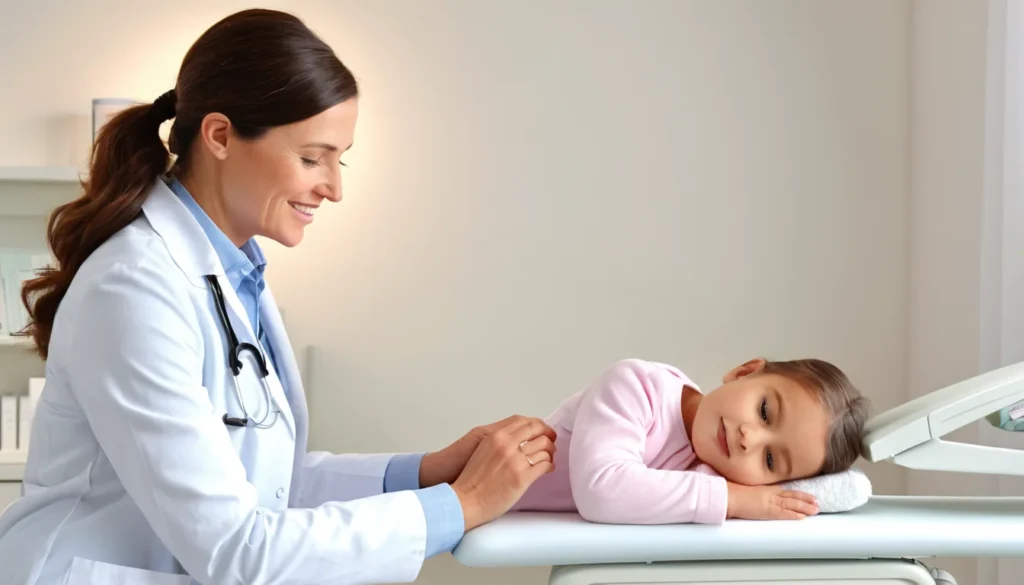
Headaches in children are very common and are usually not serious. Like adults, children can experience different types of headaches — including migraines, tension headaches, and chronic daily headaches. However, it is important to understand what causes them, when to act, and how to help your child feel better. This article covers everything Canadian parents need to know, from symptoms to treatment options available through your family doctor or local walk-in clinic.
What Causes Headaches in Children?
Most headaches in children have everyday causes. Stress, anxiety, minor head injuries, and infections are among the most common triggers. Sometimes, a child’s headache is simply caused by not drinking enough water or skipping a meal.
For example, school-related stress can lead to frequent tension headaches in older children. In younger children, a mild ear infection or cold can also trigger head pain. Understanding the cause helps parents and doctors find the right solution faster.
In addition, some children are simply more prone to headaches. Girls who have reached puberty and children with a family history of migraines or headaches face a higher risk. Therefore, a family history conversation with your doctor can be very helpful.
Common Triggers to Watch For
Many headaches in children are triggered by specific factors. Keeping track of these can help your family doctor identify patterns and recommend treatment.
Lack of sleep or irregular sleep schedules
Skipping meals or not drinking enough fluids
Screen time and eye strain
Emotional stress or anxiety at school or home
Minor head bumps or injuries
Infections such as colds, flu, or ear infections
Types of Headaches in Children
Children can experience several types of headaches. Each type has its own symptoms and patterns. Knowing the difference can help you describe your child’s condition clearly to a healthcare provider.
Migraines in Children
Migraines are more than just a bad headache. They often come with other symptoms that can be quite upsetting for a child. Even infants can experience migraines, although they cannot describe what they feel.
Common symptoms of migraines in children include:
Throbbing or pulsing head pain
Nausea and vomiting
Stomach pain
Strong sensitivity to light and sound
Wanting to lie down in a dark, quiet room
In very young children or infants, signs of a migraine may include inconsolable crying and difficulty holding their head upright. Migraines in children can last anywhere from one hour to several hours. Furthermore, they can interfere with school, play, and daily routines.
Tension Headaches in Children
Tension headaches are the most common type of headaches in children. They usually feel like a steady pressure or squeezing on both sides of the head. Unlike migraines, they do not typically cause nausea or vomiting.
Key features of tension headaches include:
A constant, dull pressure on both sides of the head
Pain that does not get worse with physical activity
No nausea or vomiting
Duration from 30 minutes to several days
In younger children, signs of a tension headache may be harder to spot. A child may avoid playing, become unusually quiet, or want to sleep more than normal.
Cluster Headaches in Children
Cluster headaches are less common in children under 10. However, they do occur and can be very intense. They tend to appear in groups, with one to eight painful episodes happening in a single day.
Symptoms of cluster headaches include:
Sharp, stabbing pain on one side of the head
Episodes lasting 15 minutes to three hours
Nasal congestion or a runny nose
Restlessness and agitation during the episode
Chronic Daily Headaches in Children
A chronic daily headache is defined as head pain that occurs more than 15 days per month for longer than three months. Both migraines and tension headaches can develop into chronic daily headaches over time.
As a result, parents should monitor how often their child gets headaches. Sometimes, a minor infection or a small head injury can trigger a pattern of ongoing pain. In addition, using over-the-counter pain medicines too frequently can actually make headaches worse — a condition known as medication overuse headache.
When to See a Doctor
Most headaches in children do not require emergency care. However, some symptoms do need prompt medical attention. If you are unsure, your child’s family doctor or a local walk-in clinic is a great first step. Most provincial health plans in Canada cover these visits.
Seek medical attention right away if your child’s headache:
Happens at least once a week
Follows a head injury or bump
Comes with persistent vomiting or vision changes
Is accompanied by fever, neck pain, or stiffness
Wakes your child from sleep
Is described as “the worst headache of my life”
Fever with neck stiffness and headache can be a sign of meningitis, which is a medical emergency. Do not wait — go to your nearest emergency room or call 911 immediately in this situation.
For ongoing or recurring headaches, book an appointment with your family doctor. They can review your child’s health history and refer you to a paediatric neurologist if needed. Health Canada provides resources to help families navigate the healthcare system in their province.
How Are Headaches in Children Diagnosed?
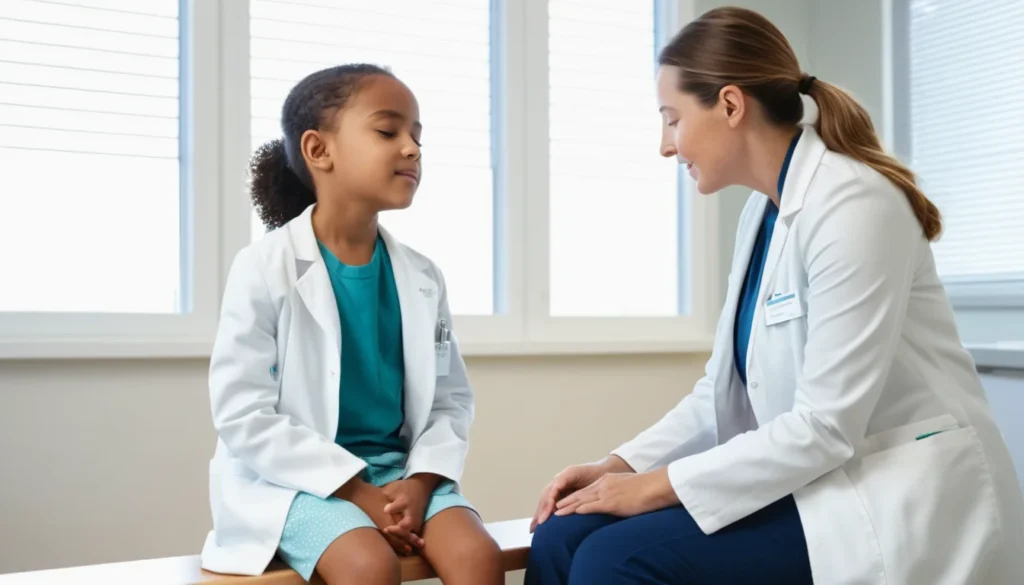
Diagnosing headaches in children starts with a thorough conversation. Your doctor will ask about the type of pain, how often it happens, how long it lasts, and what seems to trigger it. They may also ask you to keep a headache diary at home.
Physical and Neurological Examination
Your child’s doctor will perform a full physical exam. This includes checking height, weight, head circumference, blood pressure, and pulse. They will also examine the eyes, neck, shoulders, and spine.
A neurological exam checks coordination, movement, balance, and sensation. If your child is otherwise healthy and the headache is the only symptom, no further tests are usually needed.
Additional Tests When Needed
In some cases, the doctor may order further tests to rule out more serious causes. These tests are not always necessary but can provide important information.
CT scan (computed tomography): Provides cross-sectional images of the brain. It is used when a tumour or infection is suspected.
MRI (magnetic resonance imaging): Uses radio waves and a powerful magnet to create detailed brain images. It helps diagnose tumours, strokes, aneurysms, and other brain conditions.
Lumbar puncture (spinal tap): A thin needle is used to collect a small sample of cerebrospinal fluid. This test is done when meningitis or another serious infection is suspected.
According to the Mayo Clinic’s guide on headaches in children, most children with headaches do not need imaging tests if their neurological exam is normal.
Treatment Options for Headaches in Children
The good news is that most headaches in children respond well to simple treatments at home. Rest, hydration, and regular meals are often the most effective first steps. However, some children may need additional support from their healthcare provider.
Home Remedies and Lifestyle Changes
Many headaches improve with basic care. Encourage your child to lie down in a quiet, dark room and drink plenty of fluids. A cool or warm cloth on the forehead can also help.
Helpful lifestyle changes include:
Maintaining a regular sleep schedule every day
Eating balanced meals and never skipping breakfast
Staying well hydrated throughout the day
Limiting screen time, especially before bed
Reducing sources of stress or anxiety when possible
Encouraging regular physical activity outdoors
Over-the-Counter Medications
For mild to moderate headaches, over-the-counter pain relievers can help. Children’s acetaminophen (such as Tylenol) or ibuprofen (such as Advil) are commonly used. Always follow the dosing instructions based on your child’s weight and age.
Do not give ASA (Aspirin) to children under 18 without a doctor’s advice. ASA has been linked to a rare but serious condition called Reye’s syndrome in children. When in doubt, ask your pharmacist or family doctor for guidance.
It is also important not to give pain medication too often. Using it more than two to three days per week can lead to medication overuse headaches. This is a well-recognized problem that the World Health Organization identifies as a major contributor to chronic daily headache in young people.
Prescription Treatments
If your child has frequent or severe migraines, their doctor may recommend prescription medications. These can include medications to stop a migraine once it starts, or preventive medicines taken daily to reduce how often migraines occur.
A referral to a paediatric neurologist may be appropriate for children with complex or hard-to-treat headaches. Your family doctor can arrange this referral through your provincial health plan.
Frequently Asked Questions
Are headaches in children something to worry about?
Most headaches in children are not serious and get better with rest and fluids. However, headaches that happen very often, follow a head injury, or come with fever and neck stiffness should be checked by a doctor right away. When in doubt, your family doctor or walk-in clinic is the best place to start.
Can children get migraines?
Yes, children of all ages can get migraines, including infants. Migraines in children often include nausea, stomach pain, and sensitivity to light and sound. If your child seems to have recurring, severe headaches, speak with your family doctor about the possibility of migraines.
What is the best pain reliever for headaches in children?
Children’s acetaminophen or ibuprofen are safe and effective choices for most headaches in children when used correctly. Always dose based on your child’s weight and follow the label instructions. Avoid giving ASA (Aspirin) to anyone under 18 without medical advice, as it carries a risk of Reye’s syndrome.
How often is too often for a child to have headaches?
If your child is getting headaches more than once a week, it is time to see a doctor. Headaches occurring more than 15 days per month for over three months are considered chronic and need professional evaluation. Your child’s family doctor can help identify the cause and recommend a treatment plan.
Can stress cause headaches in children?
Yes, stress and anxiety are very common causes of tension headaches in children. School pressures, social worries, and changes at home can all trigger head pain. Addressing the source of stress and helping your child build healthy coping habits can make a real difference.
When should I take my child to the emergency room for a headache?
Take your child to the emergency room immediately if the headache is sudden and severe, follows a head injury, or comes with fever, stiff neck, confusion, or vision changes. These symptoms can point to a serious condition like meningitis or a brain injury. Call 911 or go to your nearest ER without delay.
Key Takeaways
Headaches in children are common and usually not dangerous, but they deserve attention.
The main types are migraines, tension headaches, cluster headaches, and chronic daily headaches.
Common triggers include stress, poor sleep, dehydration, and skipping meals.
Most headaches improve with rest, fluids, and over-the-counter pain relief.
Never give ASA (Aspirin) to children under 18 without medical advice.
See a doctor if headaches are frequent, severe, or come with other symptoms like fever or neck stiffness.
Your family doctor or a walk-in clinic covered by your provincial health plan is always a good first step.
Always speak with a healthcare professional before starting any new treatment for your child.