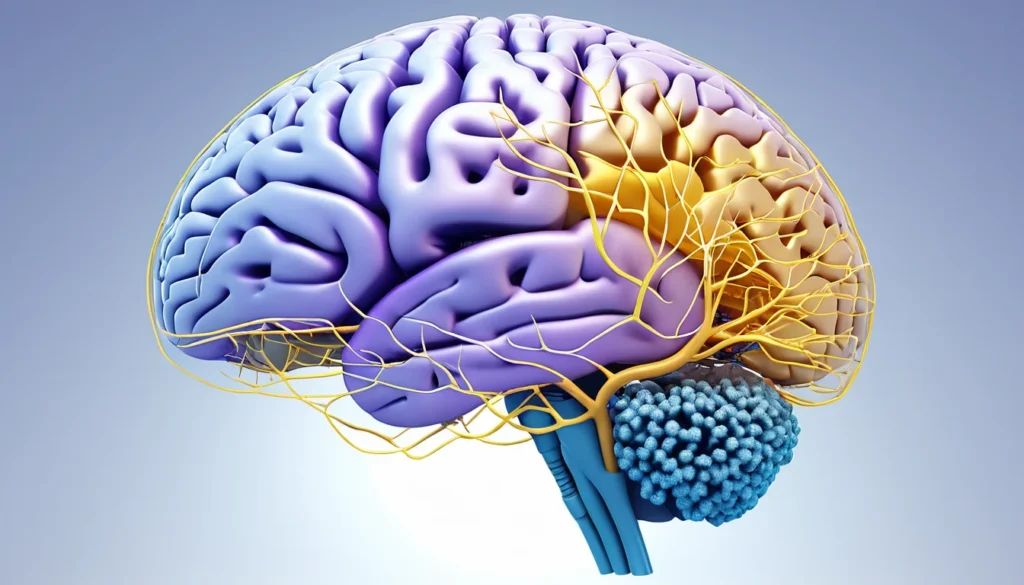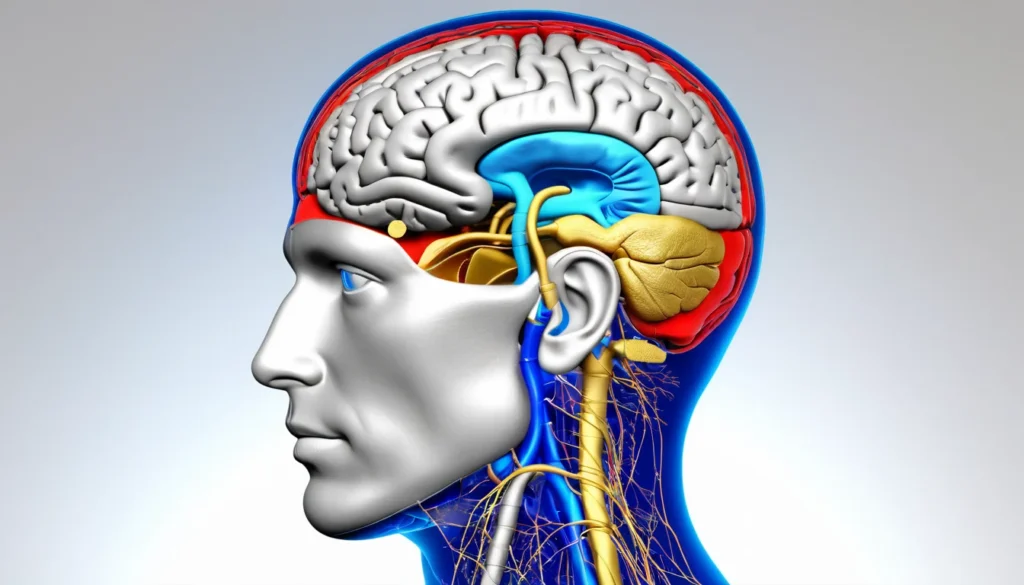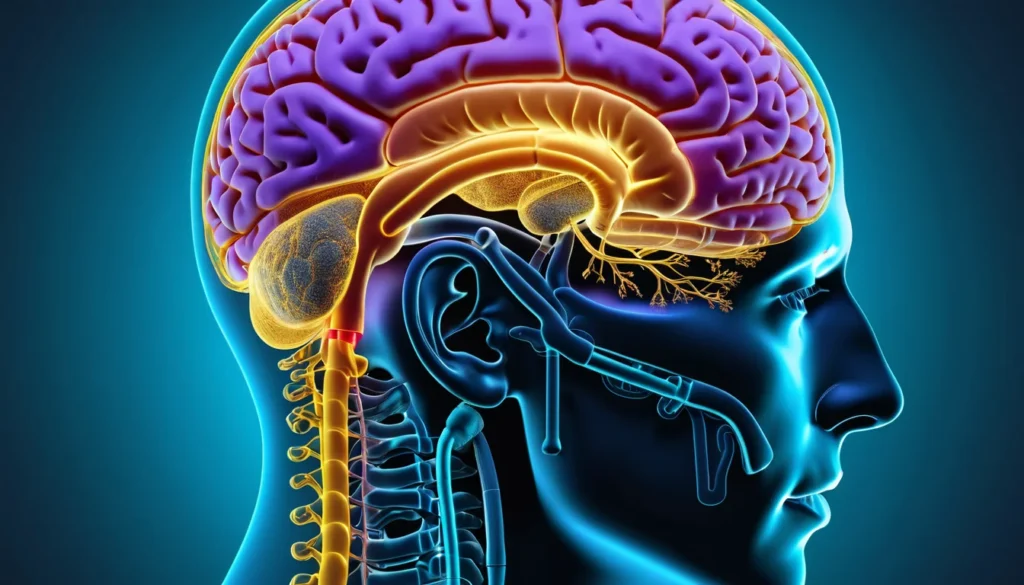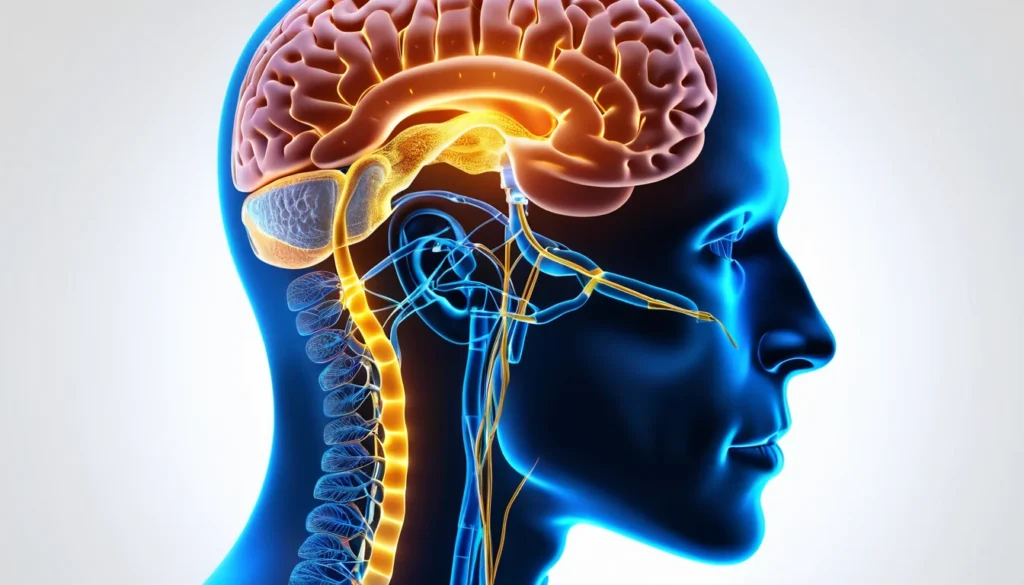
Understanding headache causes and symptoms is something most of us need to do at some point. Research shows that nearly half of all adults experience headache pain at least once a month. Stress, fatigue, and tension are the most common triggers. Knowing what drives your headaches — and when to get help — can make a real difference in your daily life.
How Common Are Headaches?
Headaches are one of the most widespread health complaints in the world. According to the World Health Organization’s headache disorders fact sheet, almost half of all adults have had a headache at least once in the past year. For many people, they happen far more often than that.
Studies show that women tend to experience headaches more frequently than men. People over the age of 50 are also at higher risk, with some reporting headaches an average of 2.5 times per month. In addition, lower household income appears to be linked to a higher rate of frequent headaches.
This connection between stress, financial pressure, and headache frequency makes sense. Chronic stress is hard on the body. When your nervous system stays on high alert for long periods, headache pain often follows.
What Are the Main Headache Causes and Symptoms?
Headache causes and symptoms vary widely from person to person. However, some triggers show up again and again in research. The most commonly reported causes include:
Stress — reported by about one in three headache sufferers
Fatigue or poor sleep — a trigger for roughly one in five people
Emotional upset or anxiety — cited by around one in eight sufferers
Dehydration — a frequently overlooked but very common cause
Eye strain — especially common with increased screen time
Hormonal changes — particularly relevant for women
As a result, most headaches have lifestyle-related triggers that you can identify and manage. Keeping a simple headache diary — noting when headaches happen and what you were doing — can help you spot your personal patterns.
Where Does Headache Pain Usually Occur?
The location of your headache often gives useful clues about its type. Research shows that the forehead is the most common pain location, affecting about four in ten headache sufferers. About three in ten people feel pain spread across the entire head.
Pain around the eyes affects roughly one in five people. Temple pain is also relatively common, reported by about the same number. Furthermore, some people feel pressure at the back of the head or at the base of the skull, which can signal tension or cervicogenic headaches.
What Other Symptoms Come With Headaches?
Headaches rarely travel alone. Many people experience additional symptoms alongside the pain. The most commonly reported ones include:
Dizziness — affecting about one in four headache sufferers
Agitation or irritability — reported by about one in seven people
Vision disturbances — such as blurred vision or light sensitivity
Difficulty concentrating — a frustrating but common complaint
Nausea or loss of appetite — particularly common with migraines
Reduced motor function — feeling clumsy or slow to react
Therefore, if your headaches come with several of these symptoms, it is worth tracking them carefully. This information is very helpful when speaking with your family doctor or a healthcare provider at a walk-in clinic.
How Long Do Headaches Usually Last?
Headache duration varies quite a bit. For many people, the pain passes within an hour. Research suggests that about 46% of frequent headache sufferers find their pain resolves within an hour or less.
However, for more than half of sufferers, headaches last several hours or even a full day. Migraines in particular can be debilitating and long-lasting. If your headaches regularly last more than a few hours, or if they interfere with your work, sleep, or daily activities, it is time to speak with a healthcare professional.
The good news is that most headaches are manageable. Understanding your triggers and responding early can shorten episodes significantly.
Headache Treatment Options
Most people reach for over-the-counter medication when a headache strikes. Research shows that about 90% of people who treat their headaches choose medication. The remaining 10% prefer natural or herbal remedies.
In Canada, commonly used over-the-counter options include:
Acetaminophen (Tylenol) — widely used and generally well tolerated
Ibuprofen (Advil, Motrin) — an anti-inflammatory that works well for tension headaches
Aspirin — effective for some headache types, but not recommended for children
Combination pain relievers — some products combine acetaminophen, aspirin, and caffeine
Always follow the dosing instructions on the label. Overusing pain medication — taking it more than 10 to 15 days per month — can actually cause what doctors call “medication overuse headaches.” This cycle can be hard to break without professional support.
Natural and Lifestyle-Based Approaches
For those who prefer to avoid medication, or who want to use it less often, several lifestyle strategies can help reduce headache frequency. According to Mayo Clinic’s guidance on tension headache treatment, these approaches have strong evidence behind them:
Regular sleep — going to bed and waking at the same time daily
Staying hydrated — drinking enough water throughout the day
Managing stress — through mindfulness, yoga, or deep breathing exercises
Regular physical activity — even a 30-minute walk most days can reduce headache frequency
Limiting caffeine and alcohol — both are well-known headache triggers
Taking screen breaks — using the 20-20-20 rule to reduce eye strain
In addition, some people find relief through massage therapy, acupuncture, or chiropractic care. Many provincial health plans in Canada offer partial coverage for these services. Ask your family doctor or check your provincial health benefits for details.
Who Is Most at Risk for Frequent Headaches?
Certain groups tend to experience headaches more often than others. Women are more frequently affected than men, largely due to hormonal fluctuations tied to the menstrual cycle, pregnancy, and menopause. This is one reason why migraines are roughly three times more common in women than in men.
People over 50 also report higher headache frequency on average. Furthermore, research consistently shows a link between lower income levels and more frequent headaches. This likely reflects the compounding effects of financial stress, poor sleep, limited access to nutritious food, and reduced access to healthcare.
Those living in rural or remote areas may also face additional challenges. Access to specialists like neurologists can be limited. In these situations, telehealth services — available through most provincial health systems — can be a helpful first step toward getting proper care.
The Role of Stress and Mental Health
Stress is the single most commonly reported headache trigger. This is not surprising. Stress causes muscle tension, disrupts sleep, and affects hormone levels — all of which contribute to headache pain.
Mental health and headache frequency are closely linked. People living with anxiety or depression tend to experience more frequent and more severe headaches. Addressing mental health is therefore a meaningful part of headache management, not just a side issue.
If stress or mental health challenges are driving your headaches, speak with your family doctor. Many provinces offer publicly funded mental health programmes and referrals to counsellors or psychologists.
When to See a Doctor About Your Headaches
Most headaches are not dangerous. However, some headache patterns do require prompt medical attention. Visit your family doctor or a walk-in clinic if you notice any of the following:
Headaches that are getting more frequent or more severe over time
Headaches that do not respond to over-the-counter medication
Headaches that wake you from sleep
Headaches that come with fever, stiff neck, or confusion
Headaches that follow a head injury
A sudden, very severe headache — sometimes described as a “thunderclap” — that comes on within seconds
Headaches with vision changes, weakness, or difficulty speaking
A thunderclap headache in particular is a medical emergency. Call 911 or go to your nearest emergency department immediately if you experience one.
For ongoing or recurring headaches, your family doctor is your best starting point. They can rule out underlying causes, refer you to a neurologist if needed, and help you build a management plan. If you do not have a family doctor, a walk-in clinic is a good option for initial assessment. Health Canada’s information on accessing health care services can help you find options in your area.
As always, speak with a qualified healthcare provider before starting any new treatment. This article is for general information only and does not replace professional medical advice.
Frequently Asked Questions About Headaches
What are the most common headache causes and symptoms in adults?
The most common headache causes and symptoms in adults include stress, fatigue, dehydration, and poor sleep. Symptoms often include pain in the forehead or temples, dizziness, and difficulty concentrating. Keeping a headache diary can help you identify your personal triggers.
How do I know if my headache is serious?
Most headaches are not serious, but some warning signs need prompt attention. See a doctor right away if your headache is sudden and severe, comes with fever or stiff neck, follows a head injury, or is accompanied by vision changes or weakness. When in doubt, visit a walk-in clinic or call Health Link (811) in most provinces.
Why do I get headaches so often?
Frequent headaches are often linked to ongoing stress, irregular sleep, dehydration, or overuse of pain medication. Understanding your headache causes and symptoms is the first step to reducing how often they happen. Your family doctor can help you identify patterns and suggest a long-term management plan.
What is the fastest way to get rid of a headache without medication?
Drinking a large glass of water, resting in a dark and quiet room, and applying a cold or warm compress to your forehead can all help relieve headache pain quickly. Gentle neck stretches and deep breathing exercises also help many people. These strategies work especially well when you catch the headache early.
Are headaches more common in women than men?
Yes, women experience headaches and migraines more often than men. Hormonal changes related to the menstrual cycle, pregnancy, and menopause are major contributing factors. If headaches are linked to your cycle, speak with your family doctor about targeted treatment options.
Can stress really cause headaches?
Yes, stress is one of the most well-documented headache causes and symptoms triggers. Stress creates muscle tension, disrupts sleep, and raises levels of certain hormones — all of which can bring on a headache. Managing stress through regular exercise, mindfulness, and adequate sleep can significantly reduce headache frequency over time.
Key Takeaways
Headaches are very common — nearly half of adults experience them at least once a month.
Stress and fatigue are the two most frequently reported headache causes and symptoms triggers.
Women and people over 50 tend to experience headaches more often than other groups.
Most headaches resolve within an hour, but some last several hours or a full day.
Over-the-counter options like acetaminophen and ibuprofen are the most commonly used treatments in Canada.
Lifestyle changes — including better sleep, hydration, and stress management — can meaningfully reduce headache frequency.
See your family doctor or walk-in clinic if headaches are frequent, severe, or come with unusual symptoms.
A sudden, severe headache is a medical emergency — call 911 immediately.