Hantavirus pulmonary syndrome is a rare but life-threatening lung infection spread by infected rodents. It starts with flu-like symptoms that can quickly turn into severe breathing problems. In Canada, cases have been reported — particularly in rural western regions. Understanding the signs, causes, and risk factors can help protect you and your family.
What Is Hantavirus Pulmonary Syndrome?
Hantavirus pulmonary syndrome is an infectious disease caused by several types of hantavirus. These viruses spread to people through contact with infected rodents — mainly deer mice. The virus is found in the urine, droppings, and saliva of these animals.
In North America, the Sin Nombre virus is responsible for most cases of hantavirus pulmonary syndrome. Because treatment options are limited, prevention is the most important tool we have. Health Canada recommends avoiding contact with wild rodents and their habitats whenever possible.
Symptoms of Hantavirus Pulmonary Syndrome
Symptoms of hantavirus pulmonary syndrome typically appear one to five weeks after exposure to the virus. The illness progresses through two distinct stages. Knowing both stages can help you act quickly if you or someone you know has been exposed.
Early Stage Symptoms
The early stage looks a lot like the flu. In fact, it can be very difficult to tell the difference at first. Common early symptoms include:
Fever and chills
Fatigue and general weakness
Muscle aches, especially in the thighs, hips, and back
Headaches
Nausea, vomiting, and stomach pain
Abnormal sounds in the lungs (called crackles or rales)
These early symptoms are easy to mistake for influenza, pneumonia, or other viral illnesses. However, the key difference is how quickly things can get worse. Furthermore, hantavirus does not respond to typical flu treatments.
Cardiopulmonary Stage Symptoms
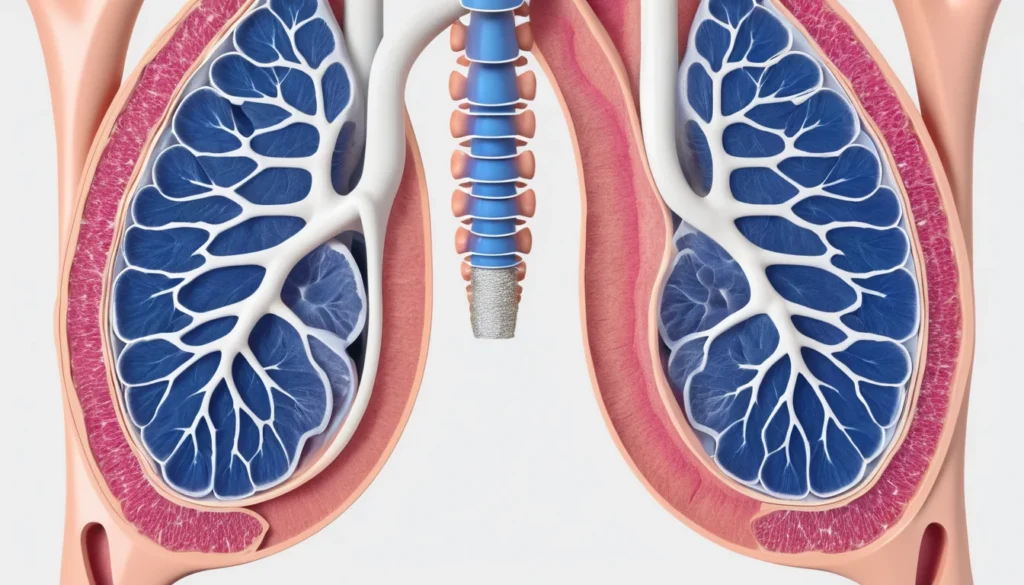
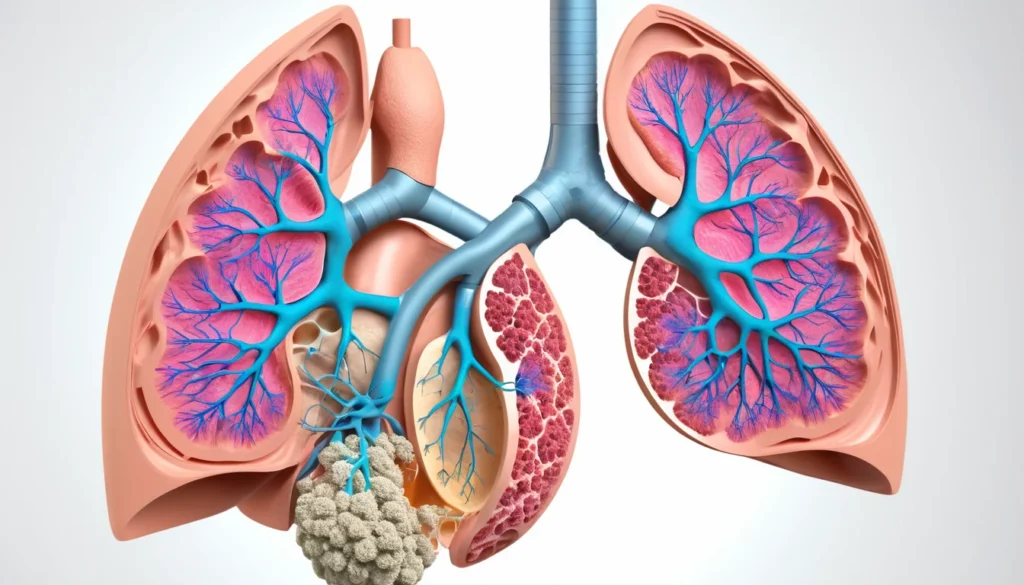
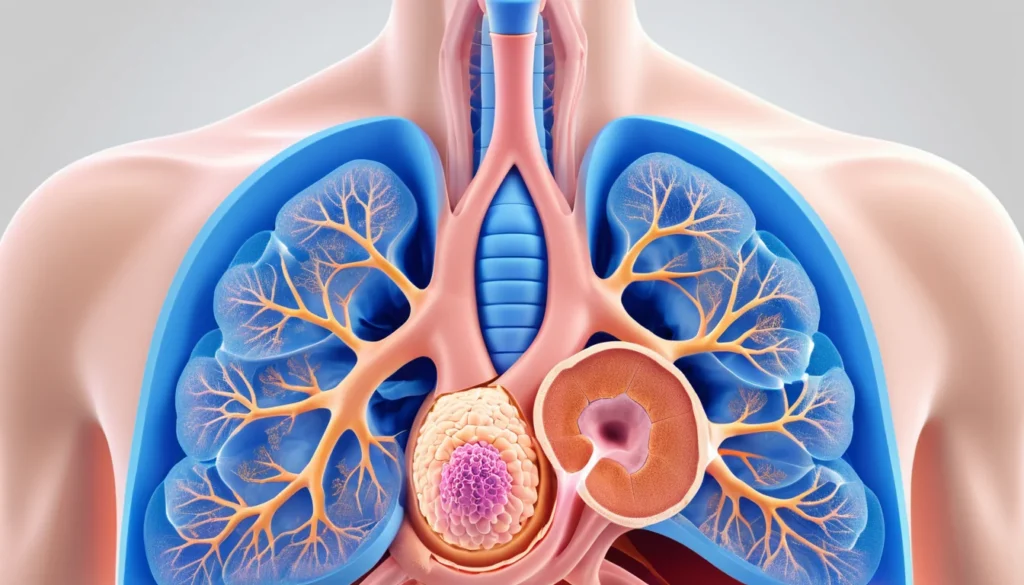
If the infection progresses, it enters the cardiopulmonary stage. This is the dangerous phase. The tiny blood vessels in the lungs begin to weaken and leak fluid. As a result, breathing becomes extremely difficult.
Symptoms in this stage include:
Shortness of breath (dyspnoea)
Low blood oxygen levels (hypoxia)
Fluid buildup in the lungs (pulmonary oedema)
Respiratory failure
Acute respiratory distress syndrome (ARDS) — a severe condition where the lungs cannot transfer oxygen to the blood
Low blood pressure
Irregular heartbeat (arrhythmia)
Failure of multiple organs
This stage can become fatal very quickly. Therefore, getting to a hospital immediately is critical if these symptoms appear.
Causes and How Hantavirus Spreads
Each type of hantavirus links to a specific rodent host. In Canada and the United States, the deer mouse carries the Sin Nombre virus — the strain most often responsible for hantavirus pulmonary syndrome. According to the Mayo Clinic, this virus does not spread easily from person to person.
The Main Route: Breathing It In
The most common way people get infected is by breathing in contaminated air. When infected rodents leave droppings, urine, or saliva in a space, tiny particles become airborne. You then inhale those particles without realising it.
For example, sweeping or vacuuming a shed or cabin that has mouse droppings stirs up these particles into the air. Once inhaled, the virus travels to the lungs and begins attacking the capillaries. This is why simply entering an old, unoccupied building can put you at risk.
Other Ways the Virus Can Spread
Although less common, there are other ways to pick up the infection. These include:
A bite from an infected rodent
Touching your face after handling contaminated materials
Eating food that has been contaminated by rodent droppings
Person-to-person transmission is rare with the North American strain. However, some strains found in South America have shown limited human-to-human spread.
Who Is at Risk in Canada?
Hantavirus pulmonary syndrome cases in Canada are most common in rural areas, particularly in western provinces. Cases tend to rise in spring and summer, when people spend more time outdoors and open up buildings that have been closed all winter.
Certain activities and situations raise your risk significantly. These include:
Cleaning out barns, sheds, cabins, or attics that have been unused for a long time
Camping, hiking, or hunting in areas where deer mice live
Working in construction or pest control
Living or working near areas with known rodent activity
Cleaning spaces with low traffic, such as crawl spaces or storage rooms
Farmers, forestry workers, and outdoor enthusiasts in British Columbia, Alberta, Saskatchewan, and Manitoba face a higher risk. However, anyone who spends time in rodent-infested environments can be affected.
How Is Hantavirus Pulmonary Syndrome Diagnosed?
Diagnosing hantavirus pulmonary syndrome starts with a blood test. The lab looks for specific antibodies — proteins your immune system produces to fight infection. When the virus is present, antibodies called IgM and IgG appear in the blood alongside symptoms.
Because this illness looks so much like other conditions, your doctor may also order additional tests. These help rule out similar diseases such as:
Influenza
Legionnaires’ disease
Pneumonic plague
Q fever
Early diagnosis greatly improves the outcome. In addition, chest X-rays and oxygen level monitoring help doctors track how quickly the lungs are being affected.
Treatment Options
Unfortunately, there is no specific cure for hantavirus pulmonary syndrome. However, early hospital care can make a significant difference in survival. The sooner a patient receives supportive treatment, the better the prognosis.
Supportive Care in Hospital
People with severe symptoms need immediate admission to an intensive care unit (ICU). Treatment focuses on keeping the body stable while the immune system fights the virus. This may include:
Mechanical ventilation — a breathing machine helps keep the airways open and reduces the risk of fluid buildup in the lungs
Intubation — a tube placed through the nose, mouth, or throat to maintain an open airway
Extracorporeal membrane oxygenation (ECMO) — in extreme cases, blood is pumped through a machine that removes carbon dioxide and adds oxygen before returning it to the body
Oxygen therapy — to maintain safe blood oxygen levels
Intravenous fluids and medications — to manage blood pressure and organ function
Canada’s provincial health systems are equipped to handle these cases. Patients transferred to major hospital centres in larger cities typically receive the highest level of respiratory care available.
Antiviral Research
Researchers have studied antiviral drugs, including ribavirin, as a possible treatment. However, evidence for their effectiveness remains limited. The World Health Organization continues to monitor research into hantavirus treatments globally.
How to Prevent Hantavirus Infection
Since treatment options are limited, prevention is your best defence against hantavirus pulmonary syndrome. Most infections are entirely preventable with the right precautions.
Follow these steps to reduce your risk:
Before cleaning old or unused buildings, air them out for at least 30 minutes
Wear rubber or plastic gloves when handling rodent droppings, nests, or dead rodents
Dampen contaminated areas with a bleach solution before cleaning — never sweep or vacuum dry droppings
Seal gaps and holes in your home to keep rodents out
Store food in rodent-proof containers
When camping, keep your tent and sleeping area away from rodent burrows or droppings
Wear an N95 respirator mask when working in high-risk environments
These simple steps significantly lower your chance of exposure. Furthermore, keeping your home and outbuildings clean and rodent-free protects your whole household.
When to See a Doctor
If you have been in an area with known rodent activity and start feeling flu-like symptoms, do not wait to get help. Early medical attention can save your life with hantavirus pulmonary syndrome.
Contact your family doctor or visit a walk-in clinic as soon as you notice fever, fatigue, or muscle aches following potential rodent exposure. Tell your doctor exactly where you were and what you may have been exposed to — this information is critical for a correct diagnosis.
If your breathing becomes difficult or your symptoms worsen rapidly, go to your nearest emergency department immediately. Do not wait for a scheduled appointment. In Canada, calling 811 (Health Link or Télé-santé, depending on your province) can also connect you with a registered nurse who can advise you on next steps.
Always consult a qualified healthcare provider for any health concerns. The information in this article is for educational purposes only and does not replace professional medical advice.
Frequently Asked Questions About Hantavirus Pulmonary Syndrome
Is hantavirus pulmonary syndrome found in Canada?
Yes, hantavirus pulmonary syndrome has been reported in Canada, mainly in rural areas of western provinces such as British Columbia, Alberta, Saskatchewan, and Manitoba. The deer mouse is the primary carrier of the virus in these regions. Cases tend to peak in spring and summer.
How do you get hantavirus pulmonary syndrome?
Most people get hantavirus pulmonary syndrome by breathing in air contaminated with virus particles from infected rodent droppings, urine, or saliva. This most often happens when cleaning enclosed spaces like sheds, barns, or cabins. Rodent bites and contact with contaminated food are less common routes of infection.
What are the early warning signs of hantavirus?
Early signs of hantavirus pulmonary syndrome include fever, chills, fatigue, and muscle aches — especially in the thighs, hips, and back. Nausea and stomach pain are also common in the first few days. These symptoms are easy to confuse with the flu, so telling your doctor about any recent rodent exposure is very important.
Can hantavirus spread from person to person?
The strain of hantavirus most common in North America — the Sin Nombre virus — does not spread easily from person to person. Transmission almost always requires direct contact with infected rodents or their droppings. However, rare cases of person-to-person spread have been documented with certain South American strains of the virus.
Is there a cure or vaccine for hantavirus pulmonary syndrome?
There is currently no approved cure or vaccine for hantavirus pulmonary syndrome in Canada. Treatment focuses on supportive care in a hospital setting, such as mechanical ventilation and oxygen therapy. Early diagnosis and immediate hospitalisation greatly improve a patient’s chances of survival.
How deadly is hantavirus pulmonary syndrome?
Hantavirus pulmonary syndrome has a mortality rate of roughly 38 percent, making it a very serious illness. However, patients who receive early hospital care have better outcomes. If you suspect exposure to hantavirus and develop symptoms, seek emergency medical care right away rather than waiting to see if you improve.
Key Takeaways
Hantavirus pulmonary syndrome is a serious, potentially fatal lung disease spread by infected rodents — particularly deer mice in Canada.
The virus spreads mainly through breathing in contaminated particles from rodent droppings, urine, or saliva.
Early symptoms look like the flu, but the illness can rapidly progress to severe breathing problems and organ failure.
There is no specific cure — early hospitalisation and supportive care are the most effective treatments available.
Prevention is your best protection: avoid rodent habitats, wear gloves and a mask when cleaning enclosed spaces, and seal your home against rodents.
If you have been exposed to rodents and develop flu-like symptoms, contact your family doctor, visit a walk-in clinic, or call 811 in your province right away.