Hand transplant surgery is a remarkable but rare procedure that can help people who have lost one or both hands due to amputation. It offers the chance to regain movement, feeling, and a better quality of life. However, it is a major operation with serious risks, and only a small number of centres worldwide perform it. This article explains who may qualify, what the procedure involves, and what recovery looks like.
What Is Hand Transplant Surgery?
In a hand transplant surgery, a patient receives one or two hands from a deceased donor, along with a portion of the forearm. The goal is to restore both motor function — the ability to move the hand — and sensory function, meaning the ability to feel. While results are not guaranteed, many recipients experience meaningful improvements in daily life.
This is considered a last-resort treatment option. It is not the first step after an amputation. Doctors explore all other options, including prosthetic limbs, before recommending a transplant. According to Mayo Clinic, composite tissue transplants like hand transplants require lifelong medical management.
Because this surgery is so specialized, very few hospitals in the world perform it. Canada has been part of the growing international effort to develop this field, though patients may sometimes need to travel to specialized centres abroad.
Who Can Qualify for Hand Transplant Surgery?
Not everyone who has lost a hand is automatically a candidate. Surgeons carefully select patients to give the best chance of a successful outcome. A dedicated transplant team reviews each case from many different angles.
When a potential recipient is identified, the transplant team considers several matching factors between the donor and recipient. These include:
Blood type — must be compatible
Tissue type — to reduce the risk of rejection
Skin colour — for a natural appearance
Age of both the donor and recipient
Sex of both the donor and recipient
Hand size — for a proper anatomical fit
Muscle mass — to support function after surgery
These factors help the team find the most suitable match possible. A good match lowers the risk of rejection and improves long-term outcomes.
Medical Criteria for Candidates
To be placed on the waiting list, a candidate must pass a thorough physical examination. This includes blood tests, X-rays, and general health assessments. The candidate must also undergo a psychological and emotional evaluation.
This evaluation looks at emotional stability, the ability to follow post-transplant care routines, and overall readiness for the lifelong commitment involved. Therefore, mental health plays a key role in candidacy.
In addition, candidates must meet the following health criteria. They must:
Have no history of chronic nerve conditions, such as peripheral neuropathy
Have no serious health conditions like diabetes, kidney disease, heart disease, or cancer
Have had no recent systemic infections
Be non-smokers
Not use alcohol or other harmful substances
These requirements exist because the surgery and the lifelong medications that follow place significant demands on the body. A strong baseline of health gives patients the best chance of a good recovery.
What Happens During the Procedure?
Hand transplant surgery is a long and complex operation. It typically takes between 18 and 24 hours to complete. A team of surgeons with different specialties works together throughout the procedure. Family members receive regular updates during the operation.
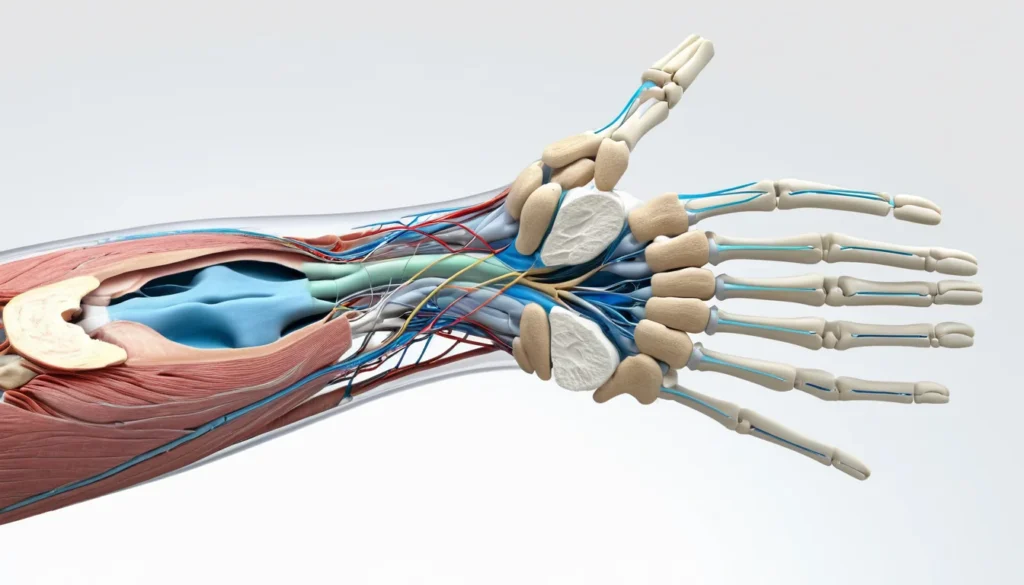
Once the donor’s hand is prepared, surgeons begin by attaching the bones using small metal rods for support. Next, they connect the blood vessels, tendons, and nerves using very fine sutures. This part of the work falls under a field called microsurgery — much of it is performed under a microscope.
Finally, once the donor hand is fully attached to the patient’s forearm and wrist, surgeons close the soft tissue and skin. The level of precision required makes this one of the most technically demanding operations in modern medicine.
For more background on complex surgical procedures, Healthline’s surgical health resources offer helpful plain-language explanations.
Waiting for a Donor
Once a patient is approved for transplant, they are placed on a donor waiting list. The wait time is completely unpredictable. There is no way to know when a suitable donor will become available. This uncertainty can be emotionally difficult, and support from mental health professionals is strongly encouraged during this time.
Risks and Complications of Hand Transplant Surgery
Like any major surgery, hand transplant surgery carries real risks. These include infection, bleeding, and thrombosis — a dangerous blood clot that can block blood flow. If arterial thrombosis occurs in a vessel of the transplanted hand, either during or after the operation, it may require a second surgery to correct.
However, the most significant ongoing risk is transplant rejection. This happens when the patient’s immune system identifies the donor hand as a foreign object and tries to destroy it. There are two types of rejection to be aware of.
Acute Rejection
Acute rejection happens quickly. The immune system produces antibodies that attack the blood vessels and tissue of the donor hand. As a result, the patient may suddenly notice swelling, colour changes, and itching — with or without pain.
This type of rejection can often be stopped with fast-acting medications. However, if not treated promptly, it can lead to secondary amputation. Therefore, recognizing the early signs is critical.
Chronic Rejection
Chronic rejection develops slowly over a longer period. The patient may gradually notice a loss of hand function and the gradual onset of pain. Hair loss on the hand and changes to the fingernails may also appear.
Both types of rejection must be reported to the transplant team immediately. Each patient is trained to watch for these signs and to recognize them early. If the team confirms rejection is occurring, they will adjust the patient’s medications to stop the process.
Life After Hand Transplant Surgery: Medications and Recovery
After surgery, patients spend time in an intensive care unit (ICU). The transplant team monitors hand function closely and provides pain relief as needed. Immunosuppressant medications — drugs that calm the immune system — are started right away in hospital and must be continued for life.
These medications are essential, but they do come with side effects. Side effects vary from person to person and can range from mild to significant. However, for transplant patients, the benefits of these drugs far outweigh the risks.
After the ICU, patients typically move to a regular hospital ward for up to 10 days, depending on their progress. During this time, any new symptoms, pain, or changes are investigated right away.
Physiotherapy and Rehabilitation
Rehabilitation begins during the hospital stay itself. A physiotherapy specialist guides patients through exercises designed to restore hand mobility. This work continues long after leaving hospital.
Physiotherapy is not optional — it is a core part of the transplant process. Regular sessions and consistent practice at home are necessary to regain function. In Canada, provincial health plans may cover some rehabilitation services, but it is important to confirm coverage with your provincial health authority. The Health Canada website provides guidance on navigating publicly funded health services.
In addition to physiotherapy, patients must keep regular appointments with their transplant team. This lifelong follow-up care is what keeps the transplanted hand healthy and functional over time.
When to See a Doctor
If you or a loved one has experienced a hand amputation and wants to explore all available options, start by speaking with your family doctor. They can refer you to a specialist and help you understand whether a transplant evaluation is appropriate for your situation.
If you do not have a family doctor, a walk-in clinic can be a helpful first step. Ask for a referral to a hand surgeon or a transplant specialist. It is important not to self-diagnose or make decisions about surgery without proper medical guidance.
For those already on a transplant waiting list, contact your transplant team right away if you notice any warning signs — especially swelling, skin colour changes, itching, or pain in the transplanted hand. Do not wait for a scheduled appointment. Early action can make the difference between saving and losing the hand.
Always consult a qualified healthcare provider before making any decisions about surgical procedures or medical treatments. This article is for informational purposes only and does not replace professional medical advice.
Frequently Asked Questions About Hand Transplant Surgery
How successful is hand transplant surgery?
Hand transplant surgery has helped many patients regain meaningful function, including the ability to grip objects and feel sensations. Success depends on many factors, including the quality of the donor match, the patient’s overall health, and their commitment to lifelong medication and physiotherapy. Results vary from person to person, and full recovery is not guaranteed.
How long does a hand transplant surgery take?
A hand transplant surgery typically takes between 18 and 24 hours to complete. It is one of the longest and most complex surgical procedures in medicine. A team of surgeons with different specialties works together throughout the entire operation.
What are the risks of hand transplant surgery?
The main risks of hand transplant surgery include infection, bleeding, blood clots, and transplant rejection. Rejection — where the immune system attacks the donor hand — can be either acute (sudden) or chronic (gradual). Patients must take immunosuppressant medications for the rest of their lives to manage this risk.
Can you get a hand transplant in Canada?
Hand transplant surgery is performed in only a small number of highly specialized centres worldwide, and access through the Canadian healthcare system may require referral to an international centre. Speak with your family doctor or a hand surgeon to explore what options are available to you. Provincial health plans vary in what they cover for complex transplant procedures.
What medications do you need after a hand transplant?
After hand transplant surgery, patients must take immunosuppressant medications for the rest of their lives. These drugs prevent the immune system from rejecting the donor hand. While they are essential, they can have side effects that vary by individual, so close monitoring by a medical team is required.
Who is not a good candidate for hand transplant surgery?
People with serious health conditions such as diabetes, kidney disease, heart disease, or cancer are generally not good candidates for hand transplant surgery. Smokers, those who use alcohol heavily, and people with chronic nerve conditions are also typically excluded. A thorough physical and psychological evaluation is required before anyone is approved for the transplant waiting list.
Key Takeaways
Hand transplant surgery is a last-resort option for patients who have lost one or both hands to amputation.
The surgery takes 18 to 24 hours and requires a team of specialized surgeons.
Candidates must meet strict medical and psychological criteria before being placed on a waiting list.
The biggest ongoing risk is transplant rejection, which can be acute or chronic.
Immunosuppressant medications must be taken for life after the transplant.
Physiotherapy and regular medical follow-up are essential parts of long-term recovery.
If you are exploring this option, start by speaking with your family doctor or visiting a walk-in clinic for a referral.
Always consult a qualified healthcare professional before making decisions about surgical treatment.