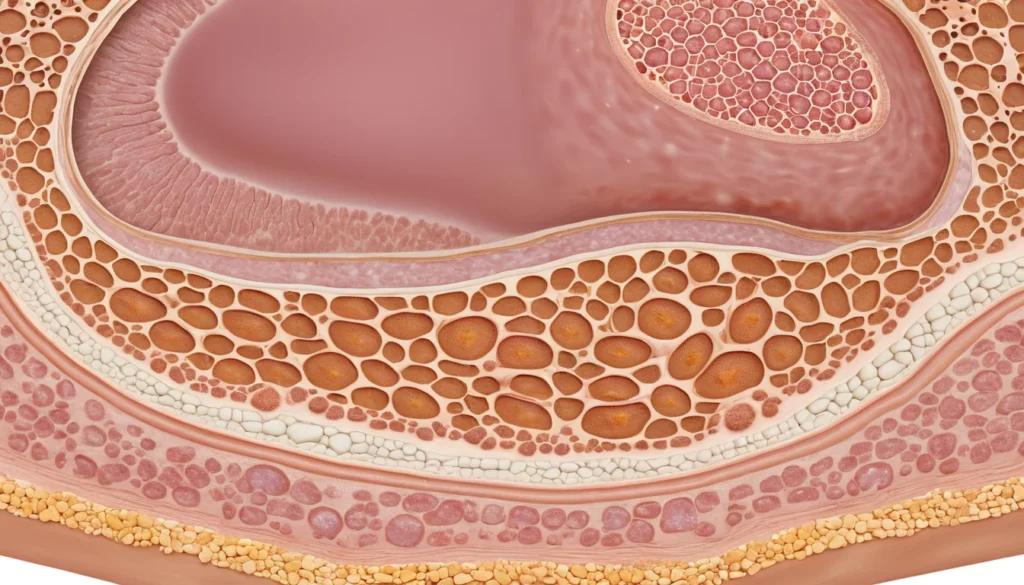
Hailey-Hailey disease is a rare, inherited skin condition that causes painful blisters and crusty, red patches in areas where skin rubs together. Also called familial benign chronic pemphigus, it affects men and women equally. Most people find it more of a persistent nuisance than a serious health threat — but it does require proper care and medical attention.
What Is Hailey-Hailey Disease?
Hailey-Hailey disease is a genetic skin condition passed down through families. It causes the outer layer of skin — the epidermis — to break down in areas exposed to friction, heat, and sweat. As a result, small blisters, red patches, and crusted sores develop.
The condition is not contagious. You cannot catch it from another person. It is also not caused by allergies or poor hygiene. However, sweat, heat, and friction can all trigger flare-ups and make symptoms worse.
For more background on rare skin disorders, visit the Health Canada health information portal.
What Causes Hailey-Hailey Disease?
A small error in the DNA of a gene on chromosome 3 causes this condition. This gene normally helps skin cells stick together properly in the outer layer of skin. When the gene does not work correctly, skin cells separate too easily — especially in areas that experience rubbing or moisture.
Hailey-Hailey disease follows what doctors call an autosomal dominant inheritance pattern. This means that if one parent carries the faulty gene, each child has a 50% chance of inheriting the condition. Both sons and daughters can be affected equally.
Common triggers that cause flare-ups include:
Heat and high humidity
Sweating
Tight or rough clothing that rubs the skin
Physical activity that causes friction
Bacterial or fungal skin infections
Herpes simplex virus (cold sore virus)
Recognising the Symptoms of Hailey-Hailey Disease
Symptoms of Hailey-Hailey disease most often appear between the ages of 15 and 40. However, they can show up earlier or later in life. The severity varies enormously from person to person and is often unpredictable.
The most common areas affected include:
The sides of the neck
The armpits
The groin and inner thighs
Under the breasts
Skin folds around the buttocks
Symptoms typically include red, scaly patches or small blisters that itch and crust over. The affected skin may also have an unpleasant odour — especially in warm, moist areas. This odour is a feature of the condition itself. It does not mean the skin is dirty.
What the Skin Looks Like Between Flare-Ups
Between episodes, the skin usually looks completely normal. It does not leave permanent scars. Many people find that their symptoms improve gradually as they get older. Flare-ups come and go throughout a person’s life.
In rare cases, symptoms appear in or around the genital area or the folds near the buttocks. This can make walking uncomfortable. However, most people with Hailey-Hailey disease lead full, active lives with proper management.
How Is Hailey-Hailey Disease Diagnosed?
Hailey-Hailey disease is often mistaken for other common skin conditions. Doctors sometimes initially consider diagnoses such as:
Eczema
Contact dermatitis (an allergic skin reaction)
Heat rash
Ringworm
Impetigo (a bacterial skin infection)
Fungal skin infection
To confirm a diagnosis, a doctor takes a small sample of affected skin — called a biopsy — and examines it under a microscope. The cellular pattern seen under the microscope helps distinguish Hailey-Hailey disease from other conditions. A dermatologist — a doctor who specialises in skin — typically makes the final diagnosis.
The Mayo Clinic’s skin condition resources offer helpful information about how dermatologists diagnose rare skin disorders.
Treatment Options for Hailey-Hailey Disease
There is no cure for Hailey-Hailey disease. However, several treatments can reduce symptoms and help manage flare-ups effectively. Your family doctor or dermatologist will recommend a treatment plan based on how severe your symptoms are.
Topical Treatments
Corticosteroid creams are often the first treatment doctors recommend. These creams reduce inflammation and relieve itching. They are sometimes combined with an antibiotic to help prevent skin infections. Apply the cream in a thin layer, once or twice a day, only on the affected areas.
Applying corticosteroid cream at the first sign of itching can stop a flare-up from getting worse. However, long-term use of strong steroid creams can thin the skin. Therefore, always follow your doctor’s guidance on how and how long to use them.
Tacrolimus cream is another topical option. Some patients have seen improvement with this treatment. It is not officially approved specifically for Hailey-Hailey disease, but doctors may prescribe it when other options have not worked well enough.
Antibiotics and Antifungal Treatments
Bacteria and fungi can trigger or worsen flare-ups. Keeping affected skin clean is very important. Use gentle antiseptic soaps or antibacterial washes when bathing. Antifungal creams or washes may also help if a fungal infection is present.
Oral antibiotics — taken by mouth — are sometimes needed during a serious flare-up. If the herpes simplex virus triggers a sudden worsening of symptoms along with increased pain, antiviral medication is required. In this case, contact your family doctor or dermatologist right away.
Advanced and Emerging Treatments
For people whose condition does not respond to standard treatments, doctors may consider stronger options. These include:
Systemic medications — such as corticosteroids, dapsone, cyclosporine, or methotrexate. These affect the immune system and carry serious potential side effects. They are used only when milder treatments have failed.
Botulinum toxin (Botox) injections — to reduce sweating in affected areas. This is still being evaluated in clinical studies.
Photodynamic therapy — a cream is applied to sensitise skin cells, followed by exposure to a special red lamp three hours later. This treatment can be painful and is not effective in all cases.
Laser treatment — may help in some patients. Research is ongoing.
Surgical removal — of the most severely affected skin. This can leave scars and is rarely the first choice.
For a broader overview of treatment approaches for chronic skin conditions, Healthline’s dermatology section provides clear and reliable information.
Managing Hailey-Hailey Disease at Home
Day-to-day self-care plays a big role in managing Hailey-Hailey disease. Small changes in your daily routine can significantly reduce the number and severity of flare-ups.
Clothing and Lifestyle Tips
Avoid tight-fitting clothing that creates friction against the skin. Choose loose, breathable fabrics — cotton is a great option. Soften stiff collars or waistbands before wearing new clothes. Avoid carrying heavy bags or backpacks that rub against affected areas.
In hot weather, stay cool as much as possible. Use fans or air conditioning. Take cool showers after exercise. Pat skin dry gently — do not rub with a towel.
Skin Care Routine
Keep affected areas clean and dry. Use mild, fragrance-free soaps. After washing, apply any prescribed creams before the skin fully dries. Avoid using random over-the-counter creams on affected skin without checking with your doctor first — some products can irritate the skin further.
Wearing moisture-wicking undergarments can help reduce sweating against the skin. In summer, applying a light dusting of medicated powder in skin folds may also help keep areas dry.
When to See a Doctor About Hailey-Hailey Disease
If you notice persistent red patches, blisters, or itchy crusted sores in your skin folds or areas of friction, see your family doctor. Your doctor can refer you to a dermatologist who can confirm the diagnosis and build a treatment plan suited to you.
Go to a walk-in clinic or contact your family doctor promptly if you experience:
A sudden and severe worsening of skin symptoms
Increased pain or burning in affected areas
Signs of spreading infection — such as warmth, swelling, or pus
Fever alongside a skin flare-up
These signs may indicate a bacterial infection with the herpes simplex virus, which needs prompt medical treatment. Most provincial health plans in Canada cover visits to your family doctor and referrals to specialists. If you do not have a family doctor, a walk-in clinic can help assess your symptoms and provide a referral if needed.
Always speak with a qualified healthcare professional before starting or changing any treatment for a skin condition. This article provides general health information only and is not a substitute for medical advice.
Frequently Asked Questions About Hailey-Hailey Disease
Is Hailey-Hailey disease contagious?
No, Hailey-Hailey disease is not contagious. It is a genetic condition passed down through families and cannot be spread through skin contact, sharing towels, or any form of physical contact. You cannot catch it from another person.
What triggers a Hailey-Hailey disease flare-up?
Common triggers for Hailey-Hailey disease flare-ups include heat, sweating, tight clothing, physical friction, and skin infections caused by bacteria or fungi. The herpes simplex virus can also cause a sudden and painful worsening of symptoms. Identifying and avoiding your personal triggers is an important part of managing this condition.
Does Hailey-Hailey disease go away on its own?
Hailey-Hailey disease does not go away permanently, but flare-ups do come and go. Skin appears normal between episodes and does not scar. Many people find that their symptoms become milder as they age, though this varies from person to person.
How is Hailey-Hailey disease diagnosed in Canada?
A doctor diagnoses Hailey-Hailey disease by taking a small skin sample — called a biopsy — and examining it under a microscope. Your family doctor can refer you to a dermatologist for this test. The procedure and specialist visit are typically covered under provincial health plans across Canada.
What is the best treatment for Hailey-Hailey disease?
The most common first-line treatment for Hailey-Hailey disease is a corticosteroid cream, sometimes combined with an antibiotic cream to prevent infection. More advanced cases may require oral antibiotics, tacrolimus cream, or other therapies. Your dermatologist will recommend the best approach based on the severity of your symptoms.
Can children inherit Hailey-Hailey disease?
Yes. Hailey-Hailey disease follows an autosomal dominant inheritance pattern. If one parent has the condition, each child has a 50% chance of inheriting the faulty gene. However, symptoms typically do not appear until between the ages of 15 and 40, and severity varies widely even within the same family.
Key Takeaways
Hailey-Hailey disease is a rare, inherited skin condition that causes blisters and red, crusted patches in areas of skin friction.
It is caused by a gene mutation on chromosome 3 and is passed down through families with a 50% inheritance risk per child.
The condition is not contagious and is not caused by allergies or poor hygiene.
Common triggers include heat, sweating, friction, and skin infections.
Symptoms typically appear between ages 15 and 40 and vary widely in severity.
Treatment options include corticosteroid creams, antibiotics, tacrolimus, and in some cases, more advanced therapies such as botulinum toxin or laser treatment.
Daily self-care — including wearing loose clothing, keeping skin dry, and avoiding triggers — plays a key role in managing flare-ups.
Speak with your family doctor or visit a walk-in clinic if you notice persistent or worsening skin symptoms. A referral to a dermatologist is covered under most provincial health plans in Canada.