A gynaecological exam is one of the most important health appointments a woman can make. It helps catch problems early — before they become serious. This guide explains when to book one, what happens during the visit, and what symptoms should send you to your family doctor or walk-in clinic right away.
When Should You Start Getting a Gynaecological Exam?
Most health guidelines recommend that women have their first gynaecological exam when they turn 18 or when they become sexually active — whichever comes first. However, younger teens can start visiting a gynaecologist or family doctor between ages 13 and 15.
These early visits are not full exams. Instead, they help build a comfortable relationship between you and your doctor. You can ask questions about your body, sexual health, and contraception in a safe, private setting.
How Often Should You Go?
The recommended schedule depends on your age. Women between 21 and 29 should have a gynaecological exam and Pap smear once a year. Women between 30 and 64 can typically go every two years, as long as their previous results were normal.
Your provincial health plan may cover these visits. Check with your family doctor or local health authority to confirm what is covered in your province. Health Canada provides general guidance on preventive health services for Canadians.
What Is a Pelvic Exam and Why Does It Matter?
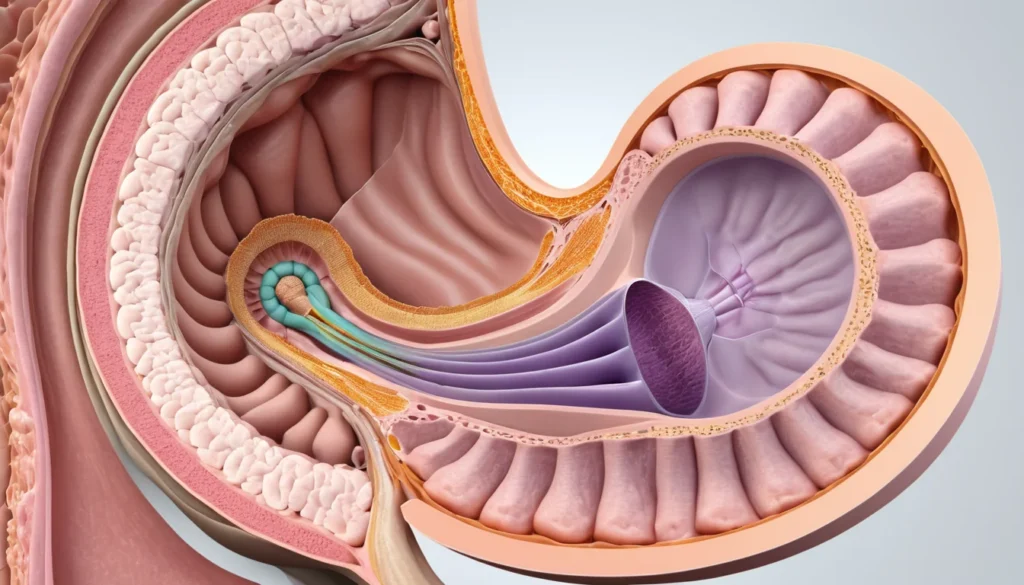
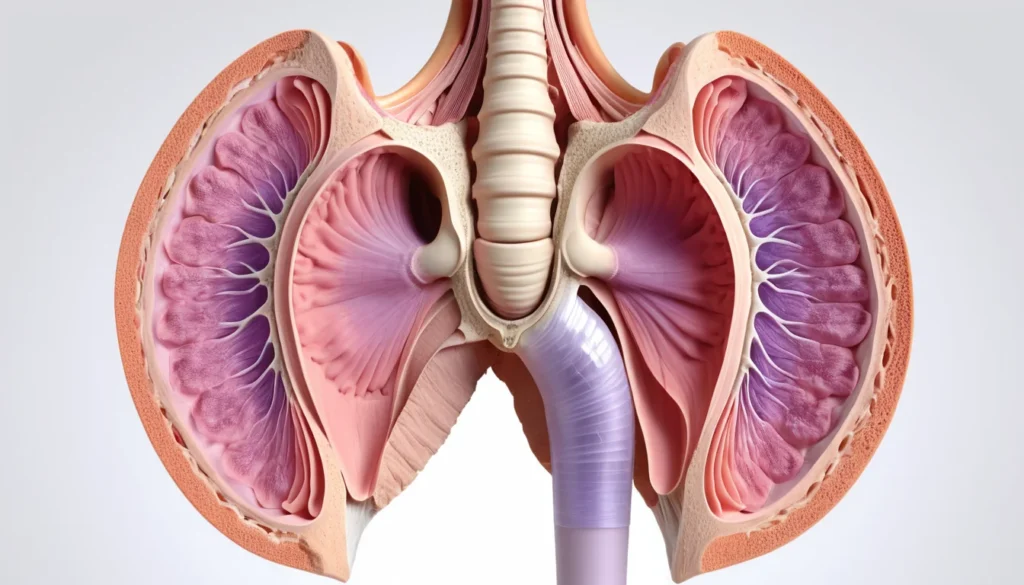
A pelvic exam allows your doctor to check the health of your reproductive organs. This includes the vagina, cervix, uterus, fallopian tubes, and ovaries. The exam can detect infections, abnormal growths, and other conditions early.
Even if you feel perfectly fine, a yearly pelvic exam is still recommended. Many conditions — including sexually transmitted infections (STIs) and early-stage cancers — cause no symptoms at all. Finding them early makes treatment far more effective.
What About the Pap Smear?
A Pap smear (also called a Pap test or cervical cytology test) collects a small sample of cells from your cervix. The lab then checks these cells for abnormal changes that could lead to cervical cancer. The test is quick and only takes a few minutes.
Studies confirm that most women diagnosed with cervical cancer had not had a Pap smear in five or more years. In many of those cases, the cancer was already at an advanced stage by the time it was found. Regular testing is one of the best ways to protect yourself. Learn more about Pap smears at the Mayo Clinic.
When Should You Get Tested for STIs?
STI testing is an important part of your overall gynaecological health. You should see a doctor if you notice any of the following symptoms:
Unusual or persistent vaginal discharge
Bleeding between your periods
Bleeding after sexual intercourse
Itching, burning, or pain in or around the vagina
Swelling or inflammation in the lower abdomen
These symptoms can point to a vaginal infection or an STI. Left untreated, some STIs can affect your fertility. Therefore, it is always better to get checked sooner rather than later.
What About HPV?
HPV (human papillomavirus) is the most common STI in Canada. A negative HPV test does not mean you can skip your annual gynaecological exam. With each new sexual partner, your risk of exposure to HPV increases by about 15%. As a result, having multiple partners raises your risk substantially.
Women living with HIV, or with any condition that affects the immune system, should have a Pap smear every year without exception. The World Health Organization explains the link between HPV and cervical cancer in detail.
Symptoms That Mean You Should Not Wait for Your Annual Exam
Your annual gynaecological exam is not the only reason to see a doctor. Certain symptoms need attention right away — do not wait until your next scheduled visit.
Book an appointment with your family doctor or walk-in clinic as soon as possible if you experience any of the following:
Pelvic pain or menstrual cramps so severe they disrupt your daily life — even for just a few days each month
Very heavy bleeding that requires changing a pad or tampon every two to three hours
Bleeding between periods
Any unusual discharge, itching, pain, or swelling in the vaginal area or lower abdomen
These signs can indicate conditions such as endometriosis, pelvic inflammatory disease (PID), or fertility problems. Furthermore, they may point to an infection that needs prompt treatment.
Other Reasons to See a Gynaecologist
You should also make an appointment if you are planning a pregnancy or think you may already be pregnant. Early prenatal care helps ensure a healthy pregnancy and a healthy baby.
In addition, book a visit if you have had an STI in the past, or if a current or recent partner has been diagnosed with one. You should also see a doctor if your mother or sister developed breast cancer before menopause — your family history matters.
Finally, see a doctor without delay if you notice any changes in your breasts. This includes lumps, hardened areas, skin changes, recently inverted nipples, unusual discharge from the nipple, changes in size or shape, pain, discomfort, or unusual tenderness.
How to Prepare for Your Gynaecological Exam and Pap Smear
A little preparation makes your exam more comfortable and your results more accurate. Try to schedule your appointment one to two weeks after your period ends. This timing gives your doctor the clearest possible sample.
Do not use vaginal douches or washes before your exam. They can irritate tissue and affect test results. Also, avoid sexual intercourse for at least 24 hours before your appointment.
What to Bring and What to Expect
Before your exam, write down the date of your last period. Also note any medications you take, past STIs or infections, and any symptoms you have been experiencing — no matter how minor they seem. Bringing written notes helps you remember everything when you are in the exam room.
Empty your bladder just before the exam to reduce discomfort during the pelvic portion. Your doctor or nurse will take your blood pressure and weight, and ask about your menstrual and sexual history. If it is your regular doctor, they may also order routine tests such as a urinalysis, cholesterol check, or blood sugar test as part of your overall health assessment.
During the pelvic exam, you will remove clothing from the waist down and lie on an exam table. A female nurse or medical assistant is usually present in the room, even if your doctor is male. This is standard practice and is there to make you feel at ease.
When to See a Doctor: Family Doctor or Walk-In Clinic?
For routine annual exams and Pap smears, your family doctor is usually the best starting point. They know your medical history and can refer you to a gynaecologist if needed. Most provincial health plans cover these preventive visits — so there is no reason to put them off.
However, if you develop sudden or severe symptoms and cannot reach your family doctor quickly, a walk-in clinic is a perfectly good option. Walk-in clinics across Canada can assess symptoms, order STI tests, and refer you onward if necessary.
As always, this article is for general information only. Please speak with your own doctor or a qualified healthcare provider for advice that fits your personal health situation.
Frequently Asked Questions
How often should I have a gynaecological exam in Canada?
Women aged 21 to 29 should have a gynaecological exam and Pap smear once a year. Women aged 30 to 64 can typically go every two years if previous results were normal. Your family doctor can help you decide the right schedule based on your personal health history.
At what age should a girl have her first gynaecological exam?
Most guidelines suggest a first gynaecological exam at age 18 or when a young woman becomes sexually active. However, girls can start seeing a doctor for informal health conversations between ages 13 and 15. These early visits focus on building trust and answering questions — not on performing a full internal exam.
Does a negative HPV test mean I can skip my annual gynaecological exam?
No — a negative HPV test does not replace your annual gynaecological exam. HPV risk increases with each new sexual partner, and a pelvic exam checks for many other conditions beyond HPV. Regular checkups remain important regardless of your HPV test result.
What symptoms should send me to a doctor before my scheduled exam?
See your family doctor or a walk-in clinic right away if you have severe pelvic pain, very heavy bleeding, bleeding between periods, or any unusual vaginal discharge, itching, or swelling. These symptoms can signal infections or conditions like endometriosis that need prompt care.
Is a Pap smear covered by provincial health plans in Canada?
In most Canadian provinces, routine Pap smears and pelvic exams are covered under provincial health insurance plans. Coverage details can vary by province, so check with your local health authority or family doctor to confirm what is included in your plan.
How should I prepare for a Pap smear and gynaecological exam?
Schedule your gynaecological exam one to two weeks after your period ends for the most accurate results. Avoid vaginal douches and sexual intercourse for at least 24 hours beforehand. Write down any symptoms, medications, and the date of your last period to share with your doctor during the visit.
Key Takeaways
Start gynaecological exams at age 18 or when you become sexually active — whichever comes first.
Women aged 21–29 should have an annual gynaecological exam and Pap smear; women aged 30–64 can go every two years if results are normal.
Teens aged 13–15 can begin informal visits with a doctor to ask questions and build a comfortable relationship with healthcare.
A negative HPV test does not replace your regular pelvic exam.
See a doctor right away — not at your next scheduled visit — if you have severe pain, heavy bleeding, unusual discharge, or other worrying symptoms.
Prepare for your exam by avoiding douching and intercourse 24 hours beforehand, and scheduling one to two weeks after your period.
Most provincial health plans cover routine gynaecological exams — talk to your family doctor or visit a walk-in clinic to get started.
Always consult your own healthcare provider for advice tailored to your personal health needs.