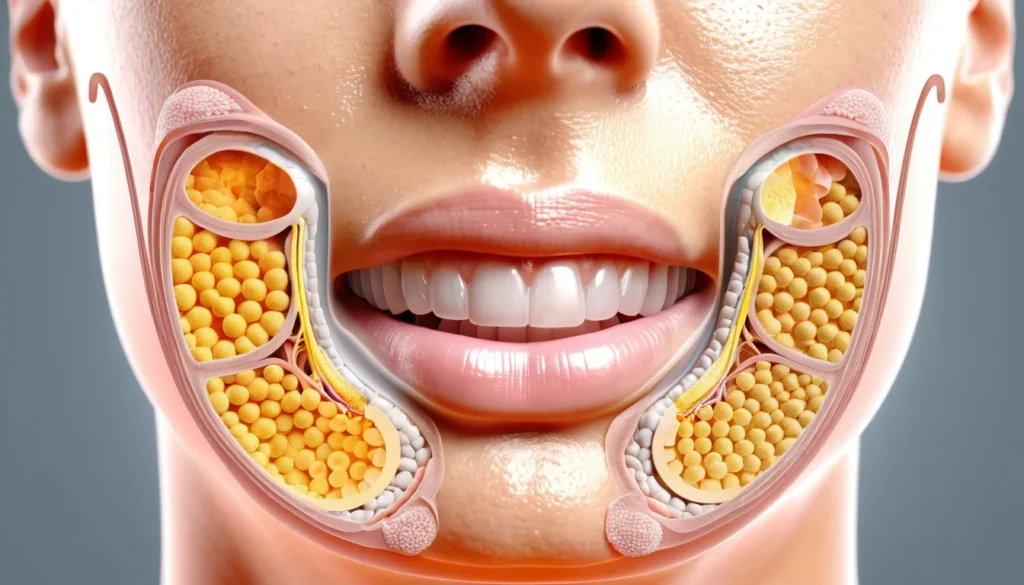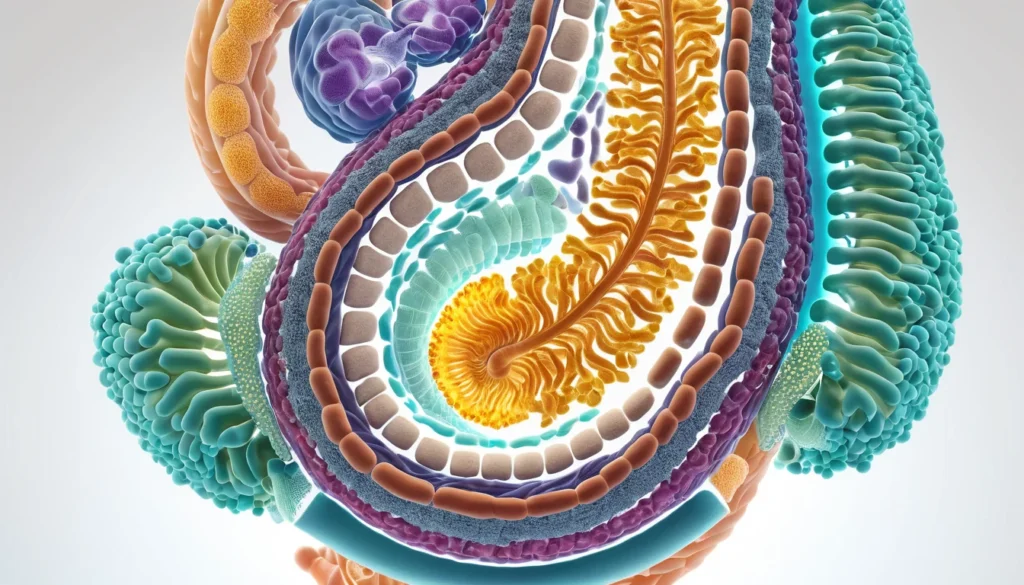
Your gut flora is a community of billions of bacteria and microorganisms living inside your intestines. These tiny organisms play a huge role in your digestion, immune system, and overall health. When something throws this balance off — like a course of antibiotics or a stomach infection — you may notice uncomfortable symptoms. This article explains what gut flora is, what disrupts it, and how to support it every day.
What Is Gut Flora?
Gut flora — also called the gut microbiome — refers to all the microorganisms that normally live in your intestines. This includes bacteria, fungi, and other microbes. Most of them are harmless or even helpful.
In fact, a healthy gut contains hundreds of different species of bacteria. They help break down food, produce certain vitamins, and protect against harmful invaders. Without a balanced gut flora, your digestive system simply cannot work at its best.
Scientists are still discovering just how important these microorganisms are. Research now links gut health to everything from mood and energy levels to immune function. For example, roughly 70% of your immune system lives in or near your gut.
How Gut Flora Keeps You Healthy
A balanced gut flora does far more than just help with digestion. It acts as a first line of defence against harmful bacteria and pathogens. When your gut microbiome is strong, it crowds out the bad guys.
Furthermore, gut bacteria help your body absorb nutrients from food. They break down dietary fibre into short-chain fatty acids, which feed the cells lining your intestines. This keeps your gut wall strong and prevents unwanted substances from leaking into your bloodstream.
Gut Flora and Your Immune System
Your immune system learns to tell friend from foe with help from gut bacteria. From early childhood, these microbes train immune cells to respond properly to threats. As a result, a disrupted gut microbiome has been linked to increased risk of allergies and autoimmune conditions.
In addition, gut flora produces compounds that reduce inflammation throughout the body. Chronic inflammation is at the root of many serious health conditions, including heart disease and type 2 diabetes. Keeping your gut bacteria balanced is therefore one of the most powerful things you can do for long-term health.
Gut Flora and Mental Health
The gut and brain are connected through what scientists call the gut-brain axis. Your gut bacteria actually produce neurotransmitters, including serotonin — a chemical closely tied to mood. However, more research is still needed to fully understand this connection.
Some early studies suggest that an imbalanced gut microbiome may be linked to anxiety and depression. This does not mean gut bacteria cause these conditions. However, it does highlight just how connected your whole body truly is. You can learn more through the World Health Organization’s resources on mental health.
What Disrupts Gut Flora?
Many everyday factors can throw your gut flora out of balance. Some of the most common culprits include antibiotics, poor diet, high stress, and certain infections. Understanding these triggers can help you protect your gut health.
Antibiotics and Gut Flora
Broad-spectrum antibiotics are one of the most significant disruptors of gut flora. These medications kill harmful bacteria, but they also wipe out many beneficial ones at the same time. This can cause an imbalance that leads to noticeable symptoms.
Common signs of antibiotic-related gut disruption include changes in stool odour, loose stools or mild diarrhea, and the overgrowth of fungi such as Candida. These symptoms usually appear during treatment and tend to resolve once the course of antibiotics is finished. However, it can take weeks or even months for gut flora to fully recover.
It is important to finish any antibiotic prescription as directed by your family doctor. Never stop antibiotics early without medical advice, even if symptoms improve. If you are concerned about digestive side effects, speak with your doctor or pharmacist about probiotic options.
Diet and Lifestyle Factors
A diet low in fibre and high in processed foods feeds the wrong kinds of bacteria. Over time, this can reduce the diversity of your gut microbiome. Less diversity generally means a weaker, less resilient gut flora.
High levels of stress also affect gut bacteria. The gut-brain connection means that chronic stress can change the composition of your microbiome. Therefore, managing stress is not just good for your mind — it is good for your gut too.
Other factors that can negatively affect gut flora include:
Excessive alcohol consumption
Lack of sleep
Smoking
Overuse of non-steroidal anti-inflammatory drugs (NSAIDs) like ibuprofen
Highly processed, low-fibre diets
Intestinal Infections and Gut Flora
An intestinal infection — caused by harmful bacteria, viruses, or parasites — can also severely disrupt gut flora. Pathogens like Salmonella or E. coli overwhelm the beneficial microbes. As a result, your gut’s natural defence system is temporarily compromised.
Some harmful bacteria release toxins that damage the intestinal lining. This condition, known as a toxin-related intestinal infection, can cause cramping, diarrhea, and nausea. In most cases, your gut flora gradually restores itself after the infection clears, but recovery takes time.
You can find detailed information about foodborne illness and intestinal infections through Health Canada’s food safety resources.
How to Support and Restore Gut Flora
The good news is that gut flora is resilient. With the right habits, you can support a healthy balance of intestinal bacteria and help your microbiome recover after a disruption.
Eat More Fibre-Rich Foods
Dietary fibre is the main fuel source for beneficial gut bacteria. Eating a wide variety of high-fibre foods helps nurture a diverse microbiome. Aim to include fruits, vegetables, legumes, and whole grains in your daily meals.
Good Canadian choices include oats, lentils, chickpeas, berries, apples, and whole wheat bread. These foods provide prebiotics — a type of fibre that specifically feeds helpful bacteria. Furthermore, eating a rainbow of colourful vegetables ensures a broader range of nutrients and plant compounds.
Include Probiotic Foods
Probiotics are live bacteria found naturally in certain fermented foods. Adding them to your diet can help replenish gut flora, especially after antibiotics. Common probiotic-rich foods include:
Plain yogurt with live active cultures
Kefir (a fermented milk drink)
Sauerkraut (unpasteurised)
Kimchi
Miso
Tempeh
Probiotic supplements are also widely available at Canadian pharmacies. However, not all products are equal. Ask your pharmacist or family doctor which strains are best for your specific needs.
Stay Hydrated and Manage Stress
Drinking enough water supports the mucosal lining of your intestines, which helps good bacteria thrive. Most adults need about 8 cups (2 litres) of water per day, though individual needs vary. Staying hydrated also helps prevent constipation, which can further disrupt gut balance.
Managing stress through regular physical activity, adequate sleep, and mindfulness practices can also have a positive effect on your gut microbiome. Even a 30-minute walk each day supports both mental and digestive health. The science behind gut health and lifestyle choices continues to grow rapidly.
When to See a Doctor
Many cases of gut flora disruption resolve on their own with time and healthy habits. However, some symptoms should prompt a visit to your family doctor or a walk-in clinic. Do not ignore signs that your body needs professional support.
You should seek medical attention if you experience:
Diarrhea lasting more than two days, or that contains blood
Severe abdominal pain or cramping
Signs of dehydration, such as dizziness or dark urine
Recurring digestive problems that don’t improve
Symptoms after returning from international travel
Unexplained weight loss alongside digestive changes
If you have recently taken antibiotics and your symptoms have not improved within a week or two of finishing the course, speak with your family doctor. In Canada, you can also visit a walk-in clinic if your regular doctor is unavailable. Most provincial health plans cover these visits, so do not hesitate to reach out.
Always consult a qualified healthcare professional before starting any new supplement or making major changes to your diet, especially if you have an existing health condition.
Frequently Asked Questions About Gut Flora
What is gut flora and why is it important?
Gut flora refers to the trillions of microorganisms — mainly bacteria — that live in your intestines. A healthy gut flora supports digestion, boosts immunity, and even influences mood. Without a proper balance, you may experience digestive issues and a weakened immune response.
Can antibiotics damage your gut flora?
Yes, broad-spectrum antibiotics can significantly disrupt gut flora by killing both harmful and beneficial bacteria. This often leads to temporary symptoms like diarrhea, changes in stool odour, or a fungal overgrowth. In most cases, gut flora gradually recovers after the antibiotic course ends.
How long does it take for gut flora to recover after antibiotics?
Recovery time varies, but gut flora can take anywhere from a few weeks to several months to return to its previous state. Eating fibre-rich foods and probiotic foods can help speed up the process. If symptoms persist beyond a couple of weeks after finishing antibiotics, speak with your family doctor.
What foods help restore gut flora naturally?
Foods rich in fibre and probiotics are the best choices for restoring gut flora. These include yogurt with live cultures, kefir, sauerkraut, kimchi, lentils, oats, and colourful vegetables. A diverse, plant-forward diet is one of the most effective ways to nourish your gut microbiome.
Can stress affect gut flora?
Yes, chronic stress can negatively change the composition of your gut flora through the gut-brain axis. High stress levels may reduce the number of beneficial bacteria and increase harmful ones. Managing stress through exercise, sleep, and relaxation techniques can help protect your gut microbiome.
Are probiotic supplements worth taking in Canada?
Probiotic supplements can be helpful, especially after a course of antibiotics or during a gut flora imbalance. They are widely available at Canadian pharmacies without a prescription. However, it is best to speak with your family doctor or pharmacist to choose the right strain and dosage for your specific situation.
Key Takeaways
Gut flora is the community of microorganisms living in your intestines that supports digestion, immunity, and overall health.
Broad-spectrum antibiotics can disrupt gut flora, causing temporary symptoms like diarrhea and fungal overgrowth — most resolve after treatment ends.
Intestinal infections can also overwhelm beneficial bacteria and temporarily impair gut balance.
A diet rich in fibre and fermented foods is one of the best ways to support and restore a healthy gut microbiome.
Stress, poor sleep, alcohol, and processed foods all negatively affect gut flora over time.
Most provincial health plans in Canada cover family doctor and walk-in clinic visits — don’t hesitate to seek help if symptoms persist.
Always speak with a healthcare professional before starting probiotics or making significant dietary changes.