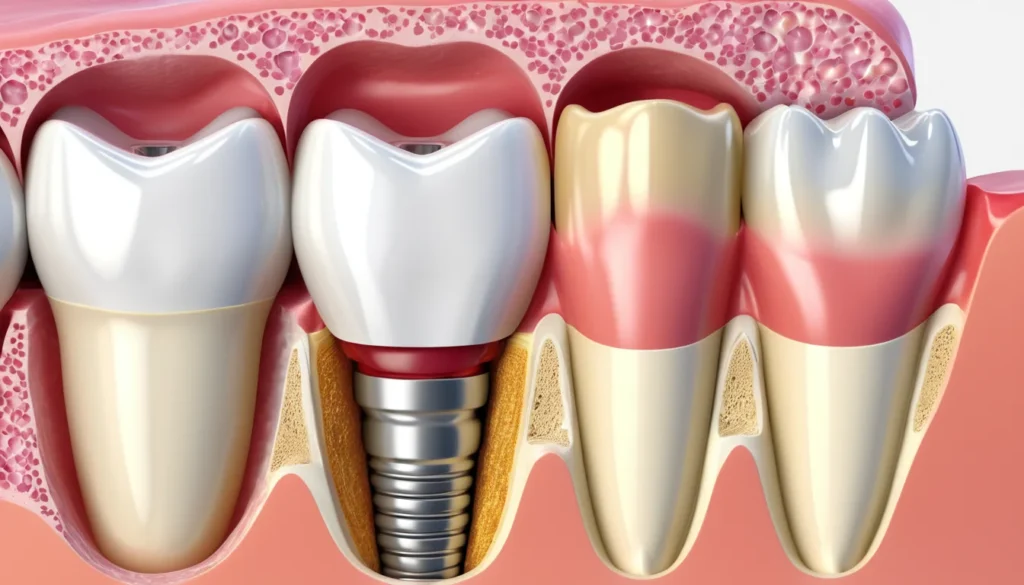
Gum disease is one of the most common oral health conditions in the world, affecting up to 50% of the global population. It ranges from mild gum inflammation to serious infection that can destroy the bone supporting your teeth. The good news is that gum disease is largely preventable — and treatable when caught early. This article explains what to watch for, what causes it, and how to protect your oral health.
What Is Gum Disease?
Gum disease is an infection of the tissues that hold your teeth in place. It is caused by a buildup of plaque — a sticky film of bacteria that forms on your teeth every day. If plaque is not removed through regular brushing and flossing, it hardens into tartar and irritates the gums.
There are two main stages of gum disease. The first is gingivitis, which is the milder, reversible form. The second is periodontitis (sometimes called periodontal disease or pyorrhea), which is more advanced and can cause lasting damage. According to the World Health Organization’s oral health fact sheet, severe periodontal disease is the 11th most common disease worldwide.
Understanding the difference between these two stages is important. Gingivitis does not cause bone loss. Periodontitis does — and that damage cannot be fully reversed. This is why early detection matters so much.
Signs and Symptoms of Gum Disease
Gum disease can be easy to miss at first. The early symptoms are often mild and come and go. Many Canadians ignore them or assume bleeding gums are normal. They are not.
Signs of Gingivitis
Gingivitis is the body’s first warning that something is wrong. Watch for these signs during your daily brushing routine:
Bleeding gums when you brush or floss
Red, swollen, or puffy gums (healthy gums should be pink and firm)
Gums that feel itchy or tender
Gums that are pulling away from your teeth (receding gums)
Persistent bad breath (halitosis)
Mild discomfort when chewing
These symptoms are often well-tolerated, which leads many people to delay seeing a dentist. However, waiting too long allows gingivitis to advance into the more serious stage of gum disease.
Signs of Periodontitis
When gum disease progresses beyond gingivitis, the symptoms become harder to ignore. Periodontitis attacks the bone and ligaments that anchor your teeth. Signs include:
Noticeably swollen or bleeding gums
Deep red or purple colouring of the gum tissue
Pain when chewing
Pus between the teeth and gums
Loose or shifting teeth
Growing gaps between teeth
Significant gum recession (roots become visible)
Ongoing bad breath that does not improve with brushing
Periodontitis is the leading cause of tooth loss in adults worldwide. If you notice any of these symptoms, do not wait. See a dental professional as soon as possible.
What Causes Gum Disease?
The root cause of gum disease is bacterial plaque. Plaque forms naturally on your teeth throughout the day. When it is not removed consistently, the bacteria irritate and infect the surrounding gum tissue.
However, several factors can increase your risk of developing gum disease. Understanding these risk factors helps you take better control of your oral health.
Common Risk Factors
Smoking or tobacco use: Research shows that smokers are up to seven times more likely to develop gum disease than non-smokers. Smoking also makes treatment less effective.
Poor oral hygiene: Infrequent brushing and skipping flossing allows plaque to build up quickly.
Hormonal changes: Puberty, pregnancy, and menopause can all make gums more sensitive and vulnerable to infection.
Chronic stress: Stress lowers your immune response, making it harder for your body to fight off infection.
Chronic health conditions: Diabetes, rheumatoid arthritis, Crohn’s disease, HIV, and certain cancers can all impair your body’s ability to fight gum infection.
Vitamin C deficiency: Low levels of vitamin C weaken gum tissue and slow healing.
Genetics: Some people are simply more prone to gum disease due to their genetic makeup.
Certain medications: Some drugs reduce saliva flow or cause gum changes as a side effect.
Obesity: Excess body weight is linked to higher levels of inflammation throughout the body, including the gums.
Poorly fitted dental work: Ill-fitting fillings or crowns can trap bacteria and irritate gum tissue.
As noted by the Mayo Clinic’s overview of periodontitis, the combination of poor oral hygiene and risk factors like smoking or diabetes significantly increases your chances of developing severe gum disease.
How to Prevent Gum Disease
The best news about gum disease is that it is largely preventable. A consistent daily routine and regular dental visits go a long way toward keeping your gums healthy.
Daily Home Care
Your at-home routine is the foundation of good oral health. Follow these evidence-based habits every day:
Brush twice daily — morning and evening — for at least two minutes each time. Use a soft-bristled toothbrush and fluoride toothpaste.
Floss once a day to remove plaque and food particles from between your teeth where your brush cannot reach. Interdental brushes are a great alternative if regular floss is difficult to use.
Consider a water flosser (oral irrigator) for a deeper clean, especially around the gumline.
Replace your toothbrush every three months, or right after recovering from a cold or viral infection.
Eat a balanced diet rich in vegetables and fruits, and limit sugary foods and drinks. Fibre-rich foods help naturally clean your teeth and gums.
Quit smoking. This single change dramatically reduces your risk of gum disease and improves your body’s ability to heal.
Professional Dental Care
Home care alone is not enough. Professional cleanings remove hardened tartar that brushing cannot touch.
Visit your dentist for a professional cleaning every six months, or more often if recommended. This includes ultrasonic scaling and polishing to remove plaque and tartar buildup.
Get regular dental exams, including X-rays when needed. These help your dentist monitor the health of your bone and soft tissue before problems become serious.
Treat cavities and poorly fitted fillings promptly. Sharp edges on damaged teeth can irritate and inflame nearby gum tissue.
How Is Gum Disease Treated?
Treatment for gum disease depends on how far it has progressed. In all cases, the main goal is to remove the bacterial plaque and tartar driving the infection.
For gingivitis, a professional cleaning combined with improved home care is usually enough to reverse the condition. Gingivitis is fully reversible at this stage — no bone loss has occurred yet, and the gums can return to full health.
For periodontitis, treatment is more involved. A dentist or periodontist (a gum specialist) may recommend:
Deep cleaning (scaling and root planing): A thorough cleaning below the gumline to remove tartar from the roots of the teeth.
Antibiotics: Applied locally or taken orally to control bacterial infection.
Surgical procedures: In advanced cases, surgery may be needed to reduce deep gum pockets or repair lost bone.
The sooner treatment begins, the better the outcome. Healthline’s guide to periodontitis treatment offers a helpful overview of what to expect at each stage of care.
When to See a Doctor or Dentist
If you notice any signs of gum disease — bleeding when you brush, red or swollen gums, persistent bad breath, or loose teeth — book an appointment with your dentist right away. Do not wait for the next routine checkup.
If you do not have a regular dentist, your family doctor can refer you to one through your provincial health plan. Walk-in medical clinics can also point you in the right direction and help rule out other health conditions that may be affecting your gum health, such as unmanaged diabetes.
Many provinces offer dental coverage for low-income adults and families through provincial programmes. The federal Canadian Dental Care Plan also provides coverage for eligible Canadians. Ask your family doctor or local health unit about what you may qualify for in your province.
As always, this article is for general information only. Please consult your dentist or family doctor for advice tailored to your personal health situation.
Frequently Asked Questions About Gum Disease
Is bleeding when I brush my teeth a sign of gum disease?
Yes, bleeding gums are one of the earliest and most common signs of gum disease. Healthy gums should not bleed during regular brushing or flossing. If you notice bleeding regularly, book an appointment with your dentist to have your gums assessed.
Can gum disease be reversed?
Gingivitis, the early stage of gum disease, is fully reversible with professional cleaning and improved daily oral hygiene. However, once gum disease advances to periodontitis and bone loss has occurred, the damage cannot be completely reversed — though treatment can stop it from getting worse.
How often should I see a dentist to prevent gum disease?
Most dental professionals recommend a professional cleaning and check-up every six months to prevent gum disease. If you have risk factors like diabetes, smoking, or a history of periodontal problems, your dentist may recommend more frequent visits.
Can gum disease affect my overall health?
Yes. Research links gum disease to a number of serious health conditions, including heart disease, diabetes complications, and respiratory infections. The bacteria involved in gum disease can enter the bloodstream and trigger inflammation in other parts of the body. Treating gum disease is an important part of protecting your overall health.
Does smoking cause gum disease?
Smoking is one of the strongest risk factors for gum disease. Smokers are up to seven times more likely to develop gum disease than non-smokers. Tobacco use reduces blood flow to the gums, weakens the immune response, and makes it harder for gum tissue to heal after treatment.
Is gum disease covered by provincial health plans in Canada?
Most routine dental care, including gum disease treatment, is not covered by provincial health insurance plans in Canada. However, the federal Canadian Dental Care Plan provides coverage for eligible Canadians, including lower-income adults and families. Check with your provincial health authority or family doctor to find out what dental programmes you may qualify for.
Key Takeaways
Gum disease affects up to half of the world’s population and is the leading cause of tooth loss in adults.
It has two main stages: gingivitis (mild and reversible) and periodontitis (advanced and harder to treat).
Early warning signs include bleeding gums, redness, swelling, bad breath, and gum recession.
The main cause is bacterial plaque. Risk factors include smoking, poor diet, stress, diabetes, and genetics.
Gum disease is largely preventable with twice-daily brushing, daily flossing, and a professional cleaning every six months.
If you notice any symptoms, see your dentist promptly. Early treatment produces the best results.
If you lack dental coverage, ask your family doctor or walk-in clinic about provincial and federal dental programmes available to you.