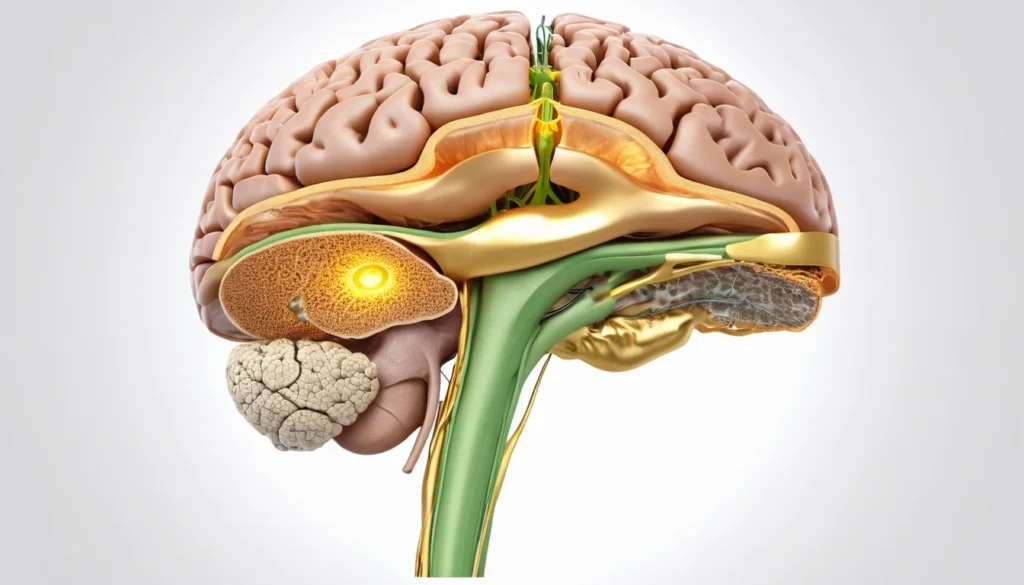
Growth hormone is a chemical messenger made by your brain that controls how your body grows, burns fat, builds muscle, and manages blood sugar. When levels are too low or too high, it can cause serious health problems — from stunted growth in children to bone changes in adults. This article explains what growth hormone does, what can go wrong, and when to speak with your family doctor or visit a walk-in clinic.
What Is Growth Hormone?
Growth hormone (also called GH, HGH, or somatotropin) is produced by a small gland at the base of your brain called the pituitary gland. It plays a key role in how your body grows and repairs itself throughout your entire life.
In children, growth hormone is responsible for increasing height and building strong bones. In adults, it continues to regulate metabolism, body fat, muscle mass, and bone density. Therefore, this hormone matters at every stage of life — not just during childhood.
The pituitary gland releases growth hormone in short bursts, mostly during deep sleep. This is one reason why good quality sleep is so important for children who are still growing.
How the Pituitary Gland Controls Growth Hormone
The pituitary gland does not work alone. A neighbouring part of the brain called the hypothalamus sends signals that tell the pituitary gland when to release growth hormone. Think of the hypothalamus as the manager and the pituitary as the worker carrying out the instructions.
These two glands work together in a careful feedback loop. When growth hormone levels in the blood rise too high, the hypothalamus sends a “stop” signal. When levels drop too low, it sends a “go” signal. However, disease or tumours can disrupt this system.
What Does Growth Hormone Do in the Body?
Growth hormone has several important jobs beyond just making children taller. It affects nearly every tissue and organ in the body. For example, it helps your liver produce another hormone called IGF-1 (insulin-like growth factor 1), which carries out many of growth hormone’s effects directly in your tissues.
Here is a summary of growth hormone’s main roles:
Bone growth: It stimulates the growth plates in children’s long bones, such as the legs and arms, causing an increase in height.
Muscle development: It helps build and maintain lean muscle tissue throughout life.
Fat metabolism: It encourages your body to burn stored fat for energy instead of storing it.
Blood sugar regulation: It works alongside insulin to keep blood sugar levels balanced.
Protein synthesis: It helps your body use protein to repair and build tissues after injury or exercise.
Bone density: In adults, it helps maintain strong, dense bones and reduces the risk of fractures.
In addition, growth hormone supports your immune system and plays a role in heart health. Low levels in adults have been linked to increased cardiovascular risk. As a result, maintaining balanced growth hormone levels matters well beyond your teenage years.
Growth Hormone Deficiency: When Levels Are Too Low
Growth hormone deficiency occurs when the pituitary gland does not produce enough of this hormone. It can affect both children and adults, but the symptoms look very different depending on your age.
Growth Hormone Deficiency in Children
In children, the most noticeable sign of growth hormone deficiency is being significantly shorter than other kids the same age. However, children with this condition are usually well-proportioned — they are small but not unusually shaped.
Other signs in children may include:
Slower than normal growth rate (less than 5 centimetres per year)
Delayed puberty
Increased body fat, especially around the belly
Younger-looking face compared to peers
Low blood sugar levels (hypoglycaemia) in infants
In Canada, children with suspected growth disorders are typically referred by their family doctor to a paediatric endocrinologist — a specialist in hormone conditions in children. Provincial health plans generally cover this type of specialist visit when referred through your family doctor.
Growth Hormone Deficiency in Adults
Adults can also develop growth hormone deficiency, often as a result of pituitary gland damage, a tumour, radiation therapy, or head injury. The condition is sometimes overlooked because its symptoms are easy to confuse with normal ageing or other health issues.
Common symptoms in adults include:
Loss of bone density, leading to a higher fracture risk
Increased body fat, especially around the waist
Reduced muscle strength and stamina
Fatigue and low energy levels
Changes in mood, such as anxiety or depression
Higher cholesterol levels and increased cardiovascular risk
Furthermore, adults with untreated growth hormone deficiency may experience a reduced quality of life. If you notice several of these symptoms together, it is worth discussing them with your family doctor. Blood tests and imaging can help confirm a diagnosis.
For more information on hormone conditions, visit Health Canada’s official health information resource.
Treating Growth Hormone Deficiency
The good news is that growth hormone deficiency is a treatable condition. Doctors can prescribe synthetic growth hormone — a laboratory-made version of the hormone — to replace what the body is not producing on its own.
Treatment is given as a daily injection, usually self-administered at home after training from a healthcare provider. In children, treatment continues until they reach their full adult height. In adults, treatment may be ongoing to maintain bone density, muscle mass, and overall wellbeing.
Is Synthetic Growth Hormone Safe?
When prescribed by a doctor and used correctly, synthetic growth hormone is generally considered safe. However, like all medications, it can have side effects. These may include fluid retention, joint pain, headaches, and, in rare cases, increased blood sugar levels.
It is important to note that growth hormone therapy is only appropriate for people with a confirmed medical deficiency. Using growth hormone for performance enhancement or anti-ageing — without a diagnosed deficiency — is not medically recommended and can cause harm. In Canada, growth hormone is a controlled substance and requires a valid prescription.
According to the Mayo Clinic’s overview of growth hormone deficiency, careful monitoring by a specialist is essential throughout treatment to adjust dosing and watch for complications.
When Growth Hormone Levels Are Too High
Just as low levels cause problems, too much growth hormone is also harmful. Excess growth hormone is usually caused by a benign (non-cancerous) tumour on the pituitary gland called an adenoma. This tumour causes the gland to over-produce growth hormone continuously.
Gigantism in Children
When a pituitary adenoma develops in a child whose bones are still growing, the result is a condition called gigantism. Children with gigantism grow extremely tall — sometimes reaching heights of over 2 metres — because the growth plates in their bones have not yet closed.
Gigantism is rare. However, early diagnosis and treatment are critical to prevent serious complications, including joint damage and cardiovascular problems. Treatment usually involves surgery to remove the tumour or medication to reduce growth hormone production.
Acromegaly in Adults
In adults, excess growth hormone causes a different condition called acromegaly. Because adult bones can no longer grow longer, they instead grow wider and thicker — particularly in the face, hands, and feet.
Signs of acromegaly include:
Enlarged hands and feet — rings and shoes may no longer fit
Coarsened facial features, with a larger nose, lips, and forehead
Increased spacing between teeth
Joint pain and reduced mobility
Excessive sweating and oily skin
Sleep apnea (interrupted breathing during sleep)
Headaches and vision problems
Acromegaly develops slowly, so many people live with it for years before receiving a diagnosis. As a result, it is sometimes discovered only when a doctor notices physical changes during a routine exam. If you or someone you know notices these changes, it is important to seek medical advice promptly.
You can learn more about this condition through Healthline’s detailed guide to acromegaly.
Diagnosing Growth Hormone Problems
Diagnosing a growth hormone disorder requires more than a single blood test. Growth hormone levels naturally rise and fall throughout the day, so a standard blood draw can miss a problem. Instead, doctors use specialised tests to get an accurate picture.
Common diagnostic tools include:
IGF-1 blood test: This measures insulin-like growth factor 1, which stays at a more stable level and reflects average growth hormone activity over time.
Growth hormone stimulation test: A substance is given to trigger growth hormone release, and blood is drawn at intervals to see how the gland responds. This test checks for deficiency.
Growth hormone suppression test: A glucose drink is given to see if it suppresses growth hormone properly. This test checks for excess production (used to diagnose acromegaly).
MRI of the brain: This imaging scan can detect a pituitary tumour or other structural problem.
Bone age X-ray: In children, this compares a child’s bone development to typical growth patterns for their age.
Your family doctor may order initial bloodwork and, if needed, refer you to an endocrinologist — a hormone specialist — for further investigation. In most Canadian provinces, specialist referrals are covered under your provincial health plan.
When to See a Doctor
You should speak with your family doctor if you or your child shows any signs of a possible growth hormone problem. Early diagnosis leads to better outcomes and can prevent long-term complications.
Book an appointment with your family doctor if you notice:
A child who is significantly shorter than classmates and growing very slowly
A child showing delayed puberty or development
An adult with unexplained bone loss, fatigue, weight gain around the belly, or mood changes
Gradual changes in the size or appearance of hands, feet, or facial features
New headaches or vision changes alongside any of the above
If you do not have a family doctor, a walk-in clinic can order initial blood tests and refer you to a specialist if needed. Do not wait to seek help — hormone conditions respond well to treatment when caught early.
Always speak with a qualified healthcare provider before drawing conclusions about your hormone health. This article is for general information only and is not a substitute for professional medical advice.
Frequently Asked Questions About Growth Hormone
What is growth hormone and what does it do?
Growth hormone is a hormone produced by the pituitary gland at the base of the brain. It controls bone growth in children, and in both children and adults it regulates muscle mass, body fat, blood sugar, and bone density. It is essential for healthy development and metabolism throughout life.
What are the signs of growth hormone deficiency in children?
The most common sign of growth hormone deficiency in children is being noticeably shorter than other children the same age, with a slow growth rate of less than 5 centimetres per year. Children may also have increased belly fat, a younger-looking face, and delayed puberty. A paediatric endocrinologist can confirm the diagnosis with blood tests and imaging.
Can adults have growth hormone deficiency?
Yes, adults can develop growth hormone deficiency, often due to a pituitary tumour, head injury, or radiation treatment. Symptoms include bone loss, increased body fat, fatigue, reduced muscle mass, and mood changes. Treatment with synthetic growth hormone, prescribed by a doctor, can help manage these symptoms effectively.
What happens when growth hormone levels are too high?
Too much growth hormone, usually caused by a benign pituitary tumour, leads to gigantism in children and acromegaly in adults. Acromegaly causes the bones in the hands, feet, and face to grow wider, resulting in enlarged features and joint problems. Both conditions require medical treatment, often including surgery or medication.
Is HGH therapy available in Canada?
Yes, synthetic growth hormone therapy is available in Canada by prescription for people with a confirmed medical deficiency. It is regulated as a controlled substance and must be prescribed and monitored by a physician. Provincial health plans may cover the cost when medically necessary — check with your provincial health authority for details.
How is a growth hormone disorder diagnosed?
Doctors typically use an IGF-1 blood test as a first step, since growth hormone itself fluctuates throughout the day and is harder to measure accurately. Stimulation or suppression tests may follow, along with an MRI scan to look for pituitary tumours. Your family doctor can start the process and refer you to an endocrinologist if needed.
Key Takeaways
Growth hormone is produced by the pituitary gland and is essential for bone growth, muscle maintenance, fat metabolism, and overall health at every age. A deficiency in growth hormone causes short stature and slow growth in children, and bone loss, fatigue, and metabolic changes in adults. Excess growth hormone — usually from a pituitary tumour — causes gigantism in children and acromegaly in adults.