The grapefruit diet is a simple eating plan that claims to help your body burn fat more efficiently. It centres on eating half a grapefruit — or drinking fresh grapefruit juice — before every meal. Supporters say this habit can help lower cholesterol, reduce body fat, and support a healthier lifestyle overall. In this article, we break down how the grapefruit diet works, what you eat, and what you should know before trying it.
What Is the Grapefruit Diet?
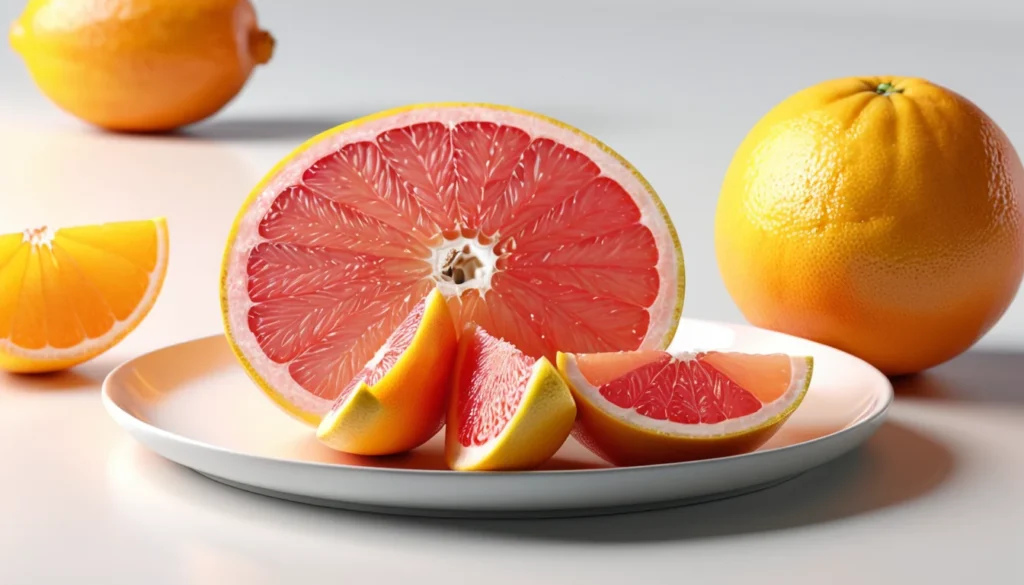
The grapefruit diet has been around since the 1930s. It is sometimes called the “Hollywood Diet.” The idea is straightforward: eat grapefruit with every meal to help your body process fat more efficiently.
Grapefruit contains beta-carotene, a powerful antioxidant. Research reviewed by Healthline suggests that grapefruit may support weight management and help balance cholesterol levels in the body. However, it is not a magic solution on its own.
One appealing feature of this diet is that it does not ask you to give up entire food groups. You can still eat meat, vegetables, and cooked foods. This approach helps reduce the stress that often comes with strict elimination diets.
How Does the Grapefruit Diet Work?
The plan runs for 12 days, followed by a 2-day break. After the break, you can repeat the cycle. Most people begin to notice changes within the first two weeks.
The core rule is simple: eat half a grapefruit or drink one glass of freshly squeezed grapefruit juice before or with each meal. The fibre and natural compounds in grapefruit are believed to help your body use insulin more effectively. Better insulin response may help your body store less fat.
According to the Mayo Clinic, no single food can burn fat on its own. However, adding grapefruit to a balanced meal plan may offer real benefits as part of a healthy eating programme.
Key Rules of the Grapefruit Diet
Before you start the grapefruit diet, it helps to understand the basic guidelines. These rules are designed to make the plan simple and manageable for everyday life.
Stay Well Hydrated
Drink 8 glasses of water every day, which adds up to about 2 litres. Staying hydrated supports digestion and helps your body flush out waste. This is good advice for any healthy eating plan, not just this one.
Eat Until You Feel Full
You do not need to count calories or measure every portion. Eat until you feel satisfied, and do not skip anything from the meal plan. This makes the grapefruit diet easier to follow over time compared to very restrictive plans.
Keep the Grapefruit Consistent
Do not reduce or replace the grapefruit portion. Whether you choose the fruit or fresh juice, keep it consistent at every meal. The grapefruit is the foundation of this programme, so it should not be skipped.
Limit Certain Foods
Try to cut back on coffee, white vegetables, and potatoes. Desserts are also best avoided during the 12-day cycle. These foods can interfere with your progress and add unnecessary sugar or starch to your meals.
Butter and Meat Are Allowed
Foods cooked in butter are permitted on this plan. There are also no strict limits on meat consumption. This flexibility is one reason many people find the grapefruit diet easier to stick with than other plans.
If You Drink Juice, Keep It Unsweetened
Fresh grapefruit juice is a perfectly fine substitute for the whole fruit. However, do not add sugar or sweeteners to it. Adding sugar reduces the health benefits and adds empty calories to your meal.
Sample Grapefruit Diet Meal Plan
Here is a simple example of what a typical day on the grapefruit diet might look like. You can adjust portions based on your hunger levels.
Breakfast
Start your morning with half a grapefruit or a glass of fresh grapefruit juice. Pair this with 2 eggs cooked any way you like, along with 2 strips of bacon. This gives you a protein-rich start to the day.
Lunch
Again, begin with half a grapefruit or grapefruit juice. Add a simple salad with no dressing, or use a low-carbohydrate salad dressing in small amounts. Include a portion of meat prepared however you prefer.
Dinner
Have your grapefruit portion first. Then enjoy fish or beef, cooked to your liking. Add a side of sautéed vegetables and a fresh salad. Good salad combinations include spinach with celery and shrimp, or chicken with red onion and avocado.
Before Bed
A small snack before sleep is encouraged. Choose a cup of skim milk or a glass of tomato juice. This keeps hunger at bay overnight without adding heavy calories.
Foods to Eat and Foods to Avoid
Knowing which foods support the grapefruit diet — and which ones work against it — makes the plan much easier to follow.
Recommended Foods
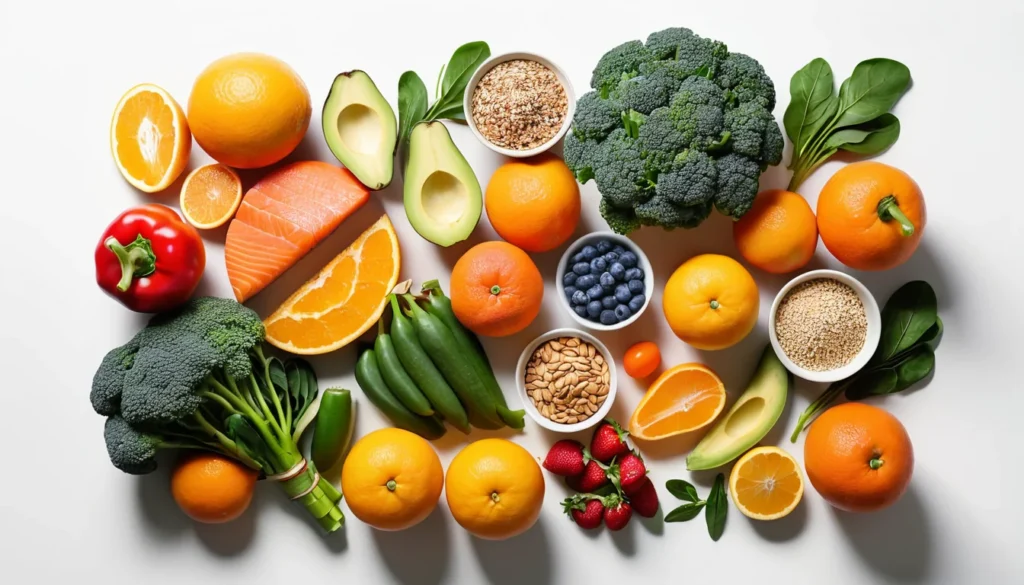
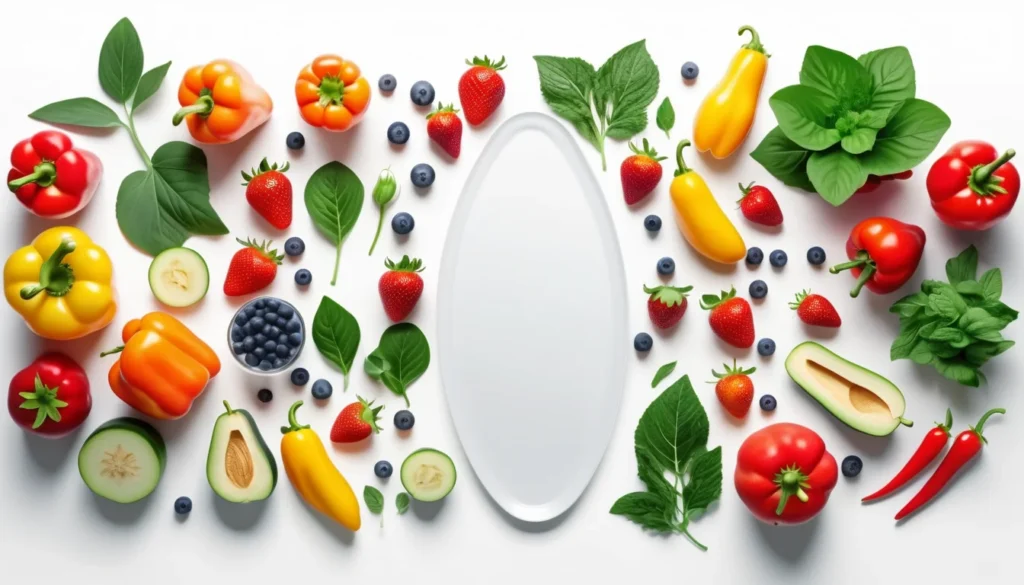
Red onion — adds flavour and contains antioxidants
Roasted red peppers — a colourful, nutrient-dense vegetable
Broccoli — high in fibre and vitamins
Low-carbohydrate cereals — in moderate amounts
Light salad dressings — small portions only
Lean meats and fish — no restrictions on preparation style
Foods to Avoid
Mayonnaise — high in fat and calories
Hot peppers — may interfere with digestion for some people
White onion — less recommended than red onion on this plan
Cucumbers — listed as a food to limit on this diet
All types of cheese — avoided during the active 12-day cycle
Bread — including white and whole wheat during the plan
Pickled foods — high in sodium and may cause bloating
Dill — traditionally excluded from this eating plan
Potential Benefits of Grapefruit for Your Health
Beyond weight management, grapefruit offers several well-studied health benefits. Health Canada recommends including fruits and vegetables as a central part of any healthy eating pattern. Grapefruit fits well into that guidance.
Grapefruit is high in vitamin C, which supports your immune system. It also contains fibre, which supports healthy digestion and helps you feel full longer. Furthermore, some studies suggest grapefruit may help support healthy blood pressure levels.
The beta-carotene in grapefruit acts as an antioxidant in the body. Antioxidants help protect your cells from damage caused by everyday stress and environmental factors. As a result, eating grapefruit regularly may support long-term health, not just short-term weight goals.
Important Cautions About the Grapefruit Diet
The grapefruit diet is not suitable for everyone. Grapefruit can interact with certain prescription medications, including some cholesterol-lowering drugs, blood pressure medications, and immunosuppressants. This interaction can cause the medication to work too strongly or not strongly enough.
If you take any regular medications, speak with your pharmacist or family doctor before adding grapefruit or grapefruit juice to your daily routine. This is especially important for older Canadians who may be managing multiple health conditions.
In addition, this plan includes bacon and butter, which are high in saturated fat. Canadians with heart disease, high cholesterol, or diabetes should approach this plan with caution and professional guidance.
When to See a Doctor
Before starting any new diet plan, including the grapefruit diet, it is always a good idea to check with a healthcare professional. Your family doctor can review your health history and let you know if this eating plan is appropriate for you.
If you do not have a family doctor, your local walk-in clinic is a great resource. Many provinces also offer nurse practitioner-led clinics and telehealth services that can provide quick, accessible guidance. In Ontario, for example, you can call Health811 to speak with a registered nurse at no cost.
A registered dietitian can also help you build a meal plan that meets your personal health goals. Your provincial health plan may cover dietitian visits — check with your provider to find out what is available in your area.
Frequently Asked Questions About the Grapefruit Diet
Does the grapefruit diet actually work for weight loss?
The grapefruit diet can support weight loss when followed consistently, mainly because it encourages mindful eating and includes fibre-rich, low-calorie fruit at every meal. However, no single food causes weight loss on its own. The best results come from combining the grapefruit diet with regular physical activity and an overall balanced eating pattern.
How long do you follow the grapefruit diet?
The standard grapefruit diet plan runs for 12 days, followed by a 2-day break before repeating. Most people begin to see changes after the first full cycle of two weeks. Some choose to continue the habit of eating grapefruit with meals as a long-term lifestyle choice rather than a short-term diet.
Can I drink grapefruit juice instead of eating the fruit?
Yes, fresh grapefruit juice is an acceptable substitute for the whole fruit on the grapefruit diet. It is important that the juice is freshly squeezed and unsweetened, as added sugar reduces the health benefits. Bottled or sweetened grapefruit juices are not recommended for this plan.
Does grapefruit interfere with medications?
Yes, grapefruit is known to interact with several common medications, including certain cholesterol, blood pressure, and anxiety drugs. These interactions can cause your medication to become more or less effective than intended. Always speak with your pharmacist or family doctor before starting the grapefruit diet if you take any regular prescriptions.
Is the grapefruit diet safe for people with diabetes?
Grapefruit itself has a relatively low glycaemic index, which makes it a reasonable fruit choice for people managing blood sugar. However, the grapefruit diet also includes bacon and butter, which may not align with all diabetes management plans. Canadians with diabetes should consult their healthcare team before starting this or any new eating programme.
How much grapefruit should I eat per day on this diet?
On the grapefruit diet, you eat half a grapefruit or drink one glass of fresh grapefruit juice before each of your three main meals. This means you consume grapefruit three times per day. Keeping this amount consistent is considered an important part of how the plan is designed to work.
Key Takeaways
The grapefruit diet is a 12-day eating plan built around eating grapefruit or drinking grapefruit juice before every meal.
Grapefruit contains beta-carotene, vitamin C, and fibre, which may support weight management and cholesterol balance.
The plan allows most foods, including meat and foods cooked in butter, making it less restrictive than many diets.
Drink 2 litres of water daily and avoid bread, cheese, pickled foods, and added sugars while following the plan.
Grapefruit can interact with certain medications — always check with your pharmacist or family doctor first.
For personalised advice, speak with your family doctor, visit a walk-in clinic, or ask for a referral to a registered dietitian covered under your provincial health plan.